
Which Fujiiryoki Massage Mode Is Best for Your Aches? Targeted Shiatsu, Deep Tissue & Reflexology for Ankles, Feet, Neck & Back
Which Fujiiryoki Massage Mode Is Best for Your Aches?
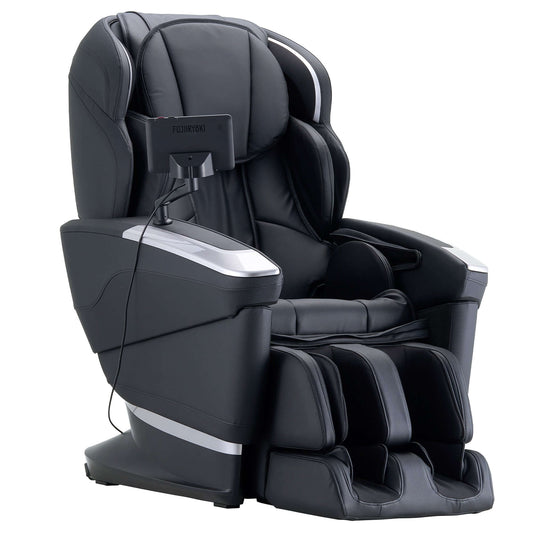
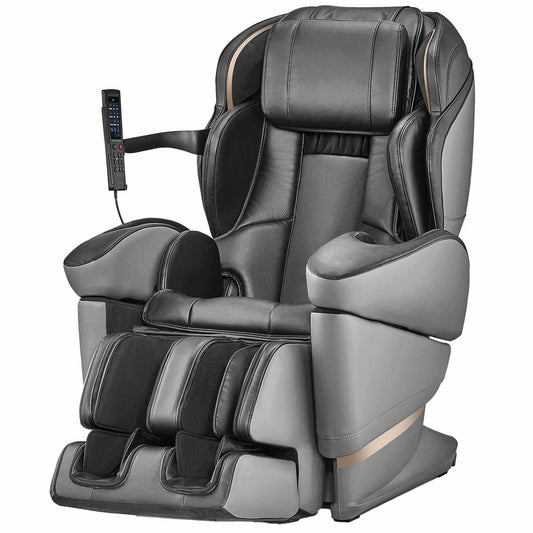
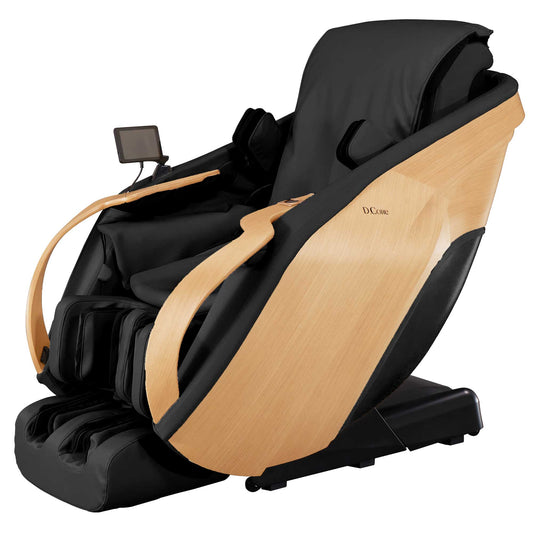
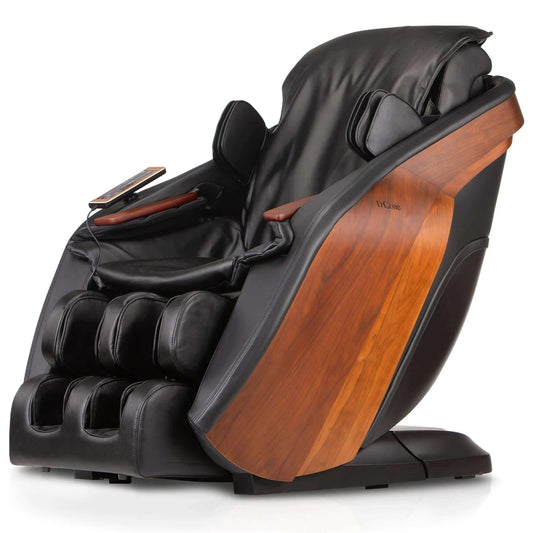
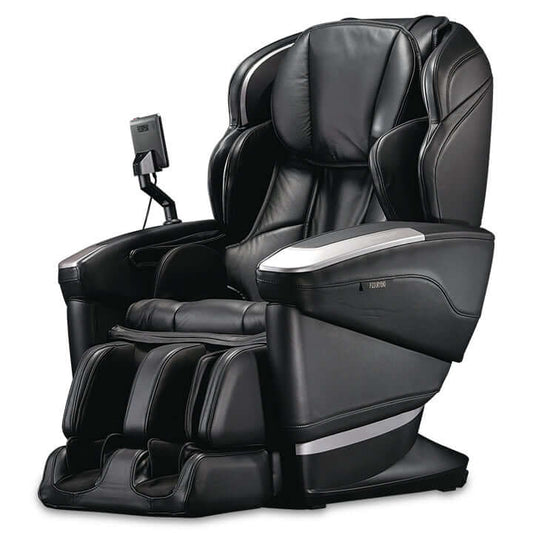
Fujiiryoki massage chairs are known for blending Japanese engineering, advanced roller systems, airbags and therapeutic heat to reproduce many hands-on techniques. Whether you want relief for ankle and heel pain, neck and shoulder tension, lower back stiffness, or full-body recovery after exercise, choosing the right Fujiiryoki mode and settings matters. This long-form guide helps you match Fujiiryoki modes to targeted body parts, explains the massage techniques used, and shows which approaches deliver benefits like blood flow control, fatigue relief, injury recovery and spine alignment.
How Fujiiryoki Chairs Deliver Targeted Therapy
Understanding the hardware helps you pick the best mode. Fujiiryoki chairs combine several components to create distinct therapeutic effects:
- Roller tracks and rollers that travel along the spine, neck and lumbar to recreate kneading, rolling and shiatsu pressure.
- Airbag systems that compress and decompress limbs, shoulders and hips to simulate squeezing, acupressure and compression-release techniques.
- Heat elements focused on the lower back and sometimes the calves to increase tissue extensibility and boost circulation.
- Preprogrammed algorithms that control rhythm, intensity, direction and synchronization of rollers and airbags to emulate techniques like Swedish, deep tissue or reflexology.
By combining those parts, Fujiiryoki chairs can target everything from delicate feet and wrists to large muscle groups like thighs and back.
Key Massage Techniques Available on Fujiiryoki Chairs
Below are the primary techniques you will see in Fujiiryoki programs and how they work physiologically.
- Shiatsu: Mimics finger pressure along meridians and trigger points. Best for tension release, stress relief and reducing muscular knots in the neck and shoulders.
- Deep Tissue: Slower, firmer motion that targets dense muscle layers and adhesions. Ideal for chronic tightness in calves, thighs and the lumbar region.
- Reflexology: Precise stimulation of foot and heel reflex points to influence systemic relaxation and improve circulation in the lower limbs.
- Swedish Massage: Long, gliding strokes for overall relaxation and improved blood flow—excellent as a warm-up or cool-down program.
- Trigger Point Massage: Short, focused pressure bursts that release localized knots and restore normal muscle length-tension relationships.
- Acupressure: Sustained pressure that targets acupuncture points to alleviate stress, improve tissue therapy and assist in pain modulation.
- Kneading: Circular compressive movements that soften tissue and improve flexibility by working on the muscle belly and fascia.
Which Mode Suits Which Body Part: In-Depth Recommendations
This section breaks down the best Fujiiryoki approach for each targeted body part you listed. For every area we cover recommended modes, intensity guidelines, session length and the main therapeutic benefit.
-
Ankles
- Best modes: Reflexology, Gentle Shiatsu, Airbag compression programs.
- Intensity: Low to medium. Ankles are sensitive and contain small ligaments and tendons.
- Duration: 6–10 minutes focusing on both sides and gentle mobilization if the chair supports ankle rotation.
- Benefits: Improves circulation, reduces swelling, helps tendon mobility and aids recovery from repetitive stress.
-
Feet & Heels
- Best modes: Reflexology, Trigger Point, Rolling + Sole kneading.
- Intensity: Low to medium for plantar fasciitis; medium for tired feet after standing.
- Duration: 8–15 minutes. For acute heel pain keep sessions shorter and gentler.
- Benefits: Pain relief for plantar fasciitis, improved venous return, decreased foot fatigue and stimulation of reflex points for systemic effects.
-
Calf, Knee & Legs (including Thighs)
- Best modes: Deep Tissue, Kneading, Sequential Compression (airbags).
- Intensity: Medium to high on larger muscle bellies; low around the knee joint itself.
- Duration: 10–20 minutes focused on muscle groups; 5–8 minutes near the knee joint if needed.
- Benefits: Faster post-exercise recovery, improved flexibility, reduced DOMS and help with muscle therapy.
-
Back & Spine
- Best modes: Alternating Deep Tissue and Shiatsu, plus targeted Lumbar Kneading and heat.
- Intensity: Medium to high on paraspinals and erector spinae; lower intensity near the thoracic and cervical transitions.
- Duration: 15–30 minutes. Start with Swedish warm-up 5–10 minutes, then 10–15 minutes of deeper work.
- Benefits: Pain relief, improved spine alignment by addressing muscular imbalances, decreased stiffness and enhanced blood flow to spinal tissues.
-
Neck & Shoulders
- Best modes: Shiatsu, Trigger Point, Focused Neck Rollers and Airbag shoulder compression.
- Intensity: Low to medium. Cervical vertebrae are delicate—avoid excessive direct pressure on the neck bones.
- Duration: 8–12 minutes with occasional short repeats; combine with light heat at the base of the skull if available.
- Benefits: Release of trapezius tightness, reduced forward-head posture effects, relief from tension headaches and improved range of motion.
-
Head
- Best modes: Light Shiatsu focused at the occiput, gentle kneading on scalp or base of skull if chair supports it.
- Intensity: Low only.
- Duration: 3–8 minutes. Helpful for tension headaches and stress relief.
- Benefits: Reduces headache intensity, lowers sympathetic arousal and promotes relaxation.
-
Hands & Wrists
- Best modes: Airbag compression for hands, gentle acupressure or reflexology programs where supported.
- Intensity: Low.
- Duration: 5–10 minutes for repetitive strain issues or circulation support.
- Benefits: Eases carpal tunnel symptoms when mild, improves blood flow and reduces localized fatigue.
-
Whole Body
- Best modes: Full-body programs integrating Swedish, Kneading, Shiatsu and Deep Tissue phases.
- Intensity: Start low and increase to a comfortable medium; alternate deeper phases with recovery phases.
- Duration: 20–40 minutes depending on goal—longer for relaxation and recovery, shorter for focused symptom relief.
- Benefits: Systemic stress relief, improved circulation, enhanced lymphatic flow and overall tissue therapy.
-
Wrist
- Best modes: Gentle air compression, acupressure sequences and light kneading if the chair allows wrist positioning.
- Intensity: Low.
- Duration: 4–8 minutes with periodic breaks for repetitive strain conditions.
- Benefits: Decreases stiffness, improves microcirculation and may reduce mild nerve compression symptoms.
Protocol Examples for Common Complaints
Below are structured protocols you can follow using a Fujiiryoki chair. Adjust intensity based on comfort and tolerance. If pain is severe or you have a medical condition consult a clinician first.
-
Plantar Fasciitis / Heel Pain
- Warm-up: 3–5 minutes Swedish foot program to increase circulation.
- Main: 10 minutes Reflexology focused on arch and heel with moderate pressure; alternate with 2 minutes of calf kneading to reduce tension pulled on the plantar fascia.
- Finish: 2–3 minutes gentle air compression on the feet and ankles; icing after session if inflammation is present.
-
Chronic Lower Back Pain
- Warm-up: 5–8 minutes Swedish gliding and gentle lumbar rollers with low heat.
- Main: 10–15 minutes alternating Deep Tissue on paraspinals and Shiatsu pressure along quadratus lumborum and gluteal areas; use focused lumbar heat 10–15 minutes.
- Finish: 5 minutes light kneading and spinal traction or decompression if the chair supports it to encourage realignment.
-
Neck and Headache Tension
- Warm-up: 3 minutes light neck rollers at low intensity.
- Main: 6–10 minutes Shiatsu and Trigger Point on upper trapezius, levator scapulae and base of skull; keep to low-moderate pressure.
- Finish: 2–3 minutes gentle kneading and breathing exercises while in the chair to extend relaxation.
-
Post-Workout Leg Recovery
- Warm-up: 3–5 minutes Swedish kneading on legs to flush metabolites.
- Main: 10–12 minutes Deep Tissue on calves and hamstrings with sequential compression to assist venous return.
- Finish: 5 minutes gentle foot reflexology and static stretching off the chair.
Daily and Weekly Massage Schedules for Different Goals
Consistency matters for cumulative benefits. Use these schedules as templates and tailor to your needs.
-
Stress Relief / Desk Worker
- Daily: 10–15 minutes focused on neck, shoulders and upper back using Shiatsu and Swedish modes.
- Weekly: 2 full-body sessions of 20–30 minutes combining deep and restorative work for posture and spine alignment.
-
Athlete or Active Person
- Post-Workout: 10–15 minutes Deep Tissue and Kneading on targeted muscles to reduce DOMS.
- Recovery Day: 20–30 minutes low-intensity Swedish and reflexology to promote blood flow and tissue therapy.
-
Seniors or Chronic Stiffness
- Frequency: 3–5 sessions per week, 10–20 minutes at low-medium intensity focusing on circulation and flexibility improvement.
- Consider: Shorter, more frequent sessions rather than long intense ones to avoid soreness.
Safety, Contraindications and Professional Guidance
Massage chairs offer many benefits but are not appropriate for everyone. Observing safety guidelines reduces risk.
- Contraindications: Avoid aggressive massage over open wounds, acute fractures, recent surgery sites, known deep vein thrombosis, severe osteoporosis or advanced varicose veins.
- Pregnancy: Use pregnancy-specific settings if available and avoid strong abdominal or deep pelvic compression. Consult your prenatal provider before use.
- Medical conditions: Seek advice before using chair if you have uncontrolled hypertension, arrhythmia, implanted electrical devices like pacemakers, active cancer treatments or severe diabetes with neuropathy.
- Pain cues: Sharp or radiating pain, numbness, tingling or worsening symptoms during a session are signals to stop and consult a professional.
- Progressive approach: Begin with lower intensity and shorter sessions and increase gradually to prevent post-session soreness.
Troubleshooting and Optimizing Your Fujiiryoki Experience
- Noticing soreness after deep programs: Alternate with Swedish or recovery modes and reduce session length.
- Roller feels too intense on the neck: Lower the intensity or shift to a program that emphasizes airbag acupressure instead of direct roller pressure.
- Feet feel under-stimulated: Try reflexology programs and increase pressure moderately; ensure correct foot positioning within the footrest.
- Airbags feel too tight: Reduce air intensity or switch to a program with gentler compression cycles.
- Chair supports and adjustments: Customize chair settings such as roller position, shoulder width, footrest length and heat to match your body frame.
Care, Maintenance and Longevity Tips for Fujiiryoki Chairs
Routine maintenance preserves performance and ensures a safe massage experience.
- Keep the chair in a dry, moderate-temperature room and avoid direct sunlight that can degrade upholstery.
- Wipe surfaces regularly with a soft cloth and mild cleaner; avoid harsh chemicals and excess moisture.
- Check and tighten visible mechanical fasteners periodically according to the user manual.
- Follow the manufacturer schedule for professional servicing and replace wear items like foot rollers or air bladders when performance declines.
- Store the remote and any removable parts safely and follow recommended shutdown procedures when the chair is not in use for long periods.
Combining Fujiiryoki Sessions with Other Therapies
Pairing chair sessions with complementary practices increases benefits.
- Stretching: Dynamic warm-ups before a vigorous program and static stretches after a deep session improve flexibility and reduce injury risk.
- Hydration: Massage mobilizes fluids—drink water before and after sessions to aid circulation and recovery.
- Physical therapy: Use targeted chair protocols as part of a clinician-approved rehab plan to support injury recovery and muscle therapy.
- Mindfulness and breathing: Combine chair sessions with deep breathing or guided relaxation to boost stress relief and autonomic regulation.
How to Measure Progress and Refine Your Routine
Track outcomes systematically to understand which modes help the most.
- Keep a session log: Note the date, mode, intensity, duration, body areas targeted and a subjective pain or stiffness score before and after.
- Photograph or record range-of-motion tests for neck, shoulders, hamstrings and hips over weeks to confirm improvements in flexibility.
- Assess functional outcomes: Can you walk longer without heel pain, sit without back discomfort or sleep better? These practical gains matter more than momentary comfort.
SEO Tips for Fujiiryoki Content Creators and Owners
If you run a blog, store or product page about Fujiiryoki massage chairs, the following content and technical SEO tactics will help your article rank in 2025 search results.
- Keywords: Use long-tail keywords that match user intent such as: Fujiiryoki shiatsu for neck, Fujiiryoki reflexology for plantar fasciitis, best Fujiiryoki mode for lower back pain, Fujiiryoki deep tissue benefits.
- Title and headers: Keep the primary keyword in the title and within an H1 or H2. Use H2 headers to structure sections for targeted search queries, for example H2: "Fujiiryoki mode for plantar fasciitis".
- Content depth: Aim for thorough, useful answers as above. Long-form articles of 1,500 to 3,000+ words that answer user questions and include practical protocols tend to rank well.
- On-page optimization: Add a concise meta description, use semantic keywords like "ankle therapy", "muscle therapy", "spine alignment" and include alt text for images demonstrating chair use.
- Internal linking: Link to related pieces like model reviews, maintenance guides, and condition-specific pages to help search engines understand topical authority.
- Schema and FAQs: Implement FAQ schema for common questions about modes, safety and session duration to increase chances of rich results in SERPs.
- Multimedia: Include short how-to videos and annotated photos that show proper positioning and mode selection—video-rich pages perform strongly in 2025.
- User intent match: Create sections that answer transactional, navigational and informational queries so users searching for a purchase, setup help or therapy suggestions find what they need.
Frequently Asked Questions
-
Q: Can a Fujiiryoki chair replace a massage therapist?
A: Fujiiryoki chairs are highly effective for regular maintenance, pain relief and recovery. They simulate many manual techniques but are not a full substitute for hands-on assessment and individualized treatment from a licensed therapist for complex or severe conditions.
-
Q: How often should I use the deep tissue mode?
A: Limit deep tissue sessions to every other day or 2-3 times per week, depending on intensity and tolerance. Alternate with Swedish or recovery programs to prevent overloading tissues.
-
Q: Is heat safe to use with deep tissue?
A: Yes, heat increases tissue extensibility and can make deep tissue work more effective, but avoid prolonged high heat over inflamed or acute injury regions. Follow chair recommendations for duration.
-
Q: What if a mode makes me feel light-headed?
A: Stop the session, sit up slowly and hydrate. If lightheadedness continues seek medical advice. Lower-intensity programs and shorter sessions can prevent this.
Conclusion
Choosing the best Fujiiryoki massage mode depends on the body part, tissue type and therapeutic goal. Reflexology excels for feet and heels, Shiatsu and Trigger Point work for neck and shoulder tension, and Deep Tissue with Kneading is ideal for the back, calves and thighs. Use Swedish modes for circulation and warm-up, and combine heat, air compression and appropriate intensity to maximize blood flow control, fatigue relief, flexibility improvement and injury recovery.
Follow safe usage guidelines, log your outcomes and build a routine tailored to your needs. When used thoughtfully, a Fujiiryoki chair can be an indispensable tool for pain relief, muscle therapy and long-term well-being.
Disclaimer: This article is informational and educational. It does not replace medical advice. Consult a healthcare professional before beginning any new therapy if you have health concerns.
Tags:
Previous
Fujiiryoki Massage Chairs for Clinic-Grade Recovery: Shiatsu, Trigger Point & Reflexology Targeting Neck, Back, Feet to Boost Circulation, Reduce Pain & Improve Flexibility
Next
Body-Part Precision with Fujiiryoki: Shiatsu, Reflexology & Deep Tissue Strategies for Ankles, Neck, Back & Full-Body Recovery