
Body-Part Precision with Fujiiryoki: Shiatsu, Reflexology & Deep Tissue Strategies for Ankles, Neck, Back & Full-Body Recovery
Introduction: The Power of Precision in Modern Massage
In 2025, precision massage is no longer just a luxury for elite athletes or spa-goers. Advances in chair technology, especially from brands like Fujiiryoki, make modality-specific therapy accessible at home. This long-form guide explores how targeted shiatsu, reflexology and deep tissue strategies can be applied via Fujiiryoki massage chairs to provide meaningful relief and recovery for ankles, neck, back and the whole body.
What This Guide Covers
- How Fujiiryoki hardware and programming replicate hands-on techniques
- Step-by-step protocols for each targeted body part: ankle, heel, foot, calf, knee, thigh, leg, wrist, hand, neck, shoulder, head and the whole body
- How each massage technique works and when to use it
- Evidence-informed benefits, safety considerations and rehab integration
- SEO and content suggestions to help this post rank well
Why Fujiiryoki: Engineering Meets Therapeutic Intent
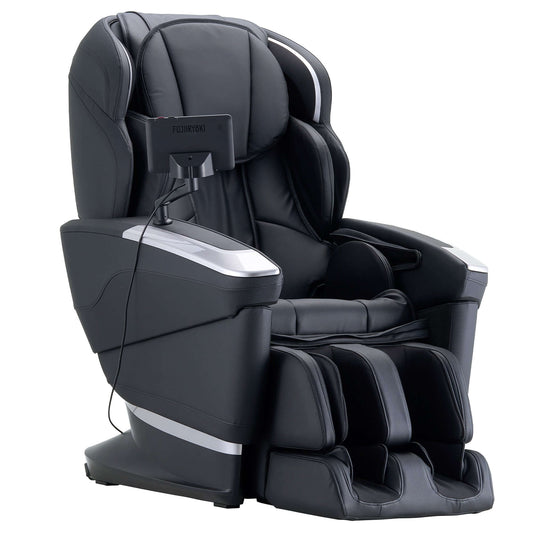
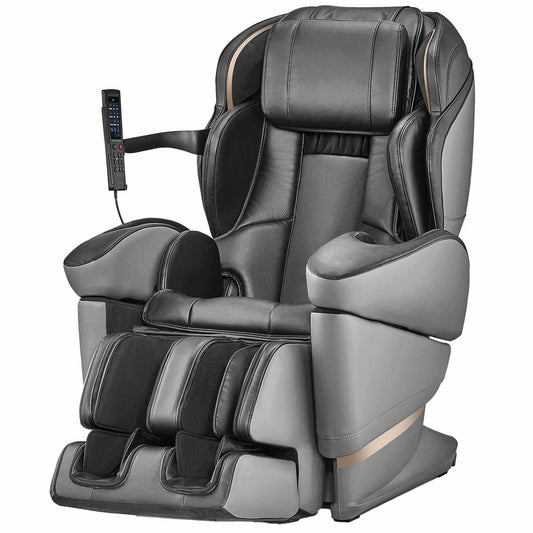
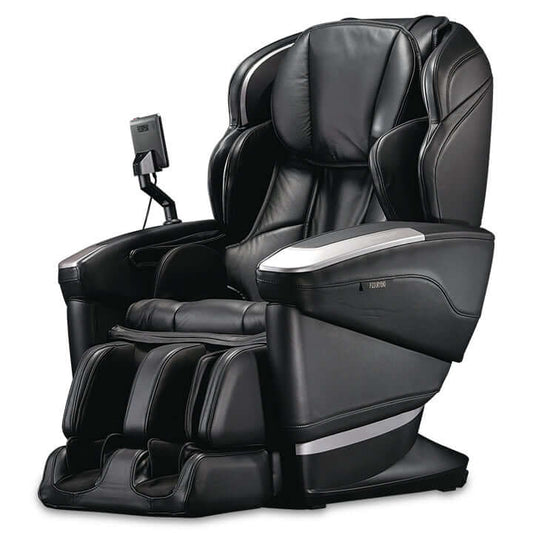
Fujiiryoki massage chairs are recognized for combining precision mechanical systems with sophisticated program logic. Key features that matter for body-part precision include:
- Adaptive body scanning to personalize roller placement along the spine and neck
- Multi-zone airbags that control compression intensity across calves, thighs, hips, shoulders and arms
- Dedicated foot reflexology rollers for sole stimulation and heel-specific work
- Variable-speed and pressure settings enabling gentle acupressure or firm deep tissue work
- Heated elements for lumbar and calf regions to enhance tissue extensibility
- Programmable sequences combining kneading, tapping, shiatsu nodes and sustained trigger point pressure
Understanding the Core Techniques
Before reviewing body-part protocols, it helps to know the therapeutic techniques Fujiiryoki simulates and why each matters:
- Shiatsu: Focused, rhythmic nodes that apply sustained pressure to stimulate acupoints and release muscular knots.
- Reflexology: Targeted sole and heel stimulation intended to modulate local tissue tone and induce systemic relaxation via reflex zones.
- Deep Tissue Massage: Slow, firm kneading and sustained pressure aimed at breaking up adhesions and mobilizing deeper fascia.
- Trigger Point Release: Pausing pressure on a hyperirritable point to encourage relaxation and increased local blood flow.
- Acupressure: Reproduces finger-like pressure on meridian points for autonomic nervous system regulation.
- Swedish Elements: Long gliding strokes and lighter pressure that enhance circulation and overall relaxation.
- Kneading and Compression: Alternating patterns that move interstitial fluid, support lymphatic drainage and reduce swelling.
Anatomy & Mechanobiology: Why Specificity Works
Tissue response varies by location. The ankle and foot are dense with connective tissue and sensory receptors; calves and thighs have large muscle bellies; the lumbar region houses deep paraspinal muscles and the spine; the neck contains delicate cervical vertebrae and smaller musculature. Fujiiryoki's capacity to tune pressure, speed and contact area allows targeted mechanical inputs that match the anatomy and recovery goal.
Targeted Protocols: Practical Routines for Each Body Part
Below are protocol templates optimized for recovery, comfort and measurable outcomes. Times and intensity are adjustable to tolerance.
Ankles & Heels
- Goal: Reduce stiffness, improve circulation and relieve plantar/heel soreness.
- Recommended Module: Foot reflexology rollers + heel-specific compression.
- Duration & Intensity: 12-20 minutes at low-to-moderate intensity.
- Sequence:
- Start with gentle sole rollers for 3-5 minutes to warm tissues.
- Switch to targeted heel compression cycles for 4-6 minutes.
- Alternate with light calf compression to promote venous return for 3-5 minutes.
- When to Use: After long standing, walking, or for plantar discomfort. Avoid deep pressure over acute inflammation.
Feet
- Goal: Reduce plantar tension, stimulate reflex zones and ease systemic stress.
- Recommended Module: Reflexology rollers combined with rhythmic foot airbags.
- Duration & Intensity: 10-18 minutes; use lower intensity if neuropathy or diabetic peripheral issues present; consult clinician first.
- Sequence: Alternating pressure zones with pauses to allow tissue reperfusion.
Calves
- Goal: Alleviate post-exercise soreness, reduce cramps and improve ROM.
- Recommended Module: Graduated calf airbags + deep kneading for the gastrocnemius and soleus.
- Duration & Intensity: 10-20 minutes; moderate-to-firm depending on tolerance.
- Sequence: Begin with compression to flush metabolites, then apply kneading and finish with light compression and heat.
Knees
- Goal: Reduce periarticular tension, improve circulation around the joint, support recovery.
- Recommended Module: Gentle localized compression, low-intensity heat and surrounding tissue kneading.
- Duration & Intensity: 8-12 minutes on low intensity; avoid aggressive deep-tissue directly over acute inflammation.
- Sequence: Focus on quadriceps and hamstring release to offload the knee; use gentle peri-patellar compression to reduce swelling.
Thighs & Legs
- Goal: Release hamstrings, quadriceps and adductors; reduce DOMS and enhance mobility.
- Recommended Module: Firm kneading, alternating air compression and heat for tissue extensibility.
- Duration & Intensity: 15-25 minutes depending on recovery needs.
- Sequence: Warm with heat, deep knead quads and hamstrings, follow with compression cycles and finish with light Swedish-style strokes.
Lower Back & Lumbar Spine
- Goal: Alleviate chronic lumbar tightness, support neutral posture and improve mobility.
- Recommended Module: Roller track with lumbar heat, trigger point pauses and decompressive cycles.
- Duration & Intensity: 12-25 minutes; start gentle if acute pain is present.
- Sequence: Begin with heat for 3-5 minutes, then targeted deep kneading along paraspinals with intermittent trigger point holds, finish with spinal gliding and light traction simulation.
- Notes: For radicular symptoms or serious spinal pathology consult a clinician before use.
Neck, Cervical Region & Shoulders
- Goal: Release trapezius, levator scapulae and suboccipital tension to reduce headaches and improve neck ROM.
- Recommended Module: Shiatsu neck nodes, shoulder airbags and gentle traction.
- Duration & Intensity: 8-15 minutes; avoid high pressure directly over the cervical vertebrae if history of instability.
- Sequence: Low-intensity shiatsu for suboccipital release, followed by shoulder decompression and light cervical gliding.
Hands & Wrists
- Goal: Improve circulation, relieve grip fatigue and reduce repetitive strain symptoms.
- Recommended Module: Hand kneading nodes or soft compression supports where available.
- Duration & Intensity: 6-12 minutes; use gentle pressure for recovery, firmer for chronic stiffness.
- Sequence: Slow kneading through intrinsic muscles with pauses on tight spots.
Head & Scalp
- Goal: Promote relaxation, reduce tension headaches and support stress relief.
- Recommended Module: Gentle head cradle with soft vibration, scalp stimulation when available.
- Duration & Intensity: 5-10 minutes of light stimulation; pair with breathing exercises.
Whole-Body Recovery: Integrating Sequences
Full-body sessions are most effective when sequencing moves from distal to proximal or head-to-toe depending on goals. Two example sequences:
- Post-Event Recovery (distal to proximal): Foot reflexology and calf compression first to promote venous return, then thigh and hip kneading, lumbar heat and deep rollers, finishing with neck and shoulder shiatsu and head relaxation. Total time 30-45 minutes.
- Stress Reduction (head-to-toe): Start with scalp and neck soothing, shoulder decompression, thoracic and lumbar rolling, limb compression for circulation, then foot reflexology. Total time 20-35 minutes.
Technique Selection: Match Modality to Goal
Choosing the right modality is critical. Use this quick decision map:
- Need relaxation and circulation: Swedish elements + light kneading + reflexology
- Want to release chronic knots: Deep tissue + trigger point pauses + shiatsu nodes
- Recovering after exercise: Graduated compression + heat + moderate kneading
- Managing stress and headaches: Neck shiatsu + scalp stimulation + breathing paired with low intensity
Evidence and Rationale: What Research Supports These Approaches?
Broad evidence shows massage modalities can improve subjective pain, reduce muscle tension and support circulation. Mechanistic pathways include increased blood flow, modulation of autonomic balance, reduction of inflammatory mediators and enhanced lymphatic drainage. While chair-based therapies are not a complete substitute for hands-on manual therapy in every case, high-quality devices that deliver controlled pressure and heat can produce clinically meaningful symptom relief when used appropriately.
Safety, Contraindications and Red Flags
- Medical Conditions: Do not use without medical clearance for recent fractures, active deep vein thrombosis, uncontrolled hypertension, severe osteoporosis, active infection, or certain cardiovascular conditions.
- Pregnancy: Use only with models and modes approved for pregnancy and after consultation with a healthcare provider.
- Acute Injury: Avoid aggressive deep tissue over acute inflammation, open wounds or swelling without clinical approval.
- Neuropathy and Circulatory Disorders: Lower intensity and consult a clinician if diabetic neuropathy or peripheral vascular disease is present.
- Discomfort vs Harm: Mild soreness after a deeper session can be normal, but persistent sharp pain or neurological symptoms require stopping the session and seeking medical advice.
Integrating Fujiiryoki Sessions into Rehabilitation and Training
Fujiiryoki chairs can complement active rehabilitation and training routines when used strategically:
- Pre-Workout: Short, light circulation-focused session (5-10 minutes) to increase tissue temperature and readiness.
- Post-Workout: Deeper kneading and compression to reduce DOMS and flush metabolites (15-25 minutes).
- Daily Maintenance: Short sessions to maintain mobility and reduce accumulated tension, especially for desk workers.
- Between Therapy Appointments: Use gentle sessions to sustain gains from hands-on treatments, and coordinate with your therapist on timing.
Maintenance and Longevity: Keep Your Chair Performing
- Regular Cleaning: Wipe upholstery with manufacturer-approved cleaners and keep rollers and foot modules free of debris.
- Service Intervals: Follow Fujiiryoki recommended service schedules for mechanical checks to maintain roller alignment and air pump function.
- Firmware Updates: Update software where applicable to access improved programs and safety features.
- Load Management: Avoid prolonged maximum-intensity sessions day after day; alternate intensity and duration for longevity.
Troubleshooting Common Issues
- Uncomfortable Pressure: Lower intensity or change the program to a more gentle mode; verify body scan settings match your height.
- Foot Module Too Intense: Reduce speed and avoid roller-only programs until tolerance improves.
- Persistent Soreness: Reduce frequency and intensity; add more days of light activity and hydration.
- Mechanical Noise: Contact authorized service if unusual grinding or knocking develops; routine servicing reduces risk.
Buyer's Considerations: Choosing a Fujiiryoki Model for Precision
When selecting a chair, evaluate:
- Roller Track Length: Longer L-track models reach glute and upper hamstring regions for more comprehensive lumbar-to-hamstring therapy.
- Foot Reflexology Complexity: Multi-zone rollers and heel-focused mechanisms provide greater foot specificity.
- Airbag Zoning: More independent airbags allow targeted compression sequences for calves, thighs and shoulders.
- Heat Coverage: Lumbar and calf heating support deep tissue work.
- Programmability: Ability to create or modify programs matters for rehabilitation needs.
FAQ: Quick Answers to Common Questions
- Is a chair as effective as a human therapist? Chair therapy can be highly effective for consistent, repeatable maintenance and certain deep tissue effects, but it does not fully replace hands-on manual therapy for complex surgical rehabilitation or highly individualized manual techniques.
- How often should I use the chair? For recovery, daily short sessions of 10-25 minutes are often effective. For deep-tissue work, 2-4 sessions per week at moderate intensity may be preferable.
- Can it help with chronic lower back pain? Many users report symptom relief when combining lumbar heat, deep kneading and decompression programs, but consult your clinician for long-standing or progressive symptoms.
- Are there model differences that matter for ankles and feet? Yes. Chairs with refined foot reflexology rollers and separated heel airbags deliver more precise ankle and foot work.
SEO and Content Strategy Suggestions to Rank This Post
To help this article rank well, implement the following:
- Primary Keyword: Fujiiryoki massage chair recovery
- Secondary Keywords: shiatsu massage ankle neck back, reflexology foot rollers, deep tissue massage chair, whole-body recovery chair
- Meta Title Suggestion: Body-Part Precision with Fujiiryoki: Shiatsu, Reflexology & Deep Tissue for Ankles, Neck & Full-Body Recovery
- Meta Description Suggestion: Discover Fujiiryoki's targeted shiatsu, reflexology and deep tissue strategies for ankles, neck, back and whole-body recovery. Practical protocols, safety tips and program settings for optimized relief.
- Structured Data: Use FAQ schema for the FAQ section and HowTo schema for sample routines to improve SERP visibility.
- Internal Links: Link to product pages, model comparisons, and rehabilitation articles on related topics like lumbar care, plantar fasciitis or athlete recovery.
- Multimedia: Add images of treatment zones, short video demos of program sequences, and annotated diagrams of foot reflexology zones to increase dwell time.
- Content Depth: Keep content long-form (2000 3000+ words) with H2 and H3 structure, as in this article, to signal topical authority.
Sample Full-Length Session Plans
- Morning Mobility Boost (20 minutes): 5 minutes foot reflexology and ankle compression, 5 minutes calf kneading with heat, 5 minutes lumbar gentle rollers, 5 minutes neck and shoulder decompression. Use light-to-moderate intensity.
- Deep Recovery Night Session (40 minutes): 8 minutes localized calf heat and kneading, 10 minutes thigh and glute deep kneading, 10 minutes lumbar deep rollers and trigger-point pauses, 7 minutes neck and shoulder shiatsu, 5 minutes scalp/head relaxation. Finish with breathing and 2 minutes of gentle stretching.
- Pre-Event Activation (10 minutes): Quick circulation program focusing on feet and calves followed by light lumbar and thoracic rollers to prepare tissues.
Case Examples: How Precision Therapy Helps Real Needs
These are hypothetical, illustrative scenarios showing practical use:
- Weekend Hiker: Uses foot reflexology and calf compression after long hikes to reduce swelling and speed recovery so they can train more frequently.
- Office Worker: Daily 15-minute neck and shoulder shiatsu sessions reduce tension headaches and improve posture-related discomfort.
- Recreational Runner: Alternates deep leg kneading and lumbar decompression post-run to decrease DOMS and maintain training volume.
Measuring Outcomes: How to Track Progress
Track simple metrics to know if your chair sessions are effective:
- Subjective Pain Scores: Rate pain/tightness on a 0-10 scale before and after sessions for 2 4 weeks.
- Range of Motion: Measure ankle dorsiflexion, lumbar flexion or neck rotation periodically.
- Functional Outcomes: Track daily step count, run times, or duration of pain-free activity.
- Recovery Time: Note how quickly soreness resolves after typical workouts when using the chair versus without.
Final Thoughts: Make Precision Part of a Balanced Recovery Plan
Fujiiryoki chairs offer a compelling combination of technology and therapeutic intent. When used thoughtfully—matching modalities to anatomy, adjusting intensity based on clinical context and combining chair sessions with movement, hydration and professional care—they can be a powerful ally in ankle, neck, back and whole-body recovery. Precision matters: choose programs that reflect your goals, and use the guidance in this guide to get the most from every session.
Further Resources
- Consult your model manual for program specifics and safety instructions
- Talk to a licensed physical therapist or sports medicine clinician when addressing injury or persistent pain
- Look for manufacturer updates and verified clinical studies related to chair-based therapy for additional evidence
Author Note
This article is intended to provide comprehensive practical guidance on using Fujiiryoki massage chairs for targeted recovery. It does not replace personalized medical evaluation or treatment. For persistent, severe or progressive symptoms seek professional medical advice.
Tags:
Previous
Which Fujiiryoki Massage Mode Is Best for Your Aches? Targeted Shiatsu, Deep Tissue & Reflexology for Ankles, Feet, Neck & Back
Next
Fujiiryoki Massage Chair Owner's Guide: Best Programs (Shiatsu, Deep Tissue & Reflexology) to Target Ankles, Feet, Neck, Shoulders and Whole-Body Pain, Boost Circulation & Speed Recovery