
From Ankles to Scalp: How Fujiiryoki Massage Chairs Blend Shiatsu, Deep‑Tissue & Reflexology to Boost Circulation, Reduce Pain, and Speed Muscle Recovery
From Ankles to Scalp: How Fujiiryoki Massage Chairs Blend Shiatsu, Deep‑Tissue & Reflexology to Boost Circulation, Reduce Pain, and Speed Muscle Recovery
Fujiiryoki massage chairs are designed to deliver more than relaxation. By combining traditional shiatsu principles, modern deep tissue mechanics, targeted reflexology, and precision air compression, these chairs offer a multi‑modal approach to circulation enhancement, pain reduction, and accelerated muscle recovery. This longform guide explores how Fujiiryoki integrates a wide range of massage techniques to treat specific body parts — ankles, heels, feet, calves, knees, thighs, legs, back, neck, shoulders, hands, wrists, head, and scalp — and provides practical advice for choosing a model, using it effectively, and optimizing recovery outcomes.
Why Integration of Multiple Techniques Matters
No single massage technique addresses every need. Shiatsu excels at acupressure and energy flow, deep tissue targets adhesions and scarred muscle fibers, and reflexology focuses on distal stimulation with systemic effects. Fujiiryoki combines these approaches so the chair can:
- Target localized trigger points with deep tissue rollers
- Promote venous return and lymphatic drainage with sequential air compression
- Stimulate neural reflexes through foot rollers and heel modules
- Use heat and kneading to increase local blood flow and tissue pliability
- Deliver consistent pressure at controlled intensities for safe, repeatable therapy
Blending techniques increases versatility, enabling a single session to work on recovery, pain relief, flexibility, and stress reduction simultaneously.
How Fujiiryoki Works: The Mechanics Behind the Massage
Understanding how Fujiiryoki chairs achieve therapeutic outcomes helps you use them more effectively. Key mechanical elements include:
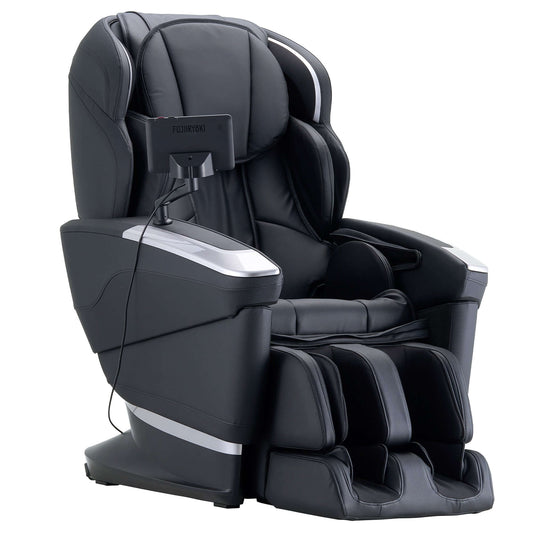
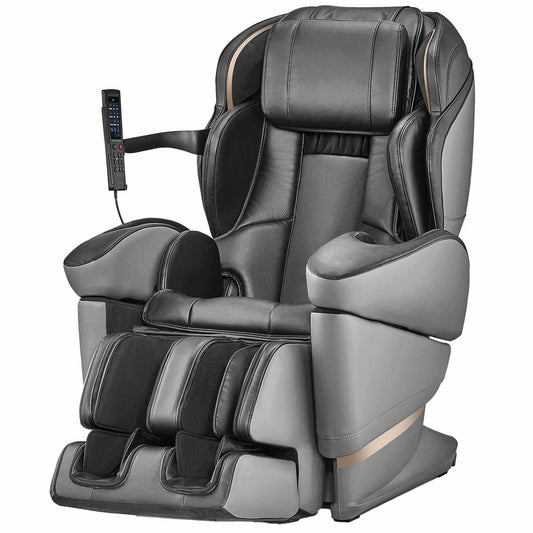
- Roller systems that move in multiple planes to mimic human hands and thumbs, delivering shiatsu point pressure and deep kneading
- Adjustable nodes and pressure levels to move from surface circulation work to deeper myofascial release
- Air compression bladders in calf, foot, hand, wrist, and shoulder modules that inflate and deflate in sequences to push fluid and blood toward the torso
- Reflexology rollers and textured surfaces on foot modules that target arches, heels, and plantar points
- Heat elements in lumbar regions and footbeds to soften tissues and increase perfusion
- Body scanning and zone selection so the mechanism matches the user's anatomy and focuses on specific areas like ankles, knees, or neck
Physiology: How Massage Promotes Circulation and Recovery
Massage therapy influences recovery through several physiological mechanisms:
- Mechanical pressure from rollers and compression increases venous return and lymphatic flow, reducing swelling and metabolic waste buildup in distal tissues such as the feet and ankles
- Rhythmic kneading and heat elevate local tissue temperature, dilating microvessels and improving oxygen and nutrient delivery to muscles
- Trigger point release and deep tissue work break down adhesions and restore muscle fiber sliding, improving flexibility and reducing pain
- Neural modulation through gentle stimulation (for example, scalp and foot reflexology) can reduce sympathetic overdrive and lower perceived pain
When these actions are combined in a single device, you get compounded benefits that support both acute recovery from exercise and chronic symptom management.
Targeted Benefits by Body Part
Below are detailed, body part–specific benefits and how Fujiiryoki addresses each area using its combined techniques.
-
Ankles and Heel
- Sequential air compression reduces interstitial fluid buildup and swelling in ankles and heels
- Heel modules and reflex rollers apply focused pressure to plantar points that affect foot biomechanics and heel pain
- Gentle mobilization helps restore ankle flexibility and reduce stiffness after prolonged standing or walking
-
Feet
- Reflexology rollers stimulate the arch, metatarsal heads, and heels to release tension and promote systemic relaxation
- Foot heat and kneading loosen muscles and fascia implicated in plantar fasciitis and general foot fatigue
-
Calf
- Compression sleeves and kneading relieve DOMS and accelerate lactic acid clearance
- Improved venous return from calf compression reduces cramping and heaviness
-
Knee
- Surrounding tissue work reduces tension above and below the knee to relieve stress on the joint
- Careful, low‑intensity compression can help reduce swelling and perceived tightness; avoid deep tissue on inflamed ligaments unless cleared by a clinician
-
Thigh and Legs
- Broad kneading and roller sequences improve tissue extensibility and circulation in quadriceps and hamstrings
- Useful for recovery after running, cycling, and strength training to shorten recovery windows
-
Back and Spine
- Shiatsu nodes apply concentrated pressure to paraspinal muscles to relieve tension and encourage proper spine alignment
- Zero gravity and lumbar heat reduce compressive loads on vertebrae, supporting spinal decompression during sessions
-
Neck and Shoulder
- Deep tissue rollers and trigger point modes break up tight upper trapezius fibers and reduce forward head posture effects
- Gentle stretching protocols integrated into recline functions increase range of motion and reduce stiffness
-
Head and Scalp
- Scalp massage programs reduce tension headaches and promote relaxation through increased scalp blood flow and parasympathetic activation
- Combined neck relief enhances headache reduction by lowering cervical muscle tension
-
Hands and Wrist
- Air compression and kneading in hand modules improve circulation after repetitive tasks and may relieve symptoms of mild overuse
- Careful application is recommended for carpal tunnel or acute inflamed conditions; consult a clinician first
-
Whole Body
- Integrated full‑body programs combine techniques to simultaneously improve circulation, reduce systemic stress, and support muscle recovery
- Using the chair as part of a consistent recovery routine can improve sleep, lower perceived fatigue, and increase daily functional capacity
How to Structure Sessions for Different Goals
To get the most from a Fujiiryoki chair, tailor session length, intensity, and program type to your goals.
-
Circulation and Swelling Reduction
- Program: Sequential air compression for feet, calves, and ankles
- Duration: 15 to 25 minutes
- Intensity: Moderate; comfortable pressure that promotes warmth without pain
-
Acute Muscle Recovery Post‑Workout
- Program: Warmup kneading with heat followed by targeted deep tissue on sore areas
- Duration: 20 to 30 minutes
- Intensity: Start light, increase to firm if tolerated; avoid aggressive deep tissue on inflamed muscles
-
Chronic Pain and Trigger Point Release
- Program: Trigger point and shiatsu modes focused on neck, shoulders, and upper back
- Duration: 10 to 20 minutes on problem zones, total session 30 to 40 minutes
- Intensity: Firm pressure for short durations with rest breaks; monitor for pain flare‑ups
-
Relaxation and Sleep Support
- Program: Full body kneading, scalp massage, and light foot reflexology with heat
- Duration: 20 to 40 minutes
- Intensity: Low to moderate; focus on rhythm and comfort
Practical Tips for Safe and Effective Use
- Start conservatively on intensity and duration, especially if you are new to deep tissue or shiatsu-style pressure
- Hydrate before and after sessions to facilitate metabolic waste removal
- Avoid direct deep pressure on acutely inflamed joints, open wounds, or fresh injuries; consult a healthcare professional in these scenarios
- Combine chair therapy with light active recovery such as walking, mobility drills, or gentle stretching to consolidate gains
- Keep sessions regular rather than sporadic to get steady benefits in circulation, pain control, and flexibility
Contraindications and When to Seek Medical Advice
Massage chairs are broadly safe for healthy users, but some conditions require caution or exclusion:
- Recent fractures or suspected fractures
- Deep vein thrombosis or high risk for thromboembolism
- Uncontrolled high blood pressure or certain cardiovascular conditions without medical clearance
- Acute infections, open skin wounds, or severe inflammation
- Pregnancy beyond the first trimester may require modifications and medical approval
- Severe osteoporosis or other bone-weakening conditions
If you have a chronic medical condition or are recovering from surgery, consult your physician or physical therapist before using a massage chair.
Choosing the Right Fujiiryoki Model: Features to Prioritize
Not every model is identical. Consider these features when comparing Fujiiryoki chairs or evaluating alternatives:
- Adjustable intensity and targeted zone control to select ankles, calves, neck, shoulders, or scalp independently
- Comprehensive foot modules with reflexology rollers and heel targeting for plantar and heel therapy
- Robust air compression sequences covering calves, ankles, feet, hands, and wrists for fluid management
- Heat in lumbar and foot areas to improve tissue compliance and promote circulation
- Zero gravity positioning and adjustable recline to reduce spinal loading during treatment
- Custom program creation or memory to store preferred sessions for athletes or daily recovery routines
- Durability, serviceability, and warranty length—Fujiiryoki models typically offer solid build quality and aftercare support
Maintenance, Longevity, and Troubleshooting
- Regularly dust and vacuum around external air vents and foot modules to prevent debris accumulation
- Clean upholstery with manufacturer‑recommended cleaners to extend material life and avoid cracking
- Listen for unusual noises that indicate air bladder leaks or roller mechanism issues; schedule servicing if sounds persist
- Follow recommended usage cycles and avoid continuous operation beyond intended run times to preserve motors and electronics
- Keep software updated if the model supports firmware updates to benefit from performance refinements
Comparing Massage Chair Therapy to Manual Therapy
Both have advantages. Manual therapy from a licensed therapist includes hands-on assessment, manual joint mobilization, and personalized clinical judgment. Fujiiryoki chairs complement manual therapy by offering:
- Consistency and convenience for daily or frequent use
- Reproducible pressure patterns that support maintenance therapy between clinical visits
- Integrated heat, compression, and multi-zone programs that are difficult to replicate at home
For many users, an optimal approach combines clinical visits with daily or nightly chair sessions to maintain gains and enhance recovery.
How to Create SEO-Optimized Content Around Fujiiryoki
For website owners and content creators who want this article to rank, follow these best practices:
- Use the primary keyword in the title, URL, meta description, and H1/H2 tags. Example: Fujiiryoki massage chairs for circulation and muscle recovery
- Include long‑tail keywords naturally: Fujiiryoki shiatsu neck and shoulder relief, Fujiiryoki foot reflexology for plantar fasciitis, best Fujiiryoki program for calf recovery
- Answer common user questions directly and concisely in a FAQ section using natural language queries
- Use schema markup for FAQs and product pages to increase visibility in search engine results pages
- Optimize images with descriptive alt text that mentions targeted body parts and benefits, for example 'Fujiiryoki foot reflexology rollers for plantar support'
- Internal link to related content such as recovery routines, product comparison pages, or clinical studies about massage benefits
- Include user intent phrases and local modifiers if applicable: best Fujiiryoki dealers near me, Fujiiryoki repair and warranty
- Keep content fresh by updating with new model releases, customer reviews, and any published research on massage technology
Suggested On‑Page Structure and Headings for Maximum SEO Impact
- H1: From Ankles to Scalp: How Fujiiryoki Massage Chairs Blend Shiatsu, Deep‑Tissue & Reflexology
- H2: What Is a Fujiiryoki Massage Chair?
- H2: How Fujiiryoki Combines Techniques for Better Circulation
- H2: Benefits by Body Part
- H2: How to Use Your Fujiiryoki for Recovery
- H2: Contraindications and Safety
- H2: How to Choose a Model
- H2: FAQs
Keywords and Meta Description Suggestions
- Primary keyword: Fujiiryoki massage chairs
- Secondary keywords: shiatsu massage chair, reflexology foot rollers, calf compression massage, neck and shoulder shiatsu, plantar fasciitis massage chair
- Meta description: Explore how Fujiiryoki massage chairs combine shiatsu, deep tissue, and reflexology to improve circulation, reduce pain from ankles to scalp, and speed muscle recovery. Learn programs, safety tips, and model features.
Expanded FAQ
-
Can Fujiiryoki chairs help with plantar fasciitis?
Fujiiryoki chairs with reflexology rollers and heel targeting can reduce plantar tension and discomfort by improving local circulation and soft tissue pliability. They are a useful adjunct to stretching, footwear optimization, and physical therapy, but should not replace clinical care for severe cases.
-
How long before I see results in circulation and swelling?
Many users notice reduced foot and ankle heaviness after a few sessions (one to two weeks with regular use). Meaningful reductions in chronic swelling or circulation problems may take longer and should be tracked alongside medical evaluation when necessary.
-
Will regular chair sessions reduce the need for professional massages?
Chair sessions can reduce the frequency of hands‑on therapy for maintenance purposes, but manual therapists provide diagnostic skills and techniques that chairs cannot fully replicate. Chairs are best used for daily maintenance and recovery between clinical visits.
-
Is the chair suitable for athletes?
Yes. Athletes often use Fujiiryoki chairs for post‑training recovery, to reduce DOMS, and to improve readiness for subsequent workouts. Use protocols focusing on circulation and light deep tissue within 24 to 48 hours of intense workouts.
-
How do I choose intensity and program length?
Start with lower intensities and shorter durations, especially on deep tissue settings. Gradually increase based on comfort and outcomes. Typical sessions range from 10 minutes for light relief to 30–40 minutes for comprehensive recovery programs.
Use Cases and Real‑World Routines
Here are practical routines tailored for common users.
-
Desk Worker: Neck and Shoulder Relief
- Start with 5 minutes of neck and shoulder shiatsu to reduce tension
- Follow with 10 minutes of upper back kneading and heat
- Finish with a 5 to 10 minute full‑body relaxation program to reduce sympathetic arousal
-
Runner: Lower Body Recovery
- Begin with 10 minutes of calf and foot compression to mobilize pooled fluids
- Use 10 to 15 minutes of thigh and hamstring kneading and targeted deep tissue for sore spots
- Finish with 5 minutes of foot reflexology and heel focus
-
Athlete: Pre‑Event Warmup
- Short 5–10 minute session using light kneading and heat to increase tissue temperature and joint mobility
- Avoid heavy deep tissue or trigger point release immediately before competition
Final Thoughts: Integrating Fujiiryoki into a Holistic Recovery Plan
Fujiiryoki massage chairs are powerful tools that combine shiatsu, deep tissue, reflexology, and compression to deliver measurable benefits from the ankles to the scalp. Used responsibly and consistently, they can enhance circulation, reduce pain, accelerate muscle recovery, and support overall well‑being. Pair chair therapy with active recovery, proper hydration, nutrition, and professional guidance for chronic or complex conditions to get the best possible outcomes.
While massage chairs are not a replacement for medical care, their convenience, consistency, and multi‑modal approach make them a valuable part of a modern recovery toolkit. Whether you seek relief from plantar pain, improved calf recovery after training, decreased neck and shoulder tightness from desk work, or better sleep through scalp and full‑body relaxation, Fujiiryoki provides targeted programs and robust engineering to support those goals.
Please consult a healthcare professional before beginning any new therapeutic regimen if you have underlying health conditions, recent injuries, or concerns about contraindications.
Tags: