
Fujiiryoki Massage Chairs: Shiatsu, Reflexology & Deep‑Tissue Relief for Neck, Back, Feet and Whole‑Body Recovery
Introduction
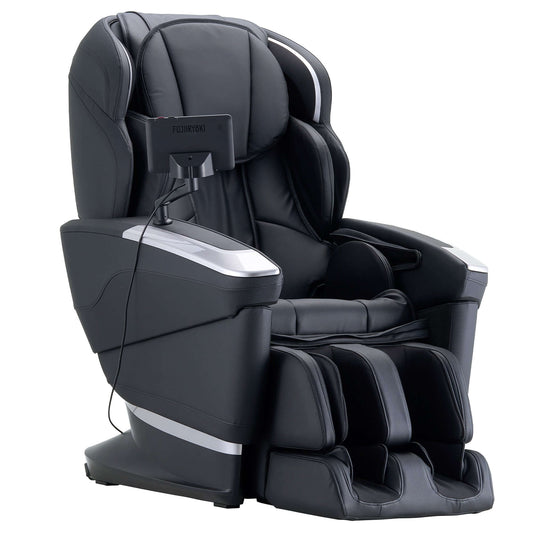
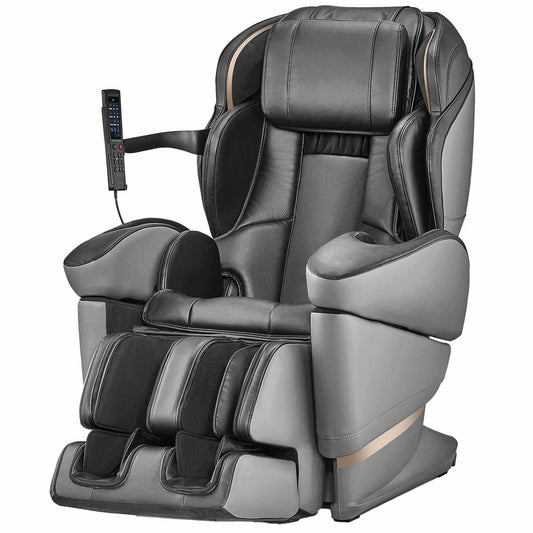
Fujiiryoki massage chairs are often cited among the best home massage solutions for people who want consistent shiatsu, reflexology, deep-tissue kneading and full-body recovery without scheduling appointments. In 2025, advances in roller mechanics, airbag systems and smart sensors make these chairs more effective and customizable than ever. This comprehensive guide explains how Fujiiryoki chairs work, which body parts and conditions they address, the massage techniques they reproduce, and how to choose and use a chair to maximize relief for the neck, back, feet and whole body.
Why Fujiiryoki Stands Out
- Japanese engineering focus on precise mechanical therapy and longevity.
- Comprehensive programs that blend shiatsu, reflexology, deep tissue, kneading and acupressure.
- Integration of heat, zero gravity, body-scan sensors and multi-zone airbags for whole-body coverage.
- User-friendly controls and customizable profiles for multiple family members.
How Fujiiryoki Massage Technology Recreates Hands-On Therapy
Modern Fujiiryoki chairs combine multiple systems to simulate human touch. Understanding these systems helps you pick the right model and use it effectively.
- L-track vs S-track roller rails
- S-track follows the natural curvature of the spine, focusing on the upper and mid-back and neck.
- L-track extends beyond the lower back to reach glutes and upper hamstrings, offering deeper lumbar and lower-body massage.
- Roller types and movements
- Kneading and circular rollers mimic finger and palm work to loosen muscle fibers.
- Deep-pressure rollers adjust intensity and can target trigger points and knots.
- Rolling and stretching movements provide spinal traction and mobility benefits.
- Airbag systems
- Multi-zone airbags compress shoulders, arms, waist, hips, calves and feet to perform acupressure and enhance circulation.
- Varying inflation patterns produce a pumping action that supports lymphatic flow and venous return.
- Foot rollers and reflexology nodes
- Precision rollers stimulate plantar zones, toes, heels and arches for reflexology and plantar fasciitis relief.
- Heat therapy
- Targeted lumbar and foot heat helps relax muscle tissue and increase local blood flow prior to deep work.
- Smart body scan and customization
- Body-scan features map the user height and spinal profile to align rollers accurately with the neck and lumbar spine.
- Custom programs store intensity and area preferences for different users.
Massage Techniques and How They Are Delivered
Fujiiryoki chairs reproduce a wide range of manual therapy techniques. Here is how each technique is typically implemented and when to use it.
- Shiatsu massage
- Delivered through deep pressing nodes and airbags that mimic finger pressure on meridian points to ease tension and promote relaxation.
- Best for stress relief, neck and shoulder tightness and general relaxation.
- Reflexology
- Stimulates plantar reflex zones via rotating and textured foot rollers to relieve foot pain and support whole-body balance.
- Ideal for heel pain, plantar fasciitis symptoms and postural fatigue.
- Deep tissue massage
- Higher-intensity rollers and focused kneading target knots and trigger points in the neck, upper back and lower back.
- Appropriate for chronic muscle tightness and post-exercise recovery when used in moderation.
- Kneading
- Rhythmic circular motions loosen muscle fibers, helping with mobility and stiffness.
- Common in lower intensity and recovery programs.
- Swedish-style strokes
- Long gliding movements that improve circulation and encourage deep relaxation.
- Useful as a soothing daily maintenance program.
- Trigger point and pinpoint pressure
- Localized pressure identifies and releases tight spots; often combined with short, strong pulses.
- Use cautiously and avoid excessive intensity if you have acute injury or bruising.
- Acupressure
- Airbags and rollers compress and hold on traditional acupressure sites to help modulate pain and energy flow.
Targeted Body Parts and Recommended Programs
Below are practical program suggestions and the expected benefits when using a Fujiiryoki chair for specific body parts.
- Neck
- Recommended features: adjustable neck rollers, focused shiatsu, gentle stretching and low- to mid-intensity deep tissue.
- Program tips: start with 10 minutes of mild kneading then progress to focused shiatsu to release cervical knots.
- Benefits: reduced neck stiffness, fewer tension headaches and improved mobility.
- Shoulder
- Recommended features: shoulder airbags, trapezius-focused kneading, heat therapy for upper back.
- Program tips: use alternating compression and kneading; end with warm, gentle strokes.
- Benefits: relief from rounded-shoulder tension, improved posture and reduced trapezius pain.
- Back and Spine
- Recommended features: L-track for lower back reach, adjustable intensity rollers, spinal stretch or traction programs.
- Program tips: combine heat with long rolling motions; use zero-gravity recline to offload spinal pressure during treatment.
- Benefits: decreased lumbar tension, improved spine alignment awareness and lower back pain reduction.
- Feet and Heel
- Recommended features: multi-speed foot rollers, textured nodes, targeted heel nodes and air compression for toes and ankles.
- Program tips: 8 to 15 minute foot-only sessions after standing work or exercise; pair with calf compression for venous return.
- Benefits: reduced plantar tension, heel pain relief and improved foot circulation.
- Calf, Ankle and Thigh
- Recommended features: calf airbags, vibration and full-leg compression programs.
- Program tips: use pulsing compression to mimic manual pumping and to reduce post-exercise leg fatigue.
- Benefits: improved circulation, reduced swelling and faster recovery from exertion.
- Knee and Joints
- Recommended features: gentle air compression and warmth around the knee area; avoid aggressive rollers near fragile joints.
- Program tips: use low intensity and short sessions if you have arthritis or joint repair; consult your clinician first.
- Benefits: temporary stiffness relief and improved joint comfort when used cautiously.
- Hands and Wrist
- Recommended features: arm and hand airbags, grip compression and gentle motion to relieve wrist tension.
- Program tips: short restorative sessions after computer work or repetitive tasks can reduce hand fatigue.
- Benefits: decreased hand stiffness, improved circulation and reduced wrist strain.
- Whole Body Recovery
- Recommended features: full-program sequencing from neck to feet, zero-gravity recline, heat and alternating compression patterns.
- Program tips: schedule 20 to 30 minute recovery sessions post-workout or at the end of a stressful day; alternate high-intensity and gentle days.
- Benefits: holistic reduction in fatigue, improved sleep, and systemic improvements in circulation and tissue recovery.
Specific Use Protocols for Common Problems
Here are suggested step-by-step protocols you can try at home for common issues. Always adjust intensity and duration to your comfort level.
- Chronic neck stiffness
- Body scan and position yourself so neck rollers align properly.
- Begin with 5 minutes of low-heat and gentle kneading to warm muscle tissue.
- Switch to shiatsu nodes with moderate pressure for 10 minutes focusing on the cervical area.
- Finish with 3 to 5 minutes of gentle Swedish-style gliding to calm sensitivity.
- Lower back tightness and lumbar pain
- Use zero-gravity recline to reduce lumbar load and initiate heat for 3 to 5 minutes.
- Run an L-track deep-tissue program for 12 to 15 minutes, paying attention to pain signals.
- End with a gentle spinal stretch program and a few minutes of light airbag compression to relieve residual tension.
- Plantar fasciitis or heel pain
- Target foot rollers with textured nodes and heel-specific pressure for 8 to 12 minutes.
- Include calf compression for 3 to 5 minutes to improve ankle and heel circulation.
- Complement sessions with calf and plantar stretching and supportive footwear advice.
- Post-workout leg recovery
- Begin with low-intensity foot and calf compression to enhance venous return.
- Run alternating kneading and vibration for the thighs and calves for 10 to 15 minutes.
- Finish with full-leg gentle compression and a hydration break to support recovery.
Choosing the Right Fujiiryoki Model: Buyer Guide
Fujiiryoki chairs vary in feature sets, so consider these factors when deciding.
- Intensity and adjustability
- Look for adjustable intensity levels to safely move between relaxation and deep-tissue therapy.
- Roller track length
- Choose L-track if low-back and gluteal relief is a priority; S-track fits users focused on spinal curvature comfort.
- Foot and calf capability
- Effective foot rollers and multi-zone calf airbags are essential for reflexology and venous benefits.
- Heat and medical features
- Heated lumbar zones and optional heat for feet increase therapeutic value for stiff muscles.
- Size and fit
- Confirm height compatibility and seat width; body-scan systems help but proper fit ensures rollers hit target points effectively.
- Warranty and service
- Longer warranty and local service options are important for longevity and peace of mind.
- Budget tiers
- Entry-level models provide basic shiatsu and rollers for everyday relaxation.
- Mid-range units add enhanced foot rollers, more airbags and heat functions.
- Premium models include full L-track, advanced body scans, high-intensity deep-tissue programs, zero-gravity and extended customization.
Maintenance, Installation and Longevity Tips
- Placement: allow a few inches of clearance behind the chair if it has a slide-forward space-saving feature; otherwise measure room space for full recline.
- Power and setup: use the dedicated outlet and follow manufacturer setup to avoid voiding warranty.
- Regular cleaning: wipe exterior surfaces with a soft, damp cloth and avoid harsh cleaners that could damage upholstery.
- Periodic checks: inspect rollers and airbags for wear; replace parts through authorized service channels only.
- Usage patterns: alternate program intensity and durations to prevent overuse of the same tissues; allow recovery between heavy sessions.
Safety, Contraindications and When to Consult a Professional
Massage chairs are generally safe for most people, but some conditions require caution or medical clearance.
- Consult before use if you have recent fractures, active cancer, deep vein thrombosis, severe osteoporosis or uncontrolled cardiovascular disease.
- Avoid deep-tissue programs over areas of acute inflammation, open wounds or post-surgical sites unless cleared by a clinician.
- Pregnancy: many users benefit from gentle programs, but always consult an obstetric provider for guidance and avoid strong abdominal compression.
- Neuropathy and sensory loss: reduce intensity and time since diminished sensation can mask excessive pressure.
Cost Considerations and Value Over Time
While upfront costs vary across models, consider these long-term value points:
- Reduced therapy visits: daily or frequent at-home sessions can decrease spending on massage appointments.
- Longevity and warranty: a robust warranty and durable build make premium chairs a long-term investment.
- Health dividends: improved sleep, reduced pain medication reliance and enhanced recovery can provide indirect savings.
Realistic Expectations and Results Timeline
Massage chairs are powerful tools but are not instant cures. Expect the following pattern:
- Immediate effects: relaxation, reduced muscle tension and a sense of relief after the first 1 to 3 sessions.
- Short-term benefits: decreased soreness and improved sleep within 1 to 2 weeks of regular use.
- Long-term outcomes: measurable improvements in chronic stiffness, posture and recovery when used consistently over months combined with stretching and exercise.
SEO Tips for Buyers and Retailers
If you are creating content about Fujiiryoki massage chairs or optimizing a product page, consider these SEO best practices for 2025:
- Use long-tail keywords naturally such as Fujiiryoki shiatsu massage chair, Fujiiryoki reflexology foot rollers, Fujiiryoki L-track deep tissue and Fujiiryoki recovery chair for athletes.
- Include targeted body parts and techniques in headings and meta content for high relevancy, for example neck massage, plantar fasciitis relief and spinal alignment.
- Write detailed product specification sections and user guides to capture informational search intent.
- Optimize images with descriptive alt tags like fujiiryoki-foot-rollers and fujiiryoki-zero-gravity-lumbar.
- Publish long-form articles, FAQs and how-to videos to increase dwell time and answer common queries about benefits, safety and usage.
- Leverage schema markup for product, FAQ and review rich results to enhance SERP visibility.
Expanded Frequently Asked Questions
Here are extended answers to common buyer and user questions.
- Q: How long should a typical session be?
A: Beginners should aim for 10 to 15 minutes. Most users comfortable with intensity move to 20 to 30 minute sessions. Avoid repeated high-intensity sessions on consecutive days; alternate with gentler programs.
- Q: Can Fujiiryoki chairs help with plantar fasciitis?
A: Many users experience relief from consistent foot roller and calf compression sessions. Combine chair use with stretching, night splints and proper footwear. Severe or persistent plantar pain should be evaluated clinically.
- Q: Will a chair correct spinal alignment?
A: Chairs support spinal comfort and can reduce muscular imbalances that contribute to poor posture. They do not replace professional chiropractic or orthopedic interventions for structural spinal issues, but they support muscular balance and spinal mobility.
- Q: Are massage chairs noisy?
A: Noise levels vary by model. Premium models are engineered for quieter motor operation and smoother airbags. If quiet operation matters, test chairs in person or review noise levels in product specs.
- Q: How do I pick the right intensity if I have chronic pain?
A: Start at low intensity and short durations. Track your response and gradually increase intensity. If pain escalates or new symptoms appear, stop and consult a healthcare professional.
User Scenarios and Typical Routines
Here are practical routines based on lifestyles.
- Desk worker
- Daily 10 to 20 minute neck and upper back recovery sessions midday to combat posture-related stiffness.
- Athlete or active user
- Post-workout 20 minute recovery focusing on calves, thighs and lower back; alternate deep-tissue days with light recovery days.
- Older adult managing stiffness
- Gentle 10 to 15 minute full-body programs with focus on heat and mild compression for joint comfort and circulation support.
Making the Most of Your Investment
To maximize therapeutic benefit and ensure satisfaction:
- Take advantage of trial periods and in-home demos when available.
- Register your product to activate extended warranty coverage where offered.
- Create user profiles and document preferred settings for each family member to quickly access tailored therapy sessions.
- Pair chair usage with mobility work, strength training and sleep hygiene to amplify results.
Conclusion
Fujiiryoki massage chairs combine decades of design experience with contemporary advances in rollers, airbags and smart controls to provide effective shiatsu, reflexology and deep-tissue relief for the neck, back, feet and whole-body recovery. Whether your priorities are plantar relief, lumbar decompression, post-exercise recovery or daily stress management, selecting the right model and using it safely and consistently can produce meaningful improvements in circulation, pain, flexibility and overall well-being.
Suggested Meta Title and Description for SEO
Meta title suggestion: Fujiiryoki Massage Chairs | Shiatsu, Reflexology, Deep Tissue for Neck, Back & Feet
Meta description suggestion: Discover how Fujiiryoki massage chairs deliver shiatsu, reflexology and deep-tissue relief for neck, back, feet and whole-body recovery. Tips for choosing models, programs, safety and maintenance.
Final Notes and Safety Reminder
This article provides general guidance about the features, benefits and safe use of Fujiiryoki massage chairs. It is not a substitute for professional medical advice. If you have medical conditions, recent surgeries or severe pain, consult your physician or physical therapist before starting any new massage therapy regimen.
Tags:
Previous
From Ankles to Scalp: How Fujiiryoki Massage Chairs Blend Shiatsu, Deep‑Tissue & Reflexology to Boost Circulation, Reduce Pain, and Speed Muscle Recovery
Next
From Ankles to Scalp: How Fujiiryoki Massage Chairs Blend Shiatsu, Deep‑Tissue & Reflexology to Boost Circulation, Reduce Pain, and Speed Muscle Recovery