
Fujiiryoki Massage Chair Owner's Guide: Best Programs (Shiatsu, Deep Tissue & Reflexology) to Target Ankles, Feet, Neck, Shoulders and Whole-Body Pain, Boost Circulation & Speed Recovery
Introduction: Why This Expanded Guide Matters
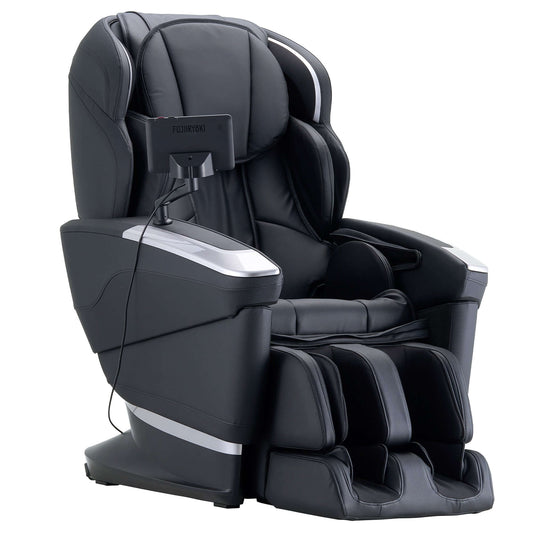
Fujiiryoki massage chairs are top-tier devices for home recovery, therapeutic relief, and daily stress management. This extended owner�s guide dives deeper into program selection, technique application, body-part targeting, recovery programming, safety, and maintenance so you can extract maximum therapeutic value from your chair. Whether your goals are improved circulation, injury recovery, pain relief, or general relaxation, this guide maps concrete programs and step-by-step routines for ankles, feet, calves, knees, legs, knees, thighs, back, neck, shoulders, head, hands, and wrists.
About Fujiiryoki: Technology and Why It Helps
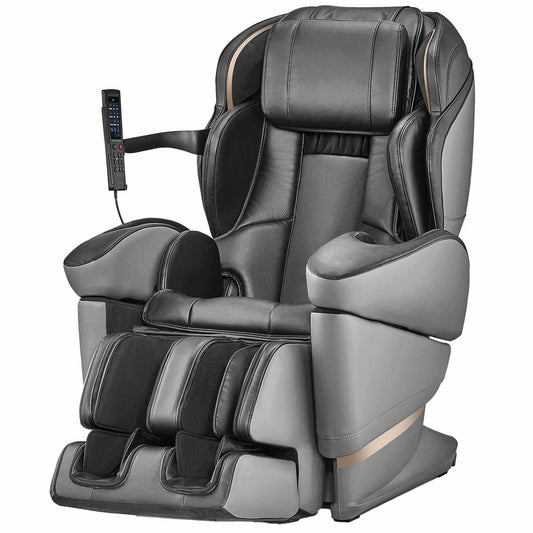
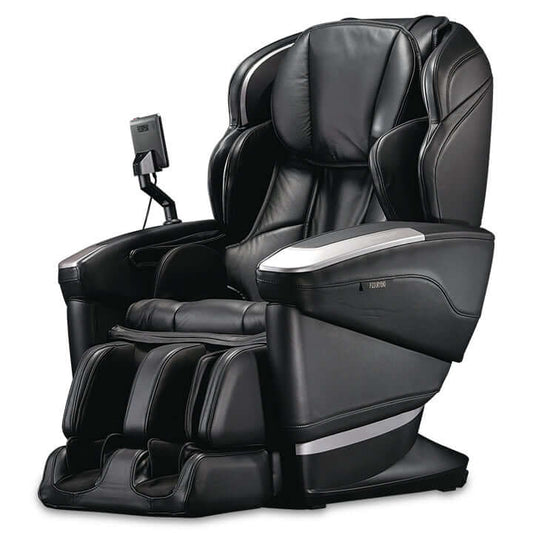
Fujiiryoki combines decades of Japanese massage expertise with mechanical engineering to deliver precise roller and air-based therapy. Key technologies to understand:
- S-Track and L-Track roller systems: S-Track follows the natural curvature of the spine for focused spinal and lumbar work. L-Track extends under the glutes and hamstrings for whole lower-body reach.
- Roller styles: 3D/4D rollers emulate finger pressure using adjustable speed and depth controls. Deeper reach helps with deep tissue and trigger point release.
- Airbag compression: Multi-zone air cells compress limbs and shoulders to replicate acupressure, improve venous return, and mobilize tissue without aggressive roller contact.
- Heat therapy: Infrared or heated pads in the lumbar and calf zones increase blood flow, loosen tissue, and reduce stiffness.
- Zero gravity and recline positions: Reduces spinal load and allows deeper, safer massage intensity on the back and neck.
- Sensors and body scanning: Adjust roller position and intensity to user height and body shape for consistent targeting.
How Massage from a Chair Produces Therapeutic Benefit
- Circulation: Long strokes and rhythmic kneading increase arterial inflow and venous return, speeding nutrient delivery and waste removal.
- Neuromuscular modulation: Pressure on trigger points and meridians reduces local pain signals and relaxes the central nervous system.
- Fascial release: Rolling and kneading can reduce adhesions in connective tissue that limit mobility and cause referred pain.
- Inflammation control: Intermittent compression and appropriate use of heat can assist lymphatic drainage and reduce swelling.
- Range of motion: Regular kneading and stretching features can improve joint flexibility and muscle length.
Core Massage Techniques Explained in Context
- Shiatsu: Pressure point simulation using rollers and airbags. Best for releasing tight meridians and chronic neck and shoulder tension.
- Deep Tissue: Slow and high-pressure roller work to break down adhesions and long-standing muscle knots. Use cautiously and build tolerance.
- Reflexology: Foot rollers and targeted air compression stimulate plantar points connected to systemic relaxation and improved circulation.
- Swedish Massage: Long, flowing strokes for relaxation and blood flow. Ideal for pre-recovery warm-up cycles.
- Kneading: Rhythmic squeezing that improves tissue pliability and reduces muscle tone.
- Trigger Point: Focused compression at painful nodules to release referred pain patterns.
- Acupressure: Sustained pressure patterns applied by airbags or rollers to promote healing and circulation.
How to Think About Intensity, Duration and Frequency
- Intensity: Start on low and increase gradually. For deep tissue or trigger point work keep sessions shorter at first to avoid post-massage soreness.
- Duration: Typical therapeutic sessions run 10 to 30 minutes. For acute soreness or targeted work, 8 to 12 minutes per focus area is effective.
- Frequency: Daily short sessions (10 to 20 minutes) are often better than infrequent long sessions for circulation and chronic pain management.
- Progression: Increase intensity, program complexity, or duration only after several comfortable sessions at the current level.
Targeted Protocols: Best Programs, Settings, and Tips by Body Part
Feet, Heels, Ankles
- Common complaints: Plantar fasciitis, heel spurs, swollen ankles, poor venous return.
- Best Fujiiryoki programs: Reflexology, Foot Care, or a custom sequence using rollers with alternating air compression.
- Techniques: Reflexology rollers, acupressure, mild kneading of plantar fascia, intermittent air compression around the ankles.
- Settings: Low to medium intensity rollers; 10 to 20 minutes. Use heat sparingly and only for chronic stiffness, not acute inflammation.
- Tips: For plantar fasciitis, begin with 8 to 10 minutes of gentle foot reflexology, then add calf compression to reduce Achilles tension. Wear no socks for direct stimulation. After the session, perform gentle towel stretches for the plantar fascia and calf.
Calves, Knees, Legs and Thighs
- Common complaints: Muscle tightness, lactic buildup, swelling, patellar discomfort.
- Best programs: Lower Body, Sports Recovery, or custom manual sequences that blend deep kneading and air compression.
- Techniques: Deep tissue for muscle belly, Swedish strokes for circulation, intermittent compression for lymphatic drainage.
- Settings: Medium intensity rollers and strong but comfortable air compression. 15 to 25 minutes depending on sensitivity. Alternate deep and light cycles to prevent soreness.
- Tips: For post-workout recovery, use Swedish strokes first to warm tissue, then deep tissue for adhesions, and finish with compression and stretching. Avoid aggressive massage on acutely swollen joints; seek medical advice for unexplained knee swelling.
Knees
- Common complaints: Post-exercise soreness, patellar tracking pain, osteoarthritic stiffness.
- Best programs: Lower Body with focus on surrounding muscle groups rather than direct force on the knee joint.
- Techniques: Gentle kneading of quadriceps and hamstrings, light air compression around the knee to reduce swelling.
- Settings: Low to medium intensity; 10 to 15 minutes. Avoid deep rollers directly on the patella or sensitive joint structures.
- Tips: Complement chair sessions with quad and hamstring stretching, eccentric strengthening, and balance work for long-term knee health.
Lower Back and Lumbar Spine
- Common complaints: Lower back pain, lumbar stiffness, sciatica-like symptoms from muscular tension.
- Best programs: Full Body, Lumbar Focus, or manual shiatsu focused on lumbar and gluteal areas.
- Techniques: Shiatsu for spinal alignment, deep tissue for tight erector spinae, heat to reduce stiffness.
- Settings: 15 to 30 minutes with heat. Moderate to deep intensity for chronic tension; lower intensity for acute pain.
- Tips: Use spot mode on the lower back and glutes. If sciatica is nerve-related, avoid aggressive deep tissue over the nerve path; instead focus on glute release and hamstring lengthening. Combine with hip mobility exercises.
Mid Back and Thoracic Region
- Common complaints: Upper thoracic stiffness from hunched posture, rib cage mobility loss.
- Best programs: Spinal stretch or mid-back shiatsu programs that include long-stroke Swedish movements.
- Techniques: Long strokes to restore mobility, kneading to break muscle tension along the scapula and thoracic erector muscles.
- Settings: 10 to 20 minutes with medium intensity. Use a reclined position to access the thoracic curve effectively.
- Tips: Combine with posture exercises like scapular retraction and thoracic extension stretches.
Neck, Shoulders and Head
- Common complaints: Tension headaches, trapezius knots, cervical stiffness, forward head posture.
- Best programs: Neck & Shoulder Shiatsu, Cervical Traction simulation programs, or a manual spot rhythm for the upper trapezius and levator scapulae.
- Techniques: Shiatsu and trigger point compression, light to moderate kneading, and rotational stretches where the chair supports safe neck movement.
- Settings: Shorter, targeted sessions 8 to 15 minutes. Lower intensity on the cervical region and avoid aggressive rotation or extension beyond comfort.
- Tips: Use seat recline and pillow support to prevent overextension. For tension headaches, employ short frequent sessions rather than a single prolonged deep session. If you have cervical spine pathology, consult your provider before using high-intensity neck rollers.
Upper Body and Shoulders
- Common complaints: IT band around shoulder? Shoulder impingement from rotator cuff imbalance and forward-shoulder posture.
- Best programs: Shoulder-specific shiatsu and airbag shoulder compression sequences combined with upper back work.
- Techniques: Shiatsu for trapezius, kneading for posterior shoulder girdle, air compression for deltoid and scapular unloading.
- Settings: Medium intensity for 10 to 20 minutes. Avoid deep pressure directly over recent shoulder surgery scars or inflamed joints.
- Tips: Pair with rotator cuff strengthening and mobility exercises. Use the chair to reduce protective guarding before rehab exercises.
Head, Face and Scalp Considerations
- Common complaints: Tension headaches and scalp muscle tightness.
- Best programs: Gentle neck and head shiatsu with light compression and vibration if available.
- Techniques: Light kneading around the base of the skull, upper trapezius release, and slow rhythmic shiatsu for the occipital area.
- Settings: Low intensity and short duration, 5 to 10 minutes. If you experience dizziness, stop and reassess position.
Hands and Wrists
- Common complaints: Carpal tunnel symptoms, repetitive strain, grip fatigue.
- Best programs: Hand Care, manual spot with targeted air compression, and gentle kneading.
- Techniques: Light acupressure, sequential compression to encourage fluid movement, and fingertip rollers if available.
- Settings: Low intensity for 8 to 12 minutes. Avoid deep pressure over recent injuries or numb areas.
- Tips: Combine with nerve gliding exercises and ergonomic adjustments at work.
Whole-Body Recovery and Pain Management
- Program strategy: Start with a Swedish warm-up, move to deep tissue on problem areas, finish with reflexology and compression to flush tissues.
- Duration guideline: 20 to 40 minutes for a comprehensive session, depending on tolerance.
- Benefits: Improved systemic circulation, reduced sympathetic tone, enhanced tissue repair and mental relaxation.
Sample Custom Sessions: Step-by-Step Routines
- Daily Relaxation Routine - 20 minutes
- Phase 1: 5 minutes Swedish full-body warm-up at low intensity
- Phase 2: 8 minutes neck and shoulder shiatsu at medium intensity
- Phase 3: 5 minutes foot reflexology with mild air compression
- Phase 4: 2 minutes gentle full-body kneading and heat off to finish
- Athlete Post-Training Recovery - 30 minutes
- Phase 1: 8 minutes Swedish strokes to increase blood flow
- Phase 2: 10 minutes deep tissue on calves, quads and hamstrings in medium intensity cycles
- Phase 3: 7 minutes lower limb compression and foot reflexology
- Phase 4: 5 minutes light spinal shiatsu and lumbar heat
- Chronic Neck and Shoulder Pain Protocol - 18 minutes
- Phase 1: 5 minutes gentle neck traction and low-intensity shiatsu
- Phase 2: 8 minutes targeted trigger point work on trapezius and levator scapulae at low to medium intensity
- Phase 3: 5 minutes relaxation to down-regulate the nervous system
- Plantar Fasciitis Focus - 15 minutes
- Phase 1: 3 minutes warm Swedish foot strokes
- Phase 2: 8 minutes reflexology with moderate plantar roller intensity
- Phase 3: 4 minutes calf compression and gentle stretching off the chair
Spot Mode and Manual Customization: Best Practices
- Use spot mode to target persistent knots rather than applying full-session deep tissue which can provoke soreness.
- Adjust roller width for neck precision and widen for large back muscles to avoid concentrated pressure on bony prominences.
- Alternate intensity cycles: 2 minutes higher intensity then 1 minute lighter; this flushes and soothes tissues effectively.
- Use body scanning features for accurate roller alignment and save custom programs if your model allows it.
Heat, Zero Gravity and Air Compression: When to Use Each
- Heat: Best for chronic stiffness and to increase tissue extensibility before deep tissue work. Avoid heat on acute inflammation or open wounds.
- Zero gravity: Reduces spinal load and improves comfort for deeper rollers to act without gravitational resistance.
- Air compression: Excellent for edema, venous insufficiency support, and gentle myofascial stimulation on limbs and shoulders.
Contraindications, Red Flags, and When to See a Doctor
- Avoid using the chair or consult a physician for: suspected or diagnosed deep vein thrombosis, active infections, recent fractures or surgeries, severe osteoporosis, uncontrolled cardiovascular disease, severe neuropathy with sensory loss, or pregnancy without approval.
- Stop immediately and get medical attention for: sudden chest pain, severe swelling, sudden numbness, difficulty breathing, sharp neurological symptoms after a session, or significant worsening of pain.
- Special populations: elderly users with fragile skin or joint instability should use lower intensity and shorter sessions. Children require adult supervision and pediatrician approval for therapeutic use.
Maintenance, Cleaning, and Simple Troubleshooting
- Daily care: Wipe surfaces with a damp cloth and mild cleaner safe for synthetic leather. Avoid harsh solvents.
- Weekly checks: Inspect air hoses and visible connectors for tears or loose fittings. Test airbags for even inflation.
- Monthly checks: Run a full program and listen for unusual motor sounds. Ensure rollers move smoothly in all zones.
- Service tips: Follow the manufacturer schedule for professional servicing to inspect motors, belts, and internal electronics. Keep documentation of repairs.
- Troubleshooting: If rollers feel stuck, stop use and reset the chair. Check for obstructions and consult the manual or support line before disassembling any parts.
Tracking Results and Building a Personal Protocol
- Keep a log: Record program, intensity, duration, and perceived outcomes after each session for several weeks to identify patterns.
- Measure progress: Track pain scores, range of motion, swelling, and sleep quality as objective markers of improvement.
- Adjust protocols: Increase intensity gradually only after positive adaptation. If pain increases, reduce stimulus and re-evaluate technique choice.
Sample 4-Week Plans for Common Goals
- Office Worker Neck and Shoulder Relief
- Weeks 1-2: 10 minutes daily neck and shoulder shiatsu, 5 minutes foot reflexology. Focus on posture breaks and ergonomic desk setup.
- Weeks 3-4: Increase to 15 minutes, include targeted trigger point work and add nightly stretching routines.
- Athletic Recovery and Performance
- Weeks 1-2: Post-training 20-minute recovery sessions focusing on warm-up Swedish strokes and lower limb compression, every other day.
- Weeks 3-4: Add targeted deep tissue sessions for stubborn tightness and include pre-event light warm-up sessions.
- Chronic Lower Back Management
- Weeks 1-2: 15-minute lumbar heat and shiatsu daily, focusing on pain control and posture correction.
- Weeks 3-4: Add gluteal and hamstring work, increase session duration to 20-25 minutes if tolerated.
Frequently Asked Questions - Expanded
- How often can I use the chair? Most owners find daily short sessions are beneficial. Avoid exceeding manufacturer recommended daily time and intensity limits.
- Will I feel sore after deep tissue sessions? Mild soreness is possible. Reduce intensity or duration if soreness persists beyond 48 hours.
- Can massage chairs help with swelling? Intermittent air compression and lymphatic-focused programs can help reduce minor swelling, but medical causes of edema need clinical management.
- Do Fujiiryoki chairs require professional calibration? Periodic professional servicing ensures optimal roller alignment and motor health, especially after heavy use.
SEO Tips for Fujiiryoki Owners and Bloggers
- Primary keywords: Fujiiryoki massage chair, Fujiiryoki programs, shiatsu massage chair, reflexology chair, deep tissue massage chair, foot reflexology, lower back massage chair.
- Long-tail keywords: Fujiiryoki best program for plantar fasciitis, how to relieve neck pain with Fujiiryoki, Fujiiryoki recovery routine for athletes.
- Meta description example: Detailed Fujiiryoki owners guide with best programs for shiatsu, deep tissue and reflexology to target ankles, feet, neck, shoulders and whole-body pain while boosting circulation and speeding recovery.
- Content strategy: Create practical how-to posts, troubleshooting, model-specific program walkthroughs, video demonstrations of custom routines, and user case studies to capture long-tail search queries.
When to Combine Chair Therapy with Other Modalities
- Physical therapy: Use chair sessions to reduce muscle guarding before targeted PT interventions.
- Active recovery: Chair massage plus light mobility work and targeted strengthening produces sustained changes in pain and function.
- Manual therapy or chiropractic care: Chair sessions can maintain gains between appointments but communicate with your provider to coordinate intensity and techniques.
Conclusion: Build a Sustainable, Effective Routine
Fujiiryoki massage chairs are powerful tools for recovery, circulation, and pain management when used thoughtfully. This expanded guide equips you with targeted programs, sample routines, safety guidelines, maintenance tips, and SEO strategies for owners who want to maximize value. Start conservatively, track your outcomes, and iterate your protocols. If you have complex medical conditions, coordinate with a healthcare professional before intensifying therapy. With consistency and smart customization, your Fujiiryoki can deliver measurable relief for ankles, feet, calves, knees, legs, thighs, back, neck, shoulders, hands, wrists and whole-body recovery.
Next Steps
- Create a 2-week log of current symptoms and preferred chair programs to detect trends.
- Try the sample routines that match your goals and adjust intensity based on comfort.
- Schedule routine maintenance and register your product for warranty protection.
- Consider content creation if you run a site: document your experiences and outcomes to help other Fujiiryoki owners and improve SEO visibility.
Tags:
Previous
Body-Part Precision with Fujiiryoki: Shiatsu, Reflexology & Deep Tissue Strategies for Ankles, Neck, Back & Full-Body Recovery
Next
Fujiiryoki Massage Chair Protocols: Targeted Shiatsu, Reflexology & Deep-Tissue Programs for Ankles, Feet, Neck and Back to Boost Circulation, Flexibility & Pain Relief