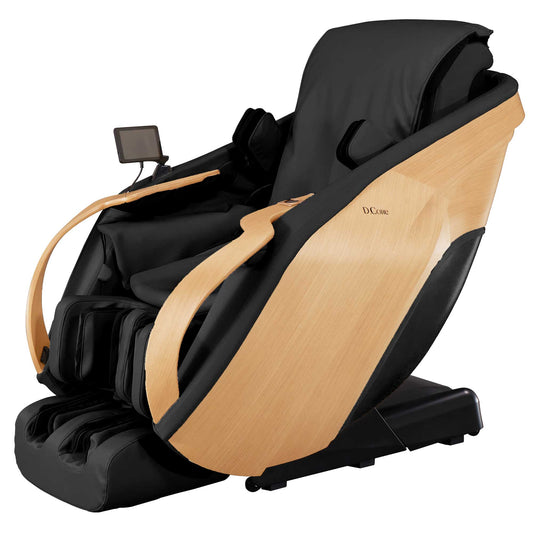
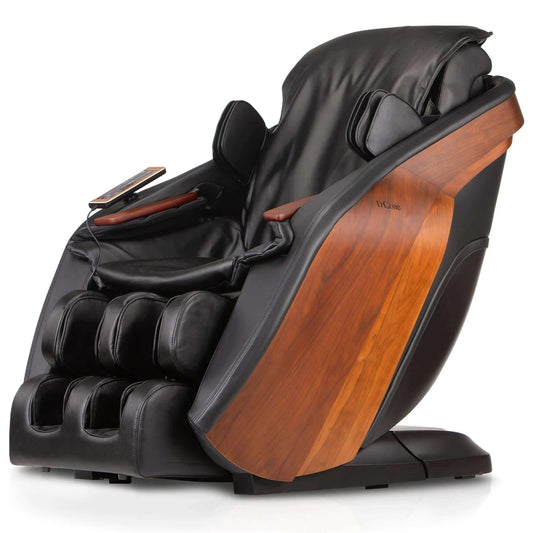
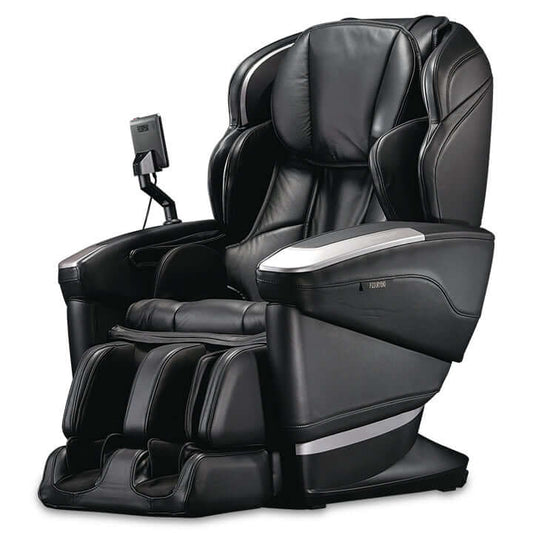

Fujiiryoki Massage Chairs for Clinic-Grade Recovery: Shiatsu, Trigger Point & Reflexology Targeting Neck, Back, Feet to Boost Circulation, Reduce Pain & Improve Flexibility
Introduction: Clinic-Grade Recovery at Home and in Practice
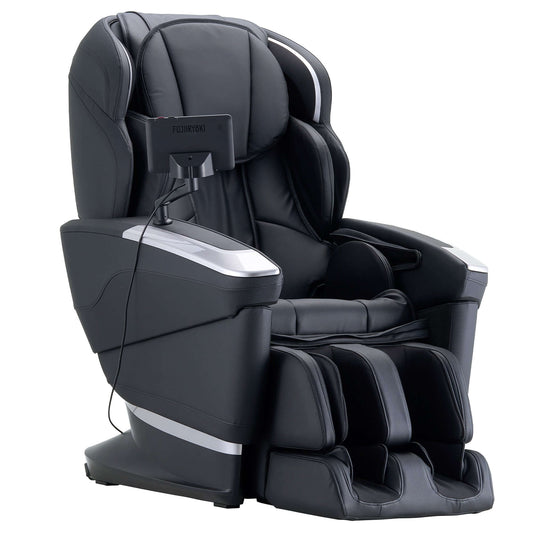
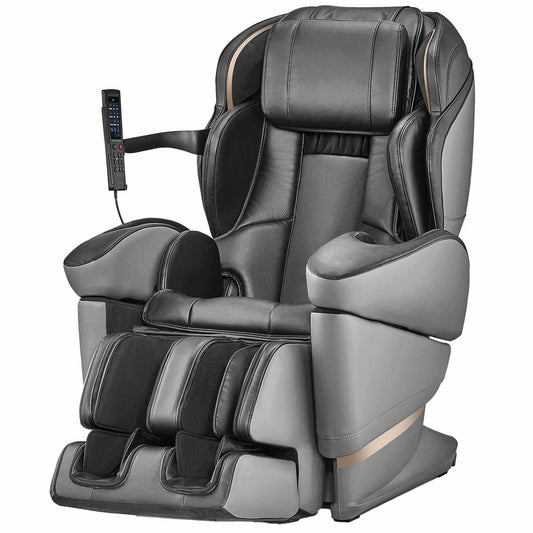
In 2025, Fujiiryoki remains a leader in therapeutic massage chairs that bring clinic-grade recovery into homes, athlete recovery rooms, and clinical settings. These chairs combine advanced shiatsu, trigger point, reflexology, and other manual techniques through precision mechanics, adaptive software, and targeted air compression to address neck, back, feet, and the whole body. This article is a comprehensive guide to how Fujiiryoki massage chairs work, what techniques and body parts they target, the measurable recovery benefits you can expect, and how to choose and use a chair effectively for sustained results.
What Makes a Fujiiryoki Chair 'Clinic-Grade'?
Not all massage chairs are created equal. Fujiiryoki models are engineered with features that distinguish them for therapeutic outcomes:
- Precision multi-axis rollers that mimic thumb, palm, and forearm movements.
- Adjustable intensity and depth control for progressive therapy from relaxation to deep tissue.
- Integrated foot reflexology rollers and heel nodes that target plantar and heel pain.
- Zone-specific airbags and compression for limbs, shoulders, and hips to simulate manual squeezing and release.
- Safe therapeutic heat for lumbar and hip regions to enhance tissue extensibility.
- Customizable programs and body scanning that adapt to user height and anatomy for pinpoint therapy.
Massage Modalities Integrated in Fujiiryoki Chairs
Fujiiryoki chairs combine several clinically recognized modalities. Understanding each helps you choose the right program and settings.
- Shiatsu: Rhythmic pressure applied along meridian lines and acupoints to release tension, improve circulation, and promote autonomic balance.
- Trigger Point Massage: Focused, pinpoint pressure to deactivate painful knots and reduce referred pain patterns.
- Reflexology: Foot sole rollers and nodes stimulate reflex zones associated with organ systems and nervous system modulation.
- Swedish Massage: Long gliding strokes and effleurage promote superficial circulation and relaxation.
- Deep Tissue & Kneading: Slow, deep compressions and circular motions reach deeper muscle layers to break adhesions.
- Acupressure: Sustained pressure on clinically relevant points to address pain, spasm, and energetic blockages.
- Compression Therapy: Airbags provide graduated squeezing and release for venous and lymphatic flow in arms and legs.
Targeted Body Parts and How Fujiiryoki Addresses Each
Fujiiryoki chairs are engineered to provide focused therapy across the entire body. Below is a body-part breakdown with the typical features and suggested settings or techniques to maximize results.
Neck and Head
- Mechanisms: Cervical rollers, gentle traction-like stretching, and controlled kneading.
- Techniques: Shiatsu for meridian balance; light deep-tissue for chronic tightness.
- Benefits: Reduced stiffness, improved cervical range of motion, decreased tension-type headaches when combined with posture correction.
- Usage tip: Begin at low intensity; 8-12 minutes in neck-focused programs after desk work is effective.
Shoulders and Upper Back
- Mechanisms: Multi-directional rollers, shoulder airbags, and kneading nodes.
- Techniques: Trigger point and kneading to release trapezius and rhomboid trigger points.
- Benefits: Reduced upper trapezius tension, improved scapular mobility, decreased referral pain into arms.
- Usage tip: Alternate deep kneading with Swedish strokes to promote circulation and reduce soreness.
Mid and Lower Back (Lumbar)
- Mechanisms: Adjustable lumbar rollers, heat zones, and partial traction/zero-gravity position options.
- Techniques: Deep tissue along paraspinals and lumbar fusion of heat to loosen tight musculature.
- Benefits: Reduced lumbar stiffness, improved spinal alignment support, decreased chronic low-back discomfort.
- Usage tip: Use heat before deeper rolling; 15–25 minute sessions in a reclined position often provide the best comfort and results.
Hips, Thighs, and Knees
- Mechanisms: Air compression for hips and thighs, localized kneading to gluteal muscles, and traction-like hip opening.
- Techniques: Compression and kneading to reduce myofascial tension; gentle mobilization to support knee mobility.
- Benefits: Reduced gluteal and IT band tightness, improved hip extension, support for knee flexibility recovery.
- Usage tip: Complement chair sessions with active mobility exercises prescribed by a clinician for best outcomes in joint recovery.
Calves, Ankles, Heels, and Feet
- Mechanisms: Foot rollers for plantar fascia, calf airbags, heel nodes for discolorative pressure, and ankle compression.
- Techniques: Reflexology to stimulate systemic response; direct heel and plantar node work to address plantar fasciitis symptoms.
- Benefits: Improved peripheral circulation, reduced plantar pain, and decreased post-activity soreness.
- Usage tip: Use foot-reflexology and calf programs after prolonged standing or workouts for improved recovery and reduced swelling.
Arms, Hands, and Wrists
- Mechanisms: Airbags that compress and release forearms and hands; targeted kneading for wrists.
- Techniques: Repetitive compression to increase blood flow and reduce stiffness from repetitive tasks.
- Benefits: Relief from repetitive strain, improved hand circulation, reduced stiffness in wrist flexors/extensors.
- Usage tip: Short, targeted programs (5–10 minutes) can relieve symptoms after intensive manual work or typing.
Recovery Benefits: What the Chair Can Help With
Used consistently and appropriately, Fujiiryoki chairs can support the following recovery and wellness goals:
- Blood Flow Control and Circulation: Roller patterns and compression cycles improve venous return and lymphatic flow.
- Fatigue Relief: Systemic relaxation reduces central fatigue and accelerates subjective recovery.
- Flexibility Improvement: Repeated mobilization, stretch-style positioning, and heat enhance tissue extensibility.
- Injury Recovery Support: Increased local circulation and soft-tissue mobilization can support healing when used as part of a clinician-guided plan.
- Muscle Therapy and Tissue Remodeling: Deep kneading and trigger point release help break down adhesions and scar tissue over time.
- Pain Relief: Trigger point deactivation and spinal decompression can reduce chronic and recurrent pain patterns.
- Spine Alignment Support: Lumbar rollers and postural positioning promote better spinal mechanics when combined with exercise.
- Stress Relief: Autonomic nervous system modulation via shiatsu and Swedish strokes supports sleep and recovery quality.
How Fujiiryoki Technologies Mimic Skilled Manual Therapy
These chairs replicate important components of skilled manual therapy:
- Depth and Speed Variation: Multiple roller speeds and depths replicate a therapist's alternating pressures.
- Directional Changes: Rollers that move both cranially and caudally reproduce hand techniques along the paraspinal muscles.
- Localized Pressure and Hold: Trigger point algorithms apply sustained pressure to a precise spot, similar to manual ischemic compression.
- Heat and Compression Synergy: Combining heat with mechanical work enhances tissue compliance and patient comfort.
- Adaptive Scanning: Body-scan routines allow chairs to adjust roller position to the user's unique spinal curvature and limb length.
Practical Recovery Protocols and Sample Programs
Below are example session protocols you can adopt or adapt. These are suggestions only—consult a clinician for personalized plans.
Post-Workout Recovery (20–30 minutes)
- Mode: Swedish + Gentle Kneading with calf compression and foot rollers.
- Intensity: Low to moderate—avoid very deep settings immediately after intense exercise to reduce soreness risk.
- Sequence: 5 minutes neck/upper back warm-up, 10–15 minutes full back and legs, finish with 5 minutes foot reflexology.
- Benefit: Accelerates metabolic waste clearance and reduces delayed onset muscle soreness (DOMS).
Desk Worker Neck & Upper Back Reset (10–15 minutes)
- Mode: Neck-focused shiatsu and shoulder airbags.
- Intensity: Low to moderate with short holds and repetitive kneading.
- Sequence: 10 minutes concentrating on cervical rollers and shoulder decompression.
- Benefit: Reduces forward-head tension and improves posture between work blocks.
Plantar Fasciitis/Heel Pain Protocol (15–20 minutes)
- Mode: Foot reflexology rollers with targeted heel nodes and moderate calf compression.
- Intensity: Moderate—use comfort as the guide.
- Sequence: 10 minutes focused foot work, 5–10 minutes calf compression to reduce distal swelling and improve venous return.
- Benefit: Regular sessions can reduce morning heel pain when combined with stretching and clinician-recommended loading protocols.
Chronic Low-Back Care (15–30 minutes)
- Mode: Lumbar rollers + heat + partial traction/zero-gravity positioning.
- Intensity: Start low and increase slightly over weeks as tolerance improves.
- Sequence: Begin with heat (5–8 minutes), followed by roller kneading and finishes with light traction-like hold to reduce spinal compression.
- Benefit: Reduces daily stiffness and can support core strengthening programs overseen by a clinician.
Integrating a Fujiiryoki Chair into Clinical Practice
Clinics and sports facilities often integrate massage chairs to increase capacity, provide adjunctive therapy, and offer consistent maintenance sessions. Consider these points if you plan to use Fujiiryoki in a professional setting:
- Workflow: Use the chair for pre- or post-treatment conditioning so therapists can focus on more complex manual techniques.
- Protocols: Develop standardized chair protocols aligned with clinician treatment goals and contraindications.
- Documentation: Track patient response and adjust chair settings as part of the treatment plan.
- Return on Investment: Chairs can generate client add-on revenue and improve treatment throughput—factor warranty and service in ROI calculations.
- Hygiene and Turnover: Use washable covers or barriers and follow cleaning protocols between clients.
Buying Guide: Choosing the Right Fujiiryoki Model
Key features to compare when shopping:
- Roller Technology: Look for multi-axis rollers, L-track vs S-track, and intensity range.
- Foot Therapy: Full reflexology rollers and heel nodes enhance lower-limb treatment.
- Air Compression: Number and placement of airbags determine limb coverage quality.
- Heat Zones: Targeted lumbar and hip heat are valuable for therapeutic use.
- Customization: Ability to save user profiles and program memory for repeatable clinical sessions.
- Size and Fit: Confirm height range and seat dimensions for patient populations you serve.
- Warranty & Support: Longer warranties and local service networks are critical for clinical environments.
Maintenance, Hygiene, and Longevity
- Daily Cleaning: Wipe contact surfaces with manufacturer-approved disinfectant between users.
- Inspect Airbags and Rollers: Check for wear or damage regularly and replace parts per schedule.
- Firmware Updates: Keep software current for new programs and safety features.
- Preventive Service Plans: Consider annual technician checks in clinics to maintain performance and warranty.
Safety, Contraindications, and Best Practices
Massage chairs are powerful therapeutic tools but are not suitable for everyone. Follow these safety guidelines:
- Consultation: Ask clients/patients to consult their healthcare provider before using the chair if they have recent fractures, deep vein thrombosis, active infections, severe osteoporosis, uncontrolled hypertension, recent surgery, or pregnancy.
- Acute Injury: Avoid deep settings over acute inflammation or the immediate post-operative period unless cleared by a clinician.
- Sensitivity: Start with lower intensities for elderly or frail users, and increase gradually.
- Duration: Excessive sessions can provoke soreness—follow recommended session lengths (generally 10–30 minutes) tailored to individual tolerance.
Comprehensive FAQ
- Q: How soon will I see results? A: Many users report immediate reductions in muscle tension and subjective pain. Longer-term improvements in flexibility and chronic pain typically emerge with consistent use over weeks when combined with exercise and clinician guidance.
- Q: Can Fujiiryoki chairs help athletes recover faster? A: Yes—by promoting circulation, reducing muscle tension, and facilitating waste clearance, chairs can be an effective component of an athlete's recovery toolkit when timed appropriately post-training.
- Q: Are these chairs good for seniors? A: Many seniors benefit from circulation and mobility gains from gentle programs, but settings should be conservative and clinicians consulted for comorbid conditions.
- Q: Can they replace a massage therapist? A: They can provide consistent, clinic-grade maintenance and simulate many manual techniques, but they do not replace the diagnostic skills and manual dexterity of a trained therapist when complex or evolving conditions are present.
- Q: How often should I use the chair? A: Typical regimens include 10–30 minutes daily or every other day depending on goals and tolerance. For acute issues, consult a clinician first.
- Q: Do insurance plans cover these chairs? A: Coverage varies and is rare for consumer purchases. Clinics may be able to incorporate chair sessions into billed treatment plans depending on local regulations; check with payers and regulators in your region.
Real-World Case Examples (Illustrative)
These hypothetical cases illustrate how Fujiiryoki chairs can be applied in recovery scenarios:
- Office Worker with Chronic Neck Tension: Daily 10-minute neck-focused shiatsu programs combined with postural exercises reduced reported neck stiffness and morning headaches over 6 weeks.
- Runner with Plantar Discomfort: Alternating foot reflexology sessions and calf compression after runs improved morning heel pain when paired with eccentric loading exercises and clinician oversight.
- Physical Therapy Clinic: Using chairs for patient preconditioning reduced time needed on manual release techniques and allowed therapists to allocate more targeted one-on-one time for complex cases.
SEO Tips for Finding and Evaluating Fujiiryoki Models in 2025
To ensure you find the best Fujiiryoki chair for clinic-grade recovery, search and evaluate using these targeted queries and criteria:
- Use keyword phrases like 'Fujiiryoki shiatsu chair clinical', 'Fujiiryoki reflexology for plantar fasciitis', and 'clinic-grade massage chair lumbar traction'.
- Look for hands-on demo opportunities and verify settings in person—photos and specs can't convey fit or subjective comfort fully.
- Check model-specific reviews from clinicians and athletes describing long-term durability and therapeutic outcomes.
- Compare service networks and warranty terms to ensure clinical reliability and minimal downtime.
Final Thoughts: Maximizing Recovery with Fujiiryoki
Fujiiryoki massage chairs blend sophisticated mechanics with therapeutic concepts to support circulation, pain relief, flexibility, and comprehensive soft-tissue recovery. When used thoughtfully—aligned with clinician guidance, progressive exercise, and sensible scheduling—they provide powerful adjunctive therapy for individuals and clinics alike. Prioritize the model features that match your recovery goals (lumbar rollers, foot reflexology, air compression, heat), use conservative settings initially, and integrate chair sessions into a broader, evidence-informed recovery plan.
Next Steps
- Schedule a demonstration at an authorized dealer to test neck, lumbar, and foot programs with your body type.
- Consult a healthcare professional to tailor chair use for any chronic or acute conditions.
- If purchasing for a clinic, develop written chair protocols, hygiene processes, and a maintenance schedule to protect your investment and patient safety.
By combining Fujiiryoki's engineered therapy with consistent, evidence-based recovery routines, you can harness clinic-grade massage modalities—shiatsu, trigger point release, reflexology, and more—to support circulation, reduce pain, and improve flexibility for a wide range of users in 2025 and beyond.
Tags:
Previous
A Body-Part Breakdown: How Fujiiryoki Massage Chairs Treat Ankles, Heels, Knees & Spine with Kneading, Trigger Point & Acupressure for Better Circulation, Pain Relief, and Flexibility
Next
Which Fujiiryoki Massage Mode Is Best for Your Aches? Targeted Shiatsu, Deep Tissue & Reflexology for Ankles, Feet, Neck & Back