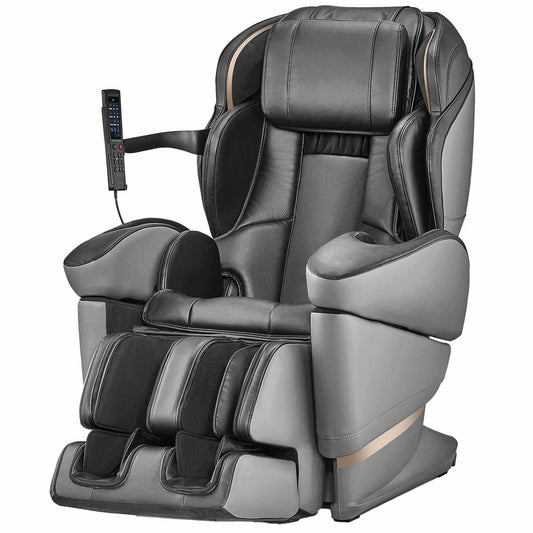
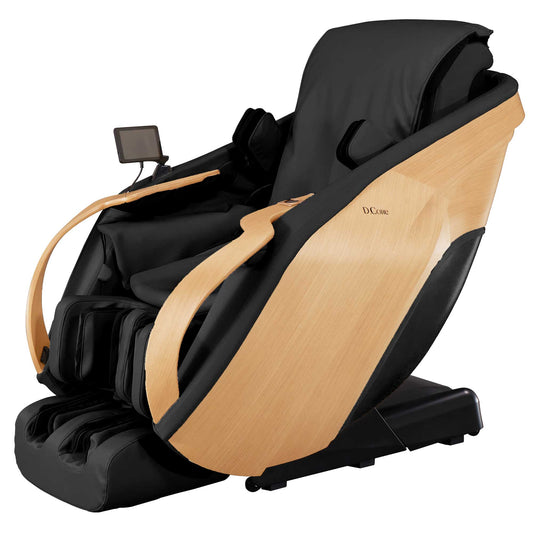
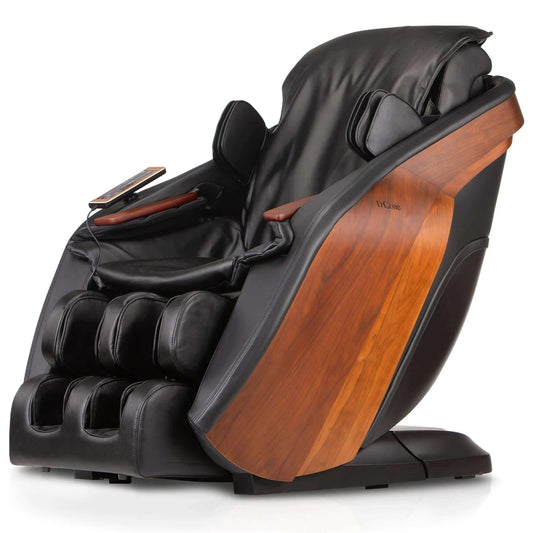
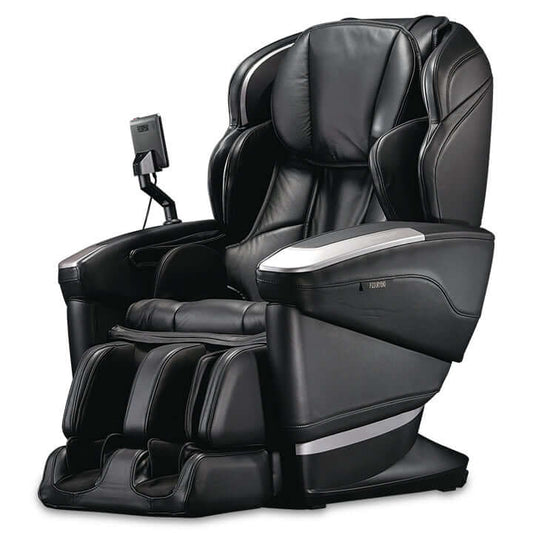

A Body-Part Breakdown: How Fujiiryoki Massage Chairs Treat Ankles, Heels, Knees & Spine with Kneading, Trigger Point & Acupressure for Better Circulation, Pain Relief, and Flexibility
Introduction
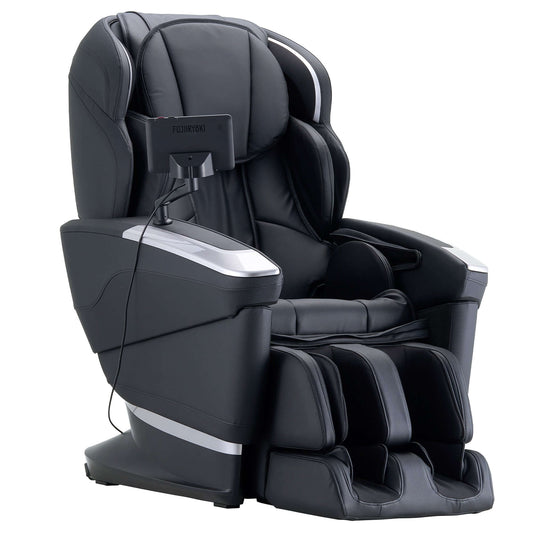
Fujiiryoki massage chairs combine decades of Japanese massage engineering with modern materials and program design to deliver targeted therapy for the ankles, heels, knees, spine and the whole body. Whether you want better circulation, pain relief, faster recovery, or improved flexibility, understanding how these chairs apply kneading, trigger point, acupressure, shiatsu, reflexology and other techniques to specific body areas helps you pick the right model and use it effectively.
Why Targeted Massage Matters
General relaxation is valuable, but targeted therapy addresses the root contributors to pain and stiffness: tight muscles, impaired circulation, trapped trigger points and fascial restrictions. Fujiiryoki chairs use combinations of rollers, airbags, heat and programming logic to apply the right technique at the right location. The result is local improvements like reduced muscle tension and systemic benefits such as enhanced venous return and parasympathetic activation.
Core Fujiiryoki Technologies and How They Work
- Roller systems (S-track or L-track) that follow the spine curve and reach gluteal and hamstring regions for comprehensive back and lower-body treatment
- Multi-directional kneading rollers that emulate hand-like motions for muscle manipulation and fascial release
- Airbag compression modules in calves, thighs, hips, arms and shoulders for sequential compression and lymphatic/venous support
- Textured foot rollers and nodes that deliver reflexology and heel-specific pressure
- Localized heat elements to increase tissue extensibility and deepen therapeutic effects
- Preprogrammed modes and manual controls that combine Swedish, deep tissue, trigger point, acupressure, shiatsu and reflexology techniques
How Massage Techniques Translate in a Chair
- Swedish strokes: Long, fluid roller paths recreate effleurage to increase superficial blood flow and relaxation.
- Deep tissue style pressure: Slower, firmer roller action or focused airbags mimic sustained pressure to affect deeper muscle layers and adhesions.
- Trigger point massage: Concentrated nodes and preset holds focus pressure on hyperirritable muscle spots to reduce referred pain and restore function.
- Acupressure and shiatsu: Rhythmic compressive holds and pushes stimulate traditional points, modulate nervous system tone and relieve local tension.
- Reflexology: Foot rollers and nodal stimulation engage reflex zones associated with systemic effects and localized foot comfort.
- Kneading: Alternating compression and release increase tissue flexibility and break down small adhesions in muscle and fascia.
Ankle and Heel Therapy
What the chair does:
- Textured rollers target the plantar fascia, heel pad and arch to loosen tight tissue and relieve heel soreness.
- Airbags around the ankle apply rhythmic compression to reduce peripheral swelling and improve venous return after long standing or travel.
- Acupressure-style nodes press specific points near the medial and lateral malleolus to ease local tightness and stimulate circulation.
Primary benefits:
- Reduced plantar tightness and heel pain
- Improved microcirculation to the distal foot
- Decreased ankle stiffness and better mobility
Knee, Thigh and Quadriceps Care
What the chair does:
- Airbags and rollers apply compression and kneading across the calves, hamstrings and quadriceps, reducing tightness that contributes to knee pain.
- Trigger point presets focus on common referral patterns from quads and hamstrings into the knee joint.
- Range-of-motion friendly pressure reduces guarding and increases soft-tissue compliance around the patella and joint capsule.
Primary benefits:
- Reduced load on the knee joint from improved muscular balance
- Enhanced knee mobility and joint comfort through decreased muscle tension
- Supportive recovery when used alongside physical therapy and exercise
Calf, Leg and Lower-Body Circulation
What the chair does:
- Sequential compression initiates a pump-like action that helps move venous blood and lymph proximally.
- Deep kneading and percussion-like effects loosen the gastrocnemius and soleus, improving tissue elasticity and reducing cramping.
Primary benefits:
- Reduced post-exercise fatigue and faster recovery
- Less leg heaviness from better venous return
- Preventive support for frequent travelers or people who stand for long periods
Spine, Lower Back, and Lumbar Care
What the chair does:
- S-track or L-track rollers traverse the cervical to lumbar curve to provide consistent kneading along paraspinal muscles.
- Trigger point and focused kneading reduce hypertonicity in paraspinal muscles, which often cause or perpetuate low back pain.
- Heat elements increase tissue viscoelasticity for safer and more effective soft-tissue release.
Primary benefits:
- Pain reduction for muscle-dominant low back discomfort
- Increased spinal flexibility and improved postural support
- Reduced muscle guarding and decreased frequency of flare-ups when used regularly
Neck, Upper Back and Shoulder Relief
What the chair does:
- Smaller rollers, kneading nodes and air compression near the cervical region target upper trapezius and levator scapulae tension.
- Shiatsu-style presses and trigger point holds reduce referred head and shoulder pain.
- Gentle traction features and angle adjustments can decompress cervical segments indirectly by relaxing surrounding muscles.
Primary benefits:
- Less neck stiffness and improved range of motion
- Reduction in frequency and intensity of tension-type headaches
- Relief from desk-related upper back and shoulder pain
Hands, Wrists and Forearms
What the chair does:
- Inflatable hand modules compress the palm and wrist to improve circulation and relieve repetitive strain tightness.
- Targeted kneading on the palm and dorsal hand supports nerve glide and soft-tissue mobility.
Primary benefits:
- Reduction in hand fatigue, numbness and stiffness related to repetitive activities
- Improved microcirculation and sensation
Head and Scalp Relaxation
What the chair does:
- Light, rhythmic acupressure and gentle neck release stimulate parasympathetic activity and promote relaxation.
- Indirect reduction in headache intensity by decreasing neck and upper back tension that commonly refers pain to the head.
Primary benefits:
- Enhanced relaxation and improved sleep onset for many users
- Lowered muscular drivers of tension headaches
Whole-Body Integration
Fujiiryoki chairs are designed to create therapeutic synergy. Kneading the back while compressing the legs and stimulating the feet with reflexology can produce greater systemic effects than isolated massage. This multi-point stimulation enhances venous return, reduces sympathetic activation, and promotes a deeper parasympathetic response that aids recovery and stress relief.
How Massage Produces Physiological Benefits
- Improved blood flow: Mechanical compression and rhythmic rollers increase local and regional circulation, delivering oxygen and nutrients to fatigued tissues.
- Venous and lymphatic return: Sequential air compression mimics manual pumping that helps move fluid away from distal tissues, reducing swelling.
- Trigger point deactivation: Sustained local pressure can reduce nociceptive input and break pain referral cycles.
- Neuromodulation: Stimulating mechanoreceptors through kneading and acupressure can reduce pain perception via spinal gate mechanisms and increase parasympathetic tone.
- Increased tissue extensibility: Heat and repeated cyclic loading improve viscoelastic properties of muscle and fascia, supporting flexibility gains.
Practical Routines and Program Recommendations
Below are sample chair routines you can adapt to your model and comfort level. Always start at lower intensity and increase gradually.
-
Ankle and Foot Recovery Routine
- Duration: 12 to 15 minutes
- Start with gentle foot rollers for 4 minutes to warm plantar fascia
- Activate ankle airbags on low intensity for sequential compression for 6 minutes
- Finish with mild reflexology mode and light heat for 2-3 minutes
- Frequency: After long walks, daily while recovering
-
Knee Mobility and Thigh Release
- Duration: 15 to 20 minutes
- Begin with calf compression for 4 minutes to promote venous return
- Use targeted kneading on thighs with trigger point program for 8-10 minutes
- End with gentle vibration and low heat near the knee for 3-4 minutes
- Frequency: 3 to 4 times per week for mobility goals
-
Lower Back and Whole-Body Relax
- Duration: 20 to 30 minutes
- Start with full-back kneading on moderate intensity for 8-10 minutes
- Switch to trigger point and focused lumbar holds for 6-8 minutes
- Activate leg airbags and foot rollers concurrently for integrated circulation work
- Finish with full-body shiatsu program and heat for 5-7 minutes
- Frequency: Daily or every other day for chronic muscle tension
How Often and How Long?
- Beginners: 10 to 15 minutes per session, 3 to 4 times per week
- Maintenance and stress relief: 15 to 30 minutes, 3 to 7 times per week depending on tolerance
- Recovery after exercise: Short sessions of 8 to 12 minutes focused on legs and feet can accelerate recovery
Safety, Contraindications and Best Practices
- Consult a healthcare professional before use if you have recent fractures, deep vein thrombosis, severe varicose veins, severe osteoporosis, open wounds, uncontrolled hypertension, or implanted medical devices.
- Avoid aggressive intensity over acute injuries or inflamed joints.
- Pregnancy: Many manufacturers recommend avoiding deep abdominal or lumbar compression and to consult a physician before use.
- Start low and monitor skin for sensitivity when using heat or strong air compression.
Pairing Chair Use with Active Care
Massage chairs are most effective as part of a broader routine. Combine chair sessions with:
- Daily mobility exercises and targeted stretching to lock in gains in flexibility
- Strengthening programs to correct muscular imbalances that contribute to joint stress
- Hydration and nutrition to support tissue repair and circulation
- Professional guidance when recovering from injuries or managing chronic conditions
Buying Guide: What to Look for in a Fujiiryoki Massage Chair
- Roller track type: L-track reaches lower glutes and hamstrings while S-track closely follows spinal curvature
- Foot and heel technologies: Textured rollers, customizable intensity and separate heel nodes for targeted care
- Airbag coverage: More airbags across calves, thighs, hips and shoulders allow more comprehensive compression therapy
- Heat and adjustable temperature: Useful for deeper tissue release but choose models with safe controls
- Program variety and manual control: Ability to isolate ankles, knees, back or neck and combine techniques like trigger point and acupressure
- Ease of maintenance and warranty: Look for accessible parts, straightforward cleaning, and solid warranty terms
Maintenance and Longevity Tips
- Clean upholstery and foot wells regularly with manufacturer-approved cleaners
- Avoid prolonged use at maximum intensity to reduce wear on motors and airbags
- Schedule periodic inspections for airbags and electrical components if you use the chair daily
- Follow weight and usage guidelines to maintain warranty coverage
SEO and Content Tips for Searching Fujiiryoki Benefits
- Use long-tail keywords to find specific functions, for example: Fujiiryoki ankle therapy program, Fujiiryoki heel reflexology rollers, Fujiiryoki lumbar trigger point mode
- Search model manuals and product pages for the exact list of body-targeted programs and specifications
- Read user reviews with attention to described outcomes such as improved circulation, pain relief, and enhanced flexibility
Extended FAQ
-
Will a Fujiiryoki chair reduce chronic swelling in my ankles?
Sequential compression can reduce mild, nonpathologic swelling related to venous pooling or prolonged standing. Persistent or painful swelling should be evaluated by a healthcare professional to rule out conditions like heart, kidney or vascular disease.
-
Can trigger point programs damage my back?
When used responsibly at appropriate intensity, trigger point programs are designed to relieve muscle knots rather than harm tissue. Start with low intensity, keep sessions short initially, and stop if you experience sharp or increasing pain. Consult a clinician for structural spinal issues.
-
How do I use the chair to improve flexibility?
Combine consistent kneading and heat sessions with active stretching and strengthening. Use the chair to relax muscle tone before stretching to increase tissue extensibility and get faster gains.
-
Is a Fujiiryoki chair suitable for athletes?
Yes. Athletes often use chairs for post-workout recovery, to reduce delayed-onset muscle soreness and to support circulation. Short, focused leg and foot sessions are particularly effective after intense training.
Conclusion
Fujiiryoki massage chairs deliver a sophisticated mix of kneading, trigger point release, acupressure, shiatsu, reflexology and deep-tissue styles across targeted body sites including ankles, heels, knees and the spine. By understanding how these techniques interact with specific body parts and which settings and routines support circulation, pain relief and flexibility, users can extract maximum benefit while maintaining safety. Pair chair therapy with active care, follow best practices for intensity and frequency, and consult healthcare providers when managing chronic or severe conditions for the best outcomes.
Tags:
Previous
Fujiiryoki Massage Chairs: Full-Body Relief with Shiatsu, Deep-Tissue & Reflexology for Better Circulation, Pain Relief, and Faster Injury Recovery
Next
Fujiiryoki Massage Chairs for Clinic-Grade Recovery: Shiatsu, Trigger Point & Reflexology Targeting Neck, Back, Feet to Boost Circulation, Reduce Pain & Improve Flexibility