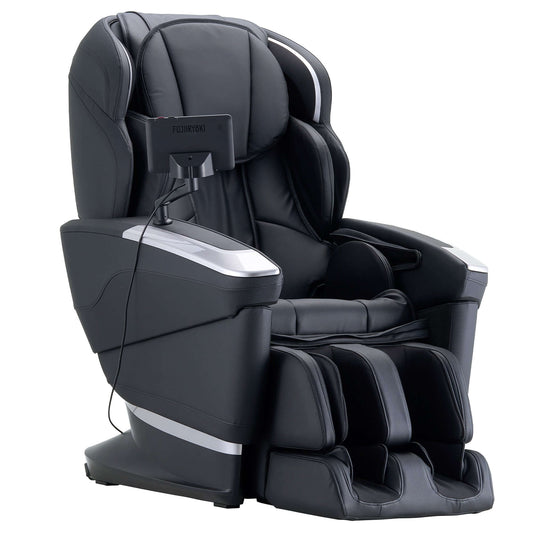
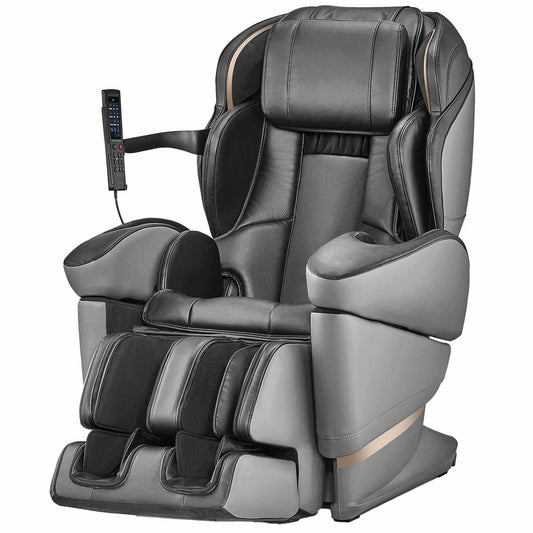
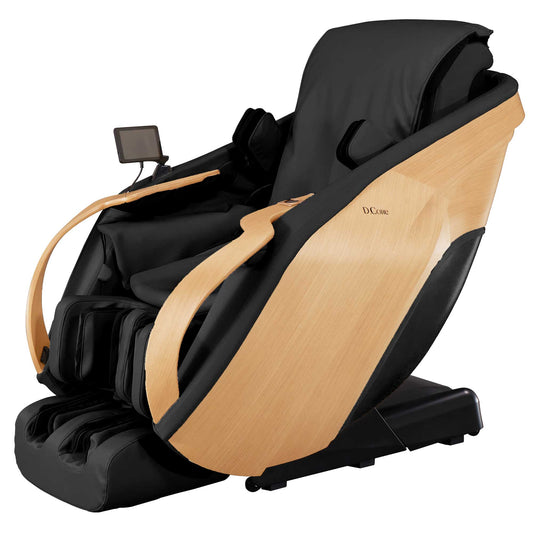
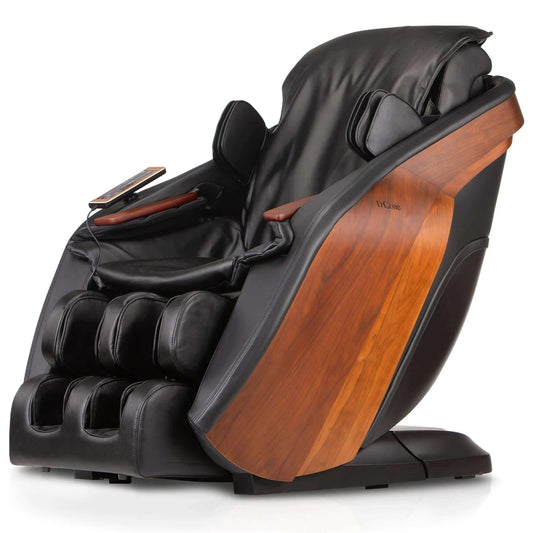
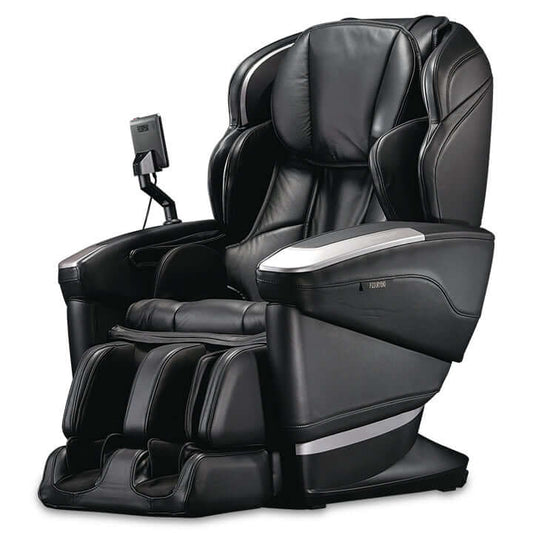

Fujiiryoki Massage Chairs: Full-Body Relief with Shiatsu, Deep-Tissue & Reflexology for Better Circulation, Pain Relief, and Faster Injury Recovery
Introduction: The Promise of Full-Body Restoration
Fujiiryoki massage chairs combine decades of Japanese innovation with proven massage methods—shiatsu, deep tissue, reflexology, Swedish techniques, and targeted acupressure—to deliver whole-body relief at home. If you’re targeting improved circulation, faster injury recovery, reduced chronic pain, or better mobility in areas like the neck, shoulders, back, calves, heels, and feet, a Fujiiryoki can be a powerful tool when used safely and consistently.
Why This Guide Matters
This comprehensive article dives deep into how Fujiiryoki chairs work, the massage techniques they use, and how those techniques benefit specific body parts (ankle, back, calf, feet, hands, head, heel, knee, legs, neck, shoulder, thigh, whole body, wrist). You’ll also learn practical buying and usage advice to get measurable improvements in circulation, pain relief, fatigue reduction, and injury recovery.
Fujiiryoki: A Brief Background
Fujiiryoki is a Japanese brand with a long tradition of designing massage chairs that emphasize therapeutic results and durability. Rather than marketing only comfort, Fujiiryoki focuses on clinically inspired functions—precision rollers, multi-zone airbags, and program variety—aimed at replicating hands-on therapies such as shiatsu, trigger-point release, and reflexology.
Core Technologies and What They Do
- Roller Systems (3D/4D): Adjustable rollers move vertically and horizontally along the spine and into the neck and shoulders; 4D adds variable speed and depth to better simulate human hands for deep-tissue work.
- L-Track & S-Track Design: Tracks guide rollers from neck to lower back (S-track) or continue under the seat to reach glutes and hamstrings (L-track) for fuller coverage of the spine and upper legs.
- Airbag Compression: Multi-zone airbags apply rhythmic compression to shoulders, arms, hips, thighs, calves, and feet to improve venous return and lymphatic flow.
- Zero Gravity Positioning: Reduces spinal compression and enhances the effect of rollers and airbags by evenly distributing body weight.
- Heat Therapy: Targeted heating—especially in the lumbar and calf regions—promotes blood flow, reduces muscle stiffness, and synergizes with deep tissue techniques.
- Reflexology Rollers: Specialized rollers target plantar zones and the heel to stimulate reflex points associated with systemic benefits.
Massage Techniques Explained
Understanding how each massage style works helps you choose programs for specific goals.
- Shiatsu: Firm, rhythmical pressure mimicking finger or thumb pressure along meridian points. Excellent for stress relief, trigger points, and improving energy flow.
- Deep Tissue Massage: Slower, deeper strokes and pressure to release chronic muscle tension and adhesions—useful for persistent back, neck, and shoulder pain.
- Trigger Point Massage: Focused pressure to deactivate local knots that refer pain to other areas (e.g., shoulder trigger causing neck pain).
- Acupressure: Targeted stimulation of traditional points for balance and symptomatic relief (headaches, neck tension, digestive benefits).
- Reflexology: Stimulating foot and heel zones to support circulation, reduce swelling, and create systemic relaxation.
- Kneading: Circular squeezing motions to loosen muscles and improve flexibility in larger muscle groups like thighs and calves.
- Swedish Techniques: Long, gliding strokes that are gentle and restorative—best for fatigue reduction and general relaxation.
How Fujiiryoki Targets Each Body Part
Below is a detailed look at how Fujiiryoki functions and chosen techniques help specific body parts and common complaints.
Neck
- Common issues: stiffness, limited range of motion, tension headaches.
- Techniques used: shiatsu rollers, trigger point, light traction, heat.
- Benefits: loosens tight trapezius and levator scapulae muscles, improves cervical mobility, and reduces tension-related headaches.
- Tip: Use lower intensity initially if you have sensitive necks or recent whiplash—consult a clinician first.
Shoulder
- Common issues: rounded shoulders, rotator cuff strain, myofascial pain.
- Techniques used: kneading, shiatsu, acupressure, targeted airbags.
- Benefits: loosens shoulder girdle, increases blood flow to rotator cuff area, helps reduce referred pain into the upper arm and neck.
Back & Spine (Upper, Mid, Lower)
- Common issues: lumbar pain, thoracic stiffness, poor posture.
- Techniques used: deep-tissue rollers, L-track coverage, heat, spinal alignment programs, trigger-point release.
- Benefits: reduces paraspinal muscle tension, helps restore natural spinal curves, supports posture by relaxing tight hip flexors and paraspinals when combined with stretching.
- Note: For herniated discs or acute sciatica, coordinate with your healthcare provider before using intense deep-tissue programs.
Hands & Wrists
- Common issues: repetitive strain from typing, tendonitis, carpal tunnel soreness.
- Techniques used: compression airbags, kneading pads, gentle acupressure.
- Benefits: reduces muscle fatigue, relieves tension in forearms that contributes to wrist pain, and improves local circulation.
Head
- Common issues: tension headaches, stress-related tightness.
- Techniques used: gentle shiatsu, acupressure, vibration, and calming Swedish strokes.
- Benefits: decreases head and scalp tension, supports relaxation, can lower stress hormone activity contributing to headache relief.
Arms, Elbows, and Forearms
- Common issues: tendinopathy, overuse fatigue.
- Techniques used: compression airbags, light kneading, acupressure.
- Benefits: improves circulation, reduces swelling, and relieves repetitive-use tightness that radiates to hands and wrists.
Hips, Thighs & Glutes
- Common issues: tight hip flexors, IT band tension, gluteal trigger points.
- Techniques used: L-track rollers, deep kneading, air compression on hips and thighs.
- Benefits: releases tension that affects lower back and knees, improves flexibility, and supports better gait mechanics.
Knees
- Common issues: post-exercise soreness, osteoarthritis discomfort, swelling.
- Techniques used: gentle compression, improved circulation from calf and thigh programs, acupressure around knee meridians.
- Benefits: reduced stiffness and swelling when combined with medical guidance; useful for mild to moderate discomfort but not a substitute for medical treatment for severe joint disease.
Calves, Ankles & Heels
- Common issues: tight calves, plantar fasciitis, swollen ankles.
- Techniques used: calf airbags, kneading, reflexology rollers on the heel and sole, compression sequences for ankle circulation.
- Benefits: improves venous return, reduces muscle tightness, and helps manage plantar discomfort by stimulating foot reflex zones.
Feet
- Common issues: plantar fasciitis, foot fatigue, poor circulation.
- Techniques used: reflexology rollers, shiatsu points, heel-focused kneading, and compression massage.
- Benefits: enhances circulation in the feet, reduces pain and swelling, and supports systemic relaxation through reflex points.
Whole-Body Programs
- Integrated routines combine shiatsu, Swedish strokes, airbags, heat, and reflexology to promote systemic circulation and full relaxation.
- Great for overall fatigue relief, stress reduction, and creating a recovery-ready state after intense exercise or a long workday.
How Massage Benefits Circulation, Pain Relief, and Recovery
- Circulation: Rollers and compression move blood and lymph, improving oxygen delivery and waste removal—key for tissue healing.
- Pain Relief: Massage reduces local nociceptive signaling (pain input), relaxes muscle guarding, and releases endorphins and other analgesic mediators.
- Injury Recovery: When paired with rest and medical care, increased perfusion and reduced adhesions speed tissue repair and regain of function.
- Flexibility & Spine Alignment: Regular therapy reduces fascia tightness and muscular imbalance, helping restore range of motion and posture.
Practical Usage Guidelines for Best Results
- Start gradually: 10–15 minute sessions at low-to-moderate intensity, increasing duration as tolerated to 20–30 minutes for general wellness.
- Frequency: 3–6 times per week for maintenance; daily light sessions can be helpful for acute soreness or heavy training recovery.
- Pre- and post-exercise: Use gentle circulation programs before workouts to warm muscles and deeper programs after exercise for recovery.
- Injury protocol: For acute injuries, choose gentle circulation and light compression, and consult a clinician for tailored progression to deeper tissue work.
- Hydration & sleep: Drink water after sessions and prioritize sleep to amplify recovery benefits.
Contraindications and Safety
- Avoid intense massage if you have untreated deep vein thrombosis (DVT), acute fractures, uncontrolled hypertension, severe osteoporosis, or open wounds.
- Pregnancy: Use only pregnancy-safe settings and consult your obstetric care provider; avoid intense abdominal or lower-back compression in early pregnancy unless cleared.
- If you have implanted medical devices (e.g., pacemakers) or severe cardiovascular disease, check with your physician first.
How to Choose the Right Fujiiryoki Chair
Selection should match your priorities—therapeutic depth, foot and calf focus, portability, or space constraints.
- Primary goals: Pain relief and injury recovery favor models with robust deep-tissue rollers, L-track coverage, and heat. Circulation and foot health favor strong foot rollers and calf airbags.
- Customization: Look for multiple intensity levels, zone targeting, and memory presets to save favorite programs.
- Fit & ergonomics: Ensure the chair supports your height and body shape; test a demo when possible.
- Warranty & service: Prioritize longer warranties on mechanical and electronic components and availability of authorized service centers.
- Budget: Higher-end models deliver more realistic deep-tissue and full L-track coverage, but mid-range models still offer excellent reflexology and general relief features.
Maintenance and Longevity Tips
- Clean gently with a damp cloth; avoid harsh solvents that degrade upholstery.
- Keep electronics protected from moisture; use a surge protector.
- Follow manufacturer instructions for periodic checks on airbags and rollers; replace parts only through authorized suppliers.
- Store manuals and warranty information in a safe place; register your product for faster support.
Integrating Fujiiryoki into a Recovery Plan
Fujiiryoki chairs are most effective when used as part of a holistic recovery plan:
- Pair with targeted exercises and stretching routines to strengthen muscles and maintain gains in flexibility.
- Use physical therapy protocols prescribed by clinicians—massage can be a useful adjunct to reduce tone and pain for better exercise adherence.
- Monitor progress: Keep a simple log of session lengths, programs used, and symptom changes to evaluate effectiveness over weeks.
Comparison: Fujiiryoki vs. Other Massage Options
- Hands-on therapy: Live therapists are essential for diagnostic care and individualized manipulative work. Fujiiryoki offers daily, convenient maintenance but is not a full substitute for clinical manual therapy when specialized interventions are required.
- Other brands: Fujiiryoki emphasizes ergonomic design and therapeutic programming focused on clinical-style approaches. When comparing brands, prioritize the techniques, track lengths, and intensity ranges that match your needs rather than brand prestige alone.
Buying and Demo Tips
- Test in-store if possible to assess fit, noise, and real-world intensity.
- Ask about a trial period or return policy—many sellers offer satisfaction guarantees for good reason.
- Verify the availability of in-home setup, white-glove delivery, and authorized technicians for future repairs.
- Check user reviews for longevity and post-purchase support experiences.
Expanded FAQs
- How long before I see results? Many users feel immediate relaxation after one session; measurable improvements in pain, circulation, and flexibility typically appear after 2–6 weeks of consistent use.
- Can chairs help with plantar fasciitis? Reflexology rollers and heel kneading can reduce plantar discomfort and improve foot circulation. Use in combination with stretches and proper footwear and consult a podiatrist for persistent cases.
- Is daily use OK? Light daily sessions are generally safe for most healthy adults. Use caution with intense deep-tissue programs; alternate intensities across days.
- Will a massage chair cure chronic conditions? Massage chairs support symptom management and recovery but are not cures. Use them as part of a comprehensive care plan with medical supervision when treating chronic disease.
Realistic Expectations and Measuring Success
Set measurable goals: reduced pain scores, improved sleep, fewer tension headaches, better range of motion, or quicker post-exercise recovery. Track these over weeks and adjust program selection, frequency, and intensity accordingly.
Summary: Is a Fujiiryoki Right for You?
Fujiiryoki massage chairs are engineered for therapeutic benefit across the full body—from neck and shoulders through the spine and down into calves, ankles, and feet. They combine shiatsu, deep tissue, reflexology, and acupressure with modern features like L-track rollers, airbags, heat, and zero-gravity positioning. For people seeking better circulation, pain relief, fatigue reduction, flexibility improvements, and support during injury recovery, a Fujiiryoki can be a high-value part of a wellness strategy—especially when combined with professional medical guidance and active rehabilitation practices.
Next Steps: How to Proceed
- Identify your biggest targets (e.g., lower back, heels, neck) and prioritize chairs that emphasize those zones.
- Schedule an in-store demo or request a trial when available to evaluate fit and program options.
- Consult a healthcare provider if you have serious medical conditions, recent injuries, or implanted devices before beginning regular sessions.
- Track your progress with a simple recovery journal to make adjustments and maximize benefits.
With proper selection, safe use, and consistency, a Fujiiryoki massage chair can be a cornerstone of at-home therapy—delivering targeted shiatsu, deep tissue, reflexology, and kneading that improve circulation, reduce pain, and support faster recovery from injury in 2025 and beyond.
Tags:
Previous
How Fujiiryoki Massage Chairs Combine Shiatsu and Deep Tissue Techniques for Targeted Relief and Enhanced Whole Body Wellness
Next
A Body-Part Breakdown: How Fujiiryoki Massage Chairs Treat Ankles, Heels, Knees & Spine with Kneading, Trigger Point & Acupressure for Better Circulation, Pain Relief, and Flexibility