
Fujiiryoki Massage Chairs: Ankle-to-Head Wellness Blueprint
Introduction
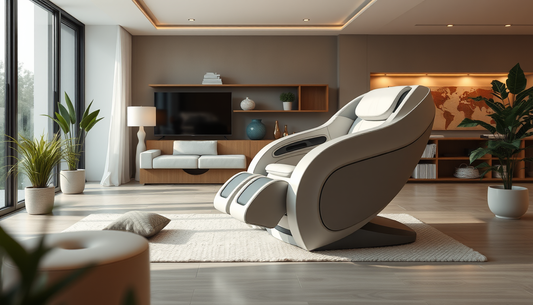
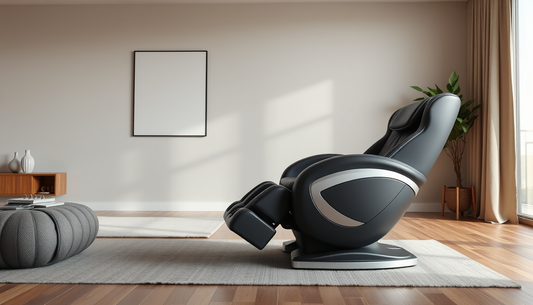
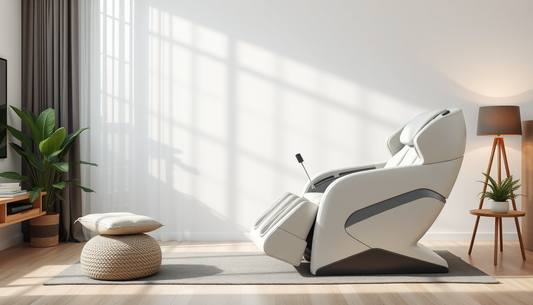
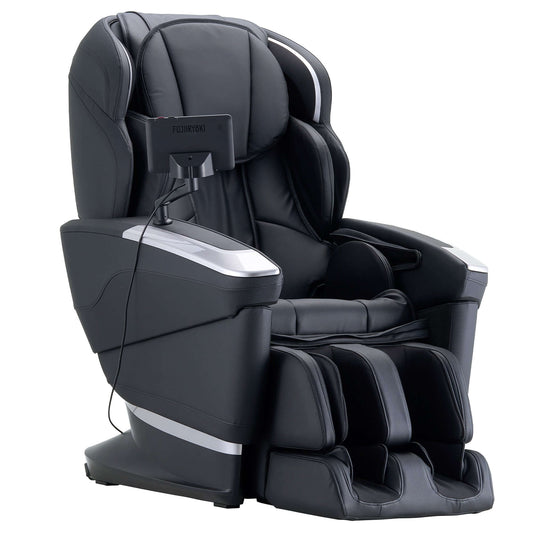
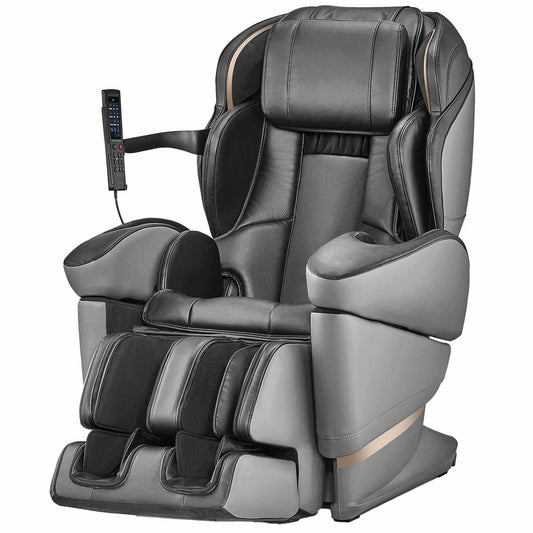
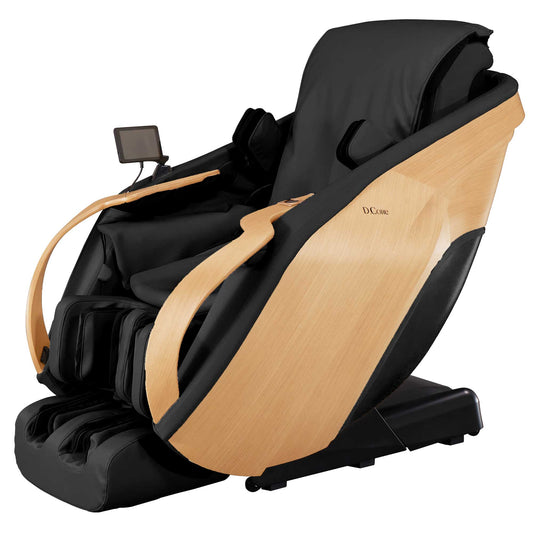
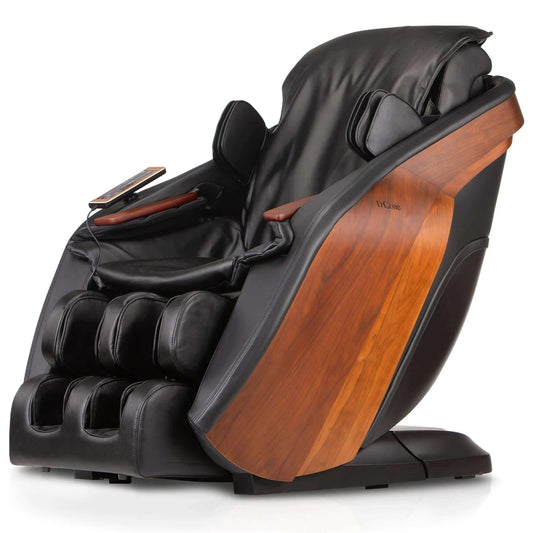
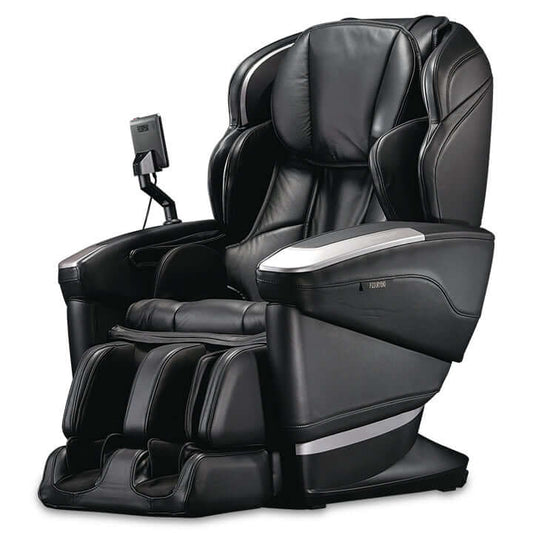
Fujiiryoki massage chairs stand at the intersection of traditional Japanese massage philosophy and cutting-edge robotics. In 2026, these chairs have evolved from luxury add-ons to comprehensive wellness hubs that guide users through ankle-to-head care and full-body benefits. This article offers a comprehensive blueprint—detailing targeted techniques, body-region mapping, and evidence-based benefits—to help you select, customize, and maximize the power of a Fujiiryoki massage chair in your daily life.
Why Fujiiryoki Stands Out in Home Wellness
Several factors set Fujiiryoki apart in the crowded home-wellness category. Precision engineering ensures smooth, quiet operation and reliable zone-based sequences. Intelligent sensors assess body contours, posture, and pressure preferences, then adapt in real time to deliver consistent results. The blend of heat therapy, air-cell compression, and foot-roller dynamics creates a holistic experience that mimics skilled hands while offering repeatable, customizable sessions. This combination translates into better postural support, faster recovery, and deeper relaxation—day after day.
Targeted Body Parts Covered
The Fujiiryoki platform is designed to work with a broad map of zones, with a focus on ankles to the head and the entire kinetic chain in between. The core coverage includes the following regions:
- Ankle
- Back
- Calf
- Feet
- Hands
- Head
- Heel
- Knee
- Legs
- Neck
- Shoulder
- Thigh
- Whole Body
- Wrist
Core Massage Techniques in the Fujiiryoki Blueprint
Fujiiryoki segments its repertoire into seven core techniques, each with distinct biomechanical benefits. The system can combine these techniques in programmable sequences to target specific regions and symptoms.
- Swedish Massage
- Deep Tissue Massage
- Trigger Point Massage
- Acupressure
- Shiatsu Massage
- Reflexology
- Kneading
Mapping Techniques to Targeted Body Parts
Effective sequences align techniques with anatomical regions to maximize relief, restore balance, and shorten recovery times. Below are practical mappings you can expect to deploy in most Fujiiryoki models:
Ankle and Feet
- Swedish Massage, Kneading, Reflexology
- Complementary heat and compression to support circulation
Calf and Back
- Deep Tissue Massage, Trigger Point Massage
- Localized pressure to loosen fascia and relieve tension
Legs and Knees
- Kneading, Shiatsu
- Rotation and stretching elements to enhance mobility
Shoulder and Neck
- Shiatsu, Acupressure, Swedish
- Alignment-focused work to reduce stiffness and improve posture
Hands and Wrists
- Reflexology, Kneading
- Gentle compression to promote relaxation and hand function
Head
- Gentle Swedish, Acupressure
- Relaxation-focused area work to support sleep quality
Heel and Thigh
- Deep Tissue, Trigger Point
- Targeted release for overuse and sedentary work patterns
Whole Body
- Balanced sequences across zones for overall harmony and systemic benefits
Benefits You Can Expect
The targeted sequences and diverse technique palette translate into a broad spectrum of benefits. While individual results vary, many users report measurable improvements in several domains:
- Blood Flow Control
- Fatigue Relief
- Flexibility Improvement
- Injury Recovery
- Muscle Therapy
- Pain Relief
- Spine Alignment
- Stress Relief
- Tissue Therapy
- Posture Support
- Sleep Quality Enhancement
- Joint Comfort and Range of Motion
Choosing a Fujiiryoki Model for Targeted Wellness
Selecting the right model involves a careful review of coverage, customization, and long-term value. Consider the following criteria when evaluating options:
- Zone Coverage: Ensure the chair can individualize massage sections for ankles, calves, thighs, back, neck, shoulders, arms, and head.
- Massage Intensity and Types: Look for a wide range of intensities and the full suite of techniques (Swedish, Deep Tissue, Trigger Point, Acupressure, Shiatsu, Reflexology, Kneading).
- Heat Therapy Options: Targeted heat zones can augment tissue relaxation and blood flow.
- Foot Rollers and Air Cells: An effective foot and calf experience enhances overall recovery.
- AI Customization: Profiles that learn your preferences over time help maintain consistent outcomes.
- Warranty and Service Network: A reliable support structure minimizes downtime and preserves performance.
- Footprint and Aesthetics: Consider how the chair fits into your space and its design language.
Best Practices for Use and Longevity
To maximize benefits and preserve the chair, adopt these guidelines as part of your routine. Think of this as a lifestyle approach rather than a one-off treatment:
- Begin with a warm-up session to prepare muscles and joints for deeper work
- Start with shorter sessions, then gradually increase duration as comfort allows
- Hydrate before and after sessions to support fluid balance and toxin clearance
- Clean and sanitize surfaces regularly, with extra attention to foot compartments
- Maintain proper chair positioning, leg support, and strap or seat adjustments
- Keep user profiles updated to tailor massage to your body type and seasonal needs
- Follow manufacturer maintenance schedules for lubrication, sensor calibration, and part replacement
- Incorporate complementary practices like breathing routines or light stretching between sessions
Frequently Asked Questions
Answers to common questions can help you make an informed decision and optimize usage:
- What is the typical daily benefit window for Fujiiryoki sessions?
- Can these chairs replace professional therapy?
- Are there any safety concerns for users with implants or medical devices?
- How loud are Fujiiryoki chairs during operation?
- What maintenance tasks should I perform monthly?
- Is a remote app or wall control required for everyday use?
Answers vary by model and user, so consult the specific product manual and your healthcare provider if you have health concerns.
Real-World Results: Case Studies
Case studies illustrate how ankle-to-head wellness translates into daily life improvements. The following scenarios are representative but fictional, designed to highlight possible outcomes:
Case Study 1: The Weekday Professional
A 38-year-old software engineer with a sedentary routine used a Fujiiryoki chair for 20-minute sessions after work. Over six weeks, they reported reduced lower-back tension, improved sleep onset, and a noticeable decrease in afternoon fatigue. The chair’s targeted calf and back work helped recalibrate posture during long desk hours.
Case Study 2: The Weekend Athlete
A recreational runner integrated 15–25 minute sessions focusing on calves, hamstrings, and hips. After two months, they observed quicker recovery after long runs, less stiffness in the neck and shoulders from training, and better ankle mobility due to sustained plantarflexion and dorsiflexion work.
Troubleshooting and Maintenance Tips
Even the best machines require a simple care routine. Here are practical steps to keep your Fujiiryoki chair performing at peak:
- Power issues: verify circuit, power cord, and fuses; perform a soft reset as recommended by the manufacturer
- Unusual noises: check for loose panels, foreign objects near the footwell, and a clean air path
- Heat or massage zones not activating: recalibrate sensors, reselect zones, and test with factory presets
- Cleaning: wipe surfaces with a damp microfiber cloth; avoid harsh cleaners around electronics
- Foot compartment hygiene: dry after use and consider antimicrobial liners if sharing the chair
- Software updates: apply firmware updates when prompted to ensure compatibility with new features
Advanced Customization and Personalization Tips
To truly tailor the experience, explore these strategies. The goal is to build a routine that respects your biomechanics and daily schedule:
- Create multiple user profiles with sleep, activity, and stress indicators
- Set up zone-specific programs—ankle-to-head sequences for mornings, full-body resets after workouts
- Incorporate breathing cues and mindfulness prompts during sessions to amplify relaxation
- Vary intensity levels across sessions to develop tolerance and resilience
- Document perceived benefits to track progress and adjust programs
The Science Behind Ankle-to-Head Wellness with Fujiiryoki
While consumer massage chairs cannot replace clinical therapies, they implement evidence-informed principles that support healthy tissue function. Targeted massage improves local circulation, reduces muscle tension, and can aid in proprioceptive recalibration. By extending this approach from ankles to the head, Fujiiryoki aims to address the kinetic chain as a whole, supporting better posture, stress resilience, and daily vitality.
Safety Considerations and Contraindications
Most users can safely enjoy Fujiiryoki chair sessions, but certain conditions warrant caution. If you have recent surgical implants, acute injuries, uncontrolled high blood pressure, pregnancy, or other medical concerns, consult your healthcare provider before beginning or modifying a massage routine. Always follow the chair’s safety guidelines, avoid prolonged pressure on the same area, and pause if you experience numbness, dizziness, or pain.
Conclusion
Fujiiryoki massage chairs offer a robust, targeted techniques blueprint that travels from ankle to head while delivering holistic full-body benefits. By understanding how core techniques map to specific body parts and by adopting best practices for use and maintenance, you can unlock a steady path to improved blood flow, reduced fatigue, greater flexibility, and enduring wellness. Whether you’re seeking relief from everyday stress, recovery after activity, or a reliable at-home therapy partner, Fujiiryoki stands as a compelling option for sustained ankle-to-head well-being in 2026 and beyond.
Tags:
Previous
Fujiiryoki Massage Techniques: Swedish to Reflexology Explained
Next
Fujiiryoki Massage Chairs: Head-to-Toe Wellness Techniques