
Fujiiryoki Massage Chair Techniques: Swedish to Shiatsu Guide
Welcome to an expansive, visual guide designed for presenting Fujiiryoki massage chair techniques in a clear, at a glance format. This comprehensive resource dives deep into how each technique translates from traditional hands on practice into a refined at home experience. Spanning Swedish, Shiatsu, Deep Tissue, Reflexology, Acupressure, and Kneading, the guide is structured from ankle to head to support a full body wellness routine that can be tailored to individual needs and goals. In 2026, at home wellness continues to merge therapists precision with chair based convenience, and Fujiiryoki remains a leading example of this integration.
Why Fujiiryoki Stands Out for Ankle-to-Head Wellness
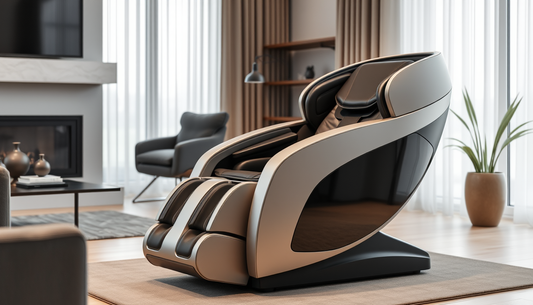
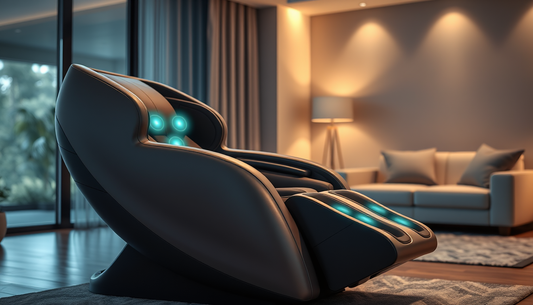
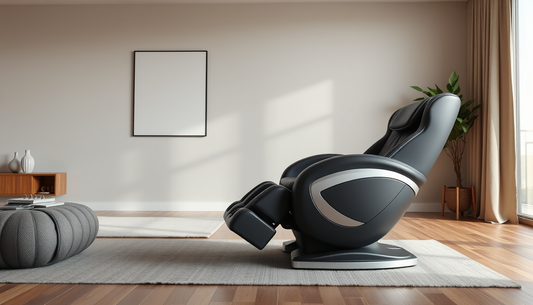
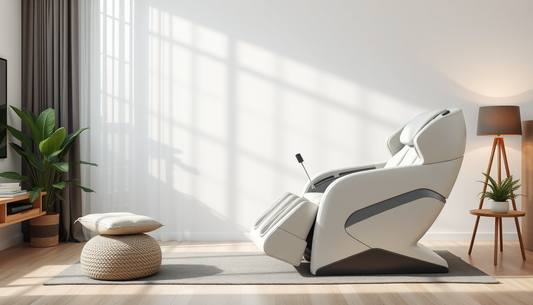
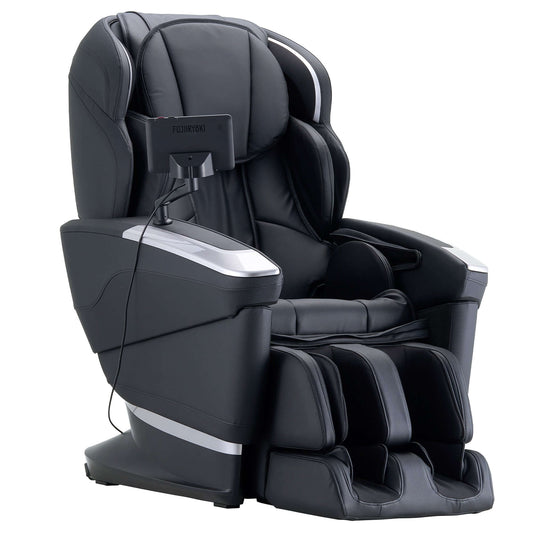
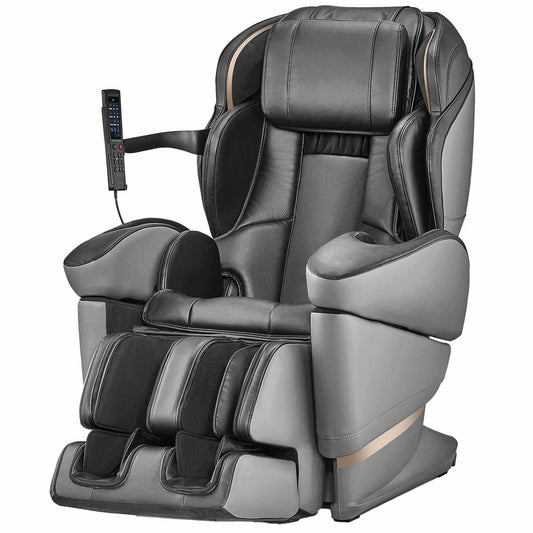
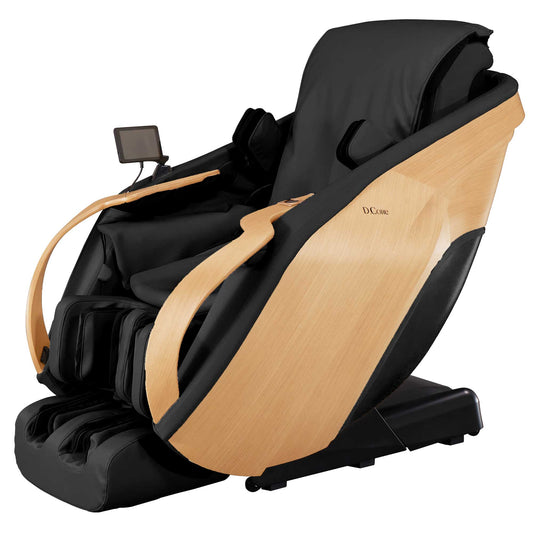
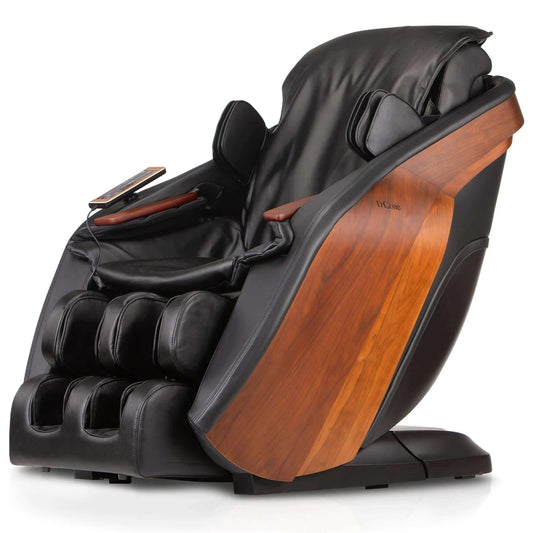
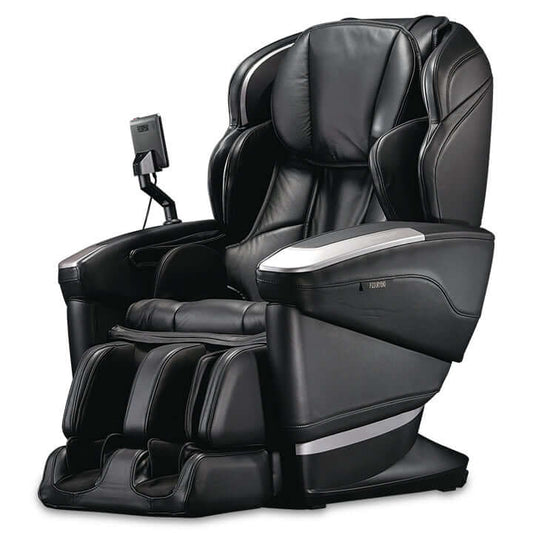
Fujiiryoki massage chairs blend advanced mechanical engineering with intelligent software to reproduce a diverse set of techniques. These chairs combine rollers, air compression, heat therapy and adaptive presets that map to the body’s natural contours. The result is a guided experience that can emulate long Swedish strokes, deep tissue work for tight spots, reflexology zones in the feet and hands, and targeted acupressure points along the spine and limbs. This section outlines the core advantages that make the chairs a practical cornerstone of home wellness.
- Adaptive roller systems that mirror major muscle groups and meridian lines for coherent sequence flow
- Air massage with graduated compression that gently contours ankles, calves, thighs, arms and hands
- Integrated heat therapy to promote tissue elasticity and relaxation of overworked areas
- Programmable sequences that switch between modalities in a single session for efficiency
- Customizable intensity and speed to match comfort, pain thresholds, and recovery goals
Overview of the Technique Library
The following sections break down each technique with practical interpretation for at home use, including how the chair replicates classic modalities, the typical target zones, sequencing ideas, and the combined benefits you can expect for overall wellness.
Swedish Massage: Long, Relaxing Strokes
Swedish massage in a chair emphasizes smooth, flowing strokes that promote circulation and a sense of calm. In a structured chair session, the rollers glide in long trajectories along the back, shoulders and legs, resembling traditional effleurage and lighter kneading. This foundation helps prepare tissue for deeper work while supporting nervous system relaxation and improved lymphatic drainage.
- Target zones: back, shoulders, neck, thighs, calves, and feet
- Typical pattern: slow, continuous passes that begin at the extremities and move toward the core
- Benefits: enhanced blood flow, reduced muscle tension, lower perceived stress, improved joint mobility
Shiatsu Massage: Pressure Point Deep Dive
Shiatsu in a Fujiiryoki chair emphasizes sustained pressure along traditional meridian pathways, combining rolling pressure with precise point contact. This technique aims to release energy blockages and restore balance while addressing muscular tightness along the neck, upper back, lower back, shoulders and even the feet and hands. The chair uses a rhythmic sequence to simulate manual finger pressure and gentle stretching, expanding range of motion and encouraging better posture.
- Target zones: neck, shoulders, upper back, lower back, feet, hands
- Typical pattern: alternating sustained presses with transitional stretches
- Benefits: improved energy flow, reduced stiffness, enhanced range of motion
Deep Tissue Massage: Knottier Tissues Meet Precision
Deep tissue work engages deeper muscle layers and fascia to address chronic tension, adhesions and postural concerns. In a chair, the deep tissue mode uses firmer pressure and targeted path trajectories to reach inner tissue structures, while the surrounding modalities warm up and prepare tissue to accept deeper work. This can help alleviate knots, reduce muscle guarding and improve functional mobility for daily activities and athletic endeavors.
- Target zones: back, neck, shoulders, hips, thighs, calves
- Typical pattern: slower tempo with deliberate, focused pressure on problem areas
- Benefits: relief from persistent tension, improved range of motion, improved muscle resilience
Trigger Point Massage: Knots Under the Microscope
Trigger point work targets specific hyperirritable spots that refer pain to other regions. Within Fujiiryoki systems, targeted presses and brief holds aim to release these knots efficiently without requiring aggressive manual force. This technique is especially helpful for neck headaches, shoulder blade discomfort, low back tightness and areas where tissue holds patterns of chronic tension.
- Common trigger zones: trapezius, levator scapulae, gluteal region, calves
- Typical pattern: short bursts of intense pressure followed by brief release and reassessment
- Benefits: localized pain relief, reduced muscle guarding, improved downstream mobility
Reflexology: Foot and Hand Focus for Whole-Body Balance
Reflexology in a chair concentrates pressure on reflex zones in the feet and hands. The idea is that stimulating these points influences corresponding organs and systems, promoting improved circulation and a sense of reset. While the mapping is not one to one with anatomy, users often report a deep sense of relaxation and more even energy distribution after reflexology sessions.
- Target zones: feet and hands
- Typical pattern: localized pressure and rolling across plantar and palmar surfaces
- Benefits: improved systemic circulation, reduced fatigue, enhanced overall well being
Acupressure: Energy Pathways and Targeted Stimulation
Acupressure within a Fujiiryoki system uses points along major muscle chains and vaguer energy lines to influence tension and mobility. This approach combines precise point stimulation with warmth to help release stiffness in the neck, back, hips and limbs, supporting posture and comfort during daily activities and workouts.
- Target zones: neck, shoulders, back, hips, wrists, ankles
- Typical pattern: point based presses with sustained contact followed by gradual release
- Benefits: pain relief, improved flexibility, reduced muscle guarding
Kneading: Circular Work for Comfort and Resilience
Kneading in a chair mirrors the practitioner technique of circular friction across muscle groups. It is particularly effective for releasing chronic, mushy tissue and building warmth that prepares the tissue for deeper modalities. Kneading supports circulation and helps tissue remain pliable, making it easier for subsequent techniques to work more efficiently.
- Target zones: back, shoulders, thighs, calves, feet
- Typical pattern: methodical circular motions that build warmth and depth
- Benefits: muscle relaxation, improved blood flow, reduced stiffness
Targeted Body Parts and Technique Pairings
The following expanded guide illustrates how different techniques pair with common body areas to deliver holistic ankle to head wellness. Use these pairings as a starting point to design a session that matches your goals and comfort level.
- Ankle and Foot: Reflexology for arch balance plus Kneading on the sole for comfort
- Calf and Leg: Swedish strokes to boost circulation, followed by Kneading on the posterior chain
- Shins and Knees: Light Swedish with targeted Trigger Point on the upper shin muscles
- Back and Shoulders: Shiatsu for meridian balance paired with Deep Tissue on knots and adhesions
- Neck and Head: Gentle Swedish to ease tension and then Shiatsu point work for relief
- Wrist and Hands: Acupressure along forearm and reflexology on the palms and fingers
- Hip and Thigh: Deep Tissue work integrated with Kneading to support mobility
- Lower Back: Trigger Point on the lumbar paraspinals combined with Shiatsu stretch patterns
- Mid Back: Reflexology influenced sequence to improve systemic circulation and energy balance
Expanded Massage Benefits at a Glance
These techniques collectively support a broad set of wellness goals. The chair based approach makes it easy to tailor sessions to your needs and to combine modalities in a single studio like routine. Here is a deeper list of potential outcomes you may experience with regular use.
- Blood flow optimization and improved vascular function
- Fatigue relief and quicker recovery after activity
- Flexibility maintenance and enhanced mobility across joints
- Injury recovery support through tissue remodeling and reduced soreness
- Muscle therapy for both dynamic and static loads
- Pain relief across neck, shoulders, back and lower limbs
- Spine alignment support via posture emphasizing sequences
- Stress relief and improved sleep quality
- Tissue therapy and fascia conditioning for long term health
- Enhanced proprioception and body awareness through guided sequences
- Calm nervous system response and relief from daily tension
- Energy balance and improved sense of well being
How to Read and Use this Visual Guide for Real World Sessions
Think of each technique as a layer in a complete session. Begin with Swedish or Kneading to warm tissue and promote gentle circulation, then layer in Shiatsu or Deep Tissue to address deeper knots. Add Reflexology and Acupressure to target specific zones and energy pathways. Reserve Trigger Point work for knots that appear resistant to other modalities. Construct sessions by choosing one or two techniques per zone and sequencing them in a logical flow that respects comfort and response.
Session Design Examples
Below are two practical session templates you can adapt to your needs. These are not rigid prescriptions but starting points for building your own routines with the chair.
- Relaxation Focus: Start with Swedish on the back and legs, move to Kneading for warm tissue, finish with Refexology foot work and gentle Acupressure on the wrists and ankles.
- Mobility Focus: Begin with Swedish to prime the tissue, apply Deep Tissue to commonly tight areas such as the upper back and calves, add Shiatsu for spine and shoulder balance, end with Trigger Point on persistent knots and Reflexology for systemic refresh.
Case Studies and User Scenarios
Illustrative examples show how different users might approach chair sessions based on goals and constraints. These are typical scenarios that demonstrate how to combine modalities for best effect.
- Office Worker: Focus on neck and low back, with sustained heat and light to moderate pressure, integrated with short reflexology sequences for leg fatigue after long days.
- Athlete in Training: Emphasize Deep Tissue and Trigger Point for muscle knots, plus Shiatsu to restore energy balance after workouts, with longer Swedish components for recovery.
- Senior Wellness: Gentle Swedish with gradual introduction of Acupressure and Reflexology, prioritizing joint comfort and circulation while avoiding aggressive pressure.
Safety, Comfort, and Best Practices
To maximize safety and comfort when using a Fujiiryoki chair, consider these guidelines. Always start with a low intensity and gradually increase as your body responds. Hydrate before and after sessions, and avoid sessions that cause sharp pain. If you have any medical conditions or recent injuries, consult with a healthcare professional before starting a routine. People with certain implants or sensory issues should be especially cautious with high intensity or aggressive triggering points.
- Choose a suitable position such as recline or zero gravity to minimize strain on the spine
- Adjust speed and pressure to a tolerable level and build gradually
- Use heat therapy in moderation to promote tissue pliability, avoiding excessive exposure
- Monitor for redness, numbness, or tingling and reduce intensity if any adverse responses occur
- Practical maintenance tips: keep cushions and rollers clean, wipe down surfaces, and ensure proper alignment of legs and hips
Maintenance and Longevity of Fujiiryoki Chairs
Regular maintenance prolongs the life of the chair and preserves the quality of the massage experience. Keep the mechanical components clean, check for unusual noises, and follow the user manual for calibration. Periodic service by a qualified technician can help maintain the fidelity of rollers, airbags, and heating elements. Proper use and cleaning extend the life of the system and maintain performance across modalities.
- Clean surfaces with recommended solutions and avoid harsh chemicals
- Inspect air cells for leaks and ensure proper inflation levels
- Follow manufacturer guidelines for cleaning rollers and filtration systems
- Schedule professional maintenance as recommended by the manufacturer
Frequently Asked Questions
Here are answers to common questions about massage chair use and integration into wellness routines. If you have questions specific to your health, consult with a professional before using the chair extensively.
- Can these chairs replace hands on massage entirely? They can complement but may not replace the precision of a trained therapist for certain conditions
- Is it safe to use heat with massage? Yes, when used within comfort levels and not on damaged skin
- How often should I use the chair for wellness benefits? Consistency matters; many users report benefits with 2-4 sessions per week
Conclusion
This presentation style guide aims to demystify Fujiiryoki massage chair techniques by aligning traditional modalities with modern chair capabilities. By understanding how Swedish, Shiatsu, Deep Tissue, Reflexology, Acupressure and Kneading translate into chair based sessions, you can craft personalized ankle to head wellness routines. The goal is to empower you to choose the right sequences, tailor intensity, and build a sustainable practice that supports improved circulation, mobility, pain relief, stress reduction and overall well being. Whether you seek relaxation, rehabilitation or enhanced athletic performance, these modalities can be combined in a safe, home setting to support ongoing wellness."
Tags:
Previous
Fujiiryoki Massage Chair Masterclass: Techniques and Full-Body Wellness
Next
Fujiiryoki Massage Chairs for Total-Body Recovery: An Expert Overview of Swedish, Shiatsu, Deep Tissue, and Reflexology Across All Major Body Parts