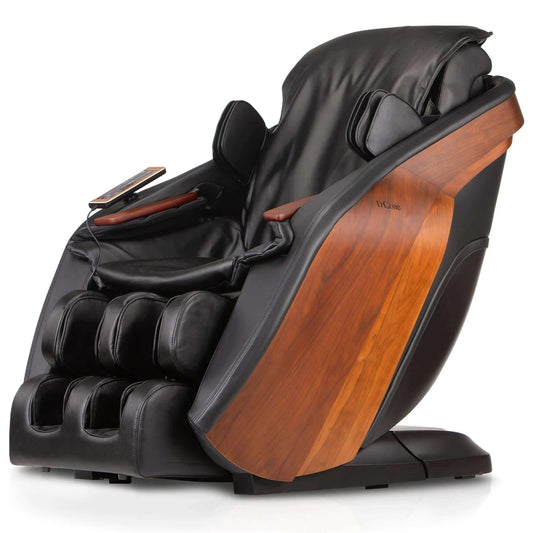
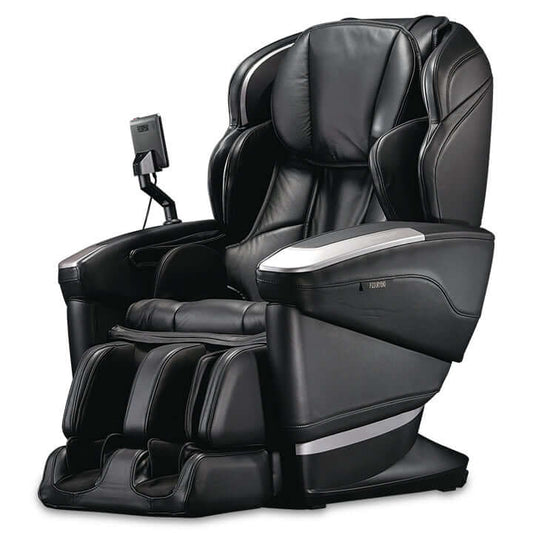

Fujiiryoki Massage Chair Masterclass: Techniques and Full-Body Wellness
In 2026, Fujiiryoki continues to set the standard for massage chair innovation, blending spa-grade technique with intelligent engineering. This expansive, presentation-style masterclass delves into how chair-based sessions can deliver targeted techniques from ankle to head and across the full body. You will discover how classic modalities translate into a precise, personal experience that supports blood flow, flexibility, and recovery, all within the comfort of home.
Masterclass Overview
This masterclass is designed to reveal the artistry behind sequencing modalities for optimal wellness outcomes. It covers mapping traditional techniques to chair-driven sessions, adapting pressure profiles, and leveraging smart features that tailor therapy to individual bodies and daily needs.
- Translate traditional massage modalities into chair-based equivalents that cover ankles, feet, calves, legs, back, neck, shoulders, arms, hands, and head.
- Identify ideal modality pairings for relaxation, muscle tissue work, trigger points, and reflex zones.
- Learn how to combine modalities for enhanced blood flow, improved flexibility, and accelerated recovery cycles.
- Discover how intelligent sensors, presets, and user profiles personalize every session.
Technique Deep Dive: Swedish Massage
Swedish technique in a high-end chair emphasizes long, flowing strokes and light-to-moderate pressure that promote relaxation and systemic circulation. The chair reproduces these motions along large muscle groups such as the calves, thighs, back, and shoulders. Benefits include reduced muscle tension, improved peripheral circulation, and a relaxed nervous system that primes the body for deeper work later in a session.
Technique Deep Dive: Deep Tissue Massage
Deep tissue work targets the deeper layers of muscle and fascia. In a chair, the rollers apply firmer, focused pressure along the spine, around the shoulder blades, hips, and thigh muscles. This modality helps release stubborn adhesions and supports post workout recovery, injury prevention, and sustained mobility when used with mindful duration and gradual ramping of intensity.
Technique Deep Dive: Trigger Point Massage
Trigger points are localized knots that refer pain and stiffness. The system can map outlet points across the upper back, neck, and hips and apply sustained pressure over small areas to mechanically deactivate knots. Regular sessions may reduce headaches, neck tension, and localized low back pain when integrated with comprehensive stretch work in a holistic routine.
Technique Deep Dive: Acupressure
Acupressure style stimulation focuses on key meridian points to balance energy flow while promoting relaxation. The chair uses targeted nodal pressure along the neck, shoulders, arms, feet, and hands. This modality supports pain relief, improved energy balance, and a sense of lightness after unwinding from daily stress.
Technique Deep Dive: Shiatsu Massage
Shiatsu in a chair relies on finger-like kneading pressure and strategic compressions combined with gentle stretching. Applied along the spine, hips, legs, and arms, Shiatsu helps restore mobility, reduce muscle guarding, and improve range of motion through guided stretching integrated into the session, mirroring traditional hands-on technique.
Technique Deep Dive: Reflexology
Reflexology zones on the feet and hands receive enhanced stimulation through rolling nodes and compression patterns. Foot and hand reflexology can improve microcirculation in the lower limbs, ease fatigue, and support overall relaxation by addressing reflex maps associated with systems throughout the body. This modality complements other techniques by promoting systemic balance.
Technique Deep Dive: Kneading
Kneading is a fundamental motion that resembles manual kneading on large muscle groups. In a chair, kneading sequences run along the back, glutes, legs, and arms to lift tension, improve tissue texture, and prepare the body for deeper modalities when used as part of a holistic routine.
Targeted Body Parts Covered
- Ankle
- Back
- Calf
- Feet
- Hands
- Head
- Heel
- Knee
- Legs
- Neck
- Shoulder
- Thigh
- Whole Body
- Wrist
Biomechanics of Ankle-to-Head Coverage
Modern chair systems choreograph a path from the lower extremities upward, simulating a therapist's strokes from ankle to head. The journey includes plantar and arch engagement, calf compression, hamstring and glute work, lumbar and thoracic alignment, cervical support, and gentle scapular stabilization. This sequencing helps maintain symmetrical posture, reduce edema, and support venous return, especially after activity or long periods of inactivity.
Benefits for Blood Flow, Flexibility, and Recovery
- Blood Flow Enhancement: Targeted pressure and rhythmic strokes help move venous blood toward the heart and improve microcirculation in muscle tissue.
- Fatigue Relief: Balanced sessions reduce residual fatigue after workouts or long days at work.
- Flexibility Improvement: Dynamic stretches and assisted range-of-motion work gradually expand joint mobility.
- Injury Recovery Support: Gentle to deep work aids tissue repair and maintains mobility during rehab while minimizing re-injury risk.
- Muscle Therapy: A blend of kneading, trigger point work, and deeper pressure addresses tension hotspots and muscle density.
- Pain Relief: Consistent sessions can ease chronic stiffness in the back, neck, shoulders, knees, and hips.
- Spine Alignment: Targeted therapy along the spine can help alleviate misalignment tensions and improve posture.
- Stress Relief: Relaxation and balanced energy flow promote mental calm and resilience in daily life.
- Tissue Health: Increased circulation supports tissue pliability and faster recovery between sessions.
Choosing the Right Model for Your Wellness Goals
- Model capabilities: Look for rollers, airbags, heat modules, foot and calf programs, and AI personalization.
- Seating comfort and fit: Ensure adjustable leg rest length, headrest support, and overall ergonomics for your height and proportions.
- Program variety: Confirm a broad library of Swedish, deep tissue, trigger point, acupressure, shiatsu, reflexology, and kneading presets.
- Safety and durability: Seek robust build quality, auto shutoff features, and clear usage guidelines for safe, progressive therapy.
Maximizing Results: A Practical Guide to Using Your Chair
- Plan a routine: 20 to 40 minutes per session, several times per week, with a gradual increase in intensity.
- Warm up with lighter modalities like Swedish and reflexology to prepare tissues.
- Progress to deeper work: Introduce deep tissue and trigger point later when muscles are pliable.
- Sequence by goal: start with circulation and relaxation, move to flexibility work, and finish with targeted tissue therapy.
- Target specific zones: prioritize neck and shoulders, lower back, calves, and feet based on daily demands.
- Monitor feedback: adjust pressure if numbness, pins, or sharp pain occur and seek clinician guidance if issues persist.
- Consistency over intensity: steady, repeated sessions yield better long-term outcomes than sporadic hard sessions.
Practical Session Architectures for Different Goals
Whether you seek daily relief, post-workout recovery, or structured rehabilitation support, you can tailor sessions around three archetypes:
- Relaxation and blood flow focus: Swedish plus reflexology and gentle kneading.
- Flexibility and mobility focus: Combined kneading with assisted stretches and light acupressure.
- Targeted tissue therapy: Deeper work with deep tissue and trigger point sequences, followed by gentle cooling down with massage.
Integration with Fitness and Daily Wellness
Integrate chair sessions with a broader wellness routine to amplify benefits:
- Pre-workout preparation: Mild Swedish and kneading to loosen tissues and prime movement.
- Post-workout recovery: Deeper tissue work and trigger point release to reduce soreness and speed recovery.
- Evening wind-down: Acupressure and reflexology to reduce stress and improve sleep quality.
Safety, Contraindications, and Best Practices
- Consult a clinician if you have recent surgery, acute injury, or chronic conditions affecting circulation, and use the chair within medical guidance.
- Avoid excessive pressure on injured joints or inflamed areas; begin with lower intensity and gradually increase.
- Discontinue use if you experience numbness, tingling, or persistent pain and seek professional advice.
- Stay hydrated and maintain a balanced routine to support tissue health and recovery.
Maintenance, Longevity, and Care
To ensure peak performance and longevity of your chair:
- Regularly clean cushions and surfaces with manufacturer-approved cleaners.
- Inspect moving components for wear and perform routine maintenance as recommended by the manufacturer.
- Update software and firmware to access the latest therapy presets and safety features.
- Use a compatible floor mat and proper placement to protect your chair from damage and ensure smooth operation.
Historical Context: Evolution of Massage Chair Therapy
From early mechanical rollers to modern AI-driven systems, massage chairs have evolved to combine scientifically informed techniques with adaptive comfort. The synthesis of Swedish, deep tissue, trigger point, acupressure, shiatsu, reflexology, and kneading in one device represents a mature convergence of tradition and technology. The result is a scalable wellness solution that supports daily life while offering the depth of professional therapy.
Case Observations: What Real Users Report
Across varied body types and activity levels, users report improvements in muscle tone, reduced perceived pain, better sleep, and enhanced daily energy when combining consistent sessions with mindful movement and hydration. Individual results vary based on starting condition, adherence, and the balance of modalities used in each session.
FAQ: Quick Answers for Prospective Users
- Is it safe for daily use? Yes, many users benefit from regular sessions when following guidelines and starting with moderate intensity.
- Can it replace professional therapy? It complements clinical care, especially for maintenance, but should not replace medical treatment for specific injuries without professional advice.
- Which modalities should I start with? Begin with Swedish and reflexology to warm tissues, then gradually add deeper modalities as comfort allows.
- How long should a typical session be? 20 to 40 minutes is common, depending on goals and tolerance.
Closing Thoughts: A Path to Consistent, Holistic Wellness
By integrating a spectrum of modalities from Swedish to kneading in a thoughtfully designed chair, you unlock a scalable, science-informed approach to wellness. The journey from ankle to head emphasizes blood flow, flexibility, and recovery, while also supporting relaxation, stress relief, and tissue health. Whether you seek daily serenity, athletic recovery, or structured therapeutic support, this presentation-style masterclass outlines a practical, personalized path to holistic well-being that can fit into modern life.
Tags:
Previous
Fujiiryoki Massage Chairs: Targeted Techniques for Full-Body Wellness
Next
Fujiiryoki Massage Chair Techniques: Swedish to Shiatsu Guide