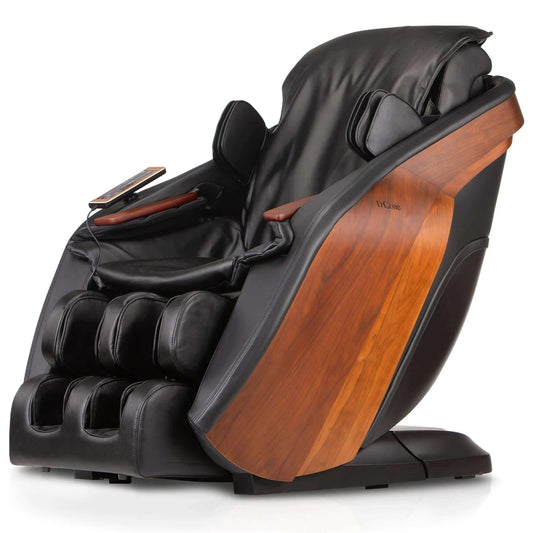
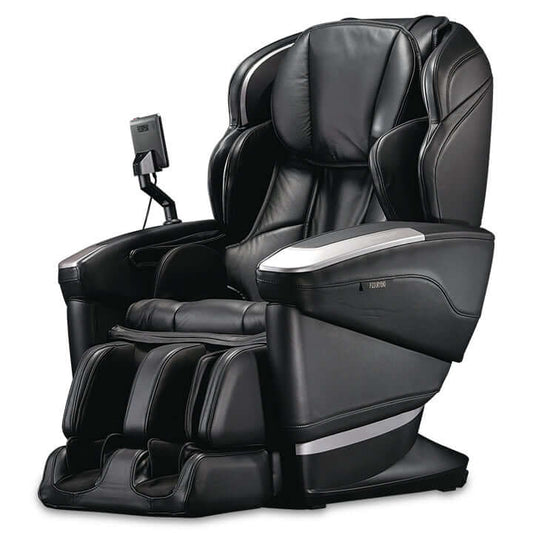

Fujiiryoki Massage Chairs: Targeted Techniques for Full-Body Wellness
In 2026, Fujiiryoki massage chairs continue to redefine how we experience wellness at home. This comprehensive visual masterclass explores how targeted techniques—including Swedish, Shiatsu, Deep Tissue, Reflexology, and Acupressure—translate into ankle-to-head care and full-body benefits. Built with precision engineering, adaptive comfort, and data-driven personalization, these chairs map your body’s needs and respond with sequences that can soothe, restore, and energize in ways that professional therapy once reserved for clinics could only promise. Whether you’re recovering from activity, seeking daily stress relief, or pursuing sustained mobility, the Fujiiryoki platform offers a scalable, user-friendly path to ongoing wellness.
What Sets Fujiiryoki Apart in 2026
- Zone-based therapy that targets the ankles, feet, calves, knees, thighs, back, neck, shoulders, arms, wrists, hands, and head, enabling precise, holistic care.
- AI-driven personalization and adaptive feedback that tailor patterns to your body type, posture, and real-time response to pressure and heat.
- An extensive program library that weaves multiple modalities into cohesive sessions, including kneading, rolling, percussion, and point-based triggering.
- Ergonomic design, whisper-quiet operation, and intuitive controls that support consistent daily use, recovery routines, and slow-wake-up sessions.
Technology That Makes Targeted Care Possible
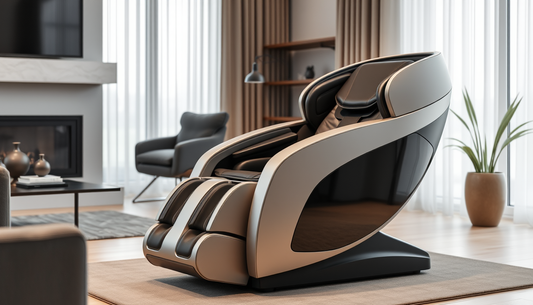
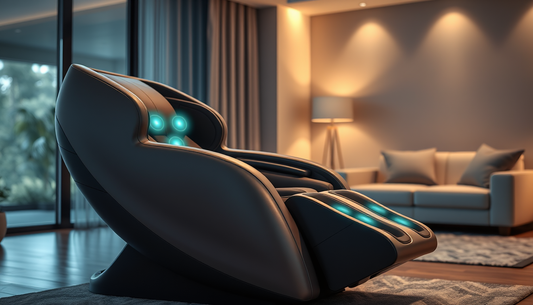
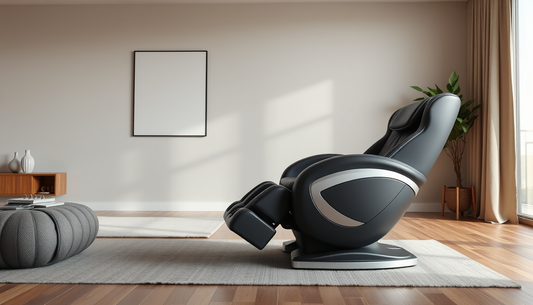
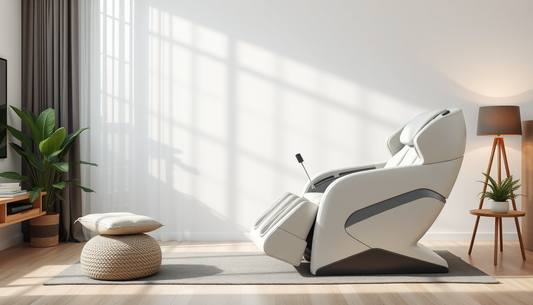
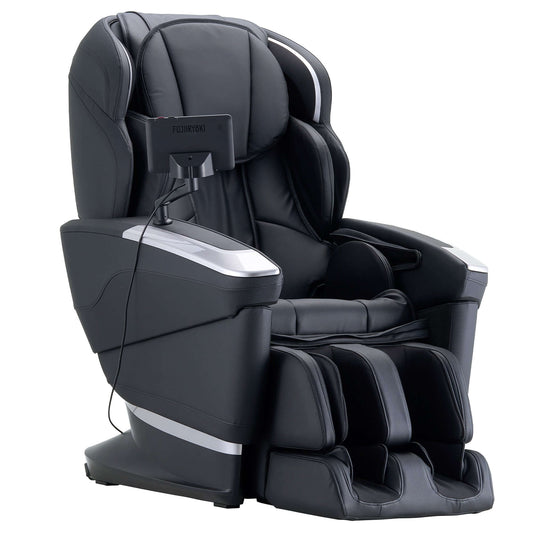
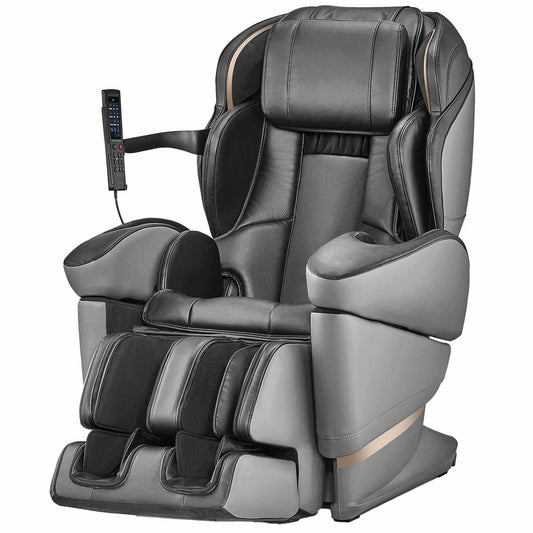
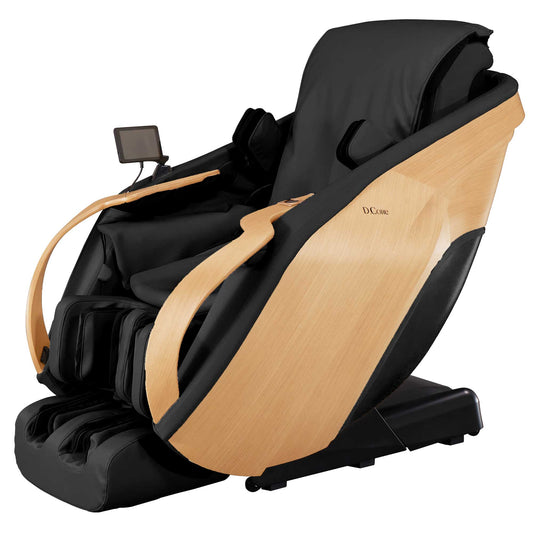
Fujiiryoki’s approach blends mechanical engineering with intelligent software. A network of sensors tracks posture, weight distribution, and limb position, while actuators adjust roller paths, tilt, and leg elevation. Airbags deliver precise compression to calves, ankles, thighs, and feet, creating a multi-layered massage experience. The result is a chair that can switch from a gentle unwind to a deep-tissue session in a single program, all while maintaining alignment and comfort.
In practice, these technologies allow therapists-in-training and enthusiasts alike to simulate a spectrum of modalities without leaving home. The chair’s memory profiles enable you to store your preferences, so a pre-session setup can be as simple as selecting your target zone and intensity. For users with varying needs—athletes, desk workers, older adults, or those managing chronic pain—the system can adapt to day-to-day changes in stiffness and energy levels.
Massage Techniques & How They Drive Ankle-to-Head Wellness
The core modalities work in concert across body zones, producing a cascade of physical and neural responses. Below is a practical guide to how each technique translates to targeted care.
- Swedish Massage — long, gliding strokes along the length of the limbs promote circulation, lymphatic movement, and a sense of overall relaxation. When applied from the ankles to the head, Swedish work can loosen the kinetic chain, reducing postural tension and soft-tissue stiffness.
- Deep Tissue Massage — targeted, deeper pressure that engages the deeper fascia and muscle layers. This modality is especially beneficial for chronic tightness, post-exercise recovery, and the gradual release of stubborn knots across the back, shoulders, neck, and hips.
- Trigger Point Massage — precise pressure on reactive points interrupts the pain-spasm cycle and alleviates referred pain patterns. It’s particularly effective for tight calves, plantar fascia, and shoulder girdle restrictions.
- Acupressure — finger-like, point-specific pressure along energetic meridians helps balance tension and promote smoother energy flow. This can translate into reduced neck and shoulder stiffness and improved spine comfort.
- Shiatsu Massage — rhythmic finger and palm presses along acupuncture-inspired channels stimulate tissue pliability and nervous-system relaxation, often addressing stress-induced tenderness in the upper body.
- Reflexology — stimulating zones on the feet and hands to influence distant body regions. For many users, reflexology pathways correlate with improved circulation and a sense of holistic release.
- Kneading — a classic compress-and-release technique that increases tissue pliability, reduces micro-adhesions, and heightens comfort during longer sessions.
Targeted Body Parts: From Ankle to Head
- Ankle
- Back
- Calf
- Feet
- Hands
- Head
- Heel
- Knee
- Legs
- Neck
- Shoulder
- Thigh
- Wrist
- Whole Body
Mapping the Full-Body Routine: Zones, Programs, and Timing
One of the most compelling aspects of a Fujiiryoki chair is its ability to sequence treatment across multiple zones in a single session. Typical routines begin with a gentle warm-up to ease the joints and fascia, followed by progressive work that targets deeper layers. Some programs emphasize a leg-first approach to improve venous return, while others prioritize upper-body relief to address posture-related tension from long periods at a desk. Users can customize session duration, segment focus, and intensity ramping to suit daily habits or pre/post-workout needs.
Full-Body Benefits You Can Expect
- Blood Flow Control — enhanced circulation supports tissue oxygenation, nutrient delivery, and waste removal, contributing to faster recovery and reduced fatigue.
- Fatigue Relief — a combination of decompression, rhythmic compression, and soothing heat can lower perceived fatigue after work or athletic activity.
- Flexibility Improvement — consistent tissue mobilization and fascia release can expand range of motion over weeks and months.
- Injury Recovery — a guided approach to tissue healing supports reduced stiffness and improved mobility while avoiding abrupt strain.
- Muscle Therapy — targeted work on major muscle groups reduces knots, soreness, and post-exercise stiffness.
- Pain Relief — multi-modal therapy can alleviate localized discomfort and referred pain when used with appropriate intensity and frequency.
- Spine Alignment — subtle elevation, pelvic and lumbar cues, and mindful stretch sequences help minimize biomechanical stress in daily activity.
- Stress Relief — a calming neural response and endorphin release promote mood improvement and restful relaxation.
- Tissue Therapy — improved tissue quality is supported by rhythmic kneading and rolling, encouraging long-term resilience and pliability.
Why This Visual Masterclass Delivers Value
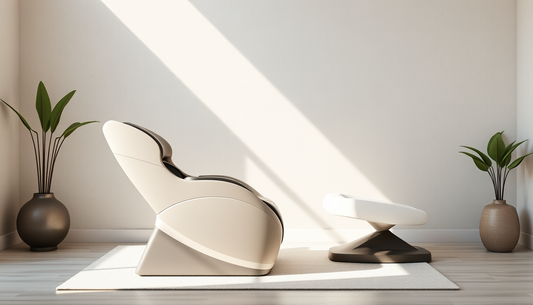
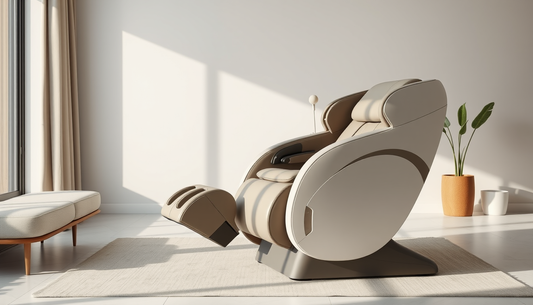
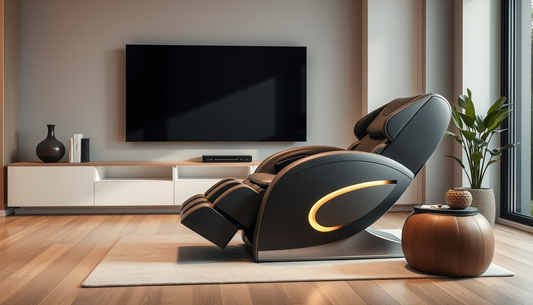
The visual format offers a tangible understanding of how each zone and modality interacts with the body. Viewers can observe the chair’s coverage patterns, see how posture adjustments influence contact points, and understand the rationale behind sequencing choices. For home wellness, clinical recovery programs, and ongoing maintenance, the combination of engineering precision and modality variety makes Fujiiryoki a versatile ally in daily health routines.
Choosing the Right Fujiiryoki Model for Your Goals
- Coverage and Zoning — determine which zones you need most (back, neck, legs, feet, arms) and verify the chair can deliver robust support in those areas.
- Adjustability — examine control ranges for intensity, roller speed, leg elevation, and airbag pressure to match your body type and tolerance.
- Programs and Library — look for a diverse library that blends modalities and allows for custom sequencing across multiple body parts.
- Heat, Sound, and Comfort — consider integrated heat for muscle relaxation, quiet operation for home environments, and ergonomic chair geometry that accommodates different heights and leg lengths.
- Maintenance and Warranty — review service plans, software updates, and parts warranties to ensure long-term reliability and value.
How to Use Your Chair for Optimal Results
- Begin with a light warm-up session to acclimate the muscles and joints before deeper work.
- Set clear targets (e.g., lower-back tension, plantar fascia discomfort, neck stiffness) and adjust the zone coverage accordingly.
- Alternate modalities within a single session to maximize synergy, such as a Swedish warm-up followed by Shiatsu and Trigger Point release.
- Incorporate pre- and post-session stretching or mobility work to extend the benefits of the chair’s therapy.
- Use consistent schedules (e.g., 20–30 minutes, 3–4 times per week) to build momentum and track improvements over time.
Safety, Maintenance, and Longevity
To maximize safety and durability, follow the manufacturer’s guidelines for weight limits, reset procedures, and care routines. Regularly inspect rollers, airbags, and sensor surfaces for wear. Keep the upholstery clean with mild cleaning solutions and avoid abrasive materials. When not in use, store or position the chair in a stable, clutter-free area to prevent accidental damage. Regular software updates can add new patterns and refinements, extending the chair’s usefulness in the home wellness ecosystem.
Frequently Asked Questions (FAQs)
- Can these chairs replace my physical therapy? They are designed to complement therapy and home wellness routines, not replace professional medical advice. If you have an acute injury or medical condition, consult a clinician before starting new massage therapies.
- Do Fujiiryoki chairs work for older adults? Yes, with adjustable intensity and supportive seating geometry, these chairs can provide safe, comfortable relief when used within appropriate guidelines.
- How long should I use the chair each session? Start with shorter sessions (10–15 minutes) and gradually extend to 20–30 minutes as comfort allows, paying attention to how your body responds.
- Is heat important in the therapy? Integrated heat can enhance tissue pliability and relaxation, but it should be used in moderation if you have conditions affected by heat sensitivity.
- Can I customize sequences across multiple zones? Yes. Many Fujiiryoki models support multi-zone sequencing and custom routines to fit your goals.
Conclusion
Fujiiryoki massage chairs offer a compelling blend of clinically inspired modalities, advanced engineering, and home-friendly design. By mapping the body from ankle to head and delivering a versatile library of techniques—from Swedish to reflexology—these chairs enable consistent, targeted therapy that supports full-body wellness and daily recovery. In 2026, investing in a high-quality massage chair can be a proactive step toward better circulation, reduced fatigue, improved flexibility, and reduced stress—delivered in a way that feels both luxurious and scientifically grounded. If you’re seeking a durable, adaptable platform that can evolve with your needs, this visual masterclass demonstrates not just what the chairs can do, but how they do it—and why that matters for ongoing health and vitality.
Tags:
Previous
Fujiiryoki Massage Chairs: Head-to-Toe Wellness Techniques
Next
Fujiiryoki Massage Chair Masterclass: Techniques and Full-Body Wellness