
Fujiiryoki Massage Chairs: Head-to-Toe Wellness Techniques
Introduction
In 2026, Fujiiryoki massage chairs stand at the forefront of at‑home wellness technology. This comprehensive guide uses a visual presenter style to explain how targeted techniques translate into real, measurable benefits for head‑to‑toe wellness. You will explore Swedish, Deep Tissue, Trigger Point, Shiatsu, Reflexology, Acupressure, and Kneading, with clear demonstrations, chair presets, and region‑focused sequencing designed to maximize each technique. By combining clinical insight with practical chair controls, this guide helps you design sessions that fit your schedule, space, and wellness goals.
What a Visual Presenter‑Style Guide Delivers for Massage Therapy
- Clarity through organized, repeatable demonstrations that mirror a therapist’s progression
- Self‑care that scales with your routine, from quick 10‑minute refreshers to longer recovery sessions
- High‑contrast regional mapping so you can target specific areas with confidence
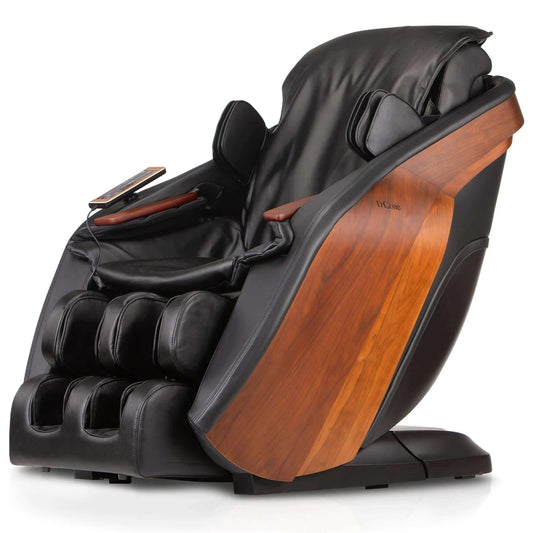
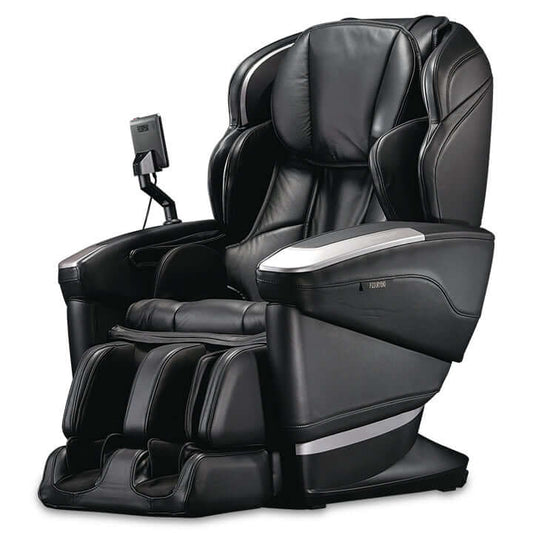
- Maximized use of Fujiiryoki chair technology, including body mapping, presets, heat, and airbags
Targeted Body Parts Covered
- Ankle
- Back
- Calf
- Feet
- Hands
- Head
- Heel
- Knee
- Legs
- Neck
- Shoulder
- Thigh
- Whole Body
- Wrist
Massage Techniques: An In‑Depth Guide
Swedish Massage
Overview: Swedish massage uses a rhythmical sequence of long, gliding strokes to promote circulation, muscle relaxation, and nervous system calm. In Fujiiryoki chairs, adjustable pace, stroke patterns, and cushioned contact replicate classic Swedish proportions while leveraging the chair’s dynamic surface and heat therapy.
- Benefits: improved circulation, relaxation, stress reduction
- Targeted areas: whole body with emphasis on back, shoulders, legs
- Ideal for: fatigue relief, flexibility maintenance, general wellness
Deep Tissue Massage
Overview: Deep tissue targets deeper muscle layers and connective tissue to relieve chronic tension and postural strain. Fujiiryoki presets adjust intensity, contact duration, and angular coverage to simulate slow, deliberate pressure on key muscle groups without overwhelming sensitive areas.
- Benefits: reduces deep muscle tension, supports injury recovery, alleviates focal pain
- Targeted areas: back, shoulders, thighs, calves
- Ideal for: stubborn knots, post‑exercise soreness, chronic tightness
Trigger Point Massage
Overview: Trigger point therapy focuses on tightly contracted points within muscle tissue that refer pain to surrounding areas. Chair programs identify common trigger zones and apply controlled, focused pressure, often combined with heat and contouring to maintain comfort.
- Benefits: relief from focal pain, improved range of motion
- Targeted areas: neck, shoulders, lower back, hips
- Ideal for: myofascial restrictions, repetitive strain injuries
Acupressure
Overview: Acupressure applies deliberate pressure to energy points along traditional meridians. Fujiiryoki chairs simulate precise fingertip pressure to balance energy flow and ease tension, often integrated with heat and rhythmic pulses for depth and comfort.
- Benefits: pain relief, improved circulation, energy balance
- Targeted areas: neck, shoulders, back, hands
- Ideal for: musculoskeletal discomfort and stress modulation
Shiatsu Massage
Overview: Shiatsu uses finger‑tip and palm pressure with rhythmic impulses. The chair reproduces therapist hand movements across energy pathways to release muscular stiffness and restore movement quality.
- Benefits: improved energy flow, reduced muscle tension, better posture
- Targeted areas: neck, shoulders, back, legs
- Ideal for: chronic tension, mood elevation, enhanced joint comfort
Reflexology
Overview: Grounded in the map of the feet and hands, reflexology stimulates zones corresponding to organs and systems. Fujiiryoki systems use targeted pressure patterns on the feet and hands to promote systemic balance and a sense of vitality.
- Benefits: overall relaxation, improved circulation, energized feel
- Targeted areas: feet and hands primarily, with indirect whole‑body benefits
- Ideal for: daytime fatigue, edema management, stress relief
Kneading
Overview: Kneading mimics manual lifting and compressing of muscle tissue to release tight bands and improve tissue pliability. This technique pairs well with other modalities for comprehensive relief across large muscle groups.
- Benefits: enhanced circulation, muscle loosening, increased tissue pliability
- Targeted areas: back, thighs, calves
- Ideal for: post‑exercise recovery, stiffness reduction, general relaxation
Regional Strategy for Head‑to‑Toe Wellness
A regional approach helps you structure sessions that address both local relief and systemic balance. Use a modular sequence that can be adjusted by goal, time, and energy level.
- Feet, Ankles, and Calves: combine Reflexology with Kneading for improved venous return and lower‑leg vitality
- Back and Shoulders: start with Swedish for relaxation, then layer in Shiatsu and Trigger Point for posture support
- Neck and Head: Shiatsu and Acupressure to relieve tension and support cognitive clarity
- Hands and Wrists: Acupressure and Trigger Point to address desk‑related strain
- Thighs and Knees: Deep Tissue combined with Kneading to loosen large muscle groups
- Whole Body Routine: a balanced cycle alternating gentle Swedish with targeted deep work
Benefits of Fujiiryoki Massage Chairs for Head‑to‑Toe Wellness
- Blood Flow Control
- Fatigue Relief
- Flexibility Improvement
- Injury Recovery
- Muscle Therapy
- Pain Relief
- Spine Alignment
- Stress Relief
- Tissue Therapy
Technology Behind the Visual Presenter Experience
Fujiiryoki chairs leverage an integrated platform that maps your body, adapts in real time, and presents your session as a guided sequence. Key components include body scanning to identify contour and pressure points, 3D or 4D massage capabilities for dynamic contact, heated surfaces for tissue softening, and a rich preset library that lets you preview and switch modalities without interrupting your flow. This section explains how those features translate into a practical, visual session plan.
- Body mapping: real time contour recognition to personalize pressure zones
- Dynamic reach: massage heads adjust angle and depth to follow muscle groups
- Heat therapy: targeted warmth to warm tissues and relax fascia
- Airbag system: calibrated inflation for limb support and circulation
- Presets and customization: save your own regional programs and adjust intensity by zone
Getting the Most from Your Fujiiryoki Chair
Maximize results by integrating thoughtful preparation, session structure, and post‑session care. The following steps help you design a routine that grows with your needs.
- Begin with a 10–15 minute acclimation session to gauge comfort and responsiveness to presets
- Choose a primary goal for the session, then layer complementary modalities
- Customize intensity, speed, and contact pressure in small increments to avoid overstimulation
- Position the chair correctly: align the headrest, leg rest, and cushions to your body shape
- Hydrate before and after your session to support circulation and tissue repair
- Plan a weekly rhythm that alternates modalities and regions for balanced wellness
- Consult a healthcare professional if you have a medical condition or injury before starting a new routine
Safety, Contraindications, and Best Practices
Massage therapy, even at home, should be approached with care. The Fujiiryoki system offers levels of intensity and presets that can accommodate most users, but certain conditions require caution or medical advice before use.
- Avoid sessions if you have recent surgeries, acute injuries, or severe swelling in the treated areas
- People with implanted devices, pregnancy, or certain cardiovascular issues should seek medical clearance
- Use lower intensity on first use and gradually increase as comfort allows
- Never use while driving or operating heavy machinery
- Stop immediately if you experience dizziness, sharp pain, or numbness
Maintenance, Cleaning, and Longevity
Proper care protects your investment and keeps the chair performing at peak. Establish a simple routine that covers cleaning, filter care, and inspection of moving parts.
- Wipe surfaces with a soft, damp cloth and mild detergent; avoid harsh chemicals
- Clean foot and calf massage areas regularly where residue and oils accumulate
- Inspect airbags and seams for wear; address any leaks promptly
- Follow the manufacturer’s schedule for filter replacements and software updates
- Keep the chair in a clean, dry, climate‑controlled space to protect electronics
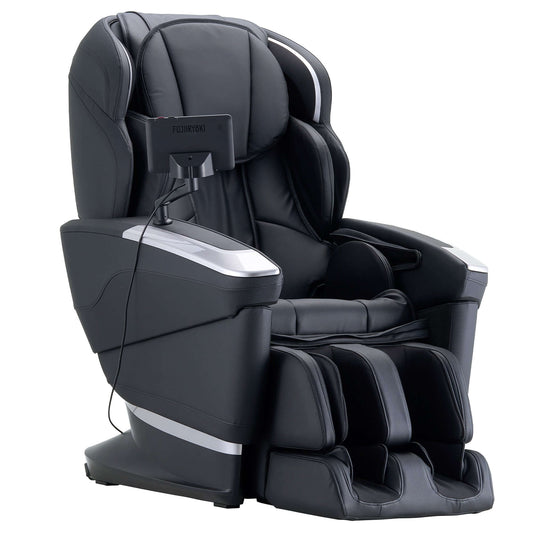
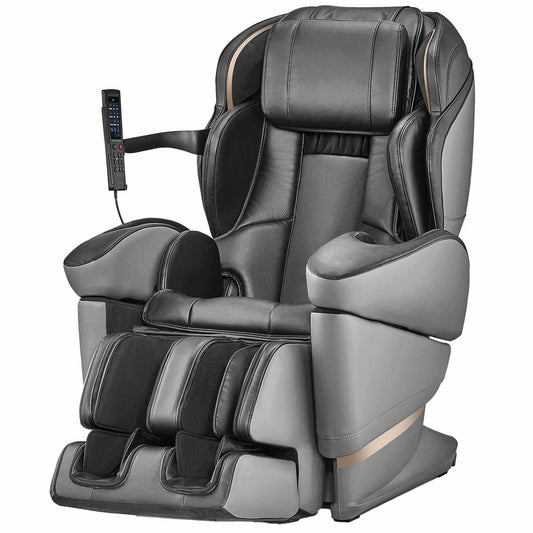
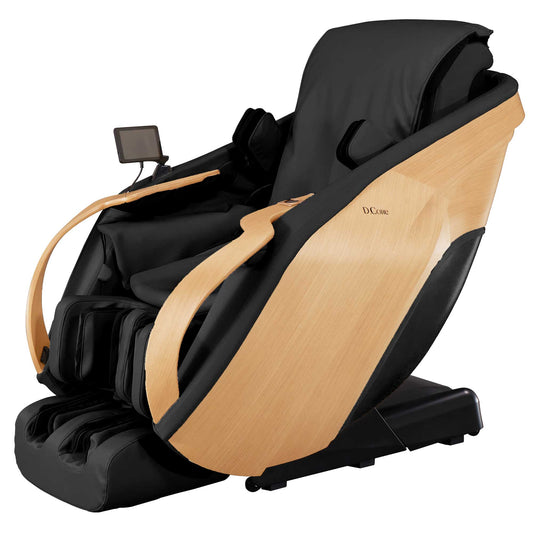
Choosing the Right Fujiiryoki Chair for Your Home
Selecting the right model begins with assessing space, budget, and your wellness goals. Consider these criteria:
- Room size and power supply: ensure clearance for leg rests and swing arms
- Feature set: body mapping depth, heat zones, airbag reach, number of massage heads
- Adjustability: seat width, leg rest length, recline range, and insulation for quiet operation
- Presets and customization: whether the chair allows per‑region programming and saving favorites
- Warranty and service: coverage on mechanics, electronics, and upholstery
Case Studies and Real‑World Scenarios
Real users report meaningful improvements when combining a regional approach with varied modalities. Here are a few representative scenarios.
- Office Fatigue to Evening Restoration: A desk‑bound professional uses a weekly 30‑minute session focusing on calves, back, and neck, rotating Reflexology and Swedish to ease fatigue and promote sleep quality.
- Athlete Recovery: An amateur runner integrates Deep Tissue on the lower limbs and Trigger Point care for glutes and hip flexors, followed by Kneading to reset tissue pliability after long runs.
- Chronic Tension and Stress: A dual‑phase routine alternates Shiatsu and Acupressure for head‑to‑neck relief, with intermittent Swedish for relaxation and mood balance.
Frequently Asked Questions
- How long should a typical session last? Most users begin with 10–20 minutes and gradually extend to 30–45 minutes as comfort allows.
- Can these chairs replace physiotherapy? They can complement professional care, but they should not replace medical treatment when required.
- Are there contraindications? Yes, consult a clinician if you have recent surgery, severe injuries, pregnancy, or implanted devices.
- What is the advantage of a visual presenter style? It helps you plan, visualize, and execute a consistent routine, making progress trackable and session‑specific.
Conclusion
Fujiiryoki massage chairs empower you to pursue head‑to‑toe wellness through a thoughtfully designed, visually guided routine. By combining Swedish, Deep Tissue, Trigger Point, Shiatsu, Reflexology, Acupressure, and Kneading within a regional strategy, you can tailor at‑home sessions to your goals, body map, and lifestyle. With careful selection, proper maintenance, and a structured approach, you can transform your chair into a personal wellness studio that supports mobility, vitality, and everyday resilience.
Tags:
Previous
Fujiiryoki Massage Chairs: Complete Technique Masterclass
Next
Fujiiryoki Massage Chairs: Targeted Techniques for Full-Body Wellness