
Fujiiryoki Massage Chairs: Complete Technique Masterclass
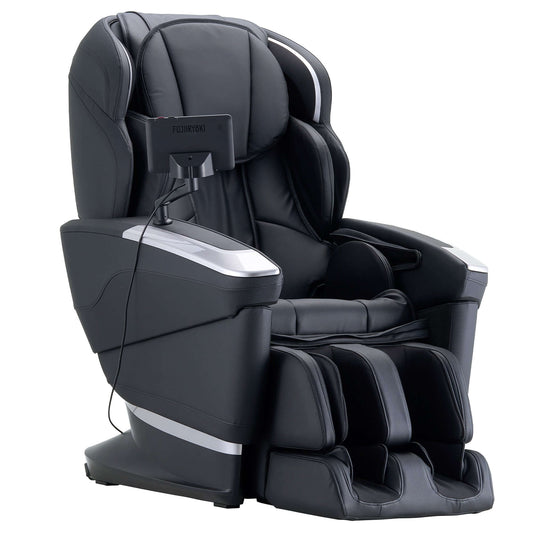
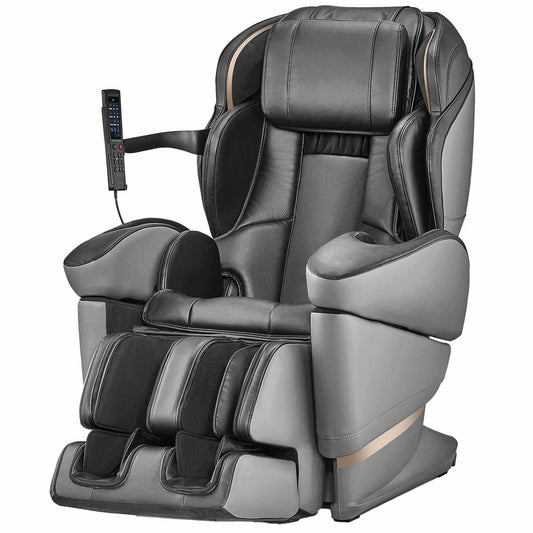
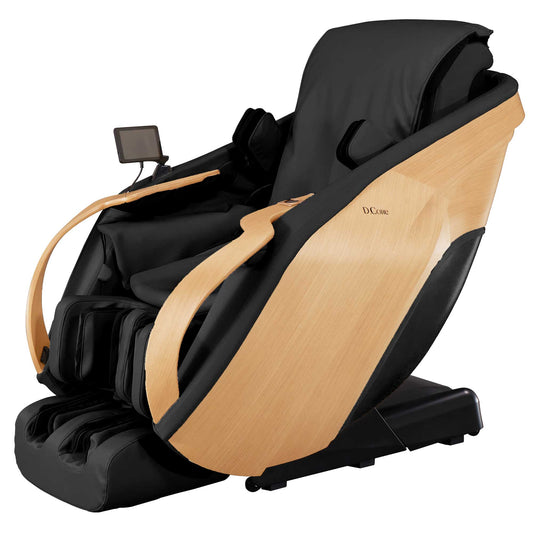
Fujiiryoki massage chairs have become a benchmark for home wellness, offering sophisticated engineering that targets the entire body from ankle to head. In this masterclass we explore how Swedish, Shiatsu, Deep Tissue, Reflexology, Acupressure, and Kneading work together in Fujiiryoki models to improve circulation, relieve tension, and support mobility. Whether you are recovering from an injury, managing chronic pain, or simply seeking daily stress relief, these chairs provide a customizable pathway to consistent self care.
Why Fujiiryoki Delivers Ankle to Head Wellness
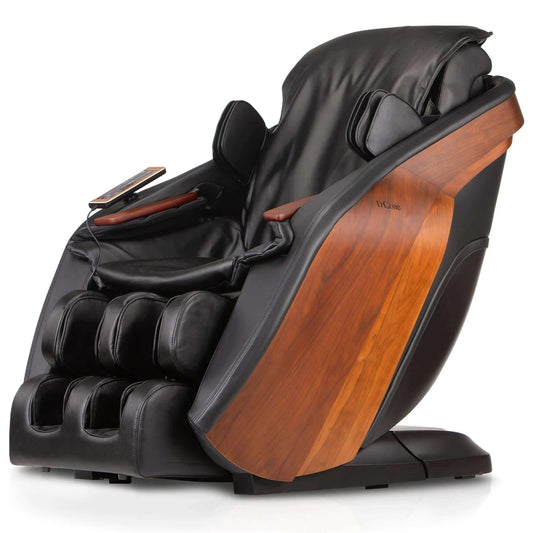
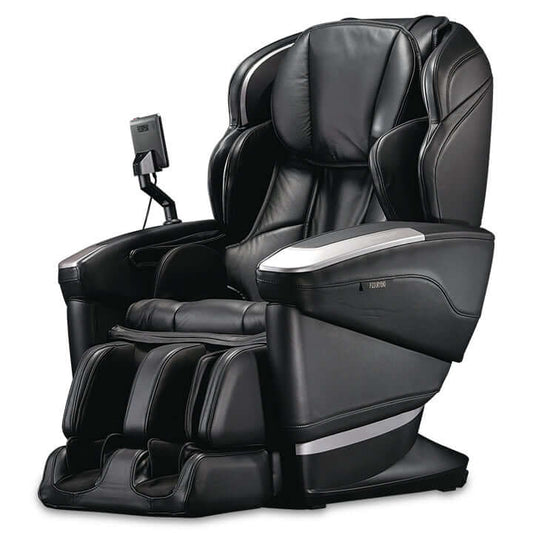
Fujiiryoki chairs are designed to deliver precise full body therapy with customizable intensity, speed, and focus. Their advanced sensing and adaptive programs map your body so the massage follows your contours from the ankles up to the neck and shoulders. Features such as extended spine paths, foot and calf automation, and heat facilitated circulation work together to create a studio quality session in the comfort of home. The result is a personalized, ongoing wellness practice that supports recovery, fatigue reduction, and long term mobility.
Key Massage Techniques Employed
Swedish Massage in Fujiiryoki Chairs
Swedish massage in these chairs emphasizes gentle to moderate stroking and effleurage motions that promote relaxation and improve blood flow. The technique forms a soothing base that primes the muscles for more targeted therapies. In a chair setup you experience broad, long strokes that glide along the back, glutes, and legs, creating a comfortable doorway into deeper work without overwhelming the senses.
- Soothing start to reduce sympathetic stress response
- Enhanced circulation to deliver oxygen and nutrients to muscle tissue
- Relaxed fascia that prepares tissue for deeper therapies
Shiatsu Massage
Shiatsu relies on finger and palm pressure along traditional energy lines to release tension and restore balance. In a Fujiiryoki chair the shiatsu pathways are guided by a body scan that aligns pressure points with the user’s spine, neck, shoulders, and hips. This can help relieve stiffness, improve posture, and reduce discomfort associated with long periods of sitting.
- Targeted point work that resembles manual therapy
- Release of muscular knots and restrictions along the back and hips
Deep Tissue Massage
Deep tissue massage targets deeper muscle layers to address knots, adhesions, and chronic tension. In the chair, deliberate pressure and slower pacing reach the deep muscle planes of the back, thighs, calves, and legs. This technique is especially useful for athletes, desk workers, and anyone with persistent postural strain who needs to restore tissue quality and function.
- Breaks down adhesions that limit range of motion
- Reduces muscle soreness after activity
- Supports long term tissue resilience
Reflexology
Reflexology uses precise reflex points on the feet or hands to influence distant bodily systems. In Fujiiryoki chairs, reflexology can be integrated with kneading and other techniques to stimulate nerve endings, improve circulation, and encourage a sense of rest. Many users report reduced fatigue and improved energy balance after sessions that incorporate foot work.
- Enhanced energy flow and relaxation
- Potential improvement in digestive comfort and sleep quality
Acupressure
Acupressure in these chairs focuses on specific pressure points to ease tension and support energy flow throughout the body. This method is often paired with kneading or Swedish strokes to create a multi layer effect that calms the nervous system while addressing physical tightness in the shoulders, neck, and back.
- Targeted tension relief for chronic neck and shoulder strain
- Support for posture and spinal alignment through focal work
Kneading
Kneading is a classic massage movement that lifts and compresses muscle tissue to smooth stiffness and improve texture. In Fujiiryoki systems, kneading is used across large muscle groups as well as around joints, delivering a soothing yet thorough release that complements deeper therapies and helps maintain flexibility over time.
- Loosens muscle fibers and fascia
- Reduces perceived muscle tightness and improves tissue pliability
Trigger Point Massage
Trigger point therapy targets hyperirritable points within taut bands of muscle. In the chair, focused pressure locations help relieve referred pain patterns, especially in the upper back, neck, and shoulders. This technique is often used in tandem with Swedish or kneading sequences to broaden relief and restore smoother movement.
- Release of localized pain and stiffness
- Improved functional mobility in key joints
Targeted Body Parts and Therapy Pairings
From ankle joints to scalp, Fujiiryoki chairs offer advanced targeting to address common problem areas. The following expanded guide highlights major targets and the typical relief you can expect when the program is customized for your body:
- Ankle — improved circulation, reduced stiffness, and enhanced ankle mobility through a blend of Swedish and reflexology
- Calf — tension relief and increased flexibility via kneading and deep tissue work
- Heel — reduced pressure points and greater comfort during walking and standing through focused padding and pressure
- Foot and Toes — comprehensive foot therapy via reflexology and kneading for fatigue relief
- Legs — balanced muscle tone and boosted blood flow for endurance with continuous massage sequences
- Knee — eased surrounding tissue tension and decreased soreness after activity with targeted kneading
- Thigh — relaxation of large muscle groups to support mobility and recovery, especially after training
- Hip and Pelvis — improved alignment and reduced strain when standing or walking through integrated techniques
- Back — knots and stiffness addressed through kneading and deeper pressure work along the entire spine
- Neck and Shoulders — tension relief and better posture support for day to day comfort
- Wrist and Hands — targeted circulation and relief from overuse and repetitive strain
- Head and Scalp — calming stimulation to ease headaches and stress
- Whole Body — synchronized sequences that reset balance and promote overall wellness
Benefits You May Experience in Depth
In addition to the obvious sense of relaxation, the targeted techniques of Fujiiryoki chairs can contribute to several measurable wellness benefits. Here is a deeper look at how these therapies support daily life:
- Blood Flow and Circulation — improved venous return and arterial supply help reduce fatigue and accelerate recovery
- Fatigue Relief — restful sessions lower stress hormones and replenish energy stores
- Flexibility Improvement — regular kneading and deep tissue work improve tissue pliability and joint range
- Injury Recovery — safe, guided tissue mobilization can aid healing when prescribed by a clinician
- Muscle Therapy — soft tissue remodeling and reduced soreness after activity
- Pain Relief — targeted work on trigger points and tight bands lowers pain perception
- Spine Alignment — posture support through neck and back work reduces strain
- Stress Relief — parasympathetic activation through calm sequences and heat therapy
- Tissue Therapy — sustained improvements in tissue health from repeated sessions
How to Choose the Right Fujiiryoki Model for Ankle to Head Wellness
When selecting a model, consider the scope of body coverage, the intensity range, heat therapy availability, stretching and flexing capabilities, and the precision of point control for ankles, feet, knees, back, neck, and shoulders. Look for features such as automatic body scanning, multiple preset programs, and the ability to save user profiles so that two or more family members can tailor sessions to their unique needs. If possible, test the fit with a floor model to ensure the massage path aligns with your spine curvature and limb length.
Designing Your Personal Wellness Plan
Maximize benefits by structuring regular sessions that address both daily tension and longer term goals. A sample weekly plan could look like this: a 20 to 25 minute session focused on Swedish and light kneading for recovery on three weekdays, a 30 to 40 minute deeper session that blends deep tissue, trigger point, and reflexology two evenings a week, and a 15 minute quick reset in the morning with acupressure and shiatsu to ease stiffness from sleep. Always start with a warm up and finish with gentle stretching to extend gains across the day.
Tips for Getting the Most from Each Session
- Begin with a moderate intensity to gauge comfort and gradually increase as you acclimate
- Alternate between techniques in a single session to address multiple zones of tension
- Schedule regular sessions to sustain improvements in circulation, sleep quality, and stress reduction
- Pair sessions with light mobility work and hydration to support tissue recovery
Maintenance and Longevity
To keep a Fujiiryoki massage chair performing at its best, follow manufacturer guidelines for cleaning, hygiene, and routine checks. Regularly inspect cushions and foot mechanisms for wear, keep upholstery clean to prevent odor buildup, and ensure the chair’s software is updated to access the latest programs and safety features. A yearly professional service can help preserve performance and extend the chair’s lifespan.
Frequently Asked Questions
- Can these chairs replace professional physical therapy
- Is it safe to use during pregnancy
- How long should a typical session last
- Do the chairs offer heat therapy
- Can multiple people share the same chair without adjusting settings
Conclusion
Fujiiryoki massage chairs offer a powerful blend of targeted techniques designed to support ankle to head wellness. By combining Swedish, Shiatsu, Deep Tissue, Reflexology, Acupressure, Kneading, and Trigger Point therapies, you can address a broad spectrum of concerns from daily fatigue to ongoing movement limitations. If your goal is a home system that adapts to your body and your life, these chairs provide a compelling, evidence based path to ongoing wellbeing.
Tags:
Previous
Fujiiryoki Massage Chair Techniques & Benefits: A Presenter-Style Roadmap for Targeted Relief and Whole-Body Wellness
Next
Fujiiryoki Massage Chairs: Head-to-Toe Wellness Techniques