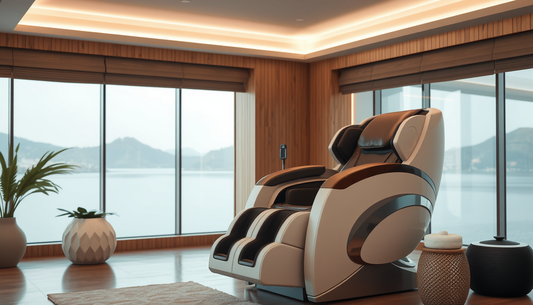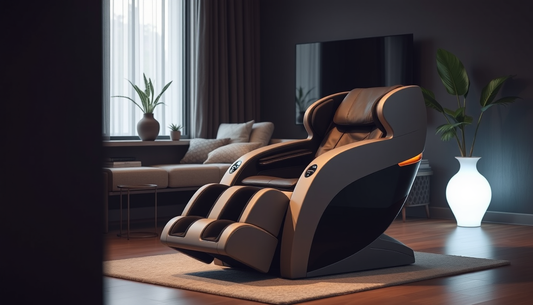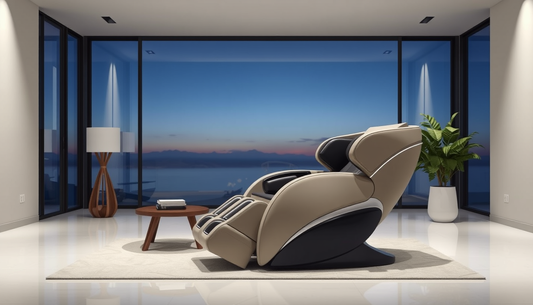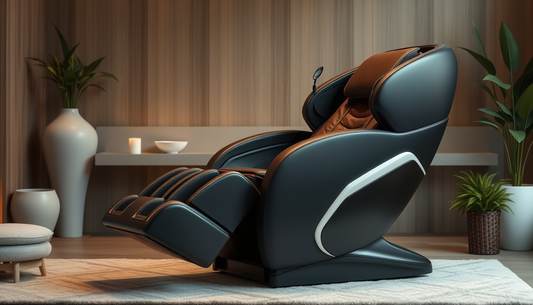
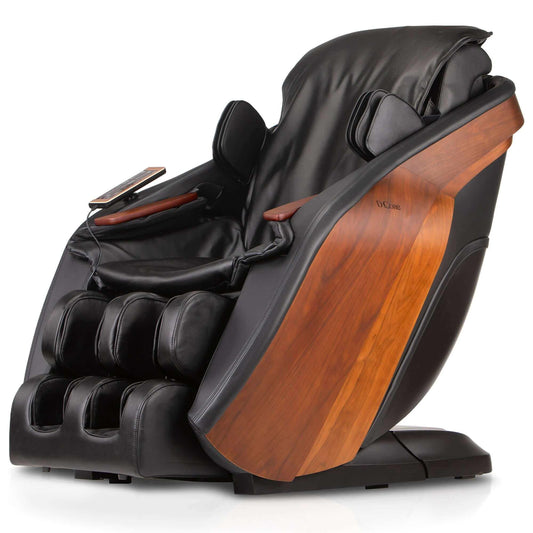

Fujiiryoki Presentation-Style Masterclass: Targeted Massage Techniques from Ankle to Head (Swedish, Shiatsu, Deep Tissue, Reflexology) for Whole-Body Wellness and Enhanced Blood Flow
In 2026, Fujiiryoki continues to redefine how massage technology supports wellbeing by blending clinical insight, user-centric design, and evidence-based modalities. The Presentation-Style Masterclass brings these elements together into a practical roadmap: targeted techniques mapped to body regions, demonstrated in real-time, and translated into take-home routines you can apply with Fujiiryoki massage chairs. The goal is whole-body wellness and improved blood flow through a thoughtful sequence of Swedish, Shiatsu, Deep Tissue, and Reflexology styles.
What the Masterclass Teaches About Technology and Technique
The masterclass frames massage not as a single gesture but as a coherent program. It shows how a modern massage chair can orchestrate multiple modalities—each with its own physiological rationale—into fluid sequences that adapt to your body's feedback. The result is more consistent tissue health, better circulation, and a heightened sense of relaxation and recovery. This article distills those insights into practical guidance you can apply when selecting, using, or adjusting a Fujiiryoki chair for maximum benefit.
Core Massage Techniques and Their Benefits
Below is a comprehensive map of the signature techniques featured in the masterclass, their typical effects, and how they complement one another when used in combination. Each technique serves a distinct purpose, from warming up tissues to releasing deep adhesions and balancing energy flow.
- Swedish Massage — light to moderate pressure with long, gliding strokes to warm tissues, improve superficial circulation, and reduce overall muscular tension.
- Deep Tissue Massage — targeted work in deeper layers to release chronic muscle tightness, adhesions, and postural stress, often addressing knots that limit range of motion.
- Trigger Point Massage — precise pressure on active points to relieve localized spasm and referred pain areas, ideal for addressing recurring hotspots.
- Acupressure — finger or palm pressure on specific points to balance energy flow, support systemic relief, and enhance circulation when integrated with chair sequences.
- Shiatsu Massage — sustained pressure along energy lines to stimulate circulation, restore balance, and promote tissue vitality.
- Reflexology — stimulation of foot and hand zones that correspond to distant organs and regions, contributing to overall energy balance and relaxation.
- Kneading — rhythmic grasping and lifting that relaxes muscle fibers, facilitates fascia mobility, and reduces stiffness in larger muscle groups.
How the Techniques Map to Targeted Body Parts
Every body part can benefit from a tailored blend of modalities. The Fujiiryoki platform can assemble sequences that address common tensions while promoting circulation and tissue health. Here is a detailed mapping with practical examples you can try or request from your therapist or chair program.
- Ankle and Feet
- Swedish massage to improve superficial circulation and warm joint tissues.
- Reflexology and kneading to stimulate foot zones, supporting balanced energy flow and refreshed feet.
- Legs and Calf
- Deep tissue and kneading to release chronic tightness in the calves and shins.
- Trigger point and Shiatsu work along the lower leg to relieve referred tension in the knees and hips.
- Knees and Thighs
- Long Swedish strokes and gentle kneading to reduce stiffness and support mobility.
- Deep tissue to address stubborn muscle knots around the quadriceps and hamstrings.
- Back and Shoulders
- Trigger point and kneading across the upper and mid back to release muscular fatigue from posture strain.
- Shiatsu and Acupressure along the spine to promote circulation and spinal balance.
- Neck and Head
- Gentle Swedish strokes with targeted acupressure around the neck to ease tension headaches.
- Reflexology principles applied to head and scalp regions to support relaxation and mental clarity.
- Wrists and Hands
- Light kneading and reflexology to relieve carpal-tunnel-like symptoms and improve hand mobility.
- Whole Body
- Integrated sequences that blend Swedish, kneading, Shiatsu, and reflexology for a balanced, full-body experience aimed at improving circulation and tissue health.
Expanded Benefits for Whole-Body Wellness
The masterclass emphasizes a holistic view of wellness. Beyond momentary relief, the sequences are designed to support long-term tissue health, postural alignment, and nervous system balance. The following benefits regularly surface in sessions that combine the modalities described above:
- Blood Flow Control — rhythmic, region-specific stimulation supports venous return and arterial circulation, aiding nutrient transport and waste removal.
- Fatigue Relief — progressive tissue relaxation reduces perceived exertion and speeds recovery after exercise or long days.
- Flexibility Improvement — gradual fascia and muscle lengthening can expand range of motion over weeks to months.
- Injury Recovery Support — controlled pressure sequences may aid tissue repair when used within a well-designed rehabilitation plan.
- Muscle Therapy — kneading and deep-tissue work tackle soreness, tightness, and postural imbalances.
- Pain Relief — focused work on knotted areas can alleviate localized pain and referred discomfort.
- Spine Alignment — sequences that balance muscular tension around the spine support better postural alignment.
- Stress Relief — Swedish softness and reflexology elements promote relaxation, mood balance, and mental reset.
- Tissue Therapy — attention to fascia and soft tissue health improves resilience and day-to-day function.
Maximizing Your Results with Fujiiryoki Chairs
To make the most of the masterclass content, consider how you select programs, sequence modalities, and adjust intensity. The following guidelines help translate theory into practical gains:
- Choose programs based on your primary goals, whether fatigue, post-workout recovery, or chronic tension management.
- Sequence modalities thoughtfully: begin with Swedish or Kneading to warm tissues, then introduce deeper work (Deep Tissue or Trigger Point) as comfort allows.
- Utilize reflexology zones for daily energy balance while supporting circulation in the feet and hands.
- Adjust intensity gradually. Start subtle, monitor sensations, and increase only if your body signals permit.
- Consistency matters. Regular sessions yield more reliable improvements in blood flow, tissue health, and overall wellness than sporadic, intense sessions.
Practical Tips for Using a Fujiiryoki Chair
- Set up a comfortable environment with proper seating, back support, and ambient conditions to maximize circulation and tissue response.
- Begin with a light warm-up to prepare tissues for deeper work, especially after activity or travel.
- During the session, practice steady breathing and conscious relaxation to improve the brain-body connection and release.
- Post-session hydration and light movement help sustain circulation gains and reduce muscle soreness.
- Regular chair maintenance, cleaning, and periodic professional tune-ups ensure consistent performance and longevity of the system.
Case Studies: Real-World Scenarios
To illustrate how the masterclass approach translates into everyday life, consider these representative scenarios:
- Office Professional — long days seated; routine sequences begin with Swedish warm-up, move to targeted kneading on the back and shoulders, and finish with reflexology to restore energy for afternoon tasks.
- Athlete in Training — post-workout sessions emphasize deep tissue work and trigger points on the legs, plus gentle Shiatsu along the spine to support recovery and flexibility.
- Senior Wellness Plan — careful, moderate pressure focusing on comfort, supported by acupressure points to balance energy and promote calm sleep patterns.
- Injury Rehab Companion — under supervision, structured sequences combine pain-relief modalities with movement-friendly kneading to maintain range of motion without overloading healing tissues.
Equipment Features Worth Noting
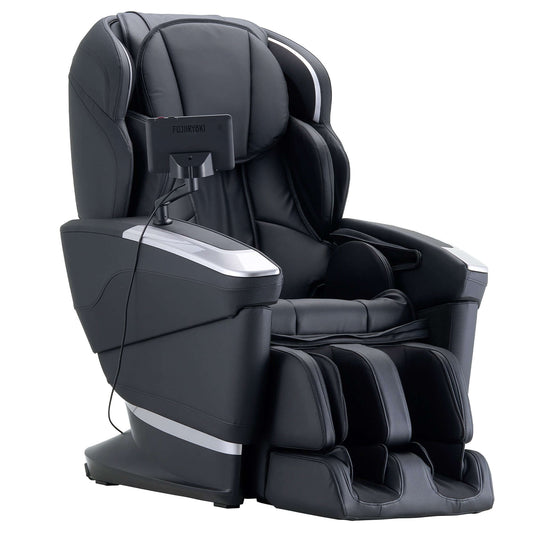
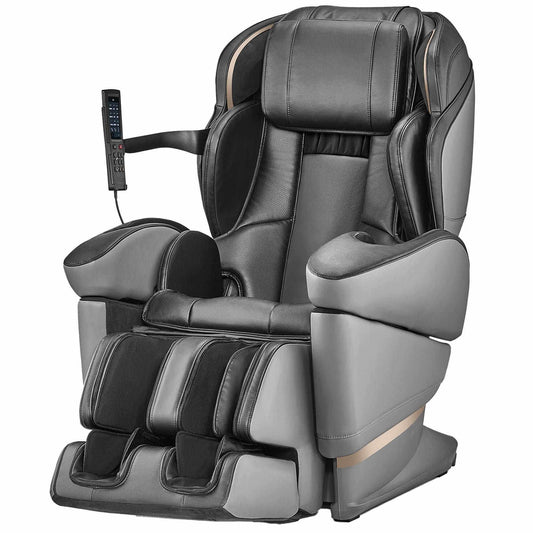
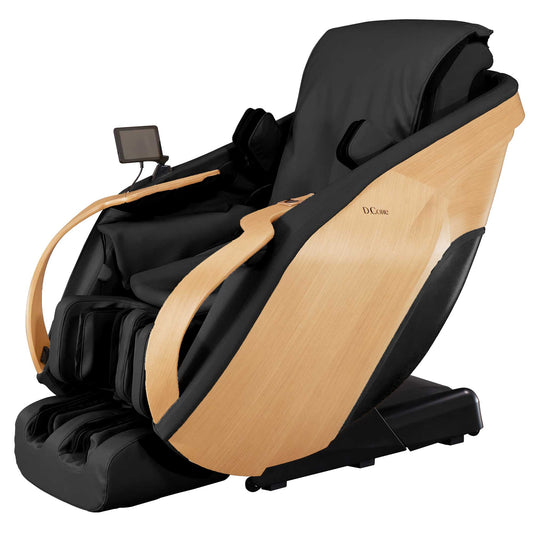
Fujiiryoki chairs bring a suite of features that complement the masterclass methodology:
- Smart Body Scanning — sensors tailor pressure and pathlines to body shape and tissue density, enabling personalized sequences.
- Adaptive Intensity — AI-guided adjustments ensure the right level of pressure across the session to minimize discomfort and maximize benefit.
- Multi-Modality Library — a broad catalog of massage styles and program durations you can mix to fit your goals.
- Air Cell and Roller Systems — synchronized air compression and roller work deliver comprehensive coverage from limbs to torso.
- Heat Therapy Options — localized warmth enhances tissue pliability and vascular response, beneficial for recovery.
- Quiet Operation — designed for home or office environments, preserving focus and relaxation during sessions.
Safety, Maintenance, and Best Practices
To ensure safe, effective use of Fujiiryoki chairs, follow these recommendations:
- Review contraindications before engaging deep-tissue or trigger-point sessions, particularly with acute injuries, pregnancy, or cardiovascular concerns.
- Start with shorter sessions and lower intensities; gradually increase as your body adapts.
- Keep the chair clean and free of debris; wipe down surfaces after use and follow manufacturer maintenance cycles.
- Remember to hydrate and incorporate light movement post-session to sustain circulation improvements.
Frequently Asked Questions (FAQ)
These questions reflect common concerns about using Fujiiryoki chairs in a masterclass-driven regime:
- Can this masterclass approach replace a professional massage? — It complements professional care by teaching you how to optimize chair sessions at home or in-clinic settings, but it does not replace medical or physiotherapy advice for injury recovery.
- Is it safe to use deep tissue modes daily? — Start with moderate intensity and increase gradually, paying attention to your body’s signals. If pain or numbness occurs, reduce intensity or frequency.
- Which body part benefits most from reflexology on the feet? — Reflexology can influence systemic energy balance and may help with sleep quality, stress reduction, and overall relaxation.
- How long should a typical session last? — A standard session ranges from 20 to 60 minutes, depending on goals, experience, and comfort level.
- Can these programs help with chronic back pain? — Yes, when combined with a broader rehabilitative plan, careful sequencing of back-focused massage can reduce tension and improve mobility.
Conclusion
The Fujiiryoki Presentation-Style Masterclass demonstrates how a modern massage chair can fuse multiple modalities into cohesive, targeted sequences—from ankle to head—that enhance blood flow, reduce fatigue, and support holistic wellness. By understanding which techniques serve which body parts, you can tailor your chair programs to your personal health goals and sustain a mindful, effective self-care routine. Whether you are seeking at-home relaxation, post-activity recovery, or ongoing maintenance, this masterclass framework elevates the potential of Fujiiryoki chairs to improve quality of life through better circulation, tissue health, and overall balance.
Tags:
Previous
Fujiiryoki Massage Chairs: A 2026 Interactive Presentation on Targeted Techniques (Swedish, Shiatsu, Deep Tissue, Reflexology, Acupressure, Kneading) and Their Benefits for Whole-Body Wellness
Next
Fujiiryoki Massage Chairs: A Presenter-Style Masterclass on Targeted Techniques (Swedish, Deep Tissue, Shiatsu, Reflexology) for Ankle-to-Head Full-Body Wellness and Pain Relief