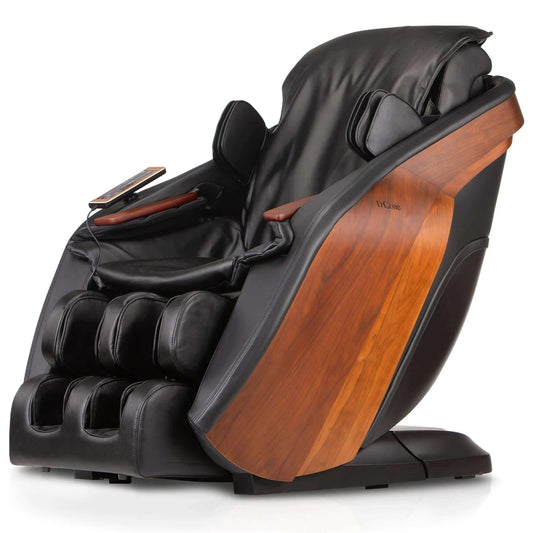
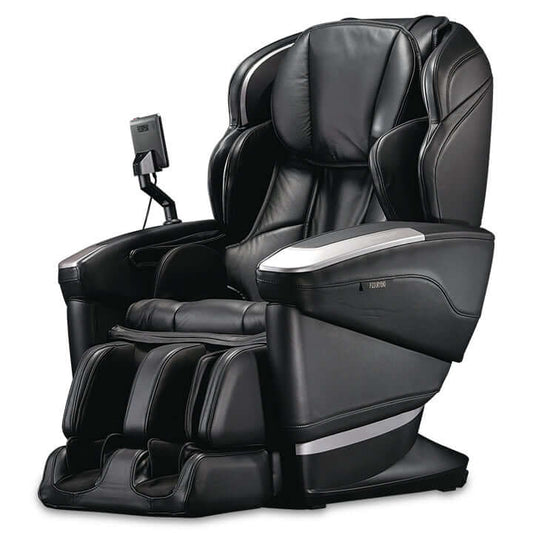

Fujiiryoki Massage Chair Techniques & Benefits: A Presenter-Style Roadmap for Targeted Relief and Whole-Body Wellness
Introduction
Welcome to an extended, presenter-style roadmap designed to translate professional massage techniques into practical, in-home use with Fujiiryoki massage chairs. This comprehensive guide expands beyond basics to help you achieve targeted relief and whole-body wellness. Whether you are recovering from an athletic training routine, dealing with everyday stiffness, or seeking stress relief, this article provides a structured approach to leveraging advanced chair technology for lasting comfort and mobility. Think of this as a session plan you can adapt, layer, and personalize for ongoing health benefits.
Why Fujiiryoki Chairs Stand Out in 2026
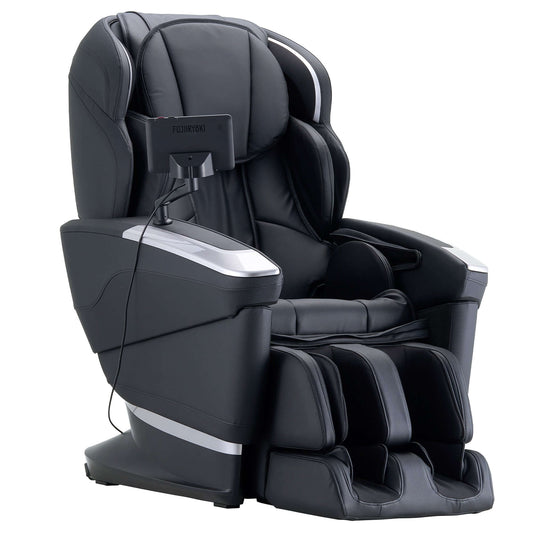
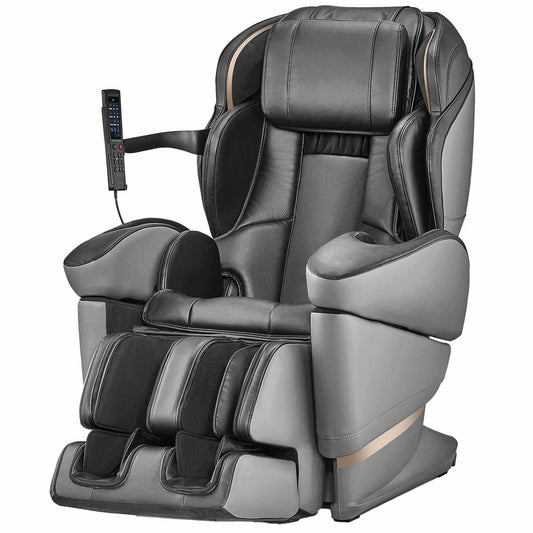
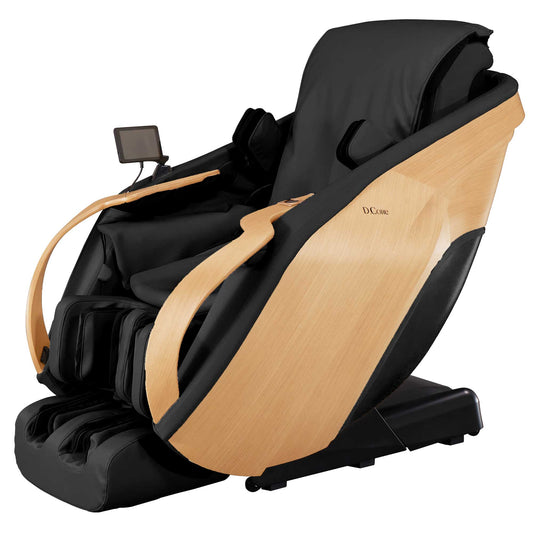
Fujiiryoki chairs remain at the forefront of home wellness because they blend sophisticated mechanical engineering with intelligent software to deliver customizable massage experiences. Key differentiators include:
- Advanced roller systems and air massage that seamlessly transition between zones
- Zone control with adaptive intensity to protect sensitive areas while targeting stubborn tension
- Heat therapy integrated with massage to improve tissue pliability and relaxation
- AI-assisted customization that learns your preferences over time
- Comprehensive modalities mapped to traditional techniques such as Swedish, Deep Tissue, and Shiatsu
- Ergonomic designs and user-friendly interfaces that encourage consistency
These features enable a holistic approach to assessing and addressing discomfort from ankles to neck, wrists to hips, delivering a scalable, spa-like experience at home. This makes Fujiiryoki an ideal platform for a presenter-style program that educates, motivates, and guides users toward consistent, targeted relief.
The Presenter-Style Roadmap: A Step-by-Step Framework
This section outlines a repeatable process you can use in a single session or across a weekly schedule. The presenter rhythm is simple: identify targets, select a technique mix, calibrate intensity, and review outcomes to inform future adjustments. Each session can be customized based on your daily needs and long-term wellness goals.
Targeted Body Parts: A Complete Map
Target areas commonly experience different demands. The Fujiiryoki system is designed to address these zones with precision. Targeted parts include:
- Ankle
- Back
- Calf
- Feet
- Hands
- Head
- Heel
- Knee
- Legs
- Neck
- Shoulder
- Thigh
- Whole Body
- Wrist
Massage Techniques in Action: Prototypical Protocols
Each technique can be applied individually or blended into a personalized program. Below are expanded notes on how each technique translates into chair protocols, which zones they typically influence, and practical tips to maximize results.
Swedish Massage
Swedish massage emphasizes long, gliding strokes, gentle kneading, and rhythmic effleurage that promote relaxation and circulation. In a Fujiiryoki chair, these movements are simulated by smooth roller progressions, broad back sweeps, and light to moderate compression that travel across the back, legs, arms, and shoulders. Use Swedish as a calming foundation or as a warm-up before deeper work.
- Targets large muscle groups such as the back and legs
- Promotes circulation, reduces muscle tension, and supports mental calm
- Ideal for warming up the body or unwinding after activity
Deep Tissue Massage
Deep tissue work targets deeper muscle layers to address chronic tension and fascia restrictions. The chair uses firmer rollers, sustained contact, and targeted pathways along the spine, shoulders, hips, and legs. This modality is particularly effective for postural tightness, residual soreness, and knots that resist lighter work.
- Concentrated attention on the lower back, shoulders, and hips
- Assists in breaking up adhesions and reducing chronic stiffness
- Best delivered in shorter, focused sessions with controlled intensity
Trigger Point Massage
Trigger point therapy focuses on specific knots that refer pain to other areas. Fujiiryoki chairs can direct rollers and localized air pressure to known trigger zones, such as the upper back near the shoulder blades or tight neck muscles. This approach disrupts pain cycles and restores smoother tissue function.
- Concentrated work on identified knots
- Can provide quicker relief for stubborn tension
- Often paired with breathing cues to enhance release
Acupressure
Acupressure-like work uses precise point stimulation along meridians and muscle lines. The chair can apply focused pressure on the neck, shoulders, spine, and feet to influence energy flow, ease tension, and support postural balance. This method complements general relaxation and can be a gateway to deeper work.
- Localized pressure for targeted relief
- Supports energy balance and mental calm
- Pairs well with longer relaxation programs
Shiatsu Massage
Shiatsu in chair form mimics finger and palm pressure along key muscular corridors. The result is a vertical rhythm that travels from the neck down the back and legs, promoting spinal alignment, improved circulation, and a restored sense of flow throughout the body.
- Spine-oriented rhythm with balanced pressure
- Encourages postural awareness and alignment
- Offers a gentle, restorative feel while delivering depth when needed
Reflexology
Reflexology engages zones on the feet and hands that correspond to distant organs and systems. Foot rollers and plantar massage patterns in Fujiiryoki devices can stimulate these zones to support systemic relaxation and peripheral circulation. This technique is especially beneficial as a cooldown or daily reset.
- Foot and hand zone stimulation for broader systemic effects
- Supports improved circulation in the extremities
- Well-suited as a refreshing daily routine or pre-sleep session
Kneading
Kneading simulates a therapist’s rhythmic tissue manipulation, rolling and compressing along large muscle groups to release tension and improve tissue mobility. In chair form, kneading patterns are well-suited for longer sessions on the back, legs, and arms, where sustained contact and gradual pressure facilitate deep relaxation and tissue conditioning.
- Moderate to deeper pressure for tissue mobility
- Effective for longer sessions focused on recovery
- Supports gradual improvements in flexibility and range of motion
Integrated Benefits of Regular Use: A Systemic View
Regular, well-structured sessions with a Fujiiryoki massage chair can yield a wide array of benefits. When programs target specific zones and progressive intensity is applied, you can expect improvements that propagate through daily life and athletic performance.
- Blood flow optimization: enhanced microcirculation supports tissue health
- Fatigue relief: faster recovery after activity or long days
- Flexibility improvement: gradual increases in range of motion
- Injury recovery: supports healing and reduces stiffness when used appropriately
- Muscle therapy: targeted work promotes tissue resilience
- Pain relief: symptom relief for chronic and acute tension
- Spine alignment: posture support through balanced stimulation
- Stress relief: lowers cortisol levels and fosters calm
- Tissue therapy: improved tissue quality through consistent conditioning
A Comprehensive Presenter-Style Program Library
Below is a curated library of sample programs you can implement or adapt. Each program includes target zones, techniques, intensity, and duration. Use these as templates to craft customized sessions that fit your schedule and goals.
- 1. Wake-Up Gentle Flow — Target: Whole Body, Back, Legs. Techniques: Swedish, Kneading. Duration: 15–20 minutes. Purpose: gentle circulation and ease stiffness after sleep.
- 2. Post-Exercise Recovery — Target: Calf, Hamstrings, Back. Techniques: Swedish, Deep Tissue, Kneading. Duration: 20–25 minutes. Purpose: accelerate recovery and reduce delayed onset muscle soreness.
- 3. Upper Body Release — Target: Shoulders, Neck, Arms, Back. Techniques: Deep Tissue, Trigger Point, Shiatsu. Duration: 20 minutes. Purpose: relieve upper body tension from desk work.
- 4. Spine Alignment Support — Target: Neck, Back, Spine. Techniques: Shiatsu, Acupressure, Reflexology. Duration: 25–30 minutes. Purpose: balance posture and ease tension along the spine.
- 5. Deep Post-Workout Refresh — Target: Legs, Back. Techniques: Deep Tissue, Kneading, Swedish. Duration: 20–25 minutes. Purpose: break down adhesions and restore mobility.
- 6. Mindful Evening Calm — Target: Whole Body, Feet, Hands. Techniques: Swedish, Reflexology. Duration: 15–25 minutes. Purpose: unwind and prepare for restful sleep.
- 7. Targeted Knot Therapy — Target: Upper Back, Neck, Shoulders. Techniques: Trigger Point, Deep Tissue. Duration: 15–20 minutes. Purpose: address stubborn knots efficiently.
- 8. Longevity and Mobility — Target: Hips, Thighs, Legs. Techniques: Kneading, Swedish, Acupressure. Duration: 25–30 minutes. Purpose: maintain joint health and tissue quality with aging.
- 9. Gentle Beginner Session — Target: Whole Body. Techniques: Swedish, Light Kneading. Duration: 10–15 minutes. Purpose: new users build habit and tolerance.
- 10. Stress-Relief Deep Dive — Target: Neck, Shoulders, Back. Techniques: Shiatsu, Acupressure, Reflexology. Duration: 20–25 minutes. Purpose: reduce stress and cortisol signals.
Safety, Preparation, and Aftercare
To maximize benefits and minimize risk, follow these best practices:
- Consult with a healthcare professional if you have cardiovascular disease, recent injuries, or pregnancy concerns before using massage chairs.
- Start with low intensity and gradually increase as your body adapts.
- Limit sessions to a practical duration, especially on days with fatigue or soreness.
- Hydrate before and after sessions to support tissue flushing and recovery.
- Use heat therapy judiciously, avoiding excessive temperatures on sensitive skin or acute injuries.
- Pause if you feel sharp pain or dizziness, and adjust the program accordingly.
Maintenance and Longevity for Fujiiryoki Chairs
To keep your chair performing at its best, follow these upkeep recommendations:
- Wipe down surfaces with a soft, damp cloth and avoid harsh cleaners that can degrade upholstery.
- Inspect cushions and foot rollers for wear; replace or service components as needed to preserve performance.
- Regularly update firmware or software if your chair supports online features to ensure optimal personalization.
- Schedule periodic professional servicing for mechanical checks and safety inspections.
Understanding the Science Behind the Techniques
While the Fujiiryoki system handles the mechanical aspects, it helps to appreciate how these techniques influence the body. For example:
- Swedish massage improves venous return and lymphatic flow, aiding in waste removal and tissue nourishment.
- Deep tissue work targets fascia and muscle fibers, contributing to improved muscle tissue quality and resistance to injury.
- Trigger point and acupressure techniques can relieve referred pain by addressing muscle stress patterns and meridian dynamics.
- Reflexology engages neural pathways in the feet and hands that can modulate systemic relaxation and parasympathetic activation.
How to Personalize Your Protocols: A Quick Guide
Personalization is the heart of achieving lasting relief. Consider these practical steps as you tailor your programs:
- Start with a baseline session to map out zones of tension and comfort thresholds.
- Label your favorite combinations and note physiological responses (ease of breath, perceived fatigue, range of motion changes).
- Seasonal adjustments: heavier work in colder months, lighter maintenance during travel or busy periods.
- Combine chair sessions with mobility routines, hydration, nutrition, and sleep hygiene for holistic benefits.
Frequently Asked Questions
Here are quick answers to common questions about Fujiiryoki massage chairs and the techniques discussed in this guide:
- Q: Can I use the chair every day? A: Yes, with sensible session lengths and varied programs to prevent overstimulation.
- Q: Which technique is best for chronic back pain? A: A blended approach using deep tissue, kneading, and Shiatsu, tailored to your tolerance level.
- Q: How do I know if I should seek professional advice? A: If you have persistent pain, implants, or cardiovascular concerns, consult a healthcare provider before regular use.
- Q: Can I use heat with the massage chair? A: Generally yes, but follow manufacturer guidelines and avoid excessive heat near acute injuries or skin sensitivities.
- Q: How long should a typical program run? A: Start with 15–20 minutes, then adjust based on comfort and goals; some users enjoy 30–40 minute sessions weekly.
Conclusion: Building a Lifelong Practice of Targeted Relief
The presenter-style approach to Fujiiryoki massage chair use offers a robust framework for achieving targeted relief and whole-body wellness. By integrating the techniques described, tailoring programs to your body parts of focus, and committing to regular practice, you can cultivate flexibility, resilience, and calm. Remember to listen to your body, adjust intensity thoughtfully, and pair chair sessions with healthy lifestyle habits to unlock sustainable benefits in 2026 and beyond.
Tags:
Previous
Fujiiryoki Massage Chairs: Head-to-Toe Wellness Techniques
Next
Fujiiryoki Massage Chairs: Complete Technique Masterclass