
Fujiiryoki Massage Chairs: Head-to-Toe Wellness Techniques
Introduction: A Presenter-Style Guide to Head-to-Toe Wellness
Imagine stepping into a wellness presentation where a Fujiiryoki massage chair is the charismatic host. This guide invites you to explore targeted techniques and science-backed benefits that span from ankles to head. You’ll see how Swedish, Shiatsu, Deep Tissue, Trigger Point, Reflexology, Acupressure, and Kneading come together like a well-rehearsed routine to support daily vitality, recovery, and long-term mobility in 2026 and beyond.
Why Fujiiryoki Chairs Matter for Head-to-Toe Wellness
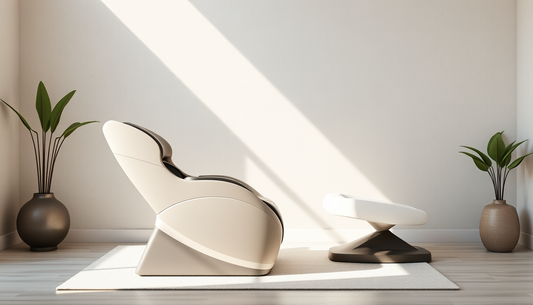
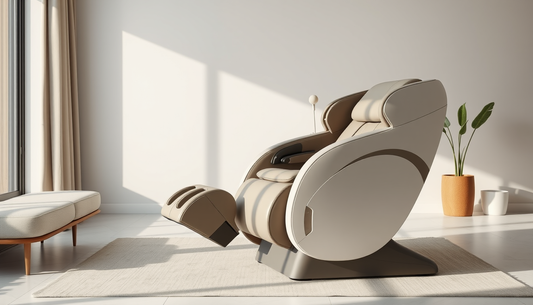
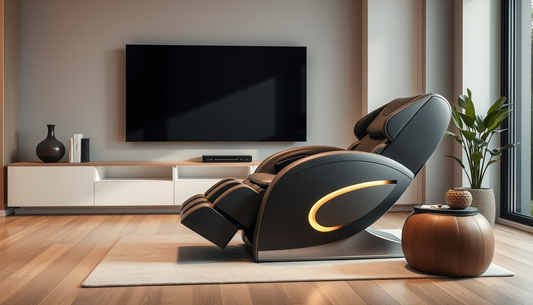
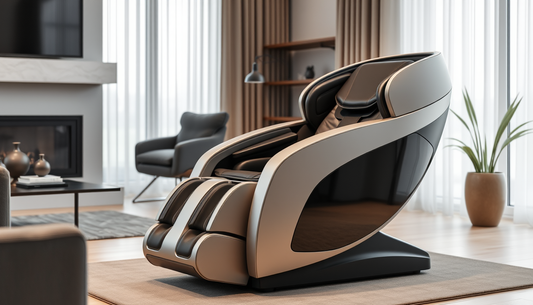
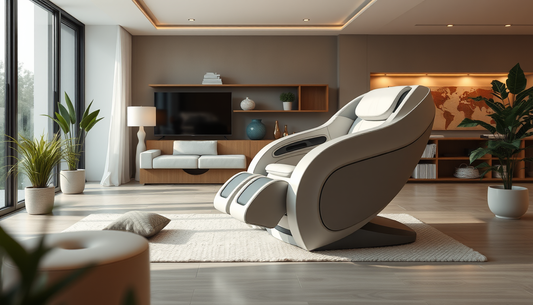
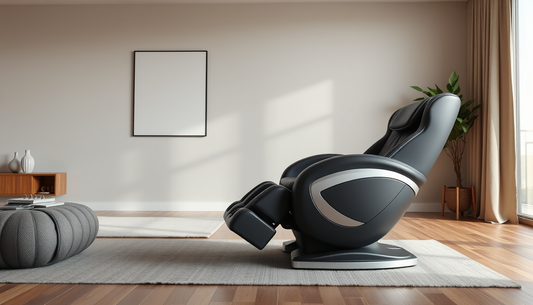
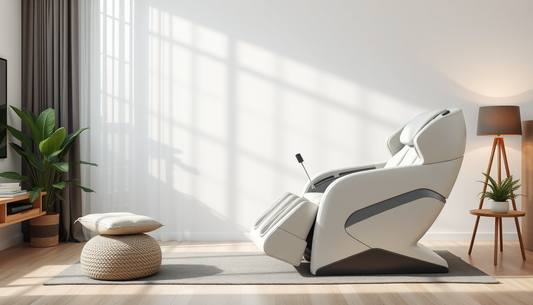
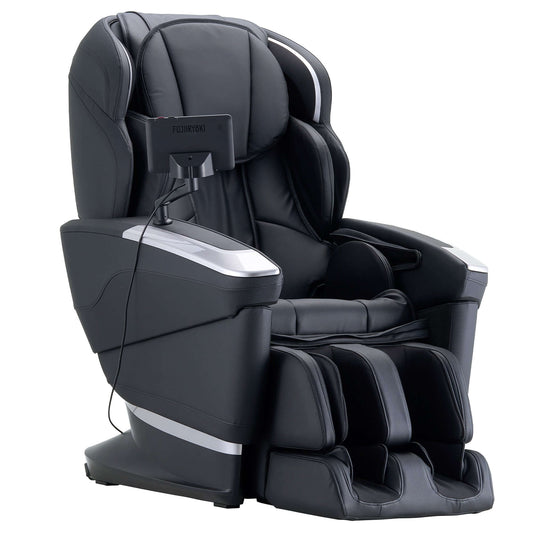
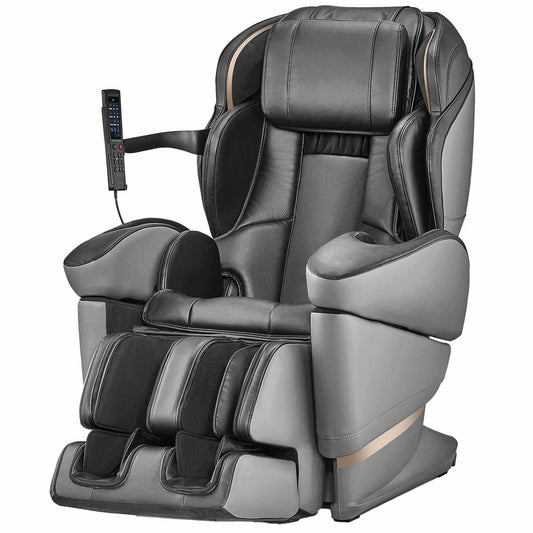
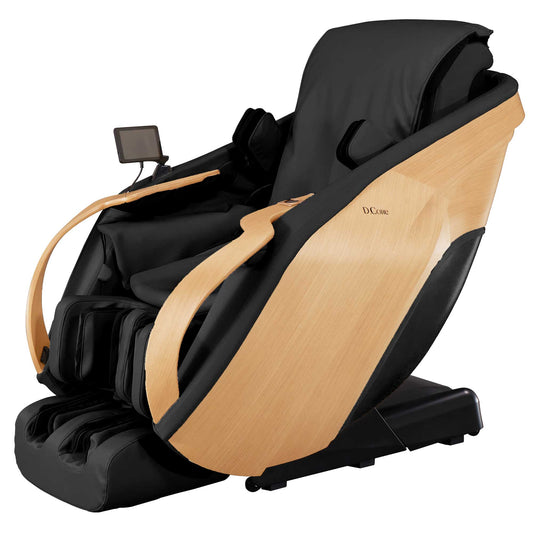
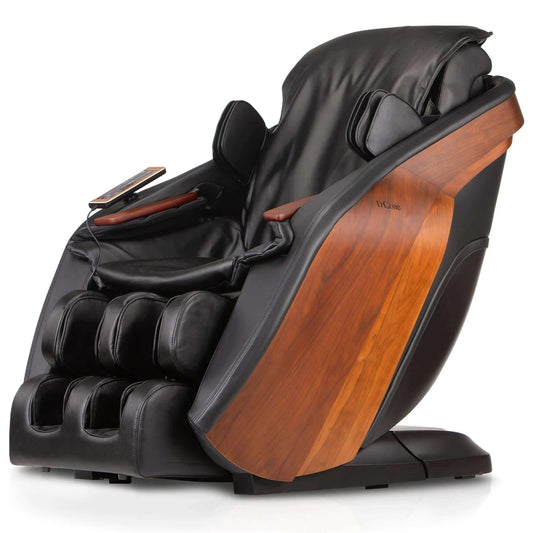
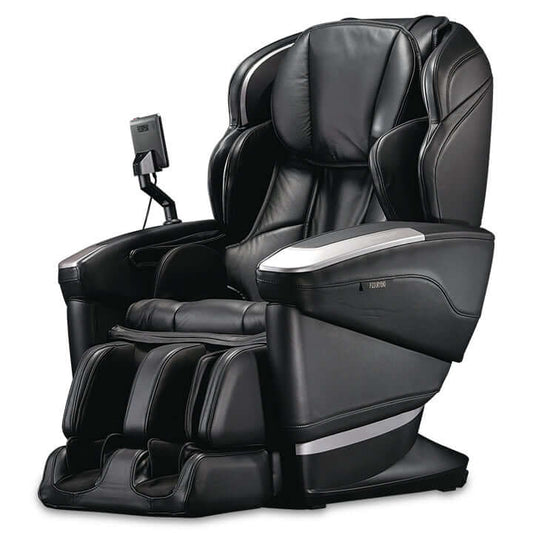
Fujiiryoki chairs are engineered to deliver professional-grade therapies in a compact home setup. They combine multi-zone rollers, air compression, heat, and intelligent programs that adapt to body contour and posture. The result is a personalized session that can improve circulation, reduce muscle tension, enhance flexibility, and support recovery across multiple body regions.
The Core Massage Techniques Spotlight
Below are the seven techniques the chair can emulate with precision. Each technique offers unique tissue targets and physiological responses, enabling you to design sessions for specific needs.
Swedish Massage
- What it is: A gentle to moderate sequence of long gliding strokes, kneading, and rhythmic movement designed to boost circulation and relaxation.
- When to use: Everyday stress relief and a soothing starting point for a session.
- Key benefits relevant to body parts:
- Ankle Calf Back Leg Foot Wrist Whole Body: enhances venous return and lymphatic flow, reducing fatigue.
- Neck Shoulders Back: eases stiffness and supports posture alignment.
Shiatsu Massage
- What it is: Targeted pressure applied with fingers, palms, and thumbs along energy pathways to release blockages and restore balance.
- When to use: When you notice knots or persistent tightness in the upper body or lower limbs.
- Key benefits relevant to body parts:
- Neck Shoulders Back Head: relieves deep muscle tension and reduces ache.
- Hip Thigh Knee: supports mobility and joint comfort.
Deep Tissue Massage
- What it is: Stronger pressure aimed at deeper muscle layers and fascia to release chronic tension.
- When to use: After heavy activity or long periods of sitting when persistent tightness lingers in the back, shoulders, and legs.
- Key benefits relevant to body parts:
- Back Neck Shoulders: reduces chronic stiffness and promotes tissue rehabilitation.
- Calf Thigh Knee: targets adhesions and soreness after activity.
Trigger Point Massage
- What it is: Focused pressure on discrete tight points within muscle bands to interrupt pain cycles.
- When to use: For localized tenderness that radiates or persists after stress or overuse.
- Key benefits relevant to body parts:
- Shoulder Neck Back: releases knots that limit range of motion.
- Wrist Hands Feet: alleviates focal soreness and improves functional comfort.
Reflexology
- What it is: Stimulating reflex zones on the feet and hands to influence distant organs and systems.
- When to use: For a holistic energy balance and a soothing reset to the nervous system.
- Key benefits relevant to body parts:
- Feet Hands Ankles: supports circulation and nervous system regulation.
- Head and Neck: promotes relaxation that can ease headaches and tension symptoms.
Acupressure
- What it is: Targeted pressure along traditional acupressure points to harmonize energy and reduce stress.
- When to use: For a calm but deeply restorative session that emphasizes upper body relief.
- Key benefits relevant to body parts:
- Neck Shoulders Back: helps relieve soreness and supports posture alignment.
- Head Hands Feet: can lessen tension headaches and promote sleep readiness.
Kneading
- What it is: Classic circular motions that work through muscle fibers and fascia to enhance pliability.
- When to use: For general muscle conditioning and improved tissue mobility.
- Key benefits relevant to body parts:
- Calf Thigh Back Shoulders: increases tissue mobility and reduces stiffness.
- Wrist Hands Ankles: supports joint comfort during daily activities.
Expanded Body-Parts Focus: Mapping from Ankle to Head
Understanding focus zones helps design sessions that align with daily needs. The following mapping highlights how Fujiiryoki chair programs commonly target these areas for maximum impact.
- Ankle — reflexology and kneading; include acupressure points to support ankle stability and venous return.
- Back — Swedish plus deep tissue and trigger point for postural relief and tissue rehabilitation.
- Calf — kneading and deep tissue to release calf adhesions and improve toe-off mechanics.
- Feet — reflexology and light Swedish to refresh and restore arch support.
- Hands — trigger point work in the forearm with reflexology to ease grip fatigue.
- Head — gentle shiatsu pressure and acupressure to ease tension and support sleep readiness.
- Heel — targeted kneading and reflex zones to soften plantar fascia and improve stability.
- Knee — gentle Swedish and acupressure around peri-articular tissues to support mobility.
- Legs — balanced mix of Swedish and deep tissue for overall leg conditioning.
- Neck — subtle deep tissue and trigger point work to reduce stiffness and headaches.
- Shoulder — primary area for shiatsu and trigger point to unlock stiffness and improve posture.
- Thigh — deeper work on quadriceps and hamstrings with reflexive relaxation beneath fascia.
- Whole Body — integrated program weaving all seven techniques for a comprehensive reset.
- Wrist — light kneading and acupressure for daily comfort and carpal tunnel risk reduction.
Notes on mapping: reflexology and kneading are especially useful for ankles calves and feet; Swedish, deep tissue, and trigger point work are powerful for the back, neck, and shoulders; whole-body sessions blend all seven techniques for a holistic reset.
Science-Backed Benefits Across the Body
Clinical thinking supports massage therapy as a practical routine for wellness, not just a luxury. The science-backed benefits below reflect how regular sessions can translate to daily performance and comfort.
- Blood Flow Control: Rhythmic compression and targeted massage improve capillary perfusion, aiding nutrient delivery and waste removal.
- Fatigue Relief: Short-term energy boost and faster recovery after training or long workdays.
- Flexibility Improvement: Regular sessions can loosen fascia and improve joint range of motion.
- Injury Recovery: Gentle to deeper work may support tissue healing when combined with appropriate rehab routines.
- Muscle Therapy: Deep tissue and kneading release adhesions and reduce chronic muscle tension.
- Pain Relief: Trigger point and acupressure work can reduce localized pain and referred pain patterns.
- Spine Alignment: Balanced back and neck tension supports postural alignment and can ease mild misalignments.
- Stress Relief: The relaxation response lowers cortisol and enhances mood through parasympathetic activation.
- Tissue Therapy: Regular stimulation improves tissue quality via perfusion and temperature modulation at the muscular level.
- Autonomic Balance: Rhythmic stimulation can favor parasympathetic dominance, promoting restorative sleep.
- Nerve Sensitivity Modulation: Regular sessions may reduce perceived sensitivity in overworked tissues.
Putting It All Together: Designing Your Fujiiryoki Session
Think like a presenter crafting a show. Start with a gentle Swedish warm-up, then target zones with Shiatsu or Acupressure, followed by Deep Tissue or Trigger Point work in high-tension areas. Conclude with Reflexology to reset energy and finish with Kneading for lasting softness. For best outcomes:
- Set a session length that fits your schedule, gradually increasing from 15 to 40 minutes as you become comfortable.
- Mix techniques in a single session or run separate programs focusing on specific body parts or goals.
- Adjust intensity to your tolerance level. Use heat where available to deepen relaxation and tissue pliability.
- Maintain consistency. Regular use builds cumulative benefits in circulation and muscle tension reduction.
Expanded Session Design: A Practical Framework
Use this step-by-step framework to design home sessions that feel studio-like and are easy to repeat.
- Warm-Up (3–5 minutes): Gentle Swedish to awaken tissue and prepare the body.
- Zone Targeting (10–25 minutes): Alternate from upper body (neck, shoulders, back) to lower body (calf, ankle, feet) using a mix of Swedish, Shiatsu, and Kneading.
- Deep Work (5–10 minutes): Apply Deep Tissue or Trigger Point focus on stubborn tension areas.
- Reset (5 minutes): Reflexology or light Swedish to soothe the nervous system and reduce post-workout soreness.
- Cool-Down and Hydration: Finish with gentle breathing and hydration to support recovery.
Practical Tips for Maximizing Results
- Hydrate before and after sessions to support tissue hydration and toxin removal.
- Coordinate sessions with exercise or mobility routines for synergistic benefits.
- Listen to your body. If a technique or intensity feels uncomfortable, reduce the pressure or duration.
- Use heat options when available to improve tissue pliability and relaxation.
- Consistency beats intensity: short, regular sessions often outperform sporadic longer sessions.
Safety, Comfort, and Accessibility
- Consult a healthcare professional if you have recent injuries, surgery, or chronic conditions that affect the musculoskeletal system.
- Avoid applying excessive pressure on acute injuries or inflamed joints.
- If you have sensitive skin or circulatory concerns, adjust settings gradually and monitor how you feel.
- Discontinue use if you experience dizziness, numbness, or sharp pain, and seek medical advice.
Maintenance and Longevity: Caring for Your Fujiiryoki Chair
- Regularly wipe surfaces with a soft, damp cloth and avoid harsh cleaners that can degrade fabrics or electronics.
- Follow manufacturer guidance for filter and pad replacement intervals to maintain effectiveness.
- Keep the chair in a stable, dry location with adequate ventilation to prevent moisture buildup.
- Inspect rollers and airbags for any signs of wear and address issues promptly to prolong life.
Four Extended Program Examples for Different Goals
Use these templates to tailor sessions to your needs. Each program includes a recommended duration and a suggested technique sequence.
- Recovery and Relaxation (20–30 minutes): Swedish warm-up → Deep Tissue focus on back and shoulders → Trigger Point for localized knots → Reflexology → Kneading finish.
- Mobility and Flexibility (25–40 minutes): Stepwise approach across ankles to hips with Swedish and Kneading interleaved with light Shiatsu to maintain tissue length without overpowering joints.
- Targeted Pain Relief (25–40 minutes): Start with Acupressure points in neck and shoulders, progress to Trigger Point work on the upper back and hips, end with Reflexology for a calming reset.
- Energy and Focus (Morning, 15–25 minutes): Gentle Swedish, light Kneading, and Shiatsu to awaken circulation and reduce morning stiffness.
Frequently Asked Questions
- Are Fujiiryoki chairs suitable for daily use? Yes, designed for regular home use with programmable settings to fit daily routines.
- Can massage chairs replace physical therapy? They complement rehabilitation but should not replace medical advice or prescribed therapies.
- What if I have limited mobility? Start with gentler settings and shorter durations, gradually increasing as comfort improves.
- How do I choose the right program? Begin with a relaxation or warm-up program, then progress to targeted focus as you learn what your body needs.
- Is heat safe for all users? Heat is beneficial for many, but if you have circulation issues or neuropathies, consult a clinician first and monitor sensations closely.
Buying Considerations for Home Use in 2026
When selecting a Fujiiryoki model for head-to-toe wellness, consider:
- Foot and calf coverage: Ensure full ankle-to-toe reach and adjustable leg rest.
- Technique variety: A model with multi-mode rollers and programmable programs offers the most flexibility.
- Heat and air compression options: Look for adjustable heat zones and customizable air massage intensity.
- Noise level and footprint: Choose a model that fits your space and won’t disrupt your quiet time.
- Maintenance support: Availability of replacement parts and ease of service.
Conclusion: Your Head-to-Toe Wellness Journey
A Fujiiryoki massage chair can act as a capable presenter guiding you through a full-body wellness routine. By combining Swedish, Shiatsu, Deep Tissue, Trigger Point, Reflexology, Acupressure, and Kneading, you can tailor sessions to support ankle through head health. With science-backed benefits across blood flow, fatigue relief, flexibility, and pain management, these chairs offer a practical path to consistent well-being in 2026 and beyond.
Tags:
Previous
Fujiiryoki Massage Chairs: Ankle-to-Head Wellness Blueprint
Next
Fujiiryoki Massage Chair Techniques & Benefits: A Presenter-Style Roadmap for Targeted Relief and Whole-Body Wellness