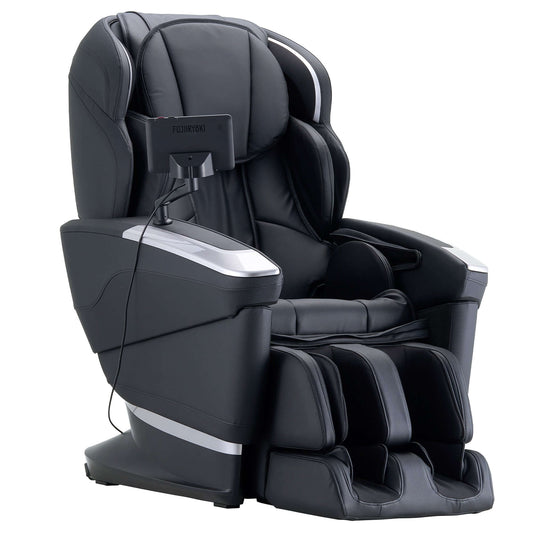
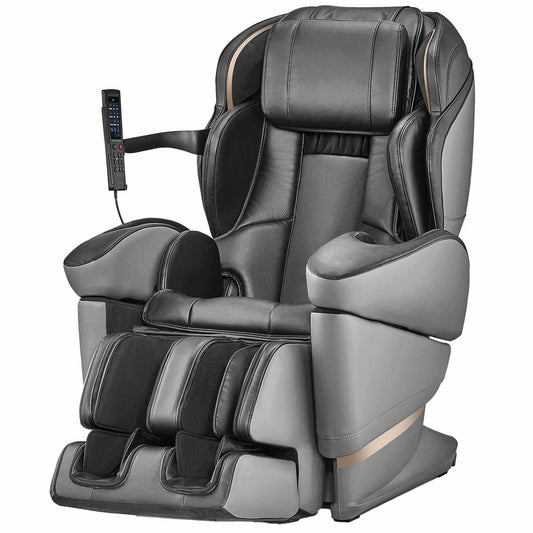
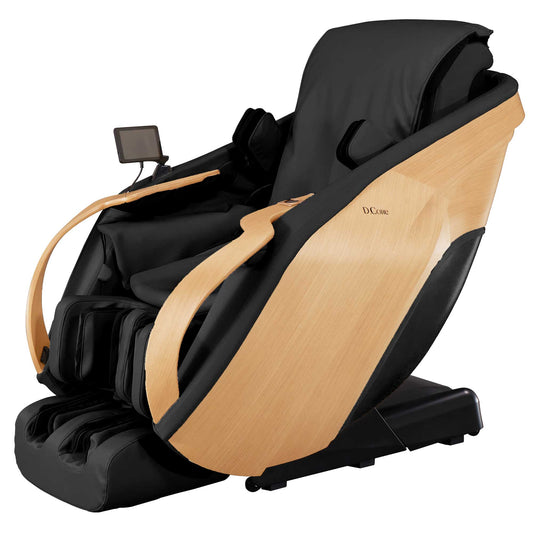
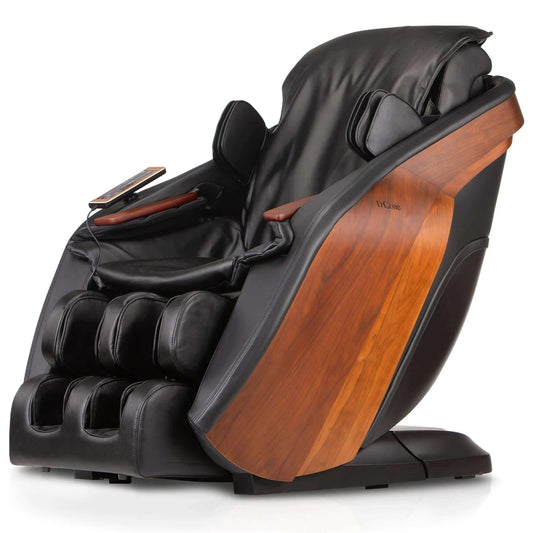
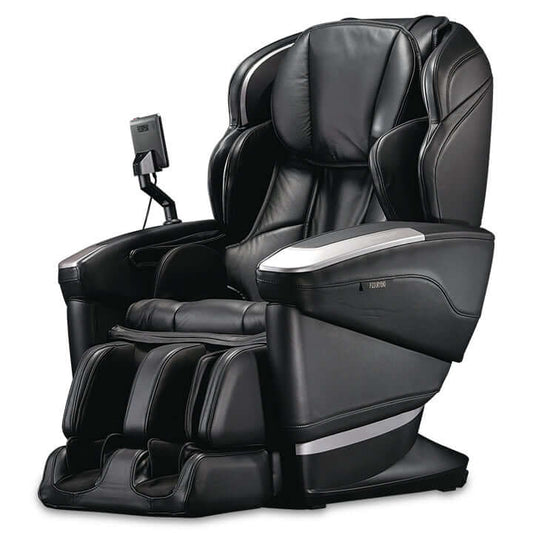

Synca Massage Chairs Visual Presentation: Linking Swedish, Deep Tissue, Shiatsu & Reflexology Protocols to Ankles, Neck, Feet and Clinical Benefits
Introduction
This extended visual presentation-style article explains how Synca massage chairs convert classic manual techniques into precise, repeatable chair protocols that target specific body parts and deliver measurable clinical and wellness benefits. It is designed for clinicians, showroom staff, product marketers, and consumers who want an evidence-informed, SEO-optimized resource connecting Swedish, Deep Tissue, Shiatsu, Reflexology, Trigger Point, Acupressure and Kneading techniques to the ankles, neck, feet, hands, head, heels, knees, calves, thighs, legs, shoulders, back, wrist and whole body.
Why a Visual Presentation Format Works for SEO and Conversion
- Visual slide-style content improves scanning, dwell time and comprehension, which helps search performance in 2025 search algorithms.
- Slide sections mapped to body parts and benefits match common search intent queries like ankle massage benefits, neck pain massage chair, and reflexology for heel pain.
- Clear step-by-step protocols increase perceived authority and encourage backlinks from clinicians and retailers.
Core Synca Chair Technologies and How They Emulate Manual Techniques
- Roller systems and L-track mechanics reproduce Swedish and deep tissue strokes across the spine and gluteal regions.
- Airbag compression zones replicate hands-on squeezes for calves, thighs, arms and chest to improve venous return and lymphatic flow.
- Pinpoint nodes and shiatsu heads deliver acupressure-style sustained pressure to simulate therapist thumbs for trigger points and shiatsu meridian work.
- Dedicated foot rollers and reflexology pads target plantar zones mapped to systemic reflex points.
- Heat elements and vibration complement tissue warming and neuromodulation, enhancing flexibility and pain relief.
How Manual Techniques Map to Chair Protocols
- Swedish Massage in a chair: Long gliding patterns at low to medium intensity, alternating with light kneading to promote relaxation and systemic circulation support.
- Deep Tissue: Slow, focused pressure zones delivered by firm rollers or nodes and longer hold cycles to mobilize deeper fascia and muscle layers.
- Shiatsu and Acupressure: Rhythmic, sustained pinpoint compression intended to stimulate autonomic regulation and local tissue response.
- Trigger Point: Short, repeated pressure holds and release sequences aimed at deactivating hyperirritable muscle nodules and referred pain patterns.
- Reflexology: Foot and ankle roller sequences mapped to reflex zones that correspond to organ and systemic pathways, used primarily for relaxation and circulatory effects.
- Kneading: Circular and rhythmic roller motion to increase local tissue temperature, reduce adhesions and improve elasticity.
Presentation Slide — Protocol Mapping by Body Part: Detailed Visual Protocols
Each entry below functions like an individual slide: technique mix, recommended Synca features and settings, session structure, clinical aims, expected sensations and contraindications.
-
Ankles and Heel
- Techniques: Reflexology focus, acupressure, light kneading
- Synca features: Adjustable foot rollers, heel nodules, targeted air compression for ankle pumps
- Session structure: 8 to 12 minutes; start with gentle rollers 2 minutes, moderate heel nodules 3 minutes, finish with 3 minutes of intermittent ankle compression
- Clinical aims: Improve peripheral circulation, reduce plantar tension, assist symptomatic relief for heel discomfort
- Sensations: Deep rolling under the arch, pulsing compression around the ankle, brief pressure at heel spur sites
- Contraindications: Acute plantar fasciitis flare, unmanaged foot fracture, deep vein thrombosis risk
-
Feet
- Techniques: Reflexology, kneading, vibration
- Synca features: Multi-zone foot rollers, vibration modes and targeted toe stretch pockets
- Session structure: 6 to 15 minutes integrated into whole-body sessions or standalone foot therapy
- Clinical aims: Reduce fatigue, stimulate systemic relaxation responses, support plantar tissue health
- Sensations: Rolling along arch and heel, rhythmic kneading at metatarsal heads
- Contraindications: Open wounds, severe neuropathy without clinician approval
-
Calf
- Techniques: Kneading, deep tissue compression, trigger point release
- Synca features: Full calf airbags, adjustable pressure intensity, calf rollers
- Session structure: 5 to 12 minutes with progression from gentle compression to deeper kneading cycles
- Clinical aims: Reduce lactic buildup, improve recovery after exertion, ease cramping
- Sensations: Firm squeezes, brief holds on tight bands, release sequences
- Contraindications: Acute muscle tear, suspected DVT, severe peripheral vascular disease
-
Knee
- Techniques: Gentle acupressure, peripatellar kneading, lymphatic compression
- Synca features: Lower limb airbags with negative/positive pressure cycles to reduce swelling
- Session structure: 6 to 10 minutes focusing on circulation and periarticular relaxation
- Clinical aims: Reduce joint stiffness, decrease periarticular soft tissue tightness, support rehabilitation protocols
- Sensations: Mild compression around the joint, warmth and increased mobility over time
- Contraindications: Post-operative phase without surgeon clearance, acute inflammatory arthropathy
-
Thighs and Legs
- Techniques: Deep tissue kneading, broad Swedish strokes, sequential compression
- Synca features: Air compression patterns along thighs, adjustable roller depth for hamstrings and quadriceps
- Session structure: 10 to 20 minutes for athletic recovery or chronic tension release
- Clinical aims: Restore flexibility, reduce DOMS, break up tight fascial bands
- Sensations: Broad, deep pressure across the muscle belly with intermittent stretching feeling
- Contraindications: Recent muscle rupture or severe contusion
-
Back and Spine
- Techniques: Swedish glide for warming, deep tissue release for paraspinals, gentle traction-like decompression
- Synca features: L-track rollers for full back contact, lumbar heat, variable intensity and hold-release sequences
- Session structure: 12 to 30 minutes; warm-up 4 minutes, deep tissue 8-12 minutes, finish with gentle decompression and Swedish glide
- Clinical aims: Paraspinal muscle relaxation, assist spinal alignment routines, reduce axial pain and stiffness
- Sensations: Warming glide, focused deep pressure on knots, relief as tension dissipates
- Contraindications: Recent spine surgery without approval, unstable vertebral conditions
-
Neck and Shoulder
- Techniques: Trigger point release, shiatsu compression, targeted deep tissue
- Synca features: Neck rollers with adjustable depth, shoulder airbags and targeted node patterns
- Session structure: 8 to 15 minutes; short repeated holds on trigger points followed by relaxation cycles
- Clinical aims: Reduce cervical muscle hypertonicity, relieve tension headaches and decrease forward head posture strain
- Sensations: Pinpoint pressure in upper trapezius and levator scapulae, progressive loosening of tension
- Contraindications: Cervical instability, recent neck fracture, uncontrolled hypertension in severe cases
-
Shoulder, Arm, Wrist and Hand
- Techniques: Acupressure, kneading, intermittent compression
- Synca features: Arm pockets with compression, wrist and hand pockets with knuckle rollers
- Session structure: 6 to 12 minutes focused on tendon sheaths and forearm muscles for repetitive strain syndrome support
- Clinical aims: Decrease grip fatigue, support repetitive task recovery, relieve carpal tunnel symptoms as adjunctive care
- Sensations: Gentle pulls, compressive cycles and rolling across forearm extensors and flexors
- Contraindications: Severe carpal tunnel without clinician approval, acute tendon rupture
-
Head and Face
- Techniques: Gentle acupressure, calming vibration
- Synca features: Head nodes with low-intensity vibration, eye and temple pressure pads in advanced models
- Session structure: 4 to 8 minutes integrated into whole-body relaxation sequences
- Clinical aims: Reduce tension-type headache triggers, promote parasympathetic activation and restfulness
- Sensations: Light pressure around temples and occiput, pleasant vibration promoting calm
- Contraindications: Recent cranial surgery, acute migraine phase without medical approval
-
Whole Body Programs
- Technique progression: Swedish to warm tissues, targeted deep tissue where high tension exists, finish with shiatsu and reflexology to restore autonomic balance
- Synca features: Preprogrammed sequences, customizable intensity maps and heat integration
- Session structure: 20 to 40 minutes tailored for either daily recovery, chronic pain maintenance, or performance prep
- Clinical aims: System-wide stress reduction, improved sleep onset, reduced generalized myofascial pain
Recommended Intensity and Timing Guidelines
- Low intensity: 5 to 12 minutes per region for relaxation, elderly users, early post-injury phases.
- Medium intensity: 10 to 20 minutes targeting muscle recovery and general pain relief.
- High intensity: 12 to 30 minutes for trained athletes or persistent chronic knots; use caution and professional guidance.
- Progression: Increase intensity or duration by one step per week based on comfort and symptom tracking.
Clinical Evidence Summary and Framing for SEO
Massage interventions broadly have evidence supporting short-term pain reduction, improved function in certain musculoskeletal conditions, improved subjective recovery after exercise, and reduced stress markers. For SEO and clinical credibility, use cautious language such as "may help", "support", "reduce" and "assist". Encourage combining Synca chair use with active rehabilitation, stretching, strengthening and medical oversight when treating pathology.
Safety, Contraindications and Best Practices
- Advise users to consult their healthcare provider for acute injury, hemostatic disorders, suspected thrombosis, severe osteoporosis, uncontrolled hypertension or pregnancy-related concerns.
- Start every demonstration at the lowest intensity and allow the user to incrementally adjust.
- Document any adverse events and ensure chairs have clear usage warnings and emergency stop controls.
- For post-operative or medically complex clients, require clinician clearance before using deep tissue or heat functions.
Implementing Synca Protocols in Clinics and Showrooms
- Training programs: Provide clinicians and sales teams with laminated protocol cards that map techniques to body parts and list recommended settings.
- Demo videos: Produce 30 to 90 second clips per protocol showing chair zones in action and expected user sensations.
- Measurement: For clinical pilots, track pain scales, range of motion, sleep quality and subjective recovery scores pre- and post-intervention to demonstrate benefit.
- Customer education: Offer short printouts explaining how long-term use can support posture, recovery and stress management when combined with active care.
Visual Asset and Slide Recommendations
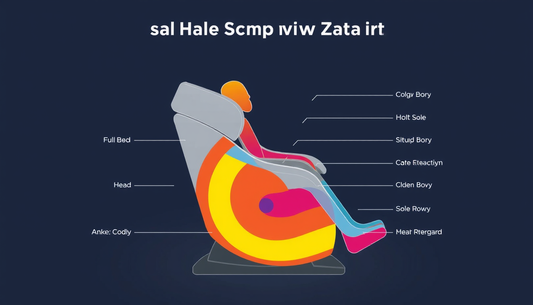
- Annotated silhouette overlays: color-code rollers, airbags and heat zones and label associated techniques and body parts.
- Infographics: map benefits to mechanisms such as increased venous return, decreased muscle tone and increased parasympathetic activation.
- Before-after timelines: show how weekly sessions over 4 to 12 weeks may support pain reduction and improved flexibility.
Maintenance, Hygiene and Troubleshooting
- Regular cleaning: wipe upholstery with manufacturer-approved disinfectant, clean foot rollers weekly when used frequently.
- Routine checks: verify airbag integrity, roller calibration and heat element function every 3 months in high-use settings.
- Troubleshooting tips: if rollers feel off-center, recalibrate the chair using the manual or contact Synca technical support; update firmware regularly for improved protocols.
Measuring ROI for Clinics and Retailers
- Retail demo conversion: track visitor-to-demo and demo-to-sale ratios, and test different demo protocols to optimize emotional and symptomatic responses that drive sales.
- Clinical ROI: measure patient retention, reported pain reduction and ancillary revenue from follow-up visits to justify equipment cost.
- Membership models: consider chair-access subscriptions for wellness centers to increase recurring revenue.
Sample Presentation Slides and Speakable Scripts
- Opening slide script: "Today we will visually map proven massage techniques to how the Synca chair targets common problem areas so you can understand protocols that relieve neck tension, heel pain and whole-body fatigue."
- Protocol demo script for Neck & Shoulder Rescue: "We begin at low intensity to find the tender spots, then introduce trigger point holds for 30 to 60 seconds, followed by relaxation cycles. Tell me when pressure becomes uncomfortable so we can adapt."
- Closing slide script: "When Synca chair protocols are combined with exercise and clinical guidance they act as scalable, evidence-informed adjuncts that support circulation, reduce pain and restore daily function."
SEO Optimization Checklist for 2025
- Use primary keyword phrases in headings and early paragraphs: Synca massage chairs, shiatsu massage chair, reflexology chair, neck pain massage chair.
- Include semantically related keywords naturally: plantar fasciitis support, cervical trigger point relief, calf compression recovery.
- Produce multimedia assets: annotated images, short demo videos, and downloadable protocol PDF to increase time on page and user engagement.
- Schema and metadata: implement product and how-to schema for demo protocols, include FAQ schema using questions and answers from this article.
- Link to peer-reviewed reviews and consensus guidance where possible to increase authority.
Expanded FAQ
-
Can Synca chair programs help with plantar fasciitis?
Targeted foot rollers, heel nodules and gentle Achilles/ankle compression can reduce plantar tissue tension and improve symptomatic comfort as part of a multimodal plan that includes stretching, footwear modification and clinician guidance.
-
Is it safe to use deep tissue settings every day?
Daily use is appropriate for low to medium intensity programs focused on relaxation and circulation. High-intensity deep tissue every day is not recommended without professional oversight. Monitor soreness and adjust.
-
How soon will I feel benefits?
Immediate reductions in perceived tension and stress are common after a session. Meaningful changes in chronic pain or flexibility typically require repeated sessions over 4 to 12 weeks combined with active movement strategies.
-
Can this replace my physical therapy?
Synca chair protocols are excellent adjuncts to physical therapy but do not replace diagnostic assessment, manual therapy when required, or specific exercise prescriptions from a licensed therapist.
Case Use Examples and Hypothetical Outcomes
- Athletic recovery center integrates Synca chairs for post-training sessions. Athletes report faster perceived recovery and reduced delayed onset muscle soreness when combining a 20-minute Recovery protocol with active cooldown routines.
- A corporate wellness program introduces Daily Relax 15-minute sessions. Employee-reported stress and neck tension decreased over an 8-week pilot, and utilization metrics support scaling across branches.
- A physiotherapy clinic uses neck and shoulder rescue protocols as home-use adjuncts for patients with chronic tension-type headaches, reporting reduced headache frequency when combined with posture and exercise programs.
Content and Marketing Ideas to Support Sales
- Create an interactive protocol builder on the product page where users pick target body parts and receive a recommended program with benefits explained.
- Publish monthly clinician interviews that discuss how they use Synca chairs as adjuncts in rehabilitation and performance settings.
- Offer downloadable one-page quick-reference charts for specific conditions like plantar fasciitis, neck tension, or post-run recovery.
Final Notes and Clinical Disclaimer
This presentation-style guide is intended to be an educational resource describing how Synca massage chairs translate manual techniques into chair protocols and what clinical and wellness benefits may be expected. It is not a substitute for professional medical advice. For acute medical conditions, severe pain, or surgical recovery consult a qualified healthcare provider before using deep tissue, heat or high-intensity programs.
Conclusion
By visually mapping Swedish, Deep Tissue, Shiatsu, Reflexology, Trigger Point, Acupressure and Kneading techniques to precise Synca chair mechanics and to targeted body zones such as ankles, heels, feet, calves, knees, thighs, back, neck, shoulder, hands and wrists, clinicians and retailers can create clear, evidence-informed protocols that deliver demonstrable benefits. When paired with careful safety screening, progressive intensity guidance and a multi-week plan that includes active movement, Synca chairs become powerful adjuncts for circulation, fatigue relief, flexibility improvement, injury recovery support, muscle and tissue therapy, pain relief, spine alignment assistance and stress reduction. Use this extended presentation as a template for slide decks, demo scripts, training manuals and SEO-rich web content.
Tags:
Previous
Slide Deck for Synca Massage Chairs: Mapping Swedish, Shiatsu, Deep Tissue & Reflexology to Ankles, Neck, Back and Whole-Body Benefits for Circulation, Recovery & Stress Relief
Next
Slide-Ready Presentation: Synca Massage Chair Techniques & Benefits — Mapping Swedish, Deep Tissue, Shiatsu & Reflexology to Ankles, Neck, Feet and Whole‑Body Recovery