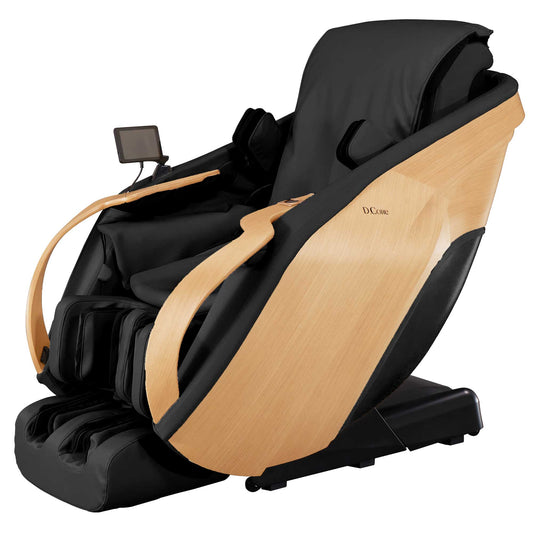
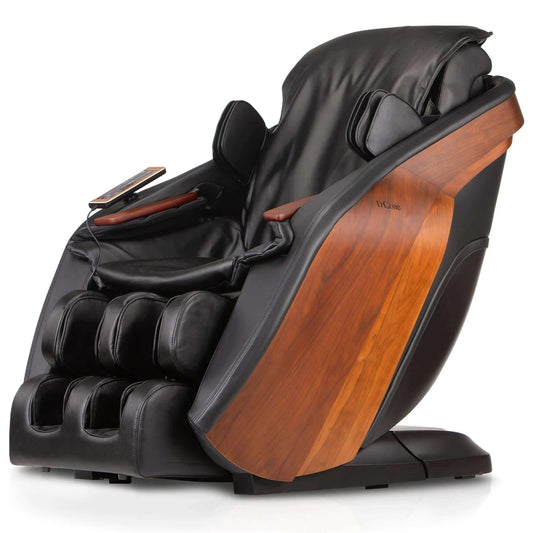
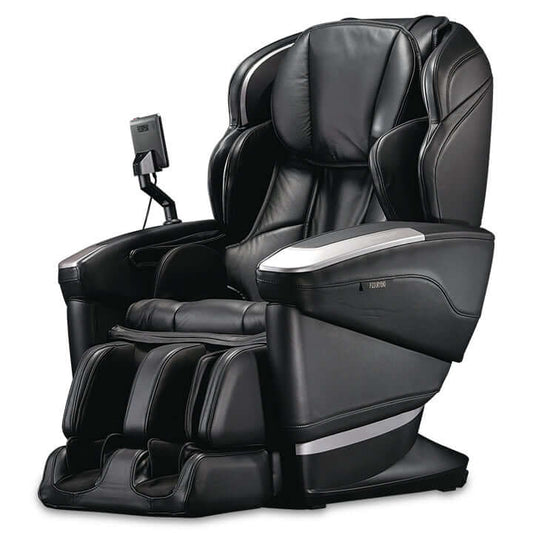

Slide Deck for Synca Massage Chairs: Mapping Swedish, Shiatsu, Deep Tissue & Reflexology to Ankles, Neck, Back and Whole-Body Benefits for Circulation, Recovery & Stress Relief
Slide 1: Presentation Title and Objectives
Slide deck: Synca massage chairs - a comprehensive mapping of massage techniques to targeted body parts, with measurable benefits for circulation, recovery, pain relief and stress reduction. This presentation is designed for clinicians, fitness professionals, wellness retailers and consumers who want an evidence-informed, SEO-optimized guide to using Synca chairs effectively in 2025.
Slide 2: Agenda
- Context and why Synca chairs are relevant
- Massage techniques overview
- Detailed mapping: body part to technique and benefit
- Sample Synca programs for specific goals
- Presenter notes, metrics and safety guidance
- SEO and content optimization tips for sharing the deck
- FAQ, references and next steps
Slide 3: Why Synca Massage Chairs? Market and User Benefits
- Advanced mechanical technology mimics professional hand techniques, delivering repeatable, customizable sessions at home or in clinic.
- Integrated functions include rollers, airbags, compression, heat, zero-gravity reclining and targeted modules for hands and feet.
- Convenience and consistency make Synca chairs effective for daily circulation support, muscle recovery and stress control.
Slide 4: Massage Techniques Covered
- Swedish Massage - long gliding strokes, effleurage and relaxation-focused strokes
- Deep Tissue Massage - slow, focused pressure targeting deep muscle fibers
- Trigger Point Massage - sustained pressure to tender nodules that refer pain
- Acupressure - pressure at strategic points to modulate energetic and circulatory responses
- Shiatsu - rhythmic finger and palm pressure with rotations along meridians
- Reflexology - neurovascular stimulation through foot and hand zones to affect systemic responses
- Kneading - circular lifting and rolling motion to soften fascia and improve lymphatic flow
Slide 5: How Techniques Relate to Physiological Benefits
- Blood flow control - achieved by stroking, compression and alternating pressure to promote arterial inflow and venous return
- Fatigue relief - targeted kneading and compression reduce metabolic byproducts and perceived soreness
- Flexibility improvement - sustained pressure and slow mobilization reduce stiffness and increase range of motion
- Injury recovery - controlled deep work and trigger point release help remodel scar tissue and reduce adhesions when used appropriately
- Muscle therapy and pain relief - targeted techniques modulate nociceptive input and reduce muscle guarding
- Spine alignment support - thoracic mobility work and lumbar decompression can aid postural balance
- Stress relief and tissue therapy - combination of techniques produces parasympathetic activation and improved tissue health
Slide 6: Reader Personas - Who Benefits Most?
- Office worker with chronic neck and shoulder tension
- Athlete seeking quicker recovery and reduced DOMS
- Seniors managing circulation and mild stiffness
- Shift worker needing fatigue and sleep-supporting routines
- Wellness consumer seeking daily stress management and circulation care
Slide 7: Mapping Overview - Body Parts and Primary Techniques
This slide provides a quick reference matrix pairing body parts with the highest-impact techniques:
- Ankles and Heels: Reflexology, Shiatsu, Kneading
- Feet: Reflexology, Kneading
- Calves: Deep Tissue, Kneading, Compression
- Knees: Deep Tissue, Trigger Point (around surrounding muscles), Compression
- Thighs: Deep Tissue, Kneading, Trigger Point
- Hands and Wrists: Reflexology, Acupressure, Kneading
- Neck and Shoulders: Shiatsu, Deep Tissue, Trigger Point, Heat
- Upper Back and Thoracic Region: Swedish, Deep Tissue, Acupressure
- Lower Back and Lumbar Region: Deep Tissue, Kneading, Decompression modes
- Whole Body: Swedish, Shiatsu, combined sequences with reflexology cooldown
Slide 8: Ankles, Heels and Feet - Detailed Slide
- Primary goals: improve venous return, reduce swelling, relieve plantar and heel pain, aid systemic relaxation via reflexology
- Recommended Synca features: adjustable foot rollers, variable pressure airbags, heat in soles where available
- Technique mapping: reflexology for systemic effects, kneading for soft tissue mobility, Shiatsu for local energetic balance
- Session settings: 10-20 minutes focusing on foot and calf sequence; moderate pressure with gradual progression; alternate days for inflamed conditions
- Presenter note: emphasize starting pressure low if peripheral neuropathy or diabetic foot concerns exist; advise medical consult
Slide 9: Calves, Knees and Thighs - Detailed Slide
- Primary goals: reduce lactic buildup, improve lymphatic drainage, reduce muscle tightness, protect knee joint by optimizing surrounding musculature
- Recommended Synca features: calf airbags, rhythmic compression, kneading rollers and targeted deep-tissue pulses
- Technique mapping: deep tissue and kneading for muscle fiber remodeling, trigger point release for persistent knots, compression to support venous return
- Session settings: 15-25 minutes post-workout; alternating deep pulses and compression; end with light kneading for cooldown
- Contraindications: avoid intense deep tissue directly over acute injuries, deep vein thrombosis, or active swelling without medical clearance
Slide 10: Hands and Wrists - Detailed Slide
- Primary goals: relieve repetitive strain, improve local blood flow, enhance dexterity and nerve glide
- Recommended Synca features: hand modules, adjustable intensity, reflexology points
- Technique mapping: reflexology and acupressure for systemic calming and local circulation, kneading for soft tissue release
- Session settings: 5-10 minutes within a full-body program; moderate pressure for carpal tunnel tendencies, avoid aggressive deep tissue on inflamed tendons
- Presenter note: include simple wrist mobility and nerve gliding exercises before or after chair session for best outcomes
Slide 11: Neck and Shoulders - Detailed Slide
- Primary goals: reduce cervical stiffness, decrease frequency of tension headaches, improve shoulder mobility
- Recommended Synca features: neck rollers, heat therapy, slow shiatsu sequences, trigger point focal work
- Technique mapping: Shiatsu and deep tissue to reduce hypertonicity; trigger point for referral patterns; Swedish strokes for relaxation
- Session settings: 10-15 minutes focused work; start with heat and Swedish to warm tissues, then apply deeper, short bursts only as tolerated
- Safety: avoid aggressive pressure with recent whiplash, herniated cervical discs or neurological signs without clinician approval
Slide 12: Upper Back and Thoracic Region - Detailed Slide
- Primary goals: improve thoracic extension, reduce mid-back pain, assist posture correction
- Recommended Synca features: broad rollers, acupressure pads, alternating long glides
- Technique mapping: Swedish strokes for mobility; deep tissue for muscle adhesions; acupressure to assist posture-related tension
- Session settings: 10-20 minutes, alternating long glide sequences with brief focal deep work
- Presenter tip: use cues to engage the client in light scapular retraction between passes to encourage active postural changes
Slide 13: Lower Back and Lumbar Region - Detailed Slide
- Primary goals: reduce lumbar muscle guarding, support spinal decompression, relieve chronic low back ache
- Recommended Synca features: lumbar rollers, gentle decompression modes, heat, kneading sequences
- Technique mapping: deep tissue focused on paraspinals and gluteal attachments; kneading for lateral muscles; decompression to reduce disc compressive load
- Session settings: 15-25 minutes; begin with decompression and heat, proceed to targeted kneading and end with relaxing stroking
- Contraindication reminder: recent fractures, acute disc herniation with progressive neurological deficit, or uncontrolled osteoporosis require medical clearance
Slide 14: Whole-Body Programs - Structure and Goals
Whole-body sequences promote systemic circulation, parasympathetic activation and generalized recovery. Design a 30-40 minute flow that progresses logically:
- Warm-up: gentle Swedish strokes from lower limbs to trunk to elevate local temperature and circulation
- Core work: deep tissue and trigger point for specific complaints
- Focused extremity work: feet, hands and calves with compression and reflexology
- Cooldown: Shiatsu rhythm and long stroking for relaxation and stress relief
Slide 15: Sample Synca Programs for Common Goals
- Circulation Boost Program
- Duration: 20 minutes
- Sequence: Lower-limb compression and kneading, foot reflexology (5-7 min), calf compression cycles, full-leg Swedish stroking, light lumbar and thoracic strokes
- Expected benefits: improved venous return, reduced swelling and faster fatigue recovery
- Best for: desk workers, travelers, early-stage peripheral circulation issues
- Post-Workout Recovery Program
- Duration: 25-30 minutes
- Sequence: Light warm-up Swedish phase, targeted deep-tissue pulses to quads and hamstrings, calf compression, kneading cooldown, foot reflexology
- Expected benefits: reduced DOMS, quicker recovery of performance, reduced muscle tightness
- Best for: athletes and active adults after intense training
- Stress Relief and Sleep Prep Program
- Duration: 30-40 minutes
- Sequence: Gentle Swedish full-body flow, calming Shiatsu rhythm on neck and shoulders, warm foot reflexology, slow breathing cues during session
- Expected benefits: lowered sympathetic tone, improved sleep onset and quality, overall relaxation
- Best for: shift workers, high-stress professionals, anyone needing nightly relaxation
Slide 16: Custom Program Examples by Body Part and Goal
- Ankle/Feet Edema Reduction
- Techniques: compression cycles + reflexology + light kneading
- Duration: 15 minutes daily
- Metrics: calf circumference, perceived soreness, ankle mobility
- Chronic Neck Tension
- Techniques: heat + Swedish warm-up + targeted Shiatsu + trigger point focal release
- Duration: 12-18 minutes every other day
- Metrics: ROM measurements, headache frequency, pain VAS
- Post-Leg-Training Recovery
- Techniques: deep tissue pulses, rhythmic compression, kneading on quads and hamstrings
- Duration: 20-30 minutes after workout
- Metrics: perceived recovery, vertical jump or performance metric next day
Slide 17: Speaker Notes and Delivery Tips
- Keep the presentation practical and demo-friendly. Whenever possible, show a brief video of the chair performing the sequence you describe.
- Use before/after measures to engage the audience: pulse rate, limb circumference, pain scores or short mobility tests.
- Address safety early and repeat contraindications with each hands-on demo.
- Encourage questions and personalized program adjustments; one size does not fit all.
Slide 18: Measurement and Tracking - How to Prove Benefit
- Subjective metrics: visual analog scale for pain, sleep quality questionnaires, perceived recovery scales
- Objective metrics: resting heart rate variability where available, limb circumference for swelling, range-of-motion goniometry
- Performance metrics: time-to-recovery, next-session performance markers (e.g., sprint time, vertical jump)
- Recommended cadence: baseline, immediate post-session, 24-48 hour follow-up, and weekly review for trends
Slide 19: Safety, Contraindications and Best Practices
- Always recommend medical consultation if the user has recent fractures, severe varicose veins, active infections, uncontrolled cardiovascular conditions or suspected deep vein thrombosis.
- Modify intensity for populations with fragile skin, peripheral neuropathy, or chronic conditions. Start low and progress slowly.
- Avoid prolonged intense deep tissue pressure directly over inflamed joints or acute injuries.
- Use heat cautiously with diabetes or impaired sensation.
Slide 20: Maintenance and Care for Synca Chairs (Presenter Tip)
- Regularly wipe surfaces with manufacturer-recommended cleaning agents to preserve upholstery and electronics.
- Follow scheduled service intervals for rollers and motors to ensure consistent performance.
- Demonstrate user maintenance checklist as downloadable handout for attendees
Slide 21: Case Studies and Real-World Examples
- Office ergonomic program: 8-week pilot with daily 15-minute circulation boost sessions showed reduced self-reported neck stiffness and improved wellbeing scores among staff.
- Sports recovery: collegiate team incorporating Synca post-practice for two months reported faster subjective recovery and fewer complaints of muscle soreness.
- Senior wellness program: twice-weekly whole-body sessions helped reduce reports of leg swelling and improved sleep quality in a small observational sample.
Slide 22: Troubleshooting Common Complaints
- User feels bruised after session: reduce intensity and shorten deep-tissue segments; ensure hydration and allow 24-48 hours between intense sessions.
- User feels numbness or tingling: stop intense pressure and reassess; consider nerve irritation and seek medical evaluation if persistent.
- Heat uncomfortable: reduce or disable heat; use Swedish or milder modes instead
Slide 23: SEO Strategy for the Slide Deck and Content
- Target primary keywords: Synca massage chairs, Swedish massage, shiatsu, deep tissue, reflexology, circulation, recovery, stress relief
- Long-tail keywords: Synca chair for ankle swelling, Synca post-workout recovery chair sequence, how Synca helps neck pain
- On-page SEO: use descriptive H1/H2 headings, alt text for slide images, and structured data for product demos and how-to content
- Content depth: expand each slide into a separate web page or blog post to capture niche keywords per body part and technique
- Internal linking: link to product manuals, high-value user guides and clinical summaries to improve topical authority
Slide 24: Slide and Image Optimization Checklist
- Use clear, keyword-rich slide titles and filenames for images
- Include alt text that explains both the image and target keyword phrase
- Compress images for faster loading and mobile presentation
- Provide downloadable transcripts and text-based slide notes for accessibility and indexability
Slide 25: Sample Meta Description and Social Copy
- Meta description example: Comprehensive Synca massage chair slide deck mapping Swedish, Shiatsu, Deep Tissue and Reflexology to ankles, neck, back and whole-body benefits for circulation, recovery and stress relief.
- Social post example: Discover how Synca massage chairs combine Swedish, Shiatsu and deep tissue techniques to speed recovery, improve circulation and reduce stress. Download our presenter-ready slide deck.
Slide 26: Handouts and Downloadables to Accompany the Deck
- User quick-start guide for each program described
- Safety checklist and contraindications one-pager
- Printable measurement log for tracking outcomes
- Video links demonstrating each technique and Synca setting
Slide 27: Frequently Asked Questions
- Can Synca chairs replace professional hands-on therapy?
- Answer: Synca chairs are an effective adjunct for daily maintenance, recovery and stress management. They do not replace individualized hands-on therapy for complex or acute medical conditions. Recommend coordination with a licensed clinician for ongoing treatment plans.
- How often should I use the chair?
- Answer: Frequency depends on goals. Circulation programs can be used daily; deep recovery sessions are best used post-exertion or every other day. Always tailor to user tolerance and medical guidance.
- Are there settings for sensitive users?
- Answer: Yes. Synca chairs offer adjustable intensity and program length; begin at the lowest comfortable setting and increase gradually.
Slide 28: Speaker Q&A - Anticipated Questions and Model Responses
- Q: Which program is best for travel-related swelling?
- A: Use the Circulation Boost program with intermittent compression and foot reflexology for 20 minutes during or after long travel.
- Q: Can it help plantar fasciitis?
- A: Foot rollers and kneading can help relieve tension, but plantar fasciitis with acute inflammation may require medical evaluation and modified use.
Slide 29: Legal and Medical Disclaimer
Include a clear slide stating that the presentation is educational. Synca chairs offer wellness and recovery tools, but this content is not medical advice. Recommend clinical consultation for acute, progressive or serious conditions. Encourage users to follow manufacturer guidelines.
Slide 30: Call to Action and Next Steps
- Demo suggestion: schedule an in-person or virtual demo and provide a short trial session using a sample program tailored to the attendee's needs
- Downloadables: provide links to the quick-start guides, safety checklist and measurement log
- Follow-up: invite attendees to a 30-day pilot with measurement tracking and a final outcome report
Slide 31: Presenter Resources and Contact Info
- Provide presenter notes, video assets and custom program templates
- List contact info for product specialists and clinical liaisons
- Offer training options: short workshops to teach staff how to set programs and perform basic measurements
Slide 32: Advanced Topics for Clinicians and Wellness Professionals
- Integration with rehabilitation plans: how to complement manual therapy sessions
- Periodization of chair use for athletes: scheduling sessions around training cycles for optimal recovery
- Monitoring biomarkers: suggestions for HRV and subjective recovery scales to quantify benefits
Slide 33: Content Expansion Ideas for SEO and Authority
- Create pillar content pages for each massage technique and link to body-part specific articles
- Develop video tutorials and transcripts for each Synca program
- Publish case studies and outcome summaries with aggregated metrics to build trust and backlinks
Slide 34: Example Slide-by-Slide Timing for a 30-Minute Presentation
- Intro and objectives - 2 minutes
- Technique overview - 4 minutes
- Body part mapping - 6 minutes
- Sample programs and demos - 8 minutes
- Measurement and safety - 4 minutes
- Q&A and closing CTA - 6 minutes
Slide 35: Full Slide Deck Keywords for SEO
- Primary: Synca massage chairs, Synca chair programs, professional massage chair
- Technique-focused: Swedish massage Synca, shiatsu Synca, deep tissue Synca, reflexology Synca
- Body-part-focused: Synca neck relief, Synca lower back program, Synca ankle circulation
- Benefit-focused: Synca for recovery, reduce swelling with Synca, Synca for stress relief
Slide 36: Download and Distribution Recommendations
- Offer the slide deck as a PDF with embedded video links and time-code notes
- Host the deck on a fast-loading page with a summary blog post for SEO
- Provide structured data markup on the hosting page for products and how-to content
Slide 37: Example Handout - Quick-Start Programs (One Page)
- Circulation Boost: 20 min, medium compression, foot rollers, cooldown
- Recovery: 25 min, warm-up Swedish, deep tissue legs, compression, cooldown
- Relaxation: 30 min, whole-body Swedish, Shiatsu neck and shoulders, foot reflexology
Slide 38: Frequently Suggested Routines by Audience
- Office workers: 15-minute morning or evening circulation and neck relief routine
- Athletes: 20-30 min post-training recovery session plus as-needed short sessions for tight areas
- Seniors: lower-intensity whole-body routine focusing on circulation and mobility, 10-20 minutes
Slide 39: Additional Safety Scenarios and Clinical Red Flags
- Persistent or worsening radicular symptoms after use - discontinue and refer to clinician
- New swelling or acute shortness of breath during or after session - seek immediate medical attention
- Unexplained bruising or skin changes - stop use and investigate
Slide 40: Closing Summary and Key Takeaways
- Synca massage chairs translate multiple massage techniques into programmable, repeatable interventions that can improve circulation, aid recovery and reduce stress when used appropriately.
- Match technique to body part and goal: Swedish and Shiatsu for whole-body circulation and stress relief; deep tissue and trigger point for recovery and chronic tension; reflexology and kneading for lower-extremity circulation and relaxation.
- Measure outcomes, prioritize safety and use consistent protocols to maximize real-world benefit.
- For clinical populations or acute complaints, always consult a healthcare professional before relying solely on a chair-based program.
Slide 41: References and Suggested Further Reading
- Manufacturer product documentation and user manuals for Synca models
- General reviews and systematic summaries on massage therapy effects on circulation, pain and recovery (search reputable medical databases such as PubMed for current studies)
- Clinical guidelines on exercise recovery and conservative management of musculoskeletal problems from recognized institutions
Slide 42: Contact, Demo Links and Next Steps
Provide a clear call to action: schedule a demo, download the quick-start handout, enroll in a pilot program for staff or clients, or contact a Synca representative for bulk or clinical partnerships. Thank the audience and invite feedback to iterate on the slide deck and support materials.
Appendix A: Editable Program Templates (Copyable into PowerPoint)
Include slide text templates, speaker notes and short video clip timestamps so presenters can easily customize the deck. Make sure to provide alt text and transcript files for all audiovisual content to maximize accessibility and SEO indexability.
Appendix B: Suggested Analytics to Share with Stakeholders
- Usage adherence: percent of users completing recommended sessions
- Symptom improvement rates: percent reporting reduced pain or swelling at designated checkpoints
- Return on investment: reduced sick days, improved staff satisfaction scores, athlete performance metrics
Appendix C: Quick Reminders for Presenters
- Always open with a clear problem statement: who benefits and why
- Use a demo to make techniques tangible; nothing beats seeing the chair in action
- End with measurable next steps and an easy way to try a program
Final Note
This slide deck is structured to be expanded into a full content hub, with individual pages for each body part, technique and program. Use it as a template to build authoritative, SEO-driven content in 2025 and beyond. Remember to always advise medical consultation for users with complex or acute conditions.
Tags:
Previous
Slide Kit: Synca Massage Chair — Translating Swedish, Shiatsu, Deep‑Tissue & Reflexology Into Targeted Relief for Ankles, Neck, Back & Whole‑Body Recovery
Next
Synca Massage Chairs Visual Presentation: Linking Swedish, Deep Tissue, Shiatsu & Reflexology Protocols to Ankles, Neck, Feet and Clinical Benefits