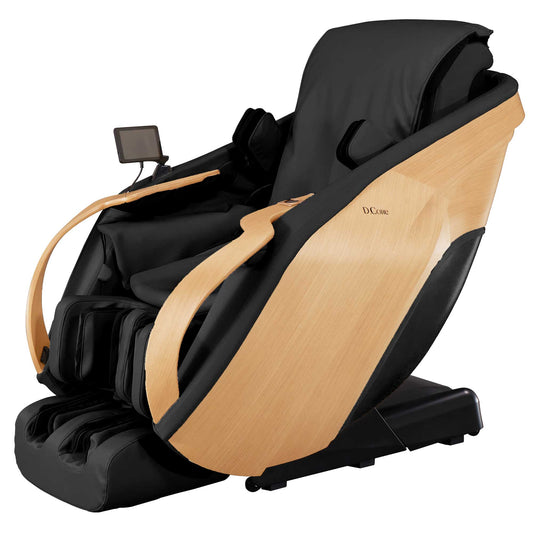
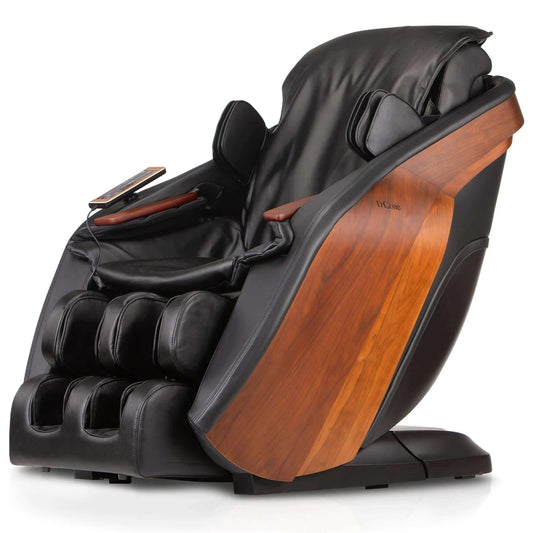
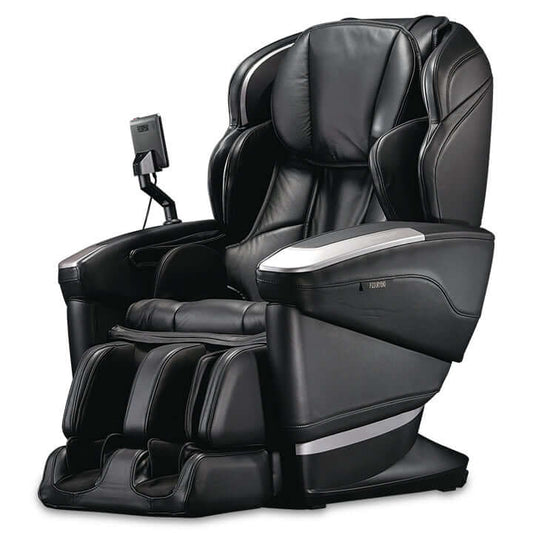

Slide-Ready Presentation: Synca Massage Chair Techniques & Benefits — Mapping Swedish, Deep Tissue, Shiatsu & Reflexology to Ankles, Neck, Feet and Whole‑Body Recovery
Introduction — Presentation Purpose & SEO Hook
This slide-ready article is a comprehensive presentation script and content pack for explaining how Synca massage chairs emulate professional massage techniques, map those techniques to targeted body parts (Ankle, Back, Calf, Feet, Hands, Head, Heel, Knee, Legs, Neck, Shoulder, Thigh, Whole Body, Wrist), and deliver measurable recovery and wellness benefits (Blood Flow Control, Fatigue Relief, Flexibility Improvement, Injury Recovery, Muscle Therapy, Pain Relief, Spine Alignment, Stress Relief, Tissue Therapy). It is optimized for SEO with clear keyword placement, meta copy suggestions, and slide-by-slide speaking notes so you can convert this into a high-ranking landing page or a webinar deck.
Why This Presentation Matters
- Users are searching for targeted, evidence-informed ways to relieve pain and recover faster at home — Synca chairs answer that need by reproducing multiple massage modalities.
- Search intent split: comparison (Synca vs. manual), educational (what is shiatsu/reflexology), and transactional (where to try/buy). This deck covers all three.
- Format: Slide-ready sections, SEO-friendly headers, speaker notes, sample visuals, and printable cheat sheets to support conversions and dwell time.
Primary Messaging & Target Keywords
- Primary keyword: "Synca massage chair"
- Secondary keywords: "Swedish massage", "deep tissue massage", "shiatsu massage", "reflexology", "neck pain relief", "ankle massage", "foot reflexology", "whole-body recovery", "massage chair benefits"
- Long-tail examples: "Synca chair for runners recovery", "how Synca simulates shiatsu for neck pain", "reflexology rollers Synca chair benefits"
Slide 1 — Title Slide & Opening Hook
- Title: Slide-Ready Presentation: Synca Massage Chair Techniques & Benefits — Mapping Swedish, Deep Tissue, Shiatsu & Reflexology to Ankles, Neck, Feet and Whole‑Body Recovery
- Subtitle: Translate professional techniques into daily recovery — science-forward, home-ready
- Speaker note: Start with a question: "What if a single chair could give you Swedish relaxation, deep tissue release, shiatsu pressure-point work, and reflexology foot therapy?"
Slide 2 — Executive Summary / TL;DR
- Synca chairs use multi-axis rollers, airbags, heat, and vibration to simulate professional techniques and target specific body parts.
- Designed programs address circulation, tension, recovery and stress — suitable for daily maintenance and targeted relief.
- Safety-first design: customizable intensity, recommended session times, and guidance for common contraindications.
Slide 3 — Techniques Deep Dive: What the Chair Simulates
For each technique include: clinical intent, what the chair mimics, ideal body targets, and practical presentation notes.
-
Swedish Massage
- Intent: Promote circulation, induce relaxation, reduce peripheral stiffness.
- Chair simulation: Long gliding rollers, wave motion, gentle rhythm, light heat.
- Best applied to: Back, Shoulders, Neck, Thighs.
- Speaker tip: Emphasize circulatory effects and stress reduction benefits; include visuals of roller flow along the spine.
-
Deep Tissue Massage
- Intent: Reach deeper fascial and muscular layers to address chronic tightness.
- Chair simulation: Slower, firmer roller pressure, concentrated kneading, option to focus on lumbar or shoulder zones.
- Best applied to: Back, Calves, Thighs, Shoulders.
- Speaker tip: Note that intensity should be introduced gradually and is often paired with heat to improve tissue pliability.
-
Trigger Point / Acupressure
- Intent: Release localized knots and interrupt referral pain patterns.
- Chair simulation: Pinpoint nodes, sustained pressure, and hold-release cycles via air or rollers.
- Best applied to: Neck, Shoulders, Upper Back, Gluteal region.
- Speaker tip: Use before/after examples and a short pain-scale survey to illustrate change.
-
Shiatsu Massage
- Intent: Apply rhythmic point pressure along energy/meridian lines to reduce stiffness and improve mobility.
- Chair simulation: Rotating nodes, firm static pressure, and rhythm patterns that mimic thumbs and palms.
- Best applied to: Neck, Mid/Lower Back, Shoulders, Feet.
- Speaker tip: Avoid medical promises; describe shiatsu's traditional focus on tension relief and mobility.
-
Reflexology
- Intent: Stimulate specific points on the feet/hands to support systemic relaxation and fatigue relief.
- Chair simulation: Targeted foot rollers, nodal pressure, and variable speeds matching plantar maps.
- Best applied to: Feet, Heels, Ankles, and in a complementary fashion to the whole body.
- Speaker tip: Explain foot maps briefly and tie reflex zones to user outcomes like fatigue relief and circulation.
-
Kneading
- Intent: Warm muscles, promote venous return, break mild adhesions within muscle tissue.
- Chair simulation: Circular roller motion and compression from airbags producing rhythmic squeeze-and-release.
- Best applied to: Calves, Thighs, Back, Neck.
- Speaker tip: Demonstrate the mechanical difference between kneading and linear rolling with animation.
Slide 4 — Mapping Techniques to Body Parts (Detailed)
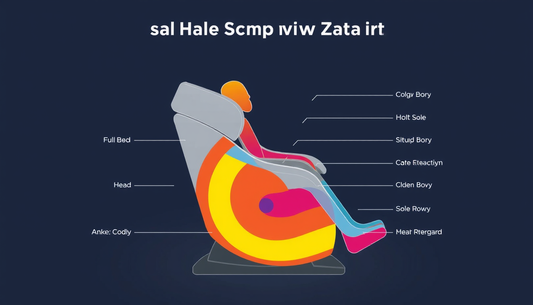
Use an anatomical slide with callouts. Each callout should include technique, typical program name, intensity, and expected short-term outcome.
- Head — Light vibration and neck-focused shiatsu to reduce tension headaches; short sessions (5–10 min).
- Neck — Shiatsu + trigger point nodes; slow, focused pressure to reduce stiffness and improve range of motion.
- Shoulders — Deep tissue + kneading to break down chronic knots and improve posture-related stiffness.
- Back — Swedish and deep tissue rollers for circulation and muscle therapy; include spinal stretch program for alignment support.
- Calf & Thigh — Kneading + air compression; improves venous return and muscle recovery after exercise.
- Legs & Knee — Low-impact compression, vibration, and mild heat for joint comfort and circulation support.
- Feet, Heels & Ankles — Reflexology rollers and airbags; focus on plantar zones for fatigue relief and improved peripheral circulation.
- Hands & Wrists — Airbag compression and targeted pads for joint comfort and circulation, ideal for desk workers.
- Whole Body — Coordinated full-programs combining rollers, airbags, heat and compression to promote systemic stress relief and recovery.
Slide 5 — Technique-to-Benefit Matrix (Visual + Talking Points)
Create a table slide visually mapping techniques (rows) to benefits (columns). Below are talking bullets you can read aloud while showing the table.
- Swedish: Blood Flow Control, Stress Relief, Flexibility Improvement
- Deep Tissue: Muscle Therapy, Pain Relief, Injury Recovery
- Trigger Point & Acupressure: Tissue Therapy, Pain Relief, Targeted Release
- Shiatsu: Spine Alignment Support, Mobility, Stress Relief
- Reflexology: Fatigue Relief, Systemic Relaxation, Peripheral Blood Flow
- Kneading: Muscle Warm-Up, Flexibility, Tissue Preparation for Deeper Work
Slide 6 — Use Cases & Personas
Make the benefits tangible with 6 user scenarios tailored to search intent and buyer personas.
-
Desk Worker (Neck & Shoulder Relief)
- Program: Shiatsu neck + shoulder deep tissue, 12–15 minutes, mild heat.
- Outcome: Reduced stiffness during the workday, improved posture awareness.
- SEO angle: "neck pain relief at home", "best massage chair for office workers"
-
Runner / Athlete (Calf & Foot Recovery)
- Program: Calf kneading + foot reflexology, 15–20 minutes post-run with mild heat.
- Outcome: Reduced muscular fatigue, improved circulation, faster recovery.
- SEO angle: "post-run recovery chair", "foot recovery reflexology"
-
Older Adult (Joint Comfort & Circulation)
- Program: Low-intensity airbags for legs and feet, gentle Swedish back program.
- Outcome: Improved circulation, joint comfort for knees and ankles.
- SEO angle: "massage chair for circulation", "ankle and knee comfort at home"
-
Post-Injury Rehab (Complementary, Not a Cure)
- Program: Low-pressure kneading and circulation-focused programs; avoid intense deep tissue until cleared by a clinician.
- Outcome: Supportive therapy for tissue therapy and comfort during recovery.
- SEO angle: "massage chair after injury" (include advisories to consult providers)
-
Busy Parent (Stress Relief & Headache Management)
- Program: Short whole-body relaxation program with foot reflexology and neck-shiatsu.
- Outcome: Fast stress reduction and improved sleep onset.
- SEO angle: "massage chair for stress relief", "shiatsu for tension headaches"
-
Manual Therapy Complement (Pre- and Post-Session)
- Program: Swedish warm-up before manual therapy; contrast deep tissue and light kneading after to maintain gains.
- Outcome: Longer-lasting manual therapy results and improved tissue readiness.
- SEO angle: "massage chair for manual therapy maintenance"
Slide 7 — Session Guidelines & Protocols
Provide clear, practical guidance so users get consistent results and stay safe.
- Session length:
- Quick relief: 5–10 minutes (neck/shoulders or focused foot reflexology)
- Recovery sessions: 15–25 minutes (calf/thigh/whole-body)
- Maximum comfortable session: 30 minutes; avoid continuous high-intensity use beyond manufacturer guidance
- Frequency:
- Daily low-intensity maintenance is safe for most users.
- High-intensity deep tissue should be used less frequently (2–3 times per week) or as tolerated.
- Intensity ramp:
- Begin at the lowest setting and increase slowly across sessions.
- Combine with heat and hydration to maximize tissue pliability.
- Contraindications & precautions:
- Avoid aggressive sessions immediately after acute injury, fractures, or deep vein thrombosis (DVT) risk — always consult a healthcare provider.
- Pregnancy: Use manufacturer-specific guidance; avoid intense abdominal or deep lumbar programs without clearance.
- Implanted devices: Consult a clinician if you have pacemakers or similar devices.
Slide 8 — Evidence & Realistic Expectations
Be transparent about what massage chairs can and cannot do. Use evidence-informed language without making medical claims.
- Massage (manual or mechanical) has documented benefits for short-term pain relief, stress reduction, and perceived recovery — chairs reproduce many of these mechanical actions.
- Mechanical massage cannot replace a clinical diagnosis or surgical interventions; it is best used as part of a broader recovery plan.
- Include a slide citation list (peer-reviewed reviews on massage efficacy for pain and recovery) and encourage viewers to consult clinicians for chronic or severe conditions.
Slide 9 — Demonstration Scripts (5 to 10 Minute Demos)
Provide presenter scripts for live demos focusing on key body parts.
-
Neck & Shoulder Demo (5 min)
- Intro line: "I'll run a short shiatsu-neck program and show targeted trigger point release."
- Set intensity: Start low, increase to medium over 30 seconds.
- Highlight controls: Show manual node position, heat toggle, and timer.
- Close: "Notice immediate tension reduction and improved mobility — repeat once daily."
-
Feet & Calf Recovery Demo (7–10 min)
- Intro line: "Post-run recovery routine — foot reflexology plus calf kneading."
- Sequence: 3 min foot rollers (vary speed), 4–6 min calf kneading with air compression, finish with 1–2 min gentle vibration for cooldown.
- Speaker tip: Discuss plantar zones and show a foot map overlay on the chair image.
Slide 10 — Troubleshooting & Maintenance
- Common issues: Roller noise, uneven pressure, airbag slow inflation — offer quick fixes such as power cycle, adjustment of node position, and recalibrating the chair.
- Routine maintenance: Wipe upholstery with manufacturer-approved cleaner, periodic inspection of power cords and moving parts, scheduled professional servicing for heavy-use environments.
- Warranty & support pointers: Encourage users to register product for warranty and include support contact visuals in the slide.
Slide 11 — Visual Assets & Slide Notes
List suggested images, alt text and animations to increase engagement and SEO value.
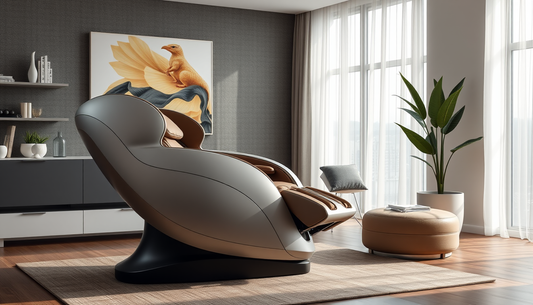
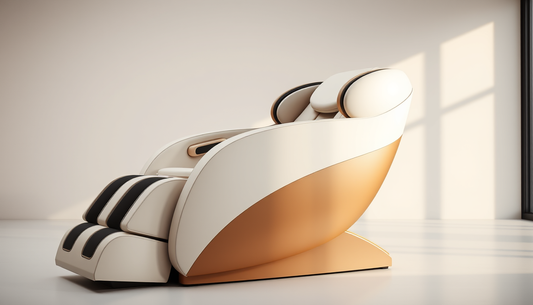
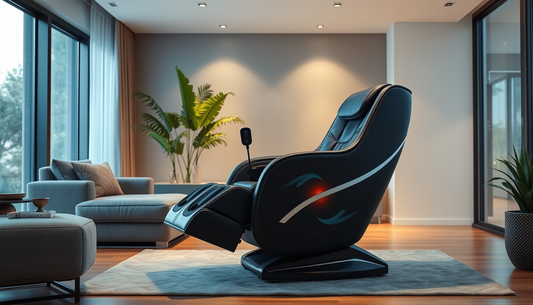
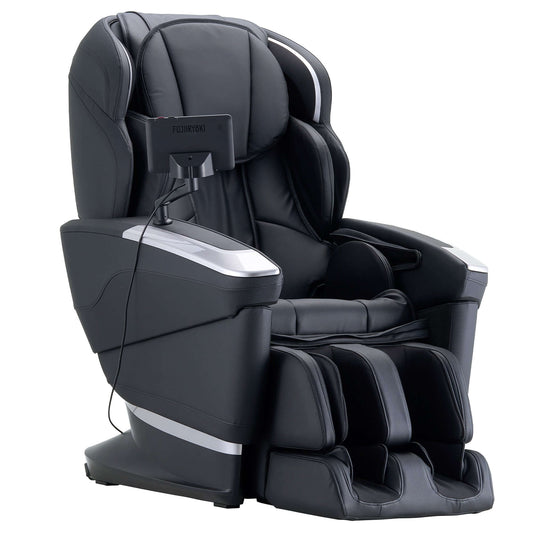
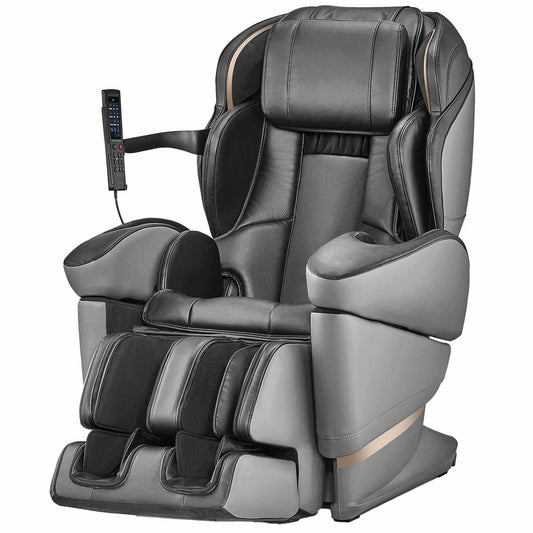
- Hero image: Synca chair in a calm home setting — alt text: "Synca massage chair in living room for whole-body recovery"
- Technique icons: Swedish, Deep Tissue, Shiatsu, Reflexology — alt texts referencing keywords like "Swedish massage Synca chair"
- Anatomical callout image: Body map with clickable hotspots for Ankles through Head — alt text: "Synca chair body map: ankle to head"
- Before/After demo photos: relaxed user vs. pre-session tension pose — alt text: "neck pain relief with Synca chair"
- Animations: Roller path animations and foot roller action to illustrate mechanics.
Slide 12 — SEO & Content Optimization Checklist
- Title tag: Keep within 50–60 characters; include "Synca massage chair" near the beginning.
- Meta description (suggestion): "Discover how Synca massage chairs map Swedish, deep tissue, shiatsu and reflexology to ankles, neck, feet and whole-body recovery — techniques, benefits, and demo guidance."
- Header structure: Use H1 for page title (align with article title), H2 for slide headings, and H3 for subpoints to maximize crawl clarity.
- Internal links: Link to product pages, demo booking pages, blog posts on neck pain, foot reflexology, and recovery routines.
- Structured data: Implement Product schema, FAQ schema (sample Q&A included below), and HowTo schema for sample routines to boost SERP features.
- Multimedia: Embed demo video transcripts for crawlable content and include closed captions on videos for accessibility.
Slide 13 — FAQ Slide (SEO-Optimized)
-
Q: Can a Synca chair replace massage therapy?
A: Synca chairs simulate many mechanical aspects of massage and are excellent for daily maintenance and symptom relief. They are complementary to hands-on therapy but not a replacement for clinical diagnosis or certain hands-on treatments when those are required.
-
Q: How often should I use the chair for ankle/foot recovery after long runs?
A: Short daily sessions (10–20 minutes) focusing on calves and feet can aid recovery. Increase intensity gradually and combine with stretching and proper footwear.
-
Q: Is the chair safe for older adults with circulation issues?
A: Many low-intensity programs are appropriate for older adults, but people with known vascular conditions, DVT risk, or implanted devices should consult their healthcare provider before regular use.
-
Q: Can Synca chairs help with spine alignment?
A: Chairs include spinal stretch and posture-focused programs that support spinal mobility and can relieve pressure. They do not correct structural spinal deformities; they are an adjunctive supportive therapy for tissue relaxation.
Slide 14 — Case Study Examples (Hypothetical, Use with Permission)
Short anonymized vignettes to make benefits visceral. Use real customer testimonials if available and comply with truth-in-advertising.
-
Case A — Marathon Runner
- Challenge: Persistent calf tightness and plantar fatigue after long runs.
- Intervention: Daily 15-min calf kneading + foot reflexology post-run for four weeks.
- Outcome: Subjective reduction in soreness and faster return-to-training; objective improvement in perceived recovery scores.
-
Case B — Remote Worker
- Challenge: Chronic neck/shoulder tension and frequent headaches.
- Intervention: Twice-daily short shiatsu neck sessions (5–10 min) and once-daily whole-body relaxation program.
- Outcome: Decreased frequency of tension headaches and improved productivity.
Slide 15 — Printable Cheat Sheets & Leave-Behinds
Attach or link to downloadable assets in your deck or landing page.
- One-page "Technique-to-Body Map" for quick reference.
- "3-minute desk worker routine" printable with step-by-step button presses and intensity recommendations.
- Maintenance checklist and warranty registration instructions.
Slide 16 — Sales Enablement Notes
For retail reps and in-showroom staff.
- Lead with user goals: pain relief, recovery, relaxation, specific target areas (neck, feet, ankles).
- Demonstrate differences between programs: show immediate perceived relief on demo users and cite anecdotal results.
- Offer trial programs and guided demos to build trust; encourage short trial sessions to convert hesitant buyers.
Slide 17 — Compliance & Messaging Safety
- Avoid claiming the chair "treats" or "cures" medical conditions. Use phrases like "supports comfort", "promotes relaxation and recovery", and "complements clinical care."
- Include clear medical disclaimers and direct users to consult healthcare providers for chronic pain or serious conditions.
- For regulatory compliance, ensure testimonials are substantiated and do not make unverifiable medical claims.
Slide 18 — Conversion-Focused Closing Slide
- Offer: Free demo sessions, comparison brochure (Synca models vs. common needs), limited-time incentives for showroom bookings.
- CTA examples:
- "Book a guided demo"
- "Download the 1-page technique map"
- "Watch a 5-minute demo: Neck & Feet recovery"
Appendix A — Sample Slide Timings & Speaker Script
- Total deck length: 20–25 slides, 20–30 minutes presentation (with demo and Q&A).
- Suggested pacing:
- Opening & hook — 2 minutes
- Technique primer — 4 minutes
- Body map & mapping examples — 5 minutes
- Live demo — 4–6 minutes
- Use cases, safety, and maintenance — 4 minutes
- Q&A — remaining time
- Speaker script tips: Keep language user-centric ("you" and "your"), use short sentences, and repeat core benefits (circulation, pain relief, recovery, stress relief).
Appendix B — Sample Meta and Social Copy
- Meta title (approx. 60 chars): "Synca Massage Chair: Swedish, Shiatsu & Reflexology for Recovery"
- Meta description (approx. 150–160 chars): "Learn how Synca massage chairs map Swedish, deep tissue, shiatsu and reflexology to ankles, neck, feet and whole‑body recovery. Program tips, safety & demos."
- Social post example:
"From neck relief to post-run calf recovery — discover how Synca massage chairs reproduce professional techniques like shiatsu, reflexology & deep tissue to support your daily recovery. Book a demo today."
Appendix C — Suggested FAQs for Schema Markup
- How does Synca simulate shiatsu and reflexology?
- Which Synca program is best for ankle and heel pain?
- Can I use a Synca chair every day?
- What are the safety guidelines for older adults and pregnant users?
Closing Summary — Key Takeaways for Presenters
- Synca chairs replicate a range of therapeutic techniques and can be used for targeted body-area recovery as well as whole-body relaxation.
- Match technique and intensity to the user's goal: Swedish for circulation and relaxation, deep tissue for chronic muscle tension, reflexology for plantar fatigue and systemic relaxation, and shiatsu for neck/upper-back tension.
- Keep messaging honest: chairs "support" recovery and comfort but are complementary to clinical care. Provide safe-use guidance and encourage trials and demos to convert interest into purchase.
Use this extended slide-ready content to build a robust, SEO-optimized presentation or landing page that educates, converts, and ranks. Adjust the level of technical detail to your audience — use more clinical citations for professional audiences and more user stories for consumer-facing decks.
Suggested next steps: export this HTML into your slide builder, add annotated visuals for each body map callout, and record a 5–8 minute demo video focusing on neck and foot recovery to support conversions.
Tags:
Previous
Synca Massage Chairs Visual Presentation: Linking Swedish, Deep Tissue, Shiatsu & Reflexology Protocols to Ankles, Neck, Feet and Clinical Benefits
Next
Synca Massage Chairs — Presentation-Style Visual Guide to Techniques, Targeted Body Parts (Ankles, Feet, Neck, Back) and Clinical Benefits (Circulation, Pain Relief, Recovery)