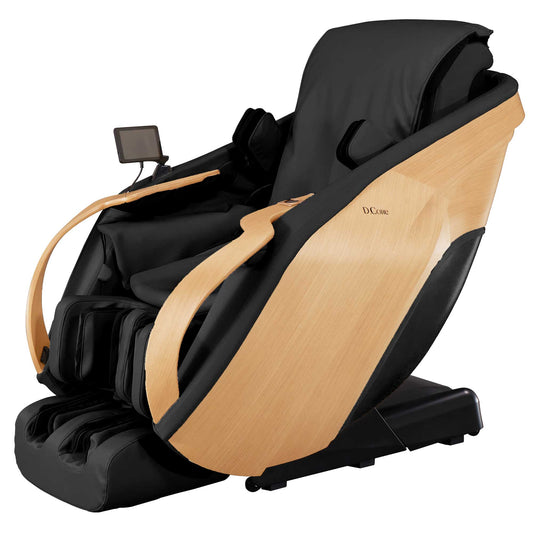
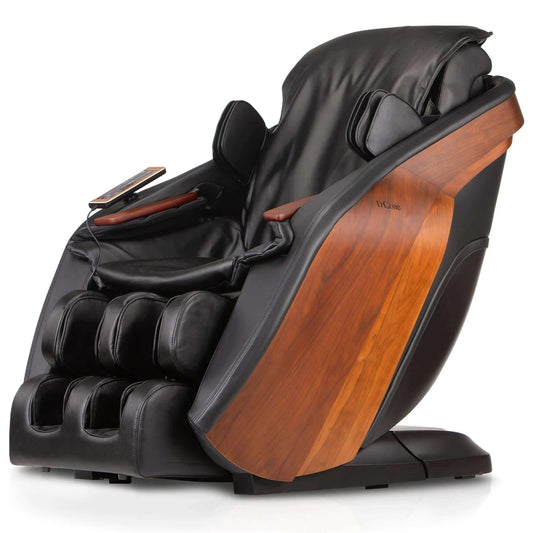
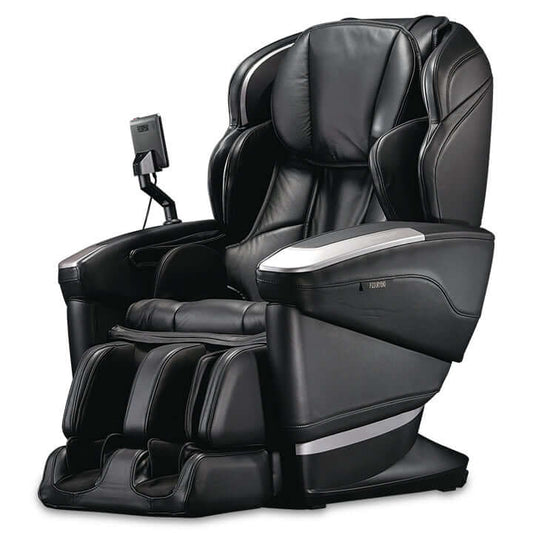

Synca Massage Chairs — Presentation-Style Visual Guide to Techniques, Targeted Body Parts (Ankles, Feet, Neck, Back) and Clinical Benefits (Circulation, Pain Relief, Recovery)
Introduction — Why This Presentation-Style Guide?
This extended visual-style guide explains how Synca massage chairs translate clinically inspired massage techniques into measurable benefits for targeted body parts including ankle, feet, neck, back, shoulder, calf, thigh, knee, heel, wrist, hands, head, legs and whole body. Written for shoppers, recovery-minded athletes, and home users seeking evidence-aligned use, the guide clarifies technique-to-benefit mapping for circulation, pain relief and recovery goals while offering practical protocols, safety notes and buying guidance.
Table of Contents
- Quick overview of Synca core features
- Detailed technique breakdown
- Targeted body part mapping
- Clinical benefits and mechanisms
- Practical program protocols (intensity, duration, frequency)
- Safety, contraindications and best practices
- Buying and maintenance guide
- Real-world use cases and workflow examples
- SEO keywords, FAQs and next steps
Slide A — Synca Core Features That Produce Health Outcomes
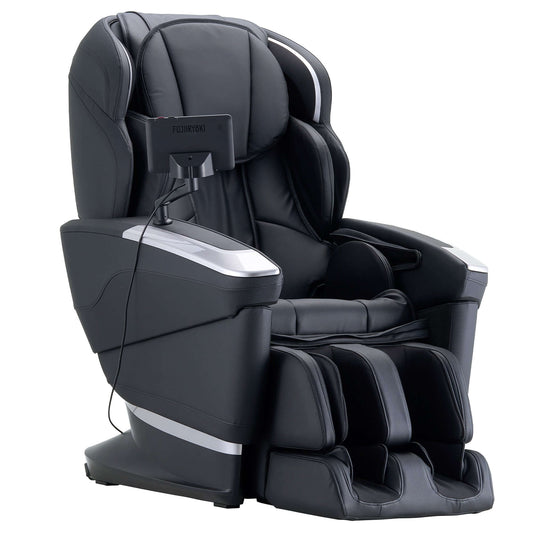
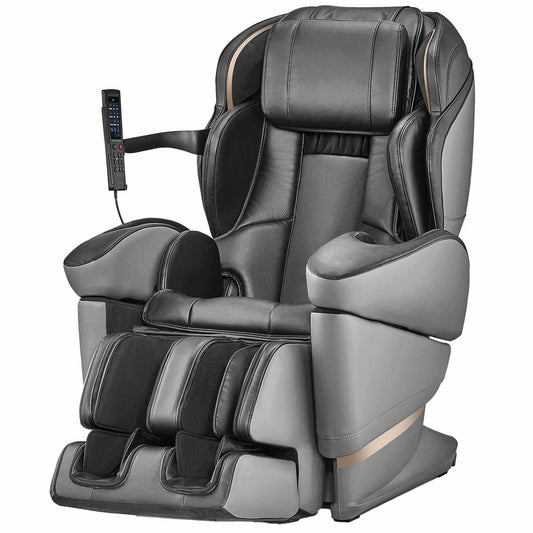
- High-precision L-track or S-track roller systems that follow spinal curvature and extend under the glutes for whole-body coverage
- Multi-zone airbags that apply sequential compression to calves, feet, ankles, hips, shoulders, arms and hands
- Multiple technique modes: kneading, rolling, percussion-like pulses, shiatsu-style pressure, reflexology rollers and trigger point focus
- Integrated heat elements focused on lumbar, seat and calf zones to increase tissue pliability
- Zero-gravity or anti-gravity recline angles to reduce spinal load and facilitate deeper tissue work
- Customizable intensity levels and user profiles to match comfort and clinical goals
Slide B — Massage Techniques Explained
Each technique delivers different mechanical stimuli and neuromodulatory signals. Synca chairs combine them to produce targeted results.
Swedish Massage
- What it is: Long, gliding strokes and light kneading that move blood and lymph across larger muscle surfaces.
- How Synca replicates it: Smooth rolling actions and broad kneading patterns across the back and limbs.
- Primary benefits: relaxation, surface circulation improvement, stress relief and muscle tension reduction.
Deep Tissue Massage
- What it is: Firm, focused pressure on deeper muscle layers to release adhesions.
- How Synca replicates it: High-intensity roller tracks and focused trigger point nodes with slower rhythmic pressure.
- Primary benefits: reduction of chronic tightness, targeted pain relief, improved tissue mobility.
Trigger Point Massage
- What it is: Direct pressure to hyperirritable spots that cause referred pain.
- How Synca replicates it: Small-node rollers and hold-release patterns focused on common trigger zones such as the upper trapezius and lumbar paraspinals.
- Primary benefits: release of referred pain patterns, localized pain management.
Acupressure
- What it is: Firm pressure at defined points to influence nervous system and local circulation.
- How Synca replicates it: Pulsing pressure nodes and flats that stimulate classical acupoints in the neck, back and feet.
- Primary benefits: neuromodulation of pain, calming of sympathetic activity, improved microcirculation.
Shiatsu Massage
- What it is: Rhythmic finger-like pressure and holding patterns derived from Japanese tradition.
- How Synca replicates it: Rhythmic pressing and releasing of rollers combined with gentle rocking in full-body programs.
- Primary benefits: stress relief, muscular release and parasympathetic engagement.
Reflexology
- What it is: Focused stimulation of the foot and ankle believed to influence systemic relaxation and organ-system balance.
- How Synca replicates it: Targeted foot rollers, nodules and air compression sequences on the plantar surface and heels.
- Primary benefits: improved venous return, localized pain relief in feet, reduced lower limb swelling.
Kneading
- What it is: Circular compressive movements that lift and massage muscle tissue to break down adhesions and improve mobility.
- How Synca replicates it: Rotating rollers and multi-directional knead patterns on the back, shoulders and thighs.
- Primary benefits: tissue therapy, flexibility improvement and lymphatic stimulation.
Slide C — Targeted Body Parts: Detailed Mapping
This section gives a body-by-body mapping showing which Synca features and techniques work best for each part and why.
Neck
- Common issues: tension, cervical stiffness, headaches linked to trapezius tension.
- Best techniques: trigger point, deep tissue, acupressure and gentle shiatsu.
- Synca features to use: adjustable neck rollers, low-to-moderate intensity, heat if available. Short focused sessions of 5-10 minutes are effective.
- Expected benefits: decreased local pain, reduced referral headaches, improved cervical mobility when combined with mobility exercises.
Back (Upper, Mid and Lower)
- Common issues: postural strain, lumbar tightness, paraspinal trigger points.
- Best techniques: kneading, Swedish rolling, deep tissue and heat therapies.
- Synca features to use: full roller track, lumbar heat, programmable intensity profiles to alternate deep and surface work.
- Expected benefits: muscle therapy, flexibility improvement, assistance in posture correction through muscle balance.
Shoulders
- Common issues: tight upper trapezius, impingement-related discomfort.
- Best techniques: trigger point and kneading combined with gentle air compression for surrounding tissues.
- Synca features to use: shoulder airbags, targeted upper back rollers and short focused trigger programs.
- Expected benefits: reduced tension, improved range of motion in overhead positions when combined with stretching.
Head
- Common issues: tension headaches, stress-related scalp tightness.
- Best techniques: gentle shiatsu, acupressure and relaxation-focused Swedish strokes.
- Synca features to use: headrest pressure points or external guided programs incorporating neck work.
- Expected benefits: stress relief, reduced intensity of tension-type headaches for some users.
Hands and Wrists
- Common issues: repetitive strain, stiffness after prolonged typing or manual work.
- Best techniques: light air compression, kneading and gentle acupressure of wrist flexor and extensor regions.
- Synca features to use: hand pockets with airbags, light intensity programs.
- Expected benefits: reduced fatigue, improved local circulation and decreased perceived stiffness.
Calves, Thighs and Legs
- Common issues: post-exercise tightness, delayed onset muscle soreness, leg swelling.
- Best techniques: kneading, rolling, sequential air compression and reflexology on the soles.
- Synca features to use: full calf airbags, foot rollers and adjustable leg rests to target Achilles and calves.
- Expected benefits: improved venous return, fatigue relief, faster subjective recovery between workouts.
Knee and Heel
- Common issues: localized tendon or joint pain, plantar fascia tightness.
- Best techniques: targeted acupressure, reflexology-style foot rolling and gentle localized kneading around the knee joint (avoiding direct pressure on inflamed joints).
- Synca features to use: foot massage rollers, heel-specific nodes and low-intensity air compression for edema control.
- Expected benefits: symptomatic relief, improved local circulation; consult a clinician for structural joint issues.
Feet and Ankles
- Common issues: swelling, plantar discomfort, circulation problems in sedentary users.
- Best techniques: reflexology, rolling and sequential compression to promote venous return.
- Synca features to use: plantar rollers, ankle compression and heel pads with nodal stimulation.
- Expected benefits: reduced swelling, improved comfort, enhanced local circulation.
Whole-Body Integration
- Whole-body programs combine Swedish, shiatsu, airbags and heat to produce system-wide relaxation and metabolic effects supporting recovery and stress relief.
- Use full programs for 15-30 minutes to engage parasympathetic response and support sleep and general recovery.
Slide D — Clinical Benefits and How They Happen
Below are the main clinical-style benefits users look for, with concise mechanisms and realistic outcomes.
Blood Flow Control and Circulation
- Mechanism: rhythmic rollers and sequential air compression simulate the calf-muscle pump and enhance venous return, while local heating improves microcirculatory perfusion.
- Practical outcome: reduced peripheral swelling in lower limbs, improved warmth and quicker clearance of metabolic byproducts after exercise.
Pain Relief
- Mechanism: mechanoreceptor stimulation via kneading and trigger point pressure can modulate nociceptive signaling and increase endogenous analgesic responses.
- Practical outcome: reduced perception of both acute and chronic musculoskeletal pain when used regularly and combined with appropriate interventions.
Injury Recovery and Tissue Therapy
- Mechanism: increased local perfusion and targeted mechanical stimulation can support soft tissue remodeling, reduce neural guarding and improve pliability.
- Practical outcome: adjunctive support for soft-tissue recovery, reduced recovery time between training sessions; not a standalone treatment for structural injuries.
Fatigue Relief and Stress Reduction
- Mechanism: long slow strokes and shiatsu-style rhythms activate parasympathetic circuits, lower cortisol and reduce heart rate variability markers of stress.
- Practical outcome: subjective improvements in fatigue, better sleep and calmness after regular sessions.
Flexibility Improvement
- Mechanism: kneading and heat improve tissue extensibility, enabling greater joint range when paired with active stretching.
- Practical outcome: improved functional range of motion over weeks if combined with mobility work.
Muscle Therapy and Tissue Remodeling
- Mechanism: mechanical loading via rollers and airbags influences fascial sliding and muscle tension patterns.
- Practical outcome: reduced muscle knots, improved functional performance and carry-over to daily activity.
Spine Alignment Support
- Mechanism: reducing paraspinal asymmetries and tightness through targeted rollers and posture-friendly recline angles.
- Practical outcome: improved postural comfort; chairs are adjunct tools and not replacements for structural spine care provided by clinicians.
Slide E — Practical Protocols: How to Use Synca for Specific Goals
Below are tested guidelines you can follow. Adjust intensity and duration according to comfort, age and medical status.
Circulation Boost Protocol (Lower Limbs)
- Recommended techniques: reflexology rollers, sequential air compression, mild heat.
- Intensity: low to moderate.
- Duration: 15 to 25 minutes.
- Frequency: daily for chronic swelling issues, 3-5 times per week for maintenance.
Acute Neck and Upper Back Pain Protocol
- Recommended techniques: trigger point focus, low-frequency deep tissue pulses, short heat application.
- Intensity: start low and work to moderate; avoid high intensity around cervical spine.
- Duration: 8 to 15 minutes per session with frequent breaks.
- Frequency: once daily initially; reassess after 1-2 weeks.
Post-Workout Recovery Protocol
- Recommended techniques: kneading and Swedish rolling on legs and back, light airbags for calves and feet, no deep-pressure immediately after severe muscle strain.
- Intensity: low to moderate.
- Duration: 15 to 30 minutes.
- Frequency: after intense training sessions or daily for heavy training blocks.
Relaxation and Sleep Preparation Protocol
- Recommended techniques: full-body Swedish, shiatsu rhythm, low intensity, longer duration.
- Duration: 20 to 30 minutes in the evening to promote parasympathetic shift.
- Frequency: nightly or as needed for sleep support.
Mobility and Flexibility Protocol
- Recommended techniques: alternating kneading and moderate heat application with guided stretching off the chair.
- Duration: 15 to 20 minutes on the chair, followed by 10-15 minutes of active stretching routines.
- Frequency: 3-5 times per week for measurable gains.
Slide F — Safety, Contraindications and Best Practices
- Important contraindications: do not use without professional approval for deep vein thrombosis, uncontrolled hypertension, active infection, open wounds, recent fractures, pregnancy (certain modes), active thrombophlebitis, advanced osteoporosis or implanted electronic medical devices unless cleared by a clinician.
- Start slow: new users should begin with low intensity and short sessions to assess tolerance.
- Avoid direct high-intensity pressure over inflamed joints, acute injuries or bony prominences.
- Monitor skin and neurovascular responses. If numbness, pins-and-needles or increased pain appears, stop and consult a healthcare provider.
- Children and frail older adults require special consideration and often lower intensities.
Slide G — Buying Guide: Choosing the Right Synca Model
- Core questions to answer before buying: primary goals (circulation, pain relief, athletic recovery), required targeted zones (foot rollers, calf airbags, neck rollers), and budget.
- Must-have features for circulation and foot-focused users: plantar rollers, adjustable foot cradle depth and strong sequential calf airbags.
- Must-have features for back and neck pain: adjustable roller track length, lumbar heat, trigger point nodes and multiple intensity levels.
- Extra considerations: warranty terms, availability of replacement parts, ease of service and test-driving the chair where possible.
- Accessories to look for: removable covers for hygiene, remote presets, Bluetooth or app control for saved profiles.
Slide H — Maintenance Tips to Preserve Therapeutic Performance
- Regularly dust rollers and wipe exterior upholstery with manufacturer-approved cleaners.
- Keep the chair in a dry environment to protect electronics and airbags.
- Run manufacturer-recommended maintenance cycles and software updates if available.
- Adhere to load limits and avoid prolonged continuous cycles beyond recommended durations.
Slide I — Real-World Use Cases and Workflow Examples
Illustrative examples of how different users might integrate a Synca chair into their routines.
- A commuter with swollen feet: 20-minute evening circulation protocol combining foot reflexology and calf airbags, 6 nights per week.
- A desk worker with neck pain: twice-daily 10-minute neck-focused trigger point and heat protocol combined with mobility breaks and ergonomic changes at work.
- An amateur runner using the chair for recovery: post-run 20-minute kneading and light compression session, alternating with foam rolling and active recovery exercises.
- An older adult managing chronic low back tension: daily low-intensity lumbar kneading with heat and posture-friendly recline to reduce paraspinal guarding.
Slide J — Frequently Asked Questions (FAQ)
- Q: How long before I see benefits? A: Subjective relief often appears after a few sessions; objective improvements such as reduced swelling or greater mobility typically require consistent use over 2 to 6 weeks paired with complementary actions.
- Q: Can Synca chairs replace physical therapy? A: No. They can be a valuable adjunct but not a substitute for hands-on treatment, diagnostic evaluation or individualized rehab plans for structural injuries.
- Q: Are there side effects? A: Mild soreness or transient redness can occur. Severe pain, numbness, or swelling requires stopping and seeking medical advice.
- Q: How often can I use a chair? A: Most users benefit from daily to several-times-per-week use. Follow manufacturer guidance for session length limits.
Slide K — SEO Key Phrases and Content Strategy Tips
- SEO phrases to emphasize: Synca massage chair circulation, Synca foot reflexology, Synca neck pain relief, Synca deep tissue chair, Synca recovery chair for athletes.
- Content strategy tip: pair technique-focused pages (eg, deep tissue vs shiatsu) with body-part landing pages (eg, Synca for back pain) to capture intent across the funnel.
- On-page optimization: use long-form technical content, bulleted practical protocols and FAQ schema to improve search visibility and featured snippet potential.
Slide L — Evidence Notes and Responsible Claims
- What research generally supports: mechanized massage and compression therapies have demonstrated benefits for short-term pain relief, transient circulation improvement and subjective recovery metrics in multiple clinical and sports contexts.
- What remains individualized: degree and durability of improvements depend on underlying pathology, frequency of use and concurrent therapies.
- Disclaimer: this guide is educational and not medical advice. For diagnosis or treatment decisions, consult a licensed health professional.
Slide M — Call to Action and Next Steps
- Try before you buy: test a Synca chair to assess neck roller comfort, foot roller alignment and airbag pressure profiles.
- Create a usage plan: pick one protocol to start and log outcomes for 2 to 4 weeks to see measurable change.
- Request a tailored handout: if you want a printable one-page visual summary mapping specific Synca models to ankle/foot protocols, neck/back pain relief or athletic recovery routines, request a customized PDF.
Slide N — Extended Takeaways
- Synca massage chairs are engineered to combine multiple clinically inspired techniques with hardware features that target ankles, feet, neck, back and full-body recovery needs.
- Technique selection matters: reflexology and compression are optimal for circulation and foot issues; deep tissue and trigger point work should be selected for chronic focal pain; Swedish and shiatsu are best for relaxation and stress relief.
- Use chairs as part of a broader recovery and health strategy including hydration, mobility exercise, sleep hygiene and professional care when needed.
Final Disclaimer
This guide synthesizes product feature knowledge and general rehabilitation principles to help you get the most from Synca massage chairs. It is not a substitute for individualized medical diagnosis or treatment. For specific medical concerns or complex conditions, consult a licensed clinician before beginning any new therapy.
Contact and Resources
If you would like a printable visual summary, model comparison sheet tailored to your primary target (circulation, pain relief, recovery) or a step-by-step 4-week usage plan, request a customized handout and include your primary goals and any medical considerations to help tailor recommendations.
Tags:
Previous
Slide-Ready Presentation: Synca Massage Chair Techniques & Benefits — Mapping Swedish, Deep Tissue, Shiatsu & Reflexology to Ankles, Neck, Feet and Whole‑Body Recovery
Next
Synca Massage Chair Slide Kit: Visual Mapping of Swedish, Shiatsu, Deep‑Tissue & Reflexology to Target Ankles, Calves, Neck, Shoulders and Whole‑Body Benefits