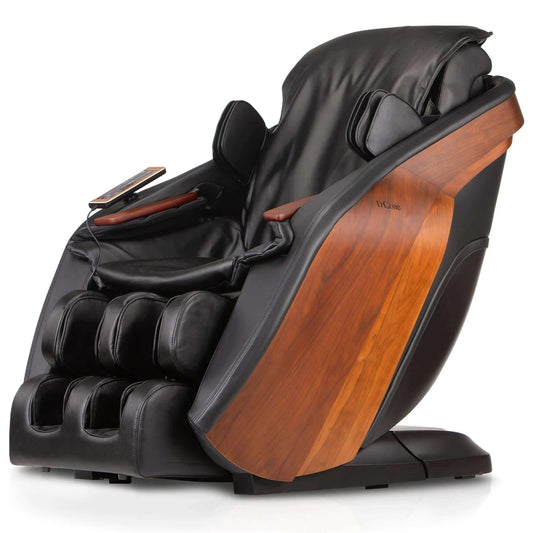
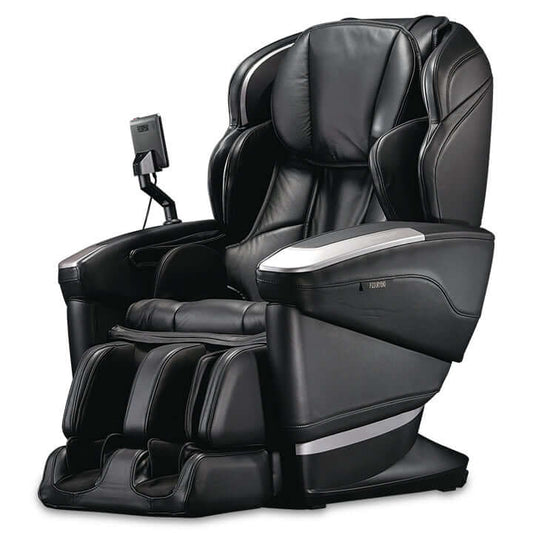

Synca Massage Chair Slide Kit: Visual Mapping of Swedish, Shiatsu, Deep‑Tissue & Reflexology to Target Ankles, Calves, Neck, Shoulders and Whole‑Body Benefits
Introduction
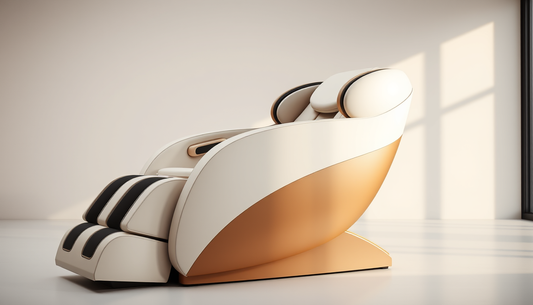
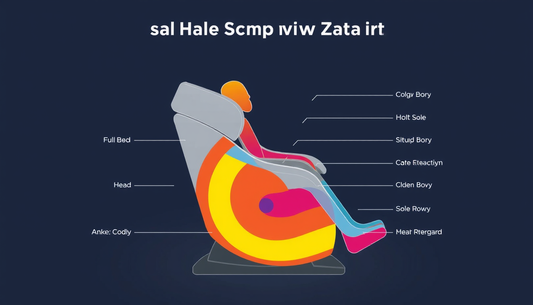
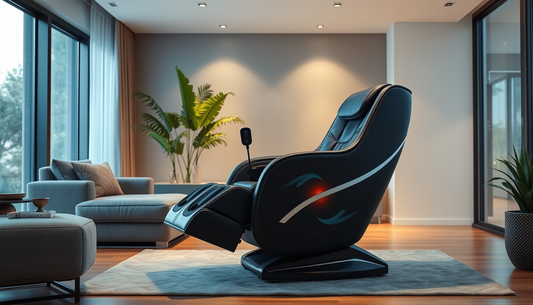
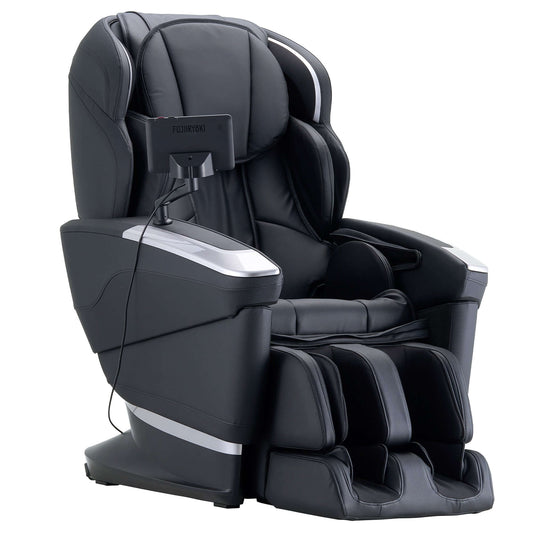
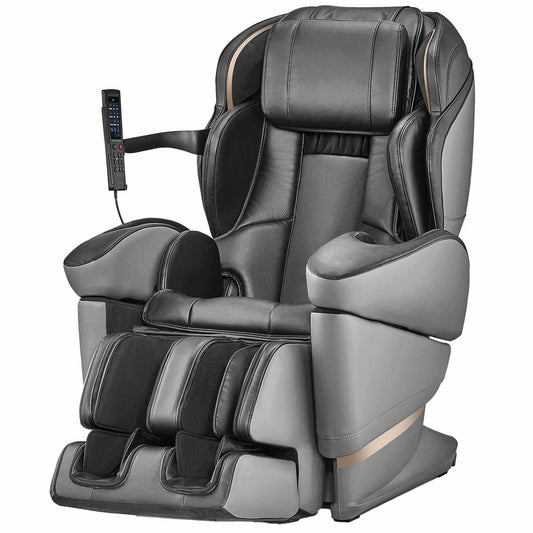
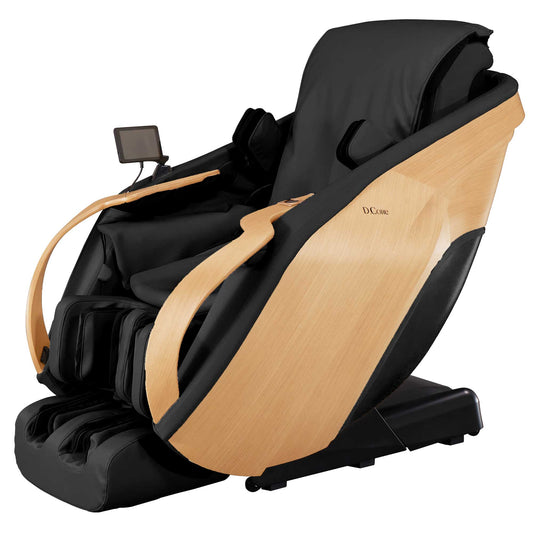
The Synca Slide Kit transforms a premium Synca massage chair into a visual, targeted therapy system that maps traditional massage techniques to precise anatomical zones. This extended presentation style guide explains how to use Swedish, Shiatsu, Deep Tissue, Trigger Point, Acupressure, Reflexology and Kneading within the Slide Kit to target ankles, calves, neck, shoulders and the whole body. It is written to help consumers, therapists, retailers and content creators present benefits, program settings and measurable outcomes in an SEO optimized format for 2025.
Why Visual Mapping Matters
- Precision: Visual mapping reduces guesswork and helps users target specific areas reliably.
- Reproducibility: When settings are mapped and saved, sessions are repeatable for tracking outcomes.
- Education: Visual maps make it easier to explain modality choices to clients, increasing trust and perceived value.
- Safety: Targeted programs reduce the risk of overworking fragile areas by limiting intensity and duration.
Presentation Format and How to Use This Article
This article is organized like a slide deck. Each section below can be used as an exportable slide in a training presentation or retail demo. Use the slide title as a header, the lists as talking points, and the sample settings as actionable instructions for the Slide Kit interface.
Target Body Parts Covered in This Guide
- Ankle
- Back
- Calf
- Feet
- Hands
- Head
- Heel
- Knee
- Legs
- Neck
- Shoulder
- Thigh
- Whole Body
- Wrist
Massage Techniques Included
- Swedish Massage
- Deep Tissue Massage
- Trigger Point Massage
- Acupressure
- Shiatsu Massage
- Reflexology
- Kneading
Core Benefits Emphasized
- Blood Flow Control
- Fatigue Relief
- Flexibility Improvement
- Injury Recovery
- Muscle Therapy
- Pain Relief
- Spine Alignment
- Stress Relief
- Tissue Therapy
Slide 1 — Swedish Massage: Soothing Whole Body Flow
- Targeted Body Parts: Whole Body, Back, Neck, Shoulders, Arms, Legs, Calves
- Slide Kit Settings: Swedish routine, medium glide speed, long stroke length, low-to-medium intensity, bilateral symmetry
- Technique Notes: Long effleurage strokes promote venous return and parasympathetic activation
- Key Benefits: Stress Relief, Blood Flow Control, Flexibility Improvement, Gentle Recovery
- Session Blueprint: 12 minute full body flow, start with lower limbs, move to back and shoulders, finish with neck and head calming sequence
Slide 2 — Deep Tissue Massage: Release Chronic Tension
- Targeted Body Parts: Back, Shoulders, Neck, Thighs, Calves
- Slide Kit Settings: Deep Tissue program, slow stroke length, localized focus, higher intensity nodes, progressive ramp up
- Technique Notes: Slow, firm pressure targets deep fascia and muscle layers to reduce adhesions
- Key Benefits: Pain Relief, Muscle Therapy, Injury Recovery, Tissue Remodeling
- Session Blueprint: 10 15 minutes on targeted region, intro with Swedish for 3 5 minutes, deep tissue for focused 7 10 minutes, cooldown with light kneading
Slide 3 — Trigger Point Massage: Pinpoint Knot Release
- Targeted Body Parts: Neck, Shoulders, Back, Knees, Ankles
- Slide Kit Settings: Trigger Point mode, pinpoint nodes, pulsed pressure holds, repeat cycles with short rest intervals
- Technique Notes: Short, sustained pressure followed by release helps deactivate myofascial trigger points
- Key Benefits: Pain Relief, Rapid Reduction in Localized Tension, Improved Range of Motion
- Session Blueprint: Identify hypersensitive points via palpation or user feedback, apply 60 90 second holds per point, allow 30 60 second recovery, repeat 2 3 times
Slide 4 — Acupressure: Meridian Stimulation for Systemic Balance
- Targeted Body Parts: Neck, Shoulders, Back, Hands, Feet, Wrists
- Slide Kit Settings: Acupressure program, alternating pressures, focused nodal clusters, moderate intensity
- Technique Notes: Stimulates traditional meridian points to influence autonomic tone, digestion and circulatory balance
- Key Benefits: Stress Relief, Blood Flow Control, Spine Alignment Support, Fatigue Relief
- Session Blueprint: 6 8 minute targeted meridian session, pair with breathing cues to deepen relaxation
Slide 5 — Shiatsu Massage: Rhythmic Compression for Alignment
- Targeted Body Parts: Neck, Shoulders, Back, Hips, Thighs
- Slide Kit Settings: Shiatsu routine, rhythmic compression pattern, rotating node action, slower tempo
- Technique Notes: Vertical pressure and rhythmic compressions emulate finger and palm work to realign soft tissue patterns
- Key Benefits: Spine Alignment Support, Muscle Therapy, Improved Posture, Stress Reduction
- Session Blueprint: Alternating left right compressions for 10 12 minutes across the spinal paraspinals, finish with long Swedish strokes to soothe
Slide 6 — Reflexology: Plantar Mapping with Whole Body Effects
- Targeted Body Parts: Feet, Heels, Ankles, Toes
- Slide Kit Settings: Reflexology program, small rolling nodes, varying pressure patterns across plantar zones, pulse modulation
- Technique Notes: Plantar stimulation corresponds to organ and systemic maps; use zones to complement full body sessions
- Key Benefits: Blood Flow Control, Fatigue Relief, Digestive and Nervous System Support, Whole Body Relaxation
- Session Blueprint: 6 10 minutes per foot depending on sensitivity, incorporate heel and arch focus for heel pain and plantar fasciitis accessory care
Slide 7 — Kneading: Circular Compression for Muscle Elasticity
- Targeted Body Parts: Calves, Thighs, Shoulders, Upper Back
- Slide Kit Settings: Kneading program, circular node motion, medium to high intensity, steady rhythm
- Technique Notes: Circular manipulation increases tissue pliability and improves lymphatic and venous return
- Key Benefits: Flexibility Improvement, Tissue Therapy, Reduced Stiffness and DOMS
- Session Blueprint: 5 8 minutes per large muscle group after warm up, combine with light stretching post session
Slide 8 — Integrating Techniques: Warm Up, Treat, Cool Down
- Warm Up: Begin with Swedish or light kneading to increase tissue temperature and circulation for 3 5 minutes.
- Treat: Use Deep Tissue, Trigger Point, Shiatsu or Reflexology depending on goals and target area for 8 15 minutes.
- Cool Down: Finish with Acupressure or Swedish to normalize tissue and engage parasympathetic recovery for 3 5 minutes.
- Rationale: Progressive sequencing reduces risk of soreness and maximizes therapeutic adaptation.
Visual Mapping Matrix — Technique to Body Part to Benefit
Use this quick reference table in presentations or printouts to match technique, target and outcomes at a glance.
- Swedish Massage — Ankles, Calves, Neck, Shoulders, Whole Body — Stress Relief, Blood Flow Control, Flexibility Improvement
- Deep Tissue — Back, Shoulders, Neck, Thighs, Calves — Pain Relief, Muscle Therapy, Injury Recovery
- Trigger Point — Neck, Shoulders, Back, Knees, Ankles — Pain Relief, Faster Injury Recovery, Improved Range
- Acupressure — Head, Neck, Hands, Feet, Wrists — Stress Relief, Spine Alignment Support, Blood Flow Control
- Shiatsu — Neck, Shoulders, Back, Thighs — Spine Alignment, Muscle Therapy, Stress Reduction
- Reflexology — Feet, Heels, Ankles — Whole Body Effects, Fatigue Relief, Circulatory Support
- Kneading — Calves, Thighs, Back, Shoulders — Flexibility Improvement, Tissue Therapy, Reduced Stiffness
Practical Routines by Body Region and Goal
Ankles, Heels and Feet — Recovery and Circulation
- Primary Techniques: Reflexology, Acupressure, Kneading
- Recommended Routine: 5 minutes reflexology mapping, 3 minutes acupressure on peroneal and tibial meridian regions, 4 minutes light kneading to finish
- Expected Outcomes: Reduced swelling, faster recovery from plantar stress, enhanced relaxation and systemic effects
Calves, Thighs and Legs — Athletic Recovery
- Primary Techniques: Deep Tissue, Kneading, Swedish
- Recommended Routine: 3 minutes Swedish warm up, 10 minutes deep tissue focusing on hotspots, 5 minutes kneading to increase elasticity
- Expected Outcomes: Reduced DOMS, improved return to activity, better flexibility
Neck and Shoulders — Office Worker Relief
- Primary Techniques: Trigger Point, Shiatsu, Deep Tissue
- Recommended Routine: 5 minutes gentle Shiatsu to assess tension, 6 8 minutes trigger point holds for trapezius and levator scapulae, finish 3 minutes with Swedish to relax
- Expected Outcomes: Reduced tension headaches, increased cervical range of motion, posture improvement
Lower Back and Spine — Posture and Alignment
- Primary Techniques: Shiatsu, Acupressure, Deep Tissue
- Recommended Routine: 3 5 minutes warm up with Swedish, 10 minutes Shiatsu along paraspinals, targeted acupressure to finish
- Expected Outcomes: Reduced low back pain intensity, improved spinal comfort, better functional posture
Hands, Wrists and Head — Tension and Fine Motor Relief
- Primary Techniques: Acupressure, Swedish, Trigger Point
- Recommended Routine: 3 minutes acupressure on hand and wrist points, 4 minutes light Swedish along forearms and shoulders, 2 minutes trigger point for tension headaches
- Expected Outcomes: Reduced headache frequency, improved hand dexterity, reduced RSI symptoms when combined with ergonomic changes
Whole Body Routine — Daily Maintenance
- Primary Techniques: Swedish, Shiatsu, Reflexology
- Recommended Routine: 10 20 minute full-body session using Swedish flow with mid-session shiatsu spine work and reflexology finish
- Expected Outcomes: Overall stress reduction, improved sleep quality, steady circulation benefits
Sample 3 Session Weekly Program for Recovery and Performance
- Session A (Strength Day): Warm up Swedish 5 min, Deep Tissue legs 12 min, Kneading finish 5 min
- Session B (Mobility Day): Shiatsu spine 10 min, Acupressure shoulders and hips 8 min, Swedish cooldown 5 min
- Session C (Recovery Day): Full reflexology 12 min, Swedish whole body 15 min, breathing and guided relaxation 5 7 min
How to Measure Outcomes and Demonstrate ROI
- Subjective Metrics: Numeric Pain Rating Scale, Perceived Stress Scale, Sleep Quality Ratings
- Objective Metrics: Range of motion measurements, time to return to activity, reduced analgesic use
- Tracking Protocol: Baseline assessment, weekly check ins, 4 week summary with photos or video for posture, client testimonial capture
Safety, Contraindications and Best Practices
- When to Avoid: Do not apply deep tissue or trigger point modes over open wounds, acute fractures, severe varicose veins, or where skin integrity is compromised.
- Medical Clearance: Consult a healthcare professional if the user has clotting disorders, cancer, advanced osteoporosis, or uncontrolled cardiovascular conditions.
- Intensity Management: Always start at low intensity when treating new areas, especially ankles, heels and neck.
- Session Limit: Avoid prolonged high intensity sessions on the same region; typical deep work should not exceed 15 20 minutes per area without professional supervision.
Troubleshooting and Common Questions
- My neck feels sore after a session. What to do? Reduce intensity and duration next session, use more Swedish warm up and shorter deep tissue holds. Apply hydration and gentle neck stretches.
- Heel pain during reflexology. How to proceed? Lower pressure on the heel nodes, focus on surrounding arch and calf, consult a podiatrist if pain persists.
- Device not reaching target area visually. Try recalibrating the Slide Kit mapping and ensure the chair is in the correct recline and legrest position for accurate mapping.
Maintenance and Care for the Synca Slide Kit
- Regular Cleaning: Wipe upholstery with manufacturer approved cleaner weekly and avoid harsh chemicals.
- Software Updates: Keep Slide Kit firmware and chair software up to date to ensure mapping accuracy and new technique profiles.
- Mechanical Checks: Inspect rollers and legrest actuators for wear every 6 months, tighten visible fasteners, and lubricate moving parts if recommended by Synca.
Comparing Modalities: When to Choose Each Technique
- Swedish: Best for general relaxation, warming tissues and first time users.
- Deep Tissue: Best for chronic, stubborn adhesions and trained users or those under clinician direction.
- Trigger Point: Best for pinpoint pain and myofascial referrals; complement with warming techniques.
- Acupressure: Best for systemic balance and clients seeking non invasive meridian work.
- Shiatsu: Best for spinal rhythm and posture related complaints.
- Reflexology: Best to target systemic complaints through the feet and for those who prefer feet focused therapy.
- Kneading: Best for increasing tissue pliability and pre activity prep or post activity cooldown.
Case Studies and Use Scenarios
Case Study 1: Runner with Calf Tightness
- Background: 32 year old recreational runner with tight gastrocnemius and slower recovery.
- Protocol: 3 week program, Session A 2x week. Warm up Swedish 4 min, Deep Tissue calf 10 min, Kneading cooldown 6 min, reflexology finish 4 min.
- Outcome: Subjective reduction in post run tightness by 60 percent, improved morning ankle dorsiflexion, faster return to training.
Case Study 2: Office Worker with Neck and Shoulder Pain
- Background: 45 year old with forward head posture and chronic trapezius tightness.
- Protocol: Weekly sessions for 6 weeks. Shiatsu and trigger point focus on upper traps, ergonomic coaching and acupressure finish.
- Outcome: Reduced headache frequency, improved cervical mobility, reported lower perceived stress.
Retail and Clinic Presentation Tips
- Use live demos with a hosted checklist: Show mapping, select technique, save preset for client repeatability.
- Provide printed quick reference cards that show technique, target area, session length and primary benefits.
- Capture short video clips of each technique on the Slide Kit to embed in product pages and social media.
SEO and Content Strategy for 2025
- On Page: Use long tail keywords naturally such as Synca massage chair Slide Kit Swedish massage for neck and Synca reflexology program heel pain.
- Content Structure: Use H2 headers for each slide mapping, include FAQ, case studies and troubleshooting in separate sections for keyword breadth.
- Rich Snippets: Structure content as how to and product info for eligibility to appear in rich results. Include schema for product, how to and FAQ if publishing on the web.
- Internal Linking: Link to product pages, demo videos and downloadable quick reference PDFs from the article for user engagement and lower bounce.
Frequently Asked Questions
- Is the Slide Kit compatible with all Synca chairs? Check your model compatibility. Most modern Synca chairs support Slide Kit mapping, but always verify with product specs.
- Can I save custom profiles? Yes. Use profile save features to store intensity and target mapping for individual clients.
- How long should a beginner session be? Start with 10 12 minutes at low intensity focusing on Swedish or Acupressure techniques.
- Will reflexology sessions help internal organ issues? Reflexology may support relaxation and perceived systemic balance, but it is not a substitute for medical treatment. Encourage clients to consult healthcare providers for medical conditions.
Downloadable Assets and Presentation Resources
- Quick Reference Sheets: One page per slide mapping with recommended times and contraindications.
- Printable Client Intake Form: Baseline pain and mobility metrics for tracking outcomes.
- Demo Video Scripts: Short scripts for retail staff to explain Slide Kit mapping and benefits on the sales floor.
Call to Action and Next Steps
Use this guide to create an engaging demo, build trust with measurable outcomes, and educate users on how to safely get the most from their Synca massage chair and Slide Kit. For retailers and clinicians, bundle a printed quick reference and client intake form with chair demos. For content creators, convert each slide into a shareable visual and short form video to maximize reach.
Final Thoughts and Summary
In 2025, consumers expect products that are intuitive, evidence informed and results oriented. The Synca Slide Kit bridges traditional massage methods and modern, targeted delivery systems. By visually mapping Swedish, Shiatsu, Deep Tissue, Trigger Point, Acupressure, Reflexology and Kneading to specific body parts such as ankles, calves, neck and shoulders, you can design reproducible sessions that improve circulation, reduce pain, speed recovery and enhance overall wellbeing. Use the sequences, safety guidance and measurement strategies in this guide to deliver high value sessions that convert curious users into regular customers and advocates.
Appendix: Keyword Suggestions for SEO Use
- Synca massage chair Slide Kit
- Synca reflexology program
- Swedish massage for calves
- Shiatsu for neck and shoulders
- deep tissue massage chair settings
- trigger point massage chair
- best massage chair settings for plantar fasciitis
Contact and Resources
For further customization, consider producing a downloadable slide deck from this article, custom presets for common conditions, and clinic branded quick references to distribute to clients. Always encourage users to consult a healthcare professional for complex medical conditions before starting an intensive therapy program.
Tags:
Previous
Synca Massage Chairs — Presentation-Style Visual Guide to Techniques, Targeted Body Parts (Ankles, Feet, Neck, Back) and Clinical Benefits (Circulation, Pain Relief, Recovery)
Next
Protocol Playbook: Synca Massage Chairs — Slide Presentation of Techniques (Swedish, Deep Tissue, Shiatsu, Reflexology) & Benefits for Ankles, Back, Neck and Whole‑Body Recovery