
Protocol Playbook: Synca Massage Chairs — Slide Presentation of Techniques (Swedish, Deep Tissue, Shiatsu, Reflexology) & Benefits for Ankles, Back, Neck and Whole‑Body Recovery
Protocol Playbook: Synca Massage Chairs — Slide Presentation Overview
This expanded slide-style playbook is designed to help clinicians, wellness professionals, content creators and home users build a high-impact presentation about Synca massage chairs. It explains technique mapping, body-part specific protocols, chair settings, measurable benefits and safety best practices for ankles, back, neck and whole-body recovery. Use these slides, speaker notes and SEO tips to produce a search-optimized deck that educates and converts.
Slide 1 - Title Slide and Presentation Objectives
- Presentation title and branding
- Three clear objectives
- Explain how Synca massage chairs deliver Swedish, Deep Tissue, Shiatsu and Reflexology techniques
- Demonstrate protocols for common target areas: ankle, heel, foot, calf, knee, thigh, legs, back, neck, shoulder, head, hands, wrists and whole body
- Show measurable benefits such as improved circulation, fatigue relief and tissue therapy while emphasizing safety
- Intended audience: athletes, desk workers, therapists, spa operators and home buyers
Slide 2 - Quick Snapshot of Synca Capabilities
- Core technologies: 4D/3D rollers, multi-zone airbags, targeted heat, foot rollers, lumbar traction and adjustable recline
- Preset programs covering Swedish, Deep Tissue, Shiatsu and Reflexology modes plus manual customization
- User controls: intensity levels, zone focus, timer settings and memory presets for repeatable sessions
Slide 3 - Techniques Explained for Slide Audience
- Swedish Massage: long gliding strokes and gentle pressure to enhance circulation and promote relaxation
- Deep Tissue Massage: focused, firmer pressure to release deep muscle layers and break adhesions
- Trigger Point Massage: short, concentrated pressure held on a point to reduce referred pain and tension
- Acupressure: sustained pressure on classic points to modulate tension and induce relaxation
- Shiatsu: rhythmic finger and palm pressure aligned with meridian points to balance tension and improve systemic relaxation
- Reflexology: targeted stimulation of foot and hand reflex zones mapped to remote organs and systems to reduce localized tension and support recovery
- Kneading: compress-and-release sequences to soften tissue and increase pliability
Slide 4 - Evidence-Informed Benefits to Highlight
- Blood Flow Control: how Swedish strokes and kneading promote perfusion to limbs and trunk
- Fatigue Relief: immediate perceived reduction in tiredness after short sessions and cumulative benefits with consistent use
- Flexibility Improvement: progressive gains in range of motion from regular Deep Tissue and kneading protocols
- Injury Recovery: how targeted trigger point and acupressure sequences can support soft tissue healing when coordinated with clinical care
- Muscle Therapy: reduction in muscular knots and trigger points using focused Deep Tissue and trigger point settings
- Pain Relief: symptom relief reported by many users for chronic tension and delayed onset muscle soreness when appropriate intensity is used
- Spine Alignment Support: lumbar rollers and traction modes that complement posture and reduce compressive discomfort in the low back
- Stress Relief: shiatsu and Swedish modes that promote parasympathetic activation and lower stress indicators
- Tissue Therapy: improved tissue mobility, scar desensitization and heel/ankle comfort through foot rollers and kneading
Slide 5 - Mapping Techniques to Target Body Parts
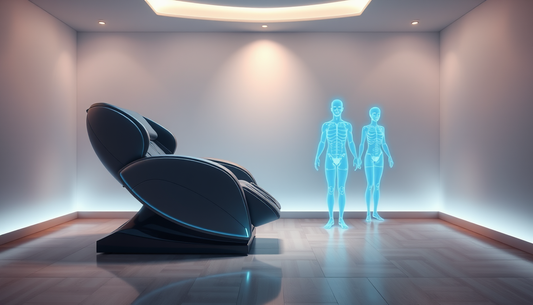
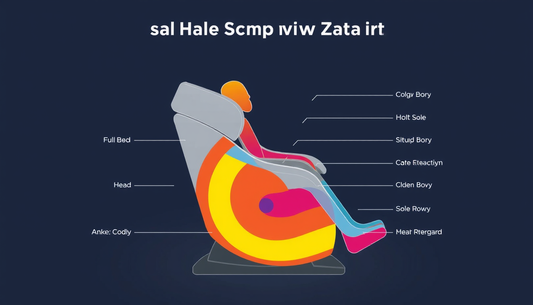
Use this slide to visually map techniques to each body part. Include a silhouette image of a human body with callouts for zones.
- Ankle and Heel
- Reflexology and foot rollers for local circulation and heel comfort
- Gentle acupressure and kneading to reduce stiffness and aid tissue repair
- Foot and Toes
- Foot-focused reflexology, rolling nodes and compression to relieve plantar tension and promote blood flow
- Calf, Thigh and Legs
- Swedish strokes and airbag compression for circulation, Deep Tissue for persistent tightness, kneading to flush metabolic byproducts
- Knee
- Avoid direct hard pressure on the joint; use surrounding-calf and thigh kneading plus trigger point release in hamstrings and quads
- Back and Lumbar Spine
- Combination of Swedish for relaxation, Deep Tissue for chronic tightness, lumbar rollers and heat for spinal comfort
- Neck and Shoulder
- Shiatsu and targeted Deep Tissue for trapezius and cervical tension; careful intensity modulation for safety
- Head, Hands and Wrist
- Light Swedish and reflexology sequences to reduce headaches and hand fatigue; acupressure for wrist tension
- Whole Body
- Integrated full-body programs that combine Swedish, Shiatsu and reflexology to support systemic recovery and relaxation
Slide 6 - Three Template Protocols with Timed Steps
These ready-to-use protocols can be copy-pasted into slides with time stamps, chair settings and presenter notes.
- Quick Recovery Protocol - 15 minutes
- 0-3 minutes: Warm-up, gentle Swedish full back, low intensity
- 3-8 minutes: Airbag compression for calves and thighs, medium intensity, intermittent kneading
- 8-12 minutes: Foot reflexology and heel rolling, variable speed to target plantar points
- 12-15 minutes: Light neck and shoulder Shiatsu with heat on lumbar region; finish with slow Swedish sweep
- Primary benefits: immediate circulation boost, fatigue relief, reduced stiffness
- Targeted Release Protocol - 30 minutes
- 0-5 minutes: Breath cue and Swedish warm-up across back and shoulders at low intensity
- 5-15 minutes: Deep Tissue focus on lower back and paraspinals; short cycles at medium-high intensity, 90 second hold pacing per problematic zone
- 15-23 minutes: Trigger point and acupressure for trapezius, levator scapulae and gluteal/piriformis regions; hold 8 to 12 seconds per point, repeat twice
- 23-30 minutes: Foot reflexology and calf kneading in recovery mode; finish with passive lumbar traction if available
- Primary benefits: reduced chronic tightness, improved ROM, targeted muscle therapy
- Full-Body Recovery Protocol - 45 minutes
- 0-8 minutes: Slow Swedish whole back and legs to prime circulation
- 8-20 minutes: Alternating Deep Tissue and kneading on lower back, glutes and hamstrings; pause for comfort checks and breath cues
- 20-30 minutes: Shiatsu neck, shoulders and chest with rhythmic node pressure and light traction
- 30-40 minutes: Foot-focused reflexology and heel compression, ankle mobility promotion with gentle range of motion prompts
- 40-45 minutes: Cool-down Swedish sweep and gentle airbag compression to promote lymphatic flow; hydration reminder
- Primary benefits: systemic stress relief, tissue therapy, spine alignment support and improved flexibility
Slide 7 - Detailed Chair Settings and Intensity Guide
Provide attendees with concrete settings they can replicate on a Synca chair. Use a simple low, medium and high intensity scale and remind users to prefer gradual progression.
- Swedish Mode
- Roller speed: Medium
- Stroke length: Long
- Heat: Optional, lumbar on low
- Airbags: Soft-to-medium for limb circulation
- Use cases: Warm up, cooldown, stress reduction
- Deep Tissue Mode
- Roller pressure: Medium-high
- Stroke length: Short to medium for precision
- Targeting: Node focus on low back, glutes and neck
- Session notes: Limit to 10-20 minutes per region; check in frequently with user
- Shiatsu Mode
- Rhythm: Slow, sustained pressure with pause cycles
- Intensity: Start low for neck, medium for shoulders and back
- Breath cues: inhale before pressure, exhale during pressure
- Reflexology Mode
- Foot roller speed: Variable; can alternate slow and fast pulses
- Point emphasis: Heel and medial arch for ankle and plantar issues
- Compression: Moderate; avoid strong settings with acute foot pain
- Trigger Point and Acupressure
- Press-and-hold: 8-12 seconds per point, repeat 2-3 times
- Intensity: Use medium pressure and monitor referred sensations
- Kneading and Airbag Compression
- Kneading intensity: Low to medium for calves and thighs; medium-high for chronic tightness
- Airbag cycle: Short pulses for lymphatic flow, longer holds for venous return
Slide 8 - Presenter Script and Slide Notes
Include concise speaker notes so presenters deliver a consistent message during demos and pitches.
- Intro script: 'Today we will explore how Synca massage chairs recreate the most effective manual techniques at home or in your clinic, focusing on recovery, pain reduction and tissue health.'
- Demo script for Quick Recovery: 'I will show a 15-minute protocol that wakes up circulation and eases stiffness after long travel or intense training.'
- Audience prompts: ask attendees about common complaints, preferred intensity and typical session length to tailor recommendations
- Safety script: 'If you or your client have medical conditions such as recent fractures, deep vein thrombosis, active infection or pregnancy, consult a clinician before using intense programs.'
Slide 9 - Case Studies and Use Cases
Share anonymized case scenarios that illustrate outcomes and practical considerations. Use before-and-after metrics and user quotes when possible.
- Case 1: Desk job with chronic neck and upper back tension
- Protocol used: 30-minute Targeted Release twice weekly for 4 weeks
- Reported outcomes: decreased tension, improved sleep onset, lower pain scores during work
- Case 2: Recreational runner with calf tightness and plantar irritation
- Protocol used: 15-minute Quick Recovery post-run, reflexology and calf kneading
- Reported outcomes: decreased DOMS, better ankle mobility and faster perceived recovery
- Case 3: Post-activity whole-body recovery
- Protocol used: 45-minute Full-Body Recovery after intense training days
- Reported outcomes: reduced soreness next day and improved readiness for next session
Slide 10 - Measurement, Tracking and KPIs
Teach audiences how to measure the impact of chair programs using subjective and objective metrics.
- Subjective measures
- Numeric pain rating scales pre- and post-session
- Perceived fatigue and recovery readiness scores
- Sleep quality and stress self-reports
- Objective measures
- Range-of-motion tests for neck, lumbar and hamstring flexibility
- Time to recovery for repeated training sessions
- Frequency of medication use for chronic pain
- Recommended evaluation cadence: baseline, 2 weeks, 4 weeks and 8 weeks
Slide 11 - Contraindications, Precautions and Informed Use
- Contraindications to include on slides
- Recent fractures, open wounds or skin infections at target areas
- Uncontrolled bleeding disorders or active deep vein thrombosis
- High-risk pregnancy unless chair is cleared by clinician
- Unstable cardiovascular conditions or implanted electrical devices without medical clearance
- Precautions and checks
- Always start at low intensity and progress based on tolerance
- Monitor for numbness, sharp pain or signs of adverse reaction and stop if they occur
- Advise hydration, gentle movement and rest after deeper sessions to reduce soreness
Slide 12 - Post-Session Care and Guidelines
- Hydration: recommend drinking water within 30 minutes after a session to help flush metabolic waste
- Gentle mobility: short walks or light stretching to integrate tissue changes
- Ice vs heat: use heat before sessions for stiff tissues, ice after aggressive deep work if inflammation is present
- Consistency: suggest 2-4 sessions per week initially for chronic issues, then maintain with 1-2 sessions per week
Slide 13 - Chair Maintenance and Hygiene Tips for Facilities
- Daily: wipe high-touch surfaces with appropriate disinfectant; clean foot rollers after client use as recommended
- Weekly: inspect airbags and seams for wear, check power cords and controller functions
- Monthly: run a diagnostic program, check lubrication points if applicable and schedule any preventative service
- Record keeping: log maintenance actions and hours of use to retain warranty compliance and safe operation
Slide 14 - Buying Guide and Considerations
- Feature checklist
- Roller technology 3D/4D, lumbar traction, targeted heat, foot rollers and airbag zones
- Customizable intensity, memory presets and easy user interface
- Warranty coverage and service network
- Questions to ask dealers
- Can the chair be demoed with specific protocols for my common complaints?
- What is included in service and warranty, and where are service centers?
- Are replacement parts readily available for high-use commercial settings?
Slide 15 - Compare Manual Therapy vs. Chair-Based Protocols
- Strengths of manual therapy
- Highly individualized assessment and real-time adjustments by a practitioner
- Hands-on techniques for complex myofascial restrictions and manual joint mobilization
- Strengths of Synca chair programs
- Consistent, repeatable application of technique templates for home or clinic use
- Convenience, cost-effectiveness over time and ability to use multiple times per week
- Best practice: integrate both approaches where possible; use chair programs for maintenance and manual therapy for acute complex interventions
Slide 16 - SEO and Content Strategy for Your Presentation and Landing Page
- Primary SEO phrases to include in headings and alt text
- Synca massage chairs
- whole-body recovery chair protocol
- ankle and heel reflexology Synca
- back and neck deep tissue massage chair
- Long-tail keywords
- Synca reflexology protocol for plantar heel pain
- how to use Synca chair for lower back recovery
- best Synca settings for neck and shoulder tension
- On-page optimization tips
- Use descriptive headings with target keywords
- Optimize image filenames and alt text with long-tail phrases
- Include short demo videos on slide pages and transcript text for crawlability
- Keep content structured for featured snippets using question and answer blocks
Slide 17 - Visual Assets and Alt Text Suggestions
- Suggested images and short clips
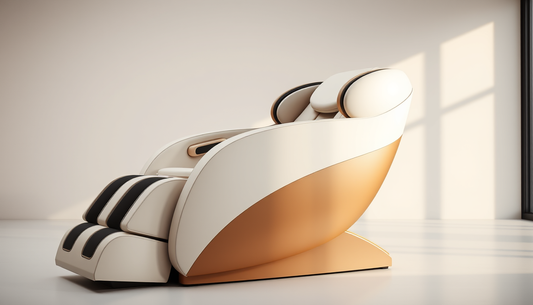
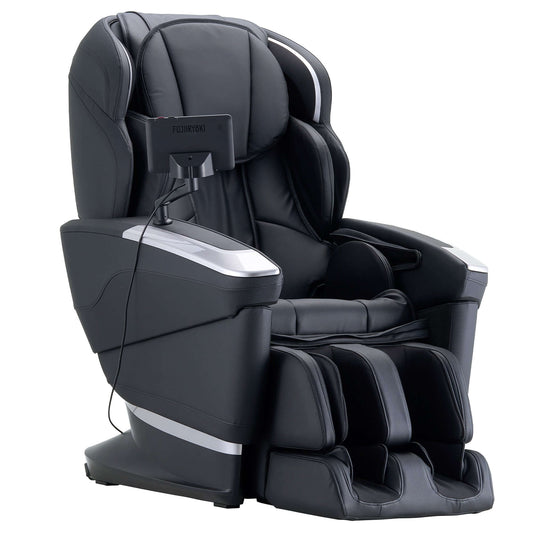
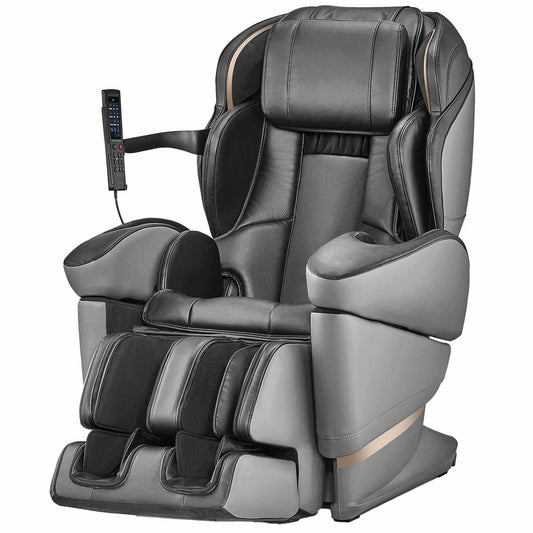
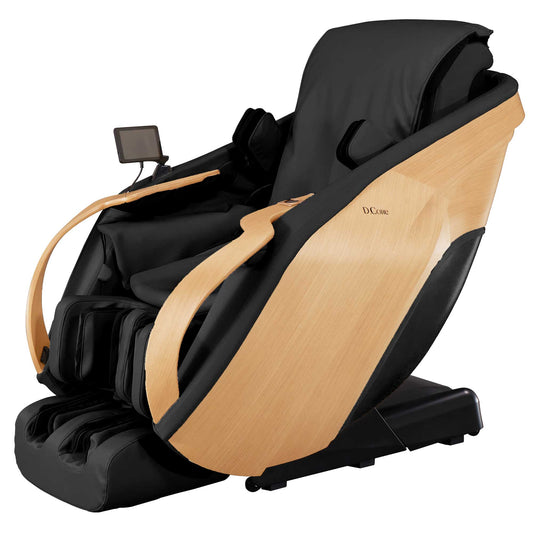
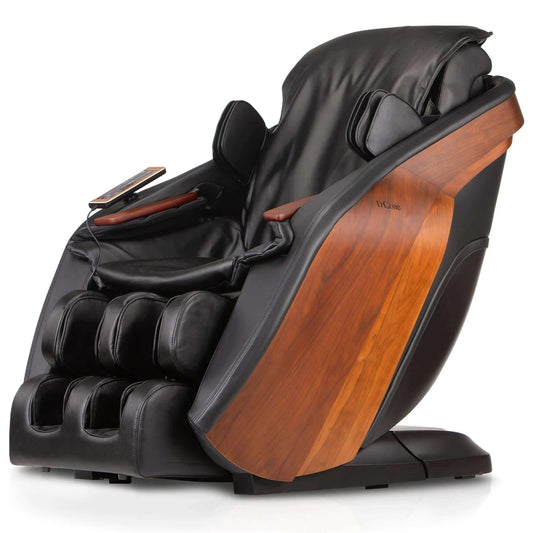
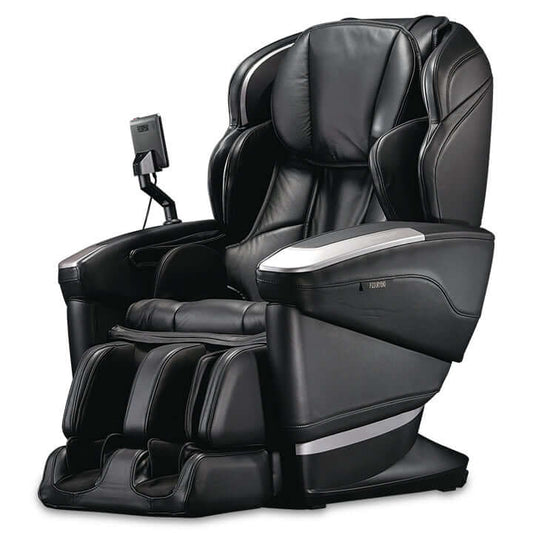
- High-resolution chair close-up showing foot rollers and airbags
- Side-by-side silhouette with technique callouts and timing overlays
- 30 to 60-second demo clips of each protocol with presenter voiceover
- Alt text examples to improve accessibility and SEO
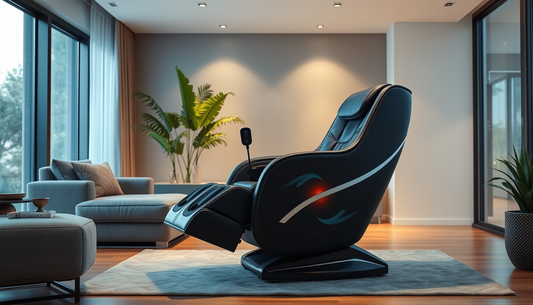
- Synca massage chair 4D rollers targeting lower back and lumbar area
- Reflexology protocol for heels and ankles using Synca foot rollers
- Shiatsu neck and shoulder sequence in Synca chair for tension relief
Slide 18 - Sample Social and Email Copy for Promotion
- Social post short version
- Discover how Synca massage chairs use Swedish, Deep Tissue, Shiatsu and Reflexology to speed recovery and reduce neck and back tension. Watch a 45-minute demo on our site.
- Email subject ideas
- Relief at Home: Synca Protocols for Back and Neck Recovery
- How to Use Your Synca Chair for Faster Post-Workout Recovery
- CTA templates
- Book a demo session to see these protocols in action
- Download the 10-slide Synca protocol deck and preset settings checklist
Slide 19 - Frequently Asked Questions to Include
- How often should I use the chair for chronic low back pain?
- Suggested approach: begin with 3 sessions per week for 2 to 4 weeks, then reassess. Adjust frequency based on tolerance and outcomes.
- Can reflexology in the chair help plantar fasciitis?
- Foot-focused reflexology and heel rollers may help reduce tension and improve mobility, but persistent plantar fasciitis should be evaluated by a clinician and include strengthening and load management.
- Is deep tissue in a chair as effective as manual deep tissue therapy?
- Chair-based Deep Tissue provides consistent pressure and convenience. For complex adhesive restrictions and manual joint work, in-person manual therapy may still be needed. The chair is an effective adjunct for maintenance.
Slide 20 - Implementation Checklist for Clinics and Facilities
- Define target use cases: recovery, chronic pain, athletic performance or relaxation
- Train staff on presets, safety screening and client coaching cues
- Create protocol cards for front-desk staff to recommend 15, 30 and 45-minute sessions
- Collect baseline metrics and client consent forms for monitoring outcomes
Slide 21 - Advanced Tips for Power Users and Clinicians
- Integrate active recovery techniques immediately after sessions: guided mobility or light resistance to reinforce tissue changes
- Use chair sessions strategically in periodized training plans: post-hard session recovery and pre-event tapering sessions
- Combine with wearable data: correlate heart rate variability and perceived readiness to tailor frequency
Slide 22 - Common Mistakes and How to Avoid Them
- Going too intense too fast: always start low and progress gradually to avoid soreness
- Ignoring contraindications: implement a brief screening form to flag high-risk users
- Skipping follow-up: set expectations about session frequency and measurable outcomes to encourage compliance
Slide 23 - Sample 12-Week Program Plan
- Weeks 1 to 2: Daily short sessions (10 to 15 minutes) focused on circulation and relaxation
- Weeks 3 to 6: Alternate targeted Deep Tissue and Trigger Point sessions 3 times per week; add one full-body recovery session weekly
- Weeks 7 to 12: Maintain with 2 full-body sessions per week and targeted sessions as needed; re-evaluate metrics at week 12
Slide 24 - Legal and Compliance Notes for Presenters
- Include a short disclaimer that content is educational and not intended as medical advice
- Encourage users with medical conditions to seek professional clearance prior to use
- Ensure marketing claims do not promise cures; focus on benefits such as symptom relief and improved recovery when used appropriately
Slide 25 - Closing Summary and Call to Action
- Recap: Synca chairs bridge proven manual techniques and automated consistency for at-home and clinic-based recovery
- Next steps for your audience
- Download presets and protocol cheat sheets
- Book an in-person demo or virtual walkthrough
- Subscribe for updates and research summaries
Appendix A - Extended Speaker Notes and Word-for-Word Scripts
- Opening script sample
- 'Welcome. Over the next 30 minutes we will explore how Synca massage chairs apply Swedish, Deep Tissue, Shiatsu and Reflexology techniques to support ankle, back, neck and whole-body recovery. We'll cover specific settings, safety guidance and measurable outcomes to help you implement these protocols safely and effectively.'
- Demo narration sample for a Targeted Release
- 'Notice how the lumbar rollers shift to a shorter stroke length for deeper tissue engagement. We maintain hands-off safety checks every 90 seconds to ensure tolerance. Now we will switch to trigger point mode on the upper trapezius with brief holds of 8 to 12 seconds.'
Appendix B - Expanded FAQ and Troubleshooting
- My client feels numbness during a session. What should I do?
- Stop the session, reduce intensity and reassess. If numbness persists, recommend medical evaluation to rule out nerve compression or circulatory issues.
- I experienced soreness after Deep Tissue. Is that normal?
- Mild soreness can occur after deep work and usually resolves in 24 to 72 hours. Encourage hydration, light movement and rest. If swelling or severe pain occurs, advise a clinician visit.
Appendix C - Resources and Content Upgrades for Attendees
- Downloadable items to offer
- 10-slide printable protocol deck with speaker notes
- Preset setting card for Synca chairs with low, medium, high intensity ranges
- Checklist for client screening and consent
- Suggested video content
- Short demo reels for each protocol 30 to 90 seconds in duration
- Full walkthrough videos showing step-by-step settings and safety checks
Final Notes and Best Practices for SEO in 2025
- Create long-form landing pages that echo slide content for discoverability and provide transcripted video content
- Use structured data markup if publishing online to help search engines display protocol steps and FAQ snippets as rich results
- Encourage user reviews and case studies to build credibility and content freshness
- Monitor search intent trends and update keywords seasonally to capture queries like Synca chair recovery protocol, ankle reflexology chair routine and neck pain chair settings
This Protocol Playbook gives you a comprehensive template to build an educational and conversion-focused slide deck for Synca massage chairs. It combines technique education, body-part specific protocols, chair settings, presenter scripts, safety guidance and SEO tactics so you can create a compelling, trustworthy presentation for audiences in clinics, gyms, spas and homes. If you would like, I can convert these slides into a printable deck, provide preset setting images for Synca models or create short demo video scripts for each protocol.
Tags:
Previous
Synca Massage Chair Slide Kit: Visual Mapping of Swedish, Shiatsu, Deep‑Tissue & Reflexology to Target Ankles, Calves, Neck, Shoulders and Whole‑Body Benefits
Next
Synca Massage Chairs Presentation Guide: Mapping Massage Techniques & Benefits to Targeted Body Parts (Ankle, Neck, Back, Feet & Whole Body)