
Synca Massage Chairs: Presentation Guide & Technique Mapping — Swedish, Shiatsu, Deep Tissue & Reflexology for Ankles, Back, Neck, Feet and Whole-Body Benefits
Introduction
Synca massage chairs are designed to bring therapist-inspired techniques into homes, clinics, and wellness centers. This extended presentation guide explains how to position Synca models for maximum impact, maps core massage techniques to targeted body parts, provides session plans and demo scripts, outlines measurable benefits, and includes SEO and sales suggestions to help your content rank and convert.
What You Will Learn
- How to demo a Synca chair and build trust with prospects
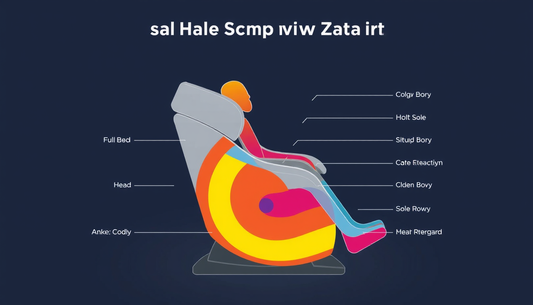
- Precise technique-to-body-part mapping for ankles, back, neck, feet and whole-body programs
- Recommended program settings, durations, and sequencing for common goals
- Evidence-based benefits and how to document outcomes
- Content and SEO strategies to attract high-intent visitors
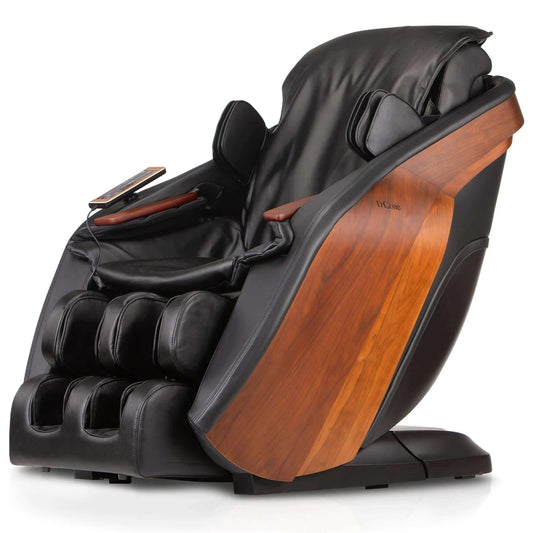
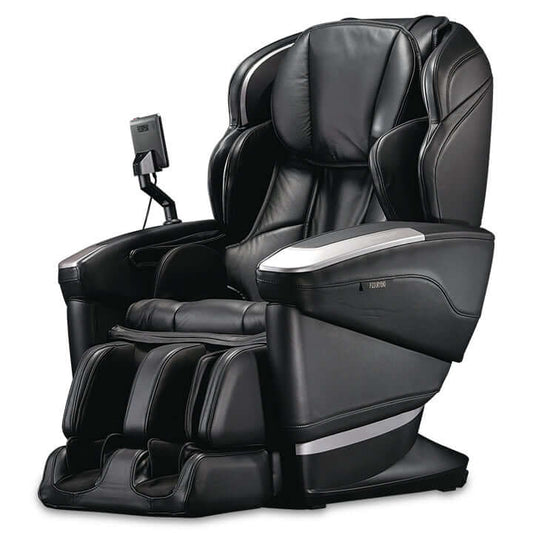
Synca Chair Core Features to Highlight in Every Presentation
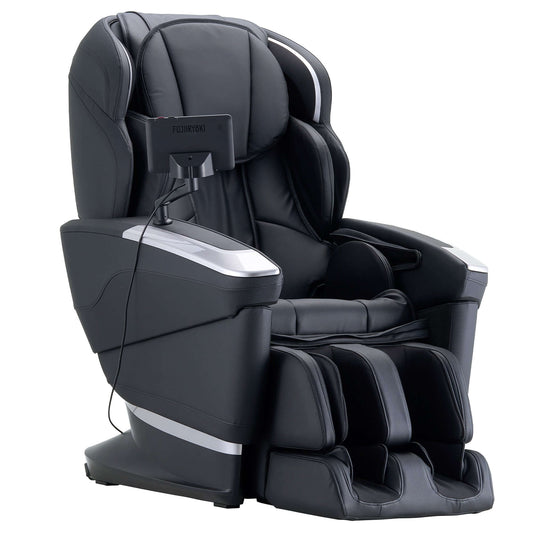
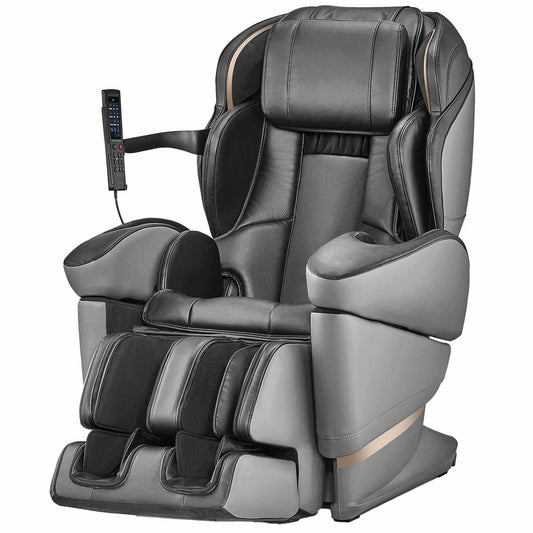
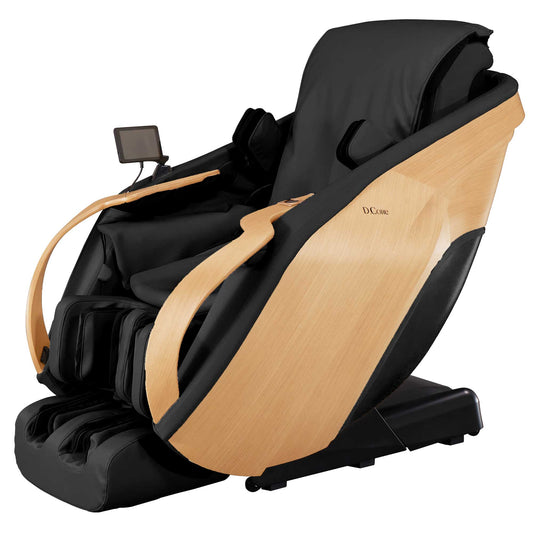
- Advanced roller systems and multi-directional nodes that emulate hands-on techniques
- Airbag compression modules for calves, ankles, feet, arms, and shoulders
- Foot rollers and reflexology zones designed to stimulate plantar pathways
- Zero gravity positioning for spinal decompression and circulation support
- Customizable intensity, speed, and focal zones to match user tolerance
- Pre-set programs and user memory for saved profiles
- Easy-to-use controls and optional app connectivity for guided sessions
Presentation Flow: A Step-by-Step Demo Script
- Greeting and intake: Ask open questions about sleep, work, exercise, recent injuries, and primary complaint areas. Use a brief checklist to capture ankle, back, neck, feet, and whole-body concerns.
- Set expectations: Explain what the chair can and cannot do. Clarify that in many cases the chair is complementary to medical care, not a replacement.
- Feature tour: Show rollers, airbags, foot modules, zero gravity, and remote or app. Explain what each feature replicates from a human massage.
- Baseline assessment: Ask the user to rate pain or tension on a 0 to 10 scale and test range of motion if appropriate for back or neck demos.
- Targeted demo: Run a short 10 to 12 minute program focused on the user’s main complaint. Narrate each technique and what sensation the user should feel.
- Re-assessment: Immediately after the demo, repeat the pain/tension scale and ask subjective questions about relaxation and mobility.
- Customization and follow-up: Show how to adjust intensity, save a profile, and create a daily or weekly plan. Recommend follow-up sessions and contraindication checks.
Technique Mapping: How Each Method Works in a Chair
Below are descriptions of core techniques Synca chairs emulate and how to position settings for targeted body parts.
Swedish Massage
- Description: Long, flowing strokes designed to relax superficial muscles and improve circulation.
- Best for: Whole body, back, neck, shoulders, thighs.
- Chair settings: Low to medium intensity, slow stroke speed, broad roller coverage.
- Benefits: Stress relief, increased blood flow, flexibility improvement, general relaxation.
Shiatsu Massage
- Description: Finger-like pressure applied rhythmically to specific points and meridians.
- Best for: Neck, shoulders, upper and lower back, feet when applied to plantar zones.
- Chair settings: Medium intensity, point-hold cycles, use of airbags for compression complement.
- Benefits: Tension release, improved spinal alignment support, deep relaxation, tissue stimulation.
Deep Tissue Massage
- Description: Firm, focused pressure that targets the deeper muscle layers and adhesions.
- Best for: Lower back, hamstrings, calves, shoulders, trigger point areas.
- Chair settings: High intensity with slower strokes and concentrated nodes.
- Benefits: Pain relief, muscle therapy, improved range of motion, accelerated recovery.
Trigger Point Massage
- Description: Short, sustained pressure on knots to reduce referred pain and release muscular adhesions.
- Best for: Neck, shoulders, mid and lower back, calves.
- Chair settings: High intensity on a precise small zone with intermittent hold-and-release.
- Benefits: Targeted pain relief, reduction of muscular knots, improved local tissue health.
Acupressure
- Description: Focused pressure on meridian points to balance systemic function and reduce tension.
- Best for: Head, neck, shoulders, back, feet.
- Chair settings: Medium intensity, rhythmic press-and-hold patterns on targeted nodes.
- Benefits: Stress reduction, improved circulation, symptomatic relief for headaches and fatigue.
Reflexology
- Description: Systematic stimulation of foot zones that correspond to organs and systems.
- Best for: Feet, ankles, heels; used as complementary therapy for whole-body balance.
- Chair settings: Medium intensity foot rollers, varying pressure across zones, 10 to 20 minute foot cycles.
- Benefits: Enhanced blood flow, fatigue relief, systemic relaxation, support for recovery.
Kneading
- Description: Circular, lifting movements to loosen tight muscles and mobilize fascia.
- Best for: Shoulders, neck, upper and lower back, calves, thighs.
- Chair settings: Alternating speeds and intensities to mimic therapist hands; pair with airbags when possible.
- Benefits: Flexibility improvement, tissue conditioning, decreased stiffness.
Targeted Body Part Protocols
Below are recommended program templates, settings, and timing for each targeted body part. Use these in demo scripts and product pages to show practical value.
Ankles and Heels
- Primary techniques: Reflexology, Acupressure, Gentle Kneading
- Session length: 10 to 15 minutes focused on foot and ankle modules
- Settings: Low to medium pressure, rolling and point pressure across heel and medial arch
- Benefits: Improved circulation, pain relief for plantar discomfort, reduced swelling and fatigue
Feet
- Primary techniques: Reflexology, Shiatsu, Kneading
- Session length: 10 to 20 minutes, can be combined with leg kneading
- Settings: Medium intensity, alternate rolling and targeted presses
- Benefits: Reduced foot fatigue, systemic relaxation, enhanced recovery after standing or running
Calves, Thighs, and Legs
- Primary techniques: Deep Tissue, Kneading, Trigger Point
- Session length: 10 to 20 minutes for athletic recovery, 15 to 30 minutes for chronic tightness
- Settings: Start medium and progress to higher intensity; use airbags for compression cycles
- Benefits: Reduced DOMS, improved circulation, faster injury recovery, flexibility gain
Knees
- Primary techniques: Acupressure, Light Deep Tissue, Trigger Point
- Session length: 8 to 12 minutes with conservative intensity, especially for joint sensitivity
- Settings: Low to medium pressure with focus on surrounding musculature rather than direct joint compression
- Benefits: Pain modulation, reduced stiffness, support for soft tissue recovery
Back and Spine
- Primary techniques: Deep Tissue, Shiatsu, Swedish
- Session length: 15 to 30 minutes depending on tolerance and severity
- Settings: Alternate deep work on lower areas with Swedish sweeps for upper back; consider zero gravity for spinal decompression
- Benefits: Spine alignment support, pain relief, reduced muscular guarding, improved posture
Neck and Shoulders
- Primary techniques: Shiatsu, Trigger Point, Kneading
- Session length: 10 to 20 minutes, recommended multiple short daily sessions for chronic tension
- Settings: Medium intensity, careful with direct cervical compression; use gentle holds and releases
- Benefits: Reduced headaches, tension relief, improved mobility, better sleep
Head
- Primary techniques: Acupressure, Gentle Shiatsu
- Session length: 5 to 10 minutes as part of whole-body relaxation
- Settings: Light pressure around occiput and temples, rhythmic pulsing
- Benefits: Stress and headache relief, mood enhancement
Hands and Wrists
- Primary techniques: Trigger Point, Kneading, Acupressure
- Session length: 5 to 10 minutes, can be incorporated in whole-body programs or added for repetitive strain
- Settings: Medium intensity, focused rollers or airbags where available
- Benefits: Reduced stiffness, improved circulation, hand function maintenance
Whole-Body Protocols
- Relaxation Protocol: 25 to 35 minutes, Swedish base with Shiatsu transitions and 10 minutes of foot reflexology
- Athlete Recovery Protocol: 20 to 30 minutes, deep tissue focus on legs and back, light reflexology for circulation, finish with Swedish cooldown
- Pain Management Protocol: 15 to 20 minutes, targeted deep tissue on problem area, trigger point release, and a Swedish cooldown
Scientific and Practical Evidence
Massage research supports many of the benefits Synca chairs emulate: increased local blood flow, reduced perceived pain, decreased muscle stiffness, and accelerated recovery when used as part of a broader program. While chairs do not fully replace hands-on therapies, they provide consistent, repeatable stimulation that complements physical therapy, chiropractic care, and exercise.
Contraindications and Safety Notes
- Advise users with acute injuries, open wounds, recent surgeries, or severe osteoporosis to consult a physician prior to use
- People with certain circulatory disorders, deep vein thrombosis, or pregnancy should seek medical advice before using compression programs
- Always begin at low intensity and build slowly, especially for older adults and first-time users
- Recommend 24 to 48 hours between intense sessions for acute DOMS or after aggressive deep tissue work
Maintenance, Hygiene and Longevity Tips
- Wipe upholstery with manufacturer-approved cleaner weekly or after heavy use
- Run auto-tests and calibration features monthly if available
- Check and tighten hardware and mounting points yearly
- Replace filters or removable liners per Synca recommendations to maintain foot module hygiene
Sales and SEO Strategies: Keywords, Landing Pages and Content Ideas
Target a mix of transactional and informational keywords to capture users at different stages of the funnel. Use long-tail phrases and location-based modifiers for local demos.
High-Intent Keyword Examples
- Synca massage chair for back pain
- Synca reflexology foot massage for plantar fasciitis
- best Synca massage chair for neck and shoulders
- Synca deep tissue massage chair for athletes
- Synca chair demo near me
Content and Page Ideas
- Technique guides: separate pages for Swedish, Shiatsu, Deep Tissue and Reflexology with video demos
- Body part pages: focused content on ankles, back, neck, feet and whole-body benefits
- Case studies: before and after assessments showing pain score reductions and improved mobility
- FAQ pages: safety, differences between techniques, recommended session frequencies
- Local landing pages: include demo scheduling, in-store events, and testimonial videos
Sample Demo Checklist for Sales Staff
- Customer intake form filled and consent obtained
- Explain contraindications and obtain medical clearance if needed
- Baseline pain and mobility scores recorded
- Run targeted 10 to 15 minute demo guided by user complaint
- Reassess and record outcomes
- Show how to save a user profile and schedule follow-up
FAQs
- How often should I use a Synca chair? Short daily sessions of 10 to 20 minutes are safe for most users; more intense deep tissue sessions should be limited to a few times per week.
- Can Synca chairs treat plantar fasciitis? Chairs with focused foot rollers and reflexology programs can reduce symptoms by improving circulation and releasing plantar tension, but persistent cases should see a specialist.
- Is deep tissue safe for older adults? With proper adjustments and lower intensity, deep tissue elements can be beneficial, but medical clearance is advised when there are underlying health concerns.
Closing and Call to Action
Synca massage chairs offer a compelling mix of therapeutic techniques and targeted hardware that can meaningfully support ankle, back, neck, foot and whole-body wellness. Use the technique mapping, demo scripts, program templates, and SEO guidance in this guide to create persuasive demos, helpful content, and conversion-focused landing pages. Encourage readers to schedule an in-store or virtual demo to experience personalized relief and to find the right Synca program for their goals.
Quick Reference Summary
- Match technique to goal: Swedish for relaxation, Deep Tissue for pain and recovery, Shiatsu for tension release, Reflexology for foot-driven systemic benefits
- Start low, build intensity, and always re-assess outcomes
- Document results to convert demos into repeat customers and to build content that ranks on search engines
- Offer trial sessions and save user profiles to increase adoption and long-term satisfaction
Tags:
Previous
Clinician-Ready Presentation: Synca Massage Chair Techniques & Benefit Mapping for Ankles, Neck, Feet and Whole-Body Recovery
Next
Clinician Presentation: Synca Massage Chair Protocols — Technique-to-Body Mapping for Ankles, Neck, Back, Feet & Whole-Body with Blood Flow, Pain Relief & Recovery Benefits