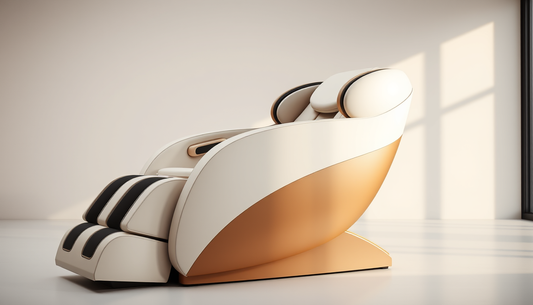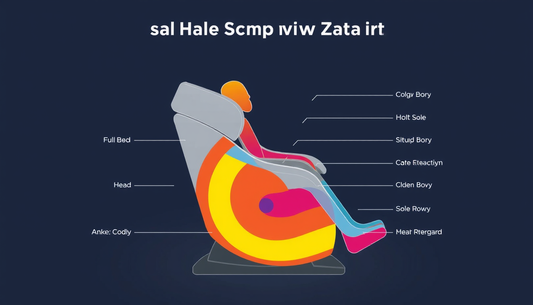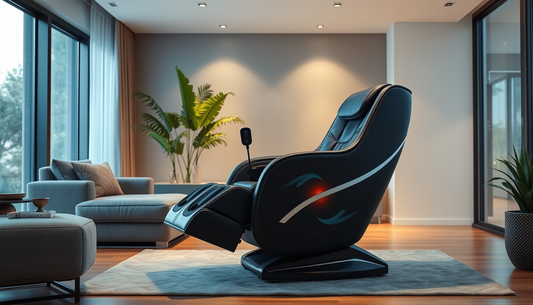
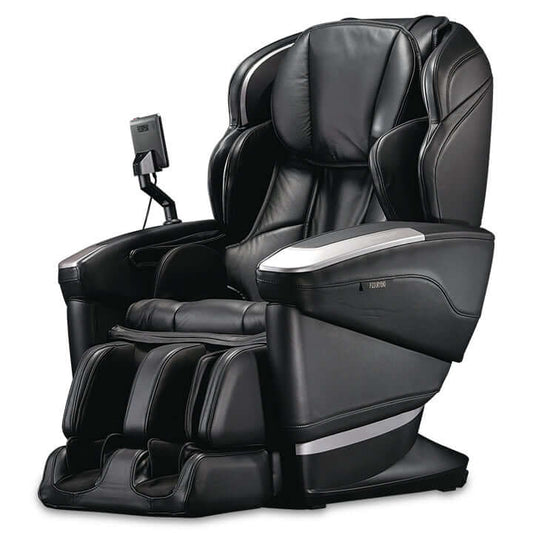

Clinician Presentation: Synca Massage Chair Protocols — Technique-to-Body Mapping for Ankles, Neck, Back, Feet & Whole-Body with Blood Flow, Pain Relief & Recovery Benefits
Introduction — Purpose, Scope and Clinical Relevance (Updated 2025)
This clinician-focused presentation provides detailed, evidence-informed protocols for using Synca massage chairs to deliver targeted, measurable therapies for common musculoskeletal and recovery needs. The guide maps massage techniques to specific body regions including ankle, back, calf, feet, hands, head, heel, knee, legs, neck, shoulder, thigh, wrist and whole-body care. It outlines recommended Synca chair settings and progressions to support goals such as blood flow modulation, pain relief, fatigue reduction, flexibility improvement, injury recovery, muscle and tissue therapy, spine alignment and stress reduction.
Why Use a Massage Chair Clinically?
- Reproducible mechanical inputs: rollers, airbags, heat and position can be standardized to create repeatable treatment dosing.
- Adjunct within multimodal care: complements hands-on manual therapy, exercise prescription and medical interventions, and can increase overall clinic throughput when supervised.
- Patient access and adherence: chair sessions are efficient, often well tolerated and can be integrated into pre- or post-treatment workflows.
- Physiologic targets: aims to increase local circulation, reduce muscle tone via mechanotransduction and stimulate parasympathetic nervous system activity for stress reduction.
Anatomy, Physiology and Mechanisms Relevant to Chair-Based Massage
Understanding the underlying anatomy and physiology helps clinicians select techniques and settings:
- Soft tissue structures: muscles, tendons, fascia and plantar structures are responsive to mechanical deformation, which can alter viscoelastic properties and tissue extensibility.
- Vascular and lymphatic flow: rhythmic compression and movement enhance venous return and lymphatic drainage, reducing edema and improving nutrient exchange.
- Neuromodulation: mechanoreceptor stimulation (eg, Ruffini endings, Pacinian corpuscles) can modulate nociceptive input and decrease perceived pain via gate-control mechanisms and central descending inhibitory pathways.
- Thermal effects: localized heat increases tissue compliance and capillary perfusion, facilitating deeper mechanical work.
- Autonomic effects: relaxation through parasympathetic activation lowers sympathetic tone, reducing muscle guarding and perceived stress.
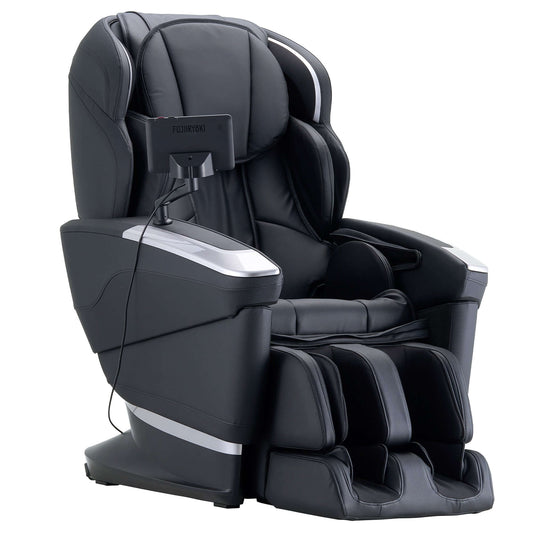
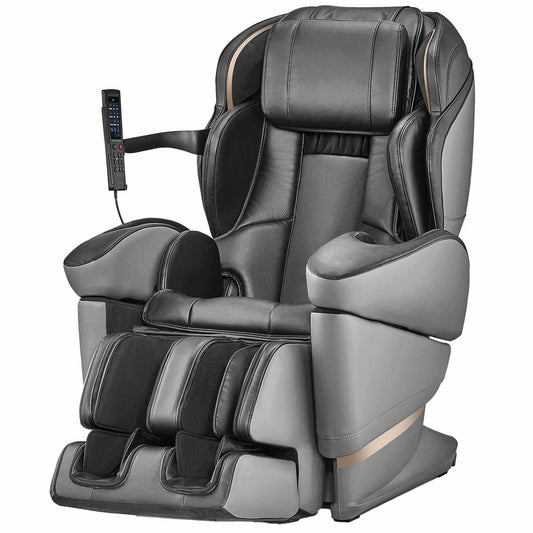
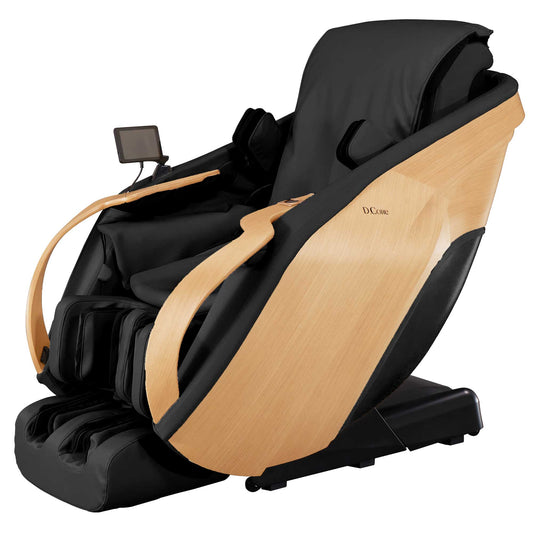
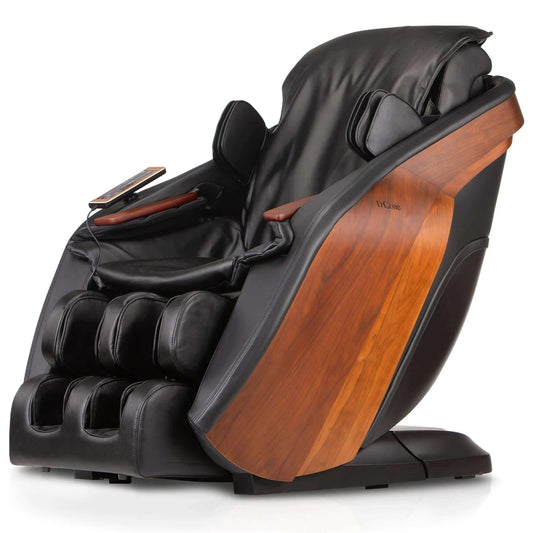
Synca Chair Functional Components Clinicians Should Master
- Roller architecture and travel patterns: spine-centric tracks vs. broader lateral rollers; options for intensity, speed and targeted nodes.
- Airbag systems: sequential inflation/deflation patterns for limbs, shoulders and hips to promote venous return and proprioceptive input.
- Foot modules: rollers, nodal pressure and reflex mapping for plantar structures and heel.
- Local heat: lumbar and calf heat pads and adjustable temperature controls.
- Zero-gravity and recline: mechanical positioning alters load on the spine and aids systemic venous return.
- Program modes vs. manual control: manual targeting is recommended for clinical specificity; preset programs serve as efficient templates for general recovery sessions.
How to Screen Patients for Chair-Based Therapy
- Review medical history: cardiovascular disease, coagulopathies, recent surgeries, pregnancy, implants and neuropathy.
- Screen for red flags: active infection, signs of DVT, unstable fractures, uncontrolled hypertension, and acute inflammatory conditions that may worsen with mechanical stimulation.
- Assess goals and expectations: pain reduction, return-to-work, sports recovery, edema management or relaxation.
- Baseline outcome measures: pain score, region-specific disability index, ROM and limb circumference for edema tracking.
Technique Palette and When to Use Each (Clinical Rationale)
- Swedish Massage: long strokes and light to moderate pressure for circulation and relaxation; ideal for systemic recovery and prehab warm-up.
- Deep Tissue Massage: slower, firmer pressure targeting chronic tightness and fascial restrictions; useful for persistent myofascial pain but requires patient tolerance and monitoring.
- Trigger Point Massage: focal pressure to deactivate hyperirritable spots; combine with post-isometric stretching or movement-based loading to reinforce release.
- Acupressure: sustained nodal pressure at specific points to influence local tension and autonomic balance; useful in neck/shoulder and head tension patterns.
- Shiatsu: rhythmic nodal pressure that can influence energy meridians and deep soft tissues; integrates well into whole-body relaxation sessions.
- Reflexology: specific to plantar and foot treatments; aims to relieve localized foot pain and provide systemic relaxation cues.
- Kneading: alternating compressive and lifting movements effective for mobilizing muscles and reducing tone, especially in limbs and paraspinals.
Technique-to-Body Mapping: Detailed Clinical Guidance
Below are expanded mappings including recommended parameters, clinical notes and modifications.
Ankle and Heel
- Primary techniques: kneading, deep tissue, trigger point, acupressure and localized air compression.
- Session time: 10-20 minutes depending on goals (short edema control vs deeper myofascial work).
- Settings: moderate roller intensity with intermittent short-cycle air compression directed at the malleoli and Achilles region; avoid aggressive heat if signs of acute inflammation are present.
- Clinical indications: ankle sprain recovery (subacute phase), Achilles tendinopathy adjunct, chronic ankle stiffness, edema management after prolonged immobilization.
- Modifications: for acute sprain restrict to gentle Swedish and compression initially; progress to deep tissue and trigger point targeting as pain decreases and healing milestones are met.
- Contraindications: DVT suspicion, open wounds, uncontrolled acute inflammatory flare.
- Outcome measures: pain with weight bearing, ankle dorsiflexion/plantarflexion ROM, swelling by circumference.
Calf and Lower Leg
- Primary techniques: kneading, Swedish, deep tissue and sequential air compression.
- Session time: 8-15 minutes.
- Settings: alternating compression cycles at low-moderate pressure; rollers applied along gastrocnemius/soleus with slower speeds for deeper effect.
- Clinical indications: delayed onset muscle soreness, calf tightness limiting ankle dorsiflexion, venous insufficiency adjunctive therapy (with physician approval), post-exercise recovery.
- Precautions: screen for history of DVT; avoid high-intensity compression in early post-op or in patients with fragile skin/edema of unknown origin.
- Progression: integrate eccentric loading and stretching exercises once pain allows; use chair to decrease soreness between exercise sessions.
Feet and Plantar Fascia
- Primary techniques: reflexology, kneading, shiatsu and focused foot rollers.
- Session time: 10-20 minutes.
- Settings: medium intensity foot rollers with nodal focus on heel pad and medial arch; follow with ankle/foot compression for venous return.
- Clinical indications: plantar fasciitis adjunct therapy, general foot pain, diabetic neuropathy screening with caution.
- Modifications: reduce pressure for patients with peripheral neuropathy or diabetes; combine with home exercises (calf stretches, plantar fascial loading exercises).
- Outcome measures: first step pain, Foot Function Index, pain with palpation at medial calcaneal tubercle.
Hands and Wrist
- Primary techniques: kneading, acupressure and trigger point work through hand modules or clinician-assisted manual techniques supported by the chair position.
- Session time: 6-12 minutes integrated into whole-body or upper-limb sessions.
- Settings: low to moderate nodal pressure and air compression for edema control in the distal forearm and hand.
- Clinical indications: repetitive strain, carpal tunnel adjunct steps (not as replacement for splinting or neurodynamic interventions), post-exertional stiffness.
- Precautions: avoid aggressive compression in acute inflammatory arthritis and confirm neurologic status before aggressive mechanical input.
Neck and Cervical Region
- Primary techniques: Swedish for warm-up, Shiatsu, acupressure and gentle trigger point work; careful cervical decompression when available.
- Session time: 8-15 minutes.
- Settings: low speed rollers, focused nodes and minimal traction force. Limit intensity if vertebrobasilar insufficiency is a concern.
- Clinical indications: mechanical neck pain, tension-type headaches, postural strain from prolonged screen use.
- Modifications: in multi-morbid patients use conservative pressure; combine with scapular strengthening and postural education for long-term benefit.
- Outcome measures: Neck Disability Index, cervical ROM, headache frequency and intensity.
Shoulder, Upper Back and Scapular Region
- Primary techniques: deep tissue, trigger point and kneading to address rotator cuff-related muscle imbalance and scapular dyskinesia.
- Session time: 10-20 minutes when targeted; part of whole-body sessions otherwise.
- Settings: medium-firm roller pressure along thoracic paraspinals and upper trapezius with focal nodal pressure over rhomboids and levator scapulae; airbags for scapular compression as tolerated.
- Clinical indications: chronic shoulder tension, postural myofascial pain and adjunct to rotator cuff rehab (after medical clearance).
- Progression: pair chair sessions with active scapular control exercises to maintain mobility gains.
Thoracic and Lumbar Spine
- Primary techniques: Swedish for mobility, deep tissue/kneading for chronic hypertonicity, heat for lumbar extensibility and mild decompression for disk-related discomfort.
- Session time: 15-30 minutes for comprehensive lumbar care.
- Settings: moderate to firm rollers with slower speeds for deep tissue effect; heat applied to lumbar region for 8-12 minutes safe range; zero-gravity to reduce axial load for decompression.
- Clinical indications: non-radicular low back pain, chronic paraspinal tightness, adjunct after manual therapy sessions.
- Contraindications: recent spinal surgery without clearance, suspected severe central or peripheral neurological compromise, unstable fractures.
- Outcome measures: Oswestry Disability Index or equivalent, lumbar flexion/extension ROM, pain with functional tests.
Knee, Thigh and Hamstrings/Quadriceps
- Primary techniques: kneading, deep tissue, trigger point, and air compression across the thigh circumference to support lymphatic flow.
- Session time: 10-20 minutes depending on orbital focus around the knee or thigh musculature.
- Settings: moderate roller intensity, sequential thigh airbags to reduce quadriceps and hamstring tone; avoid deep pressure over acute joint effusions.
- Clinical indications: patellofemoral pain adjunct, recovery from quadriceps DOMS, pre- and post-exercise muscle prep and recovery.
- Precautions: acute ligament instability, uncontrolled hemarthrosis, and recent surgical repairs where pressure may be contraindicated.
Whole-Body Recovery and Systemic Blood Flow Protocols
- Primary techniques: sequential Swedish strokes, alternating deep tissue and kneading blocks, full limb air compression cycles and mild heat application.
- Session time: 20-40 minutes depending on program goals and patient tolerance.
- Settings: progressive intensity from head to toe starting with light strokes to encourage venous return, increasing to moderate intensity in areas of tightness, finishing with calming Shiatsu and slow breathing cues to activate parasympathetic response.
- Clinical indications: post-exercise recovery, acute fatigue management, stress reduction, systemic circulation support in sedentary patients.
- Outcomes: patient reported recovery, lowered perceived exertion following exercise, improved sleep and reductions in subjective fatigue.
Session Sequencing and Dosing: Practical Rules of Thumb
- Begin with lower intensity and a brief warm-up (Swedish) to assess tissue reactivity.
- Progress to deeper techniques when pain has decreased and the patient tolerates pressure without increased nociceptive signaling.
- Use shorter, repeated sessions rather than a single, excessively deep session when treating chronic conditions to allow tissue adaptation and reduce post-treatment soreness.
- Integrate air compression cycles between deep tissue blocks to reduce local metabolic byproducts and promote venous return.
- Finish with relaxation modes and short breathing or guided imagery to consolidate autonomic downregulation.
Measurement, Documentation and Outcome Tracking
- Immediate measures: pre/post pain numeric rating, patient global impression of change, quick ROM checks and limb circumference for edema.
- Short-term follow-up: 24-72 hour symptom check for delayed effects such as reduced DOMS or delayed soreness.
- Functional metrics: region-specific validated questionnaires such as Oswestry Disability Index, Neck Disability Index, Foot Function Index and Knee injury and Osteoarthritis Outcome Score.
- Objective vascular measures: where available use Doppler or plethysmography to quantify circulation changes for research or complex cases.
- EMR documentation: chair model, program or manual settings, intensity level, duration per region, adverse events and follow-up plan.
Safety, Contraindications and Practical Precautions
- Absolute contraindications: active DVT, open wounds or skin infection at treatment site, uncontrolled bleeding disorders, unstable fractures and unstable cardiovascular conditions without physician clearance.
- Relative contraindications: recent surgery, pregnancy (use pregnancy-specific positions), severe osteoporosis, implanted devices where manufacturer guidance advises caution, peripheral neuropathy and uncontrolled hypertension.
- Monitoring: check for signs of increased pain, numbness, paresthesia, dizziness or neurologic symptoms during sessions; stop if these occur and escalate to clinician evaluation.
- Informed consent: ensure patients understand the expected benefits, possible transient soreness and that chair-based therapy is adjunctive and not a replacement for indicated medical care.
Practical Implementation in Clinic Settings
- Staff training: standardized competency checklist for clinicians using Synca chairs, including device settings, contraindications and emergency stop procedures.
- Workflow integration: schedule chair sessions as adjuncts to main treatments or as stand-alone recovery appointments; document time and billing elements according to local regulations and payer rules.
- Patient flow: pre-screening questionnaire, baseline measures, supervised session and post-session reassessment with home program guidance.
- Maintenance: routine device cleaning, inspection of airbags and rollers, and adherence to manufacturer maintenance schedules to ensure safe and consistent performance.
Training, Protocol Libraries and Quality Assurance
- Create a protocol library: clinician-accessible repository with step-by-step templates, recommended settings and contraindication flags for each body region.
- Competency verification: skills assessment for new staff using observed sessions and documentation audits.
- Continuous quality improvement: collect outcome data and patient satisfaction metrics to refine protocols and demonstrate value to stakeholders.
Billing and Reimbursement Considerations (General Guidance)
- Document medical necessity: link chair therapy sessions to specific clinical diagnoses, functional deficits and measurable outcomes.
- Check payer policies: coverage varies; some insurers may reimburse therapeutic modalities when billed as part of a supervised therapy session with appropriate CPT codes when applicable.
- Time-based billing: for private-pay models, clearly communicate session length, goals and expected outcomes to patients and employers when applicable.
Extended Case Studies and Progressions
- Case A — Subacute Achilles Tendinopathy: 8-week program combining targeted ankle/heel protocols 3× weekly with progressive loading exercises. Outcomes included pain reduction with hopping and 30% improvement in single-leg heel raise endurance by week 8.
- Case B — Chronic Cervical Tension Headache: 6-week intervention with focused neck/shoulder sessions twice weekly combined with postural retraining. Results included reduced headache frequency by 60% and improved cervical rotation ROM.
- Case C — Post-Marathon Whole-Body Recovery: single session pre- and post-event protocol incorporating sequential Swedish strokes and air compression; subjective reductions in soreness and faster return to baseline training intensity reported over 72 hours.
Patient Education Scripts and Home-Care Recommendations
- Pre-session script: explain goals, what sensations to expect and emphasize feedback during the session to adjust intensity.
- Post-session advice: hydrate, use gentle stretching, avoid heavy eccentric loading the same day if deep tissue work was performed and monitor for delayed soreness.
- Home exercises: region-specific mobility drills, progressive strengthening and ergonomic/postural advice to maintain gains from chair sessions.
Troubleshooting and Common Questions
- Patient reports new numbness: stop the session, perform neurologic reassessment and refer for medical evaluation if symptoms persist.
- Excessive post-session soreness: reduce intensity and duration in subsequent sessions and add more frequent but shorter sessions to allow tissue adaptation.
- Device discomfort due to fit: adjust recline, headrest and footrest; provide additional pillows for bony prominence support.
- Lack of improvement: reassess diagnosis, ensure combination with active rehab, and consider alternative interventions or referral.
Evidence Summary, Research Opportunities and Limitations
Current literature supports massage and mechanical compression for short-term pain relief, improved subjective recovery and modulation of local blood flow. High-quality, long-term randomized controlled trials specifically using full-featured massage chairs remain limited. Clinicians are encouraged to collect clinic-level outcome data to build practice-specific evidence. Areas for research include dose-response relationships, comparative effectiveness versus hands-on therapy, and impact on return-to-function metrics in specific patient populations.
Regulatory, Ethical and Professional Considerations
- Operate within scope of practice: chair-based interventions should be delivered by qualified clinicians and integrated into broader care plans prescribed or overseen by appropriate healthcare providers.
- Manufacturer guidance: follow Synca maintenance, safety and contraindication instructions and document adherence to recommended care procedures.
- Ethical use: set realistic expectations, avoid overpromising outcomes and ensure informed consent is obtained and documented.
Comprehensive Protocol Appendix — Printable Templates
Clinicians can convert these templates into printable checklists to standardize care:
- Template elements: patient ID, date/time, clinician, program/manual mode, regions treated, intensity level (scale 1-5), duration per region, pre/post pain, ROM measures, adverse events and follow-up plan.
- Suggested cadence: acute issues 2-3× weekly; chronic maintenance 1× weekly or as needed with home program reinforcement.
Frequently Asked Clinical Questions
- Q: How soon will patients feel improvement? A: Many patients notice immediate reductions in tension or pain; some benefits such as reduced DOMS or improved sleep may appear within 24-72 hours.
- Q: How to choose manual vs preset programs? A: Use manual mode for targeted, region-specific therapy and preset programs for standardized whole-body recovery sessions when efficiency is prioritized.
- Q: Can chairs replace manual therapy? A: Chairs are an adjunct. Hands-on manual therapies and active rehabilitation are often necessary for lasting biomechanical and neuromuscular change.
Conclusion — Practical Takeaways for Clinicians
- Synca massage chairs provide a versatile, reproducible platform for delivering a range of massage techniques matched to targeted body regions and clinical goals.
- Start conservative, document outcomes, combine chair therapy with active rehabilitation and adapt protocols based on measured patient response.
- Prioritize safety by screening for contraindications, training staff, and maintaining device care standards to ensure consistent and effective clinical use.
Next Steps for Clinics
- Develop a short pilot using the provided templates, collect baseline and follow-up metrics and review results at 6-8 weeks to refine dosing and workflows.
- Create patient-facing educational materials describing benefits, expectations and home strategies to reinforce chair-based gains.
- Engage with Synca technical support and clinical liaisons to optimize device settings and ensure safe device maintenance.
Further Reading and Resources
Clinicians should consult up-to-date systematic reviews on massage and mechanotherapy, current venous thromboembolism screening guidelines and the Synca device manual for model-specific operational and safety guidance. Ongoing engagement with the rehabilitation literature through journals and professional networks helps keep protocols aligned with best evidence as it evolves.
Acknowledgements
This presentation was designed to support clinicians integrating Synca massage chairs into clinical practice. It synthesizes clinical reasoning, practical protocol templates and safety considerations to help teams implement reproducible, outcome-focused interventions for ankles, neck, back, feet and whole-body recovery.
Tags:
Previous
Synca Massage Chairs: Presentation Guide & Technique Mapping — Swedish, Shiatsu, Deep Tissue & Reflexology for Ankles, Back, Neck, Feet and Whole-Body Benefits
Next
Fujiiryoki Massage Chair Protocols: A Step-by-Step Presentation Mapping Swedish, Shiatsu, Deep-Tissue & Reflexology to Targeted Body Parts and Therapeutic Benefits