
Clinician-Ready Presentation: Synca Massage Chair Techniques & Benefit Mapping for Ankles, Neck, Feet and Whole-Body Recovery
Introduction
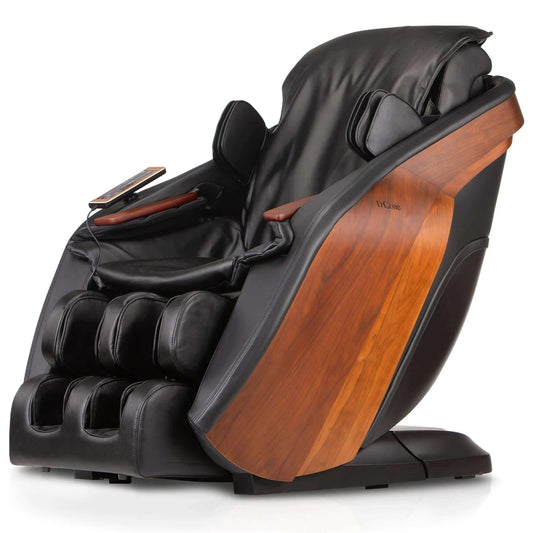
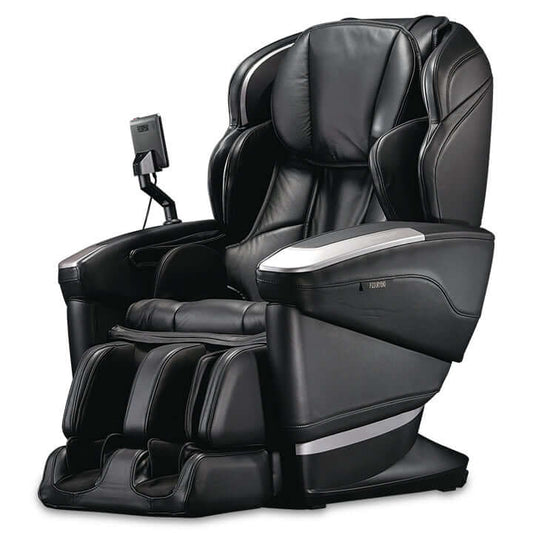
This expanded clinician-ready presentation provides an in-depth, practical guide to using Synca massage chairs as an adjunct in rehabilitation, recovery and wellness programs. It maps specific massage techniques to anatomy, explains physiological mechanisms, outlines evidence-informed protocols, and supplies clinician tools for assessment, documentation and patient education. The content targets ankle, back, calf, feet, hands, head, heel, knee, legs, neck, shoulder, thigh, whole body and wrist, and covers Swedish massage, deep tissue massage, trigger point therapy, acupressure, shiatsu, reflexology and kneading. Key therapeutic goals are blood flow control, fatigue relief, flexibility improvement, injury recovery, muscle therapy, pain relief, spine alignment, stress relief and tissue therapy.
Presentation Objectives
- Provide clinicians with a clear framework to select Synca chair techniques for targeted anatomy and clinical goals
- Describe session protocols with recommended duration, intensity and progression for acute, subacute and performance recovery
- Offer objective outcome measures and documentation templates suitable for clinical workflows
- Summarize safety considerations, contraindications and practical patient education scripts
- Deliver sample case studies and reproducible protocols clinicians can adapt to practice
Synca Massage Chair Capabilities and Clinical Equivalents
Understanding what the chair can and cannot do is essential for safe and effective integration into clinical practice.
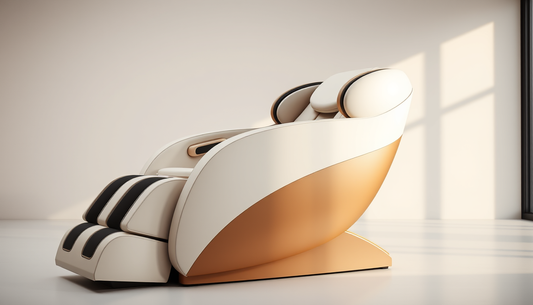
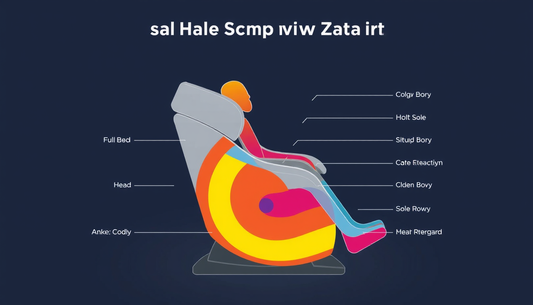
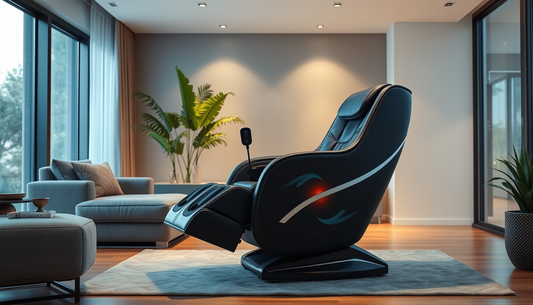
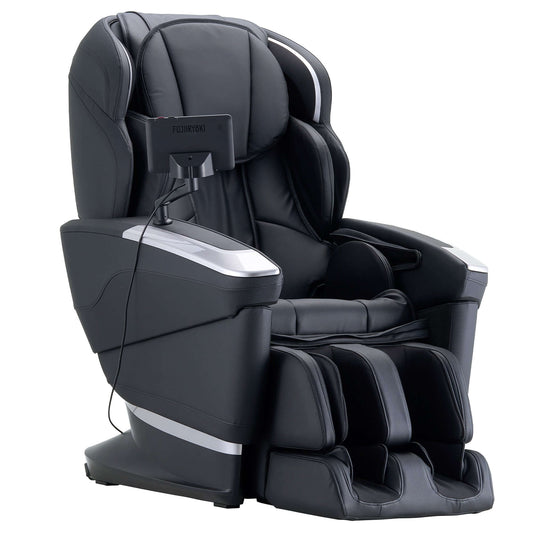
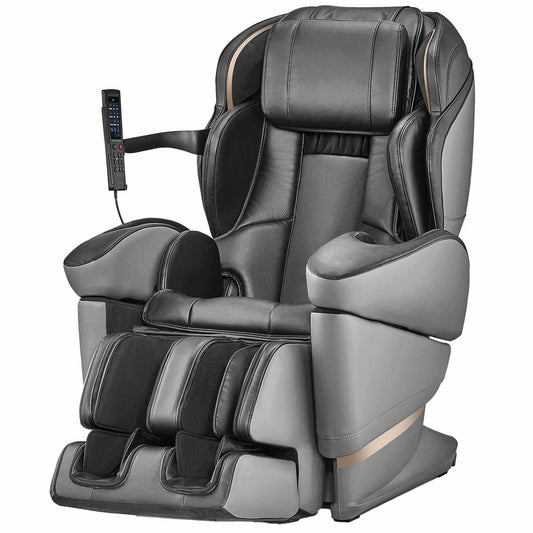
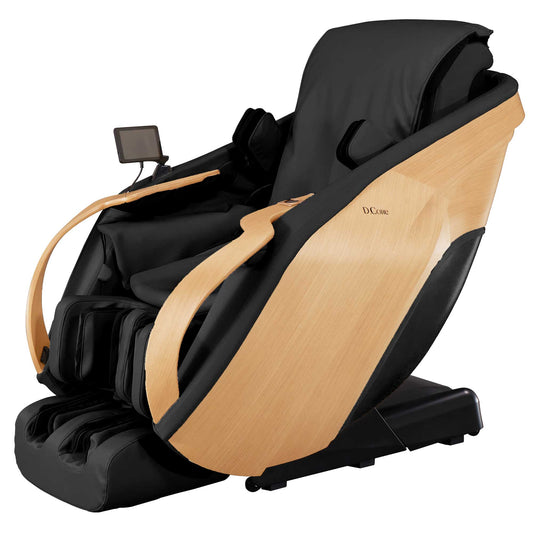
- Mechanics: synchronized rollers, shiatsu nodes, kneading rollers, percussion, vibration, targeted airbags, sequential compression, and localized heating elements.
- Clinical equivalents: Swedish effleurage and petrissage, deep tissue compression, trigger point sustained pressure, acupressure/shiatsu point stimulation, reflexology foot rollers, and pneumatic compression therapy for venous return.
- Adjustability: intensity levels, speed, zone targeting, and program duration allow titration to tolerance and condition stage.
- Repeatability: programmable sequences create reproducible stimuli useful for outcome tracking and research.
Physiological Mechanisms and Evidence Summary
Massage chair stimulation produces a combination of mechanical and neurophysiological effects relevant to rehabilitation and recovery.
- Mechanical effects: deformation of soft tissues increases local blood and lymphatic flow, reduces interstitial fluid, and temporarily alters viscoelastic tissue properties.
- Neurophysiological modulation: pressure and rhythmic stimulation activate mechanoreceptors that can downregulate nociceptive signaling and alter autonomic balance, promoting parasympathetic activity and stress reduction.
- Muscle tone and trigger points: sustained pressure and kneading can reduce hyperirritable points and decrease muscle guarding, improving range of motion.
- Efficacy notes: systematic reviews indicate massage reduces pain and improves short-term function in some musculoskeletal conditions. Chair-based modalities can offer similar benefits when delivered with appropriate technique and dose, but should be integrated with active rehabilitation for sustained outcomes.
Massage Techniques: Descriptions and Clinical Use
- Swedish Massage: long gliding strokes and gentle kneading aimed at promoting circulation and relaxation. Ideal for warm-up, recovery and stress relief.
- Deep Tissue Massage: slow, sustained pressure targeting deeper muscle layers and adhesions. Use cautiously in subacute and chronic tightness, not over acute inflammation.
- Trigger Point Therapy: focused sustained compression on localized tender nodules to decrease referred pain and restore length-tension relationships.
- Acupressure: sustained pressure on specific points to modulate autonomic and pain responses; useful for headache, neck pain and stress relief adjuncts.
- Shiatsu Massage: rhythmic pressing and release along meridian-like pathways. Can be replicated by nodes applying cyclical pressure to spinal and thoracic regions.
- Reflexology: targeted stimulation of plantar regions to influence systemic relaxation and distal symptom modulation; valuable in foot and ankle protocols.
- Kneading: circular compressive motions to increase tissue pliability and venous return; effective for calf, thigh and forearm muscle therapy.
Technique Parameters and Titration
- Intensity: low, moderate, high. Start low in acute settings and increase as tolerated for subacute and chronic conditions.
- Duration: 5 to 40 minutes depending on goal. Short targeted sessions for acute pain; longer whole-body recovery sessions for fatigue and stress relief.
- Frequency: daily for conservative recovery or venous return protocols; 2 to 3 times per week for therapeutic progression; individualized for clinical condition.
- Progression: increase session length, intensity or add targeted deep tissue modes based on symptom trajectory and objective measures.
Body Part Mapping: Detailed Protocols, Rationale and Precautions
Each section below includes recommended techniques, clinical goals, practical session tips, objective measures, and exceptions to standard care.
Ankle and Heel
- Techniques: reflexology foot rollers targeting plantar fascia insertion, localized acupressure on ankle meridians, gentle kneading and intermittent pneumatic compression around the heel and malleoli.
- Primary goals: reduce edema, improve local circulation, relieve plantar heel pain and support proprioceptive recovery after sprain.
- Session protocol: 10 to 20 minutes focusing on plantar and perimalleolar regions. Use low intensity and incremental pressure near acute symptoms.
- Objective measures: ankle range of motion, single limb balance time, calf circumference for edema, pain numeric rating scale.
- Precautions: avoid direct pressure over acute cellulitis, fractures, or open wounds. In cases of suspected DVT, defer and seek vascular assessment.
- Case tip: pair with proprioceptive exercises and graded loading for Achilles tendinopathy and follow with calf eccentric program.
Feet and Plantar Fascia
- Techniques: reflexology rollers, kneading of intrinsic foot muscles, light vibration to improve sensory feedback and circulation.
- Primary goals: decrease plantar pain, reduce fascial tension, improve distal circulation and sensory integration.
- Session protocol: 8 to 15 minutes of focused rolling and kneading. Incorporate cryotherapy or stretching depending on irritability.
- Precautions: diabetic neuropathy requires reduced intensity and careful monitoring for skin breakdown or blunted sensory responses.
Calf and Posterior Lower Leg
- Techniques: sequential pneumatic compression, kneading, rolling and vibration to improve venous return and decrease soreness.
- Primary goals: fatigue relief after exercise, prevention of delayed onset muscle soreness, and reduction of venous stasis.
- Session protocol: 10 to 25 minutes, light to moderate intensity. Combine with heat for chronic tightness, but avoid heat in acute swelling.
- Objective measures: calf girth, perceived recovery scales, hop performance tests for athletic populations.
- Precautions: prior DVT, uncontrolled anticoagulation and severe peripheral arterial disease are relative or absolute considerations.
Knee, Thigh and Hamstrings
- Techniques: deep kneading for quadriceps and hamstrings, trigger point pressure for referred symptoms, airbags to provide circumferential support without overpressure on the patella.
- Primary goals: reduce muscle guarding, improve flexibility, support quadriceps activation and integrate with functional strengthening.
- Session protocol: 15 to 30 minutes with moderate intensity. Progress with deeper sustained pressure as tolerated in later rehab phases.
- Objective measures: range of motion goniometry, single leg squat depth, timed functional tasks.
- Precautions: avoid aggressive compression over acute ligament repairs without surgeon clearance and over inflamed prepatellar bursitis.
Back and Lumbar Spine
- Techniques: paraspinal rolling, lumbar kneading, shiatsu node pressure for quadratus lumborum and erector spinae, dynamic lumbar traction programs where available.
- Primary goals: reduce paraspinal muscle spasm, improve spinal mobility and support postural correction interventions.
- Session protocol: 15 to 30 minutes focusing on lumbar to thoracic transition. Pair with active core stabilization exercises post session to consolidate effects.
- Objective measures: Oswestry Disability Index or region-specific function scales, lumbar flexion and extension range, pain scores.
- Precautions: avoid heavy compression in patients with spinal instability, recent fusion or suspected vertebral fracture without clearance.
Neck and Cervical Region
- Techniques: targeted kneading at upper trapezius and levator scapulae, gentle cervical shiatsu nodes, light percussion for relaxation; maintain neutral cervical alignment using adjustable headrest.
- Primary goals: reduce cervicogenic pain, decrease muscle tension headaches, and increase cervical range of motion.
- Session protocol: 8 to 15 minutes of focused work at low to moderate intensity. Do not use rapid or forceful cervical manipulations with the chair; avoid aggressive traction without clinician oversight.
- Objective measures: cervical range of motion, Neck Disability Index, headache frequency diaries.
- Precautions: recent whiplash with neurological signs, vertebral artery insufficiency risk factors require careful screening.
Shoulder Complex
- Techniques: kneading for deltoid and rotator cuff musculature, trigger point work for upper trapezius, mild percussion to promote circulation.
- Primary goals: reduce myofascial pain, restore scapular rhythm, and facilitate range of motion improvement when combined with therapeutic exercise.
- Session protocol: 10 to 20 minutes focusing on periscapular and posterior cuff areas. Progress intensity based on pain response.
- Precautions: avoid direct high-pressure modes over acute bursitis or superficial surgical sites.
Hands and Wrists
- Techniques: gentle kneading, compression and decompression cycles, acupressure points to reduce repetitive strain symptoms, light vibration to improve microcirculation.
- Primary goals: tissue therapy for tendinopathy, reduction of stiffness from rheumatoid conditions, symptom relief in carpal tunnel syndrome adjunct to splinting and exercise.
- Session protocol: 5 to 10 minutes with low intensity. Combine with nerve gliding and strengthening as appropriate.
- Precautions: acute inflammatory arthropathies and recent hand surgery require clinical clearance.
Head and Face
- Techniques: light vibration and rhythmic pressure for scalp and temporalis region, acupressure points for tension-type headache relief, gentle drainage techniques incorporated into neck program.
- Primary goals: decrease tension-type headaches, improve relaxation and reduce autonomic arousal.
- Session protocol: 5 to 10 minutes gentle modes; incorporate into full upper body session for headache patients.
- Precautions: avoid if recent cranial surgery or active head injury. Monitor for lightheadedness in predisposed patients.
Whole Body Recovery
- Techniques: sequential full-body Swedish strokes simulated by rollers, integrated airbags for limb compression, alternating percussion and kneading for systemic blood flow control and autonomic regulation.
- Primary goals: systemic stress relief, accelerated recovery after intense exercise, improved sleep and overall tissue recovery.
- Session protocol: 20 to 40 minutes, starting with distal to proximal flow, moderate intensity with cool down period to reduce orthostatic symptoms.
- Monitoring: pre and post subjective recovery scales, perceived exertion, sleep quality tracking.
Session Templates and Progression Pathways
Below are reproducible session templates clinicians can adapt to patient needs.
Acute Pain Management Template
- Duration: 8 to 15 minutes
- Modes: gentle Swedish kneading, low intensity airbags for distal compression, heat only if not actively inflamed
- Goals: reduce pain, calm sympathetic arousal and provide safe circulation support
- Follow up: reassess pain and tolerance immediately; couple with education and protected movement strategies
Subacute Rehabilitation Template
- Duration: 20 to 30 minutes
- Modes: moderate kneading, trigger point focus, sequential compression, localized heat to increase tissue compliance
- Goals: reduce muscle guarding, increase flexibility, prepare tissue for graded loading
- Follow up: pair with progressive loading exercises, neuromuscular re-education and home program
Performance Recovery Template
- Duration: 15 to 40 minutes depending on sport and workload
- Modes: alternating percussion and Swedish strokes to enhance blood flow, foot rollers for venous return, dynamic compression for legs
- Goals: accelerate removal of metabolic byproducts, reduce DOMS, support rapid return to training
- Follow up: document perceived recovery, readiness to train and objective performance markers
Outcome Measures, Monitoring and Documentation
Standardized monitoring improves clinical decision-making and demonstrates value of chair-based therapy.
- Pain: Numeric Rating Scale or Visual Analog Scale measured pre and post session and tracked over weeks
- Function: region-specific questionnaires such as Neck Disability Index, Oswestry Disability Index and Lower Extremity Functional Scale
- Objective measures: range of motion goniometry, limb circumference for edema, timed up and go, single leg balance, single leg heel raise repetition counts
- Physiological tracking: heart rate variability and resting heart rate changes can indicate autonomic shifts after sessions if available
- Documentation template: include program name, duration, intensity level, zones targeted, patient tolerance, adverse responses and plan for follow up
Sample SOAP Note Language for Chair Sessions
Use clear concise entries that integrate chair care into the therapeutic plan.
- Subjective: patient reports left calf soreness 4 of 10 with stair climbing, improved after warm up
- Objective: 20 minute Synca calf protocol, moderate kneading and sequential compression; pre to post pain 4 to 2 on numeric scale; calf girth reduced by 1 cm
- Assessment: decreased muscle tightness and improved venous return consistent with symptom reduction; safe to progress loading
- Plan: continue Synca sessions 3 times per week for 2 weeks, integrate eccentric calf loading and gait retraining, reassess function in 2 weeks
Contraindications, Warnings and Practical Screening
- Absolute contraindications: suspected or confirmed deep vein thrombosis at treatment site, unstable fractures, active infection or cellulitis, open wounds and uncontrolled bleeding disorders.
- Relative precautions: severe osteoporosis, advanced peripheral neuropathy with loss of protective sensation, active malignancy in treated area without oncology clearance, uncontrolled hypertension, recent surgery or implanted vascular grafts.
- Pre-session screening checklist: recent medical events, anticoagulant use, sensory deficits, pregnancy status, implantable devices and patient medication list.
- Adverse event response: stop session if increased swelling, new neurological deficits, syncope or intolerable pain; document and escalate appropriately.
Patient Education and Informed Consent Scripts
Keep patient communication clear and practical to improve adherence and safety.
- Explain purpose: The chair provides mechanical and sensory therapy to reduce muscle tension, improve circulation and help with recovery alongside your exercise plan.
- Describe sensations: You may feel pressure, warmth, tingling or temporary soreness. These are usually transient and expected with therapy.
- Set expectations: Chair therapy often reduces symptoms in the short term. Combine with active rehab for lasting improvement.
- Informed consent points: We will screen you for medical risks. If you notice new numbness, increased swelling or severe pain, stop immediately and tell the clinician.
Integration with Rehabilitation and Exercise
- Pre-activity: light Swedish modes can prepare tissue and reduce stiffness before therapeutic exercise or sport, improving tolerance.
- Post-activity: percussion and compression modes support metabolic clearance and reduce delayed onset muscle soreness.
- Adjunct to loading: use chair to reduce guarding before progressive strengthening to optimize activation patterns and movement quality.
- Multimodal approach: integrate with manual therapy, dry needling, exercise progressions and patient education for best outcomes.
Training, Credentialing and Clinic Implementation
- Staff training: clinicians should be trained on device operation, safety checks, program selection and patient screening.
- Protocols: create clinic-specific standardized programs and progression algorithms and include checklists for pre-session screening.
- Quality assurance: periodically review outcome data, patient satisfaction and adverse events to refine protocols and measure effectiveness.
- Documentation: incorporate chair treatment fields into electronic health records or use structured templates for consistency.
Maintenance, Hygiene and Safety Checks
- Daily checks: inspect electrical cords, test emergency stop or power off, verify upholstery integrity and clean surfaces between patients with approved disinfectant.
- Preventive maintenance: follow manufacturer recommended service intervals for motors, rollers and pneumatic lines to ensure reliable performance.
- Infection control: use disposable covers for high touch zones if needed and maintain routine upholstery cleaning protocols.
Clinical Case Examples and Pathways
Below are detailed case vignettes with rationale and measurable progression.
Case 1: Subacute Achilles Tendinopathy
- Presentation: 38 year old recreational runner with 6 weeks of insertional Achilles pain aggravated by hill running
- Intervention: 12 minute focused foot and calf Synca protocol twice weekly including reflexology rollers, low intensity kneading and calf sequential compression. Paired with eccentric loading program 3 times weekly and gait retraining.
- Outcome measures: numeric pain reduction from 6 to 3 within 3 weeks, single leg heel raise repetitions improved from 6 to 12 by 6 weeks, return to graded running at 8 weeks.
- Rationale: mechanical stimulation reduced peritendinous adhesions and edema, improved circulation and allowed progressive loading with less pain.
Case 2: Chronic Neck Pain with Tension Headache
- Presentation: 52 year old office worker with chronic neck stiffness and frequent tension-type headaches
- Intervention: 15 minute cervical and upper thoracic program thrice weekly for 4 weeks combining moderate kneading, trigger point focus for upper trapezius and light percussion for scalp relaxation. Patient education included posture correction and targeted stretching.
- Outcome measures: headache days reduced from 12 to 5 per month, Neck Disability Index improved by 8 points, patient reported improved sleep quality.
- Rationale: neuromodulation and decreased muscle guarding reduced nociceptive input and improved autonomic regulation.
Troubleshooting Common Clinical Scenarios
- Patient feels lightheaded after long sessions: shorten session duration, ensure hydration and allow seated cool down before standing.
- No symptom improvement: reassess diagnosis, modify technique intensity, add trigger point focus or integrate additional manual therapy and exercise.
- Excessive soreness post session: reduce intensity, shorten duration, or add recovery modalities such as ice and graded movement.
SEO and Content Strategy for Clinician Audience
- Keyword strategy: include clinical keywords such as Synca massage chair, massage chair techniques, ankle recovery, neck therapy, foot reflexology, whole body recovery, clinician protocols and rehabilitation chair therapy.
- Content structure: use clear headings, clinical case examples, downloadable one page protocols and outcome tracking templates to increase engagement and authority.
- Backlinks and resources: provide evidence summaries and encourage clinicians to publish case series or outcome audits to build credibility.
Ethical, Legal and Billing Considerations
- Scope of practice: ensure chair-based therapy is delivered by appropriately credentialed staff and is within local practice regulations.
- Consent and documentation: obtain informed consent, document screening and treatment rationale, and record outcomes.
- Billing: chair therapy may be billed as modality adjunct when supported by clinical documentation; check local payer policies for reimbursement guidelines and permissible billing codes.
Frequently Asked Questions
- Is chair therapy a replacement for manual therapy or exercise? No. It is an adjunct to improve tissue tolerance and symptom control while facilitating active rehabilitation.
- How often should patients use the chair? Frequency depends on condition acuity. Acute presentations benefit from shorter, more frequent sessions; chronic and performance recovery may tolerate longer sessions fewer times per week.
- Can patients use the chair at home? Many Synca models are consumer grade and safe for home use following training, but clinical cases with precautions should be managed in clinic settings.
Conclusion and Clinical Takeaways
- Synca massage chairs are versatile tools that can replicate many manual therapy techniques in a standardized, repeatable manner and support a wide range of clinical goals from pain relief to whole body recovery.
- Effective integration requires careful patient screening, evidence-informed protocol selection, objective outcome tracking and coordination with exercise-based rehabilitation.
- Clinicians should document programs, monitor responses and adjust dose and technique to match condition stage and patient tolerance.
- When used as an adjunct to active care and applied with clinical judgement, Synca chair therapy can enhance recovery pathways for ankles, neck, feet and whole-body rehabilitation.
References and Suggested Reading
- Consult current systematic reviews and clinical practice guidelines on therapeutic massage and musculoskeletal rehabilitation for condition-specific recommendations and evidence summaries.
- Review manufacturer guidance for device operation, safety, maintenance and contraindications before clinical implementation.
- Consider collaboration with local research or quality improvement teams to collect outcome data and build the evidence base for chair-based therapy in your setting.
Disclaimer: This content is educational and intended for clinicians. It does not substitute for individualized medical advice. Screen patients for contraindications and consult specialists for complex or medically unstable cases.
Tags:
Previous
Synca Massage Chairs: Slide-Ready Blueprint Mapping Swedish, Shiatsu & Reflexology to Targeted Body Parts and Therapeutic Benefits
Next
Synca Massage Chairs: Presentation Guide & Technique Mapping — Swedish, Shiatsu, Deep Tissue & Reflexology for Ankles, Back, Neck, Feet and Whole-Body Benefits