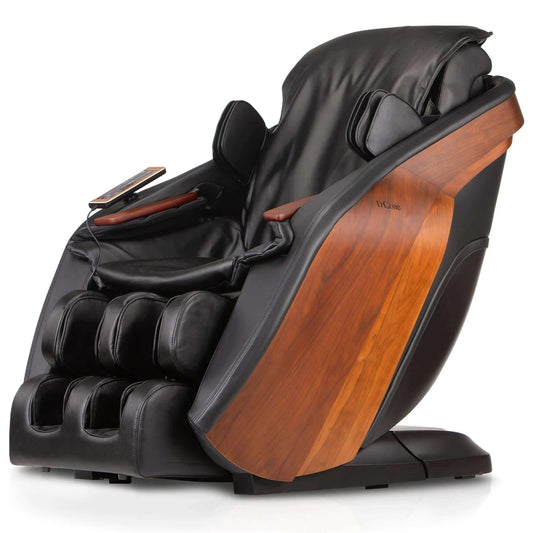
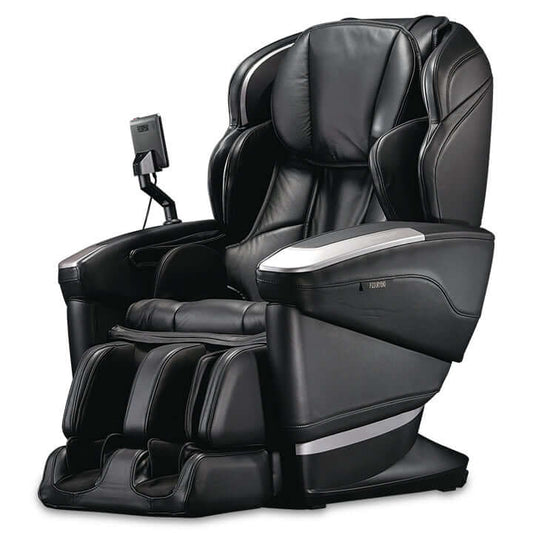

Synca Massage Chairs: Slide-Ready Blueprint Mapping Swedish, Shiatsu & Reflexology to Targeted Body Parts and Therapeutic Benefits
Introduction
This extended slide-ready blueprint dives deep into how Synca massage chairs map major massage techniques to targeted body parts and therapeutic benefits. Designed for product specialists, retail teams, therapists, content creators and SEO strategists, this article translates clinical reasoning into practical chair settings, demo scripts, UX cues and content marketing assets that drive conversions. Each section is presentation-ready: concise slide headings, actionable bullets, sample dialogue, and hands-on demo steps.
How to Use This Blueprint
- Audience: retail sales, clinicians, ecomm content teams, and customers researching therapeutic chairs.
- Format: use each h2 as a slide title, each list as slide content, and include visuals such as body maps, icons and short videos to increase engagement.
- Goal: educate on technique-to-body mapping, recommend Synca settings, outline safe use, and provide SEO-ready copy and FAQ for product pages.
Slide 1 — Executive Summary
- Topic: How Synca massage chairs translate Swedish, Shiatsu, Reflexology and allied techniques into precise outcomes for ankles, back, calves, feet, hands, head, heels, knees, legs, neck, shoulders, thighs, whole body and wrists.
- Outcome: Better customer understanding, higher trust, improved conversions and stronger SEO when pages map techniques to concrete benefits like pain relief, stress relief and improved mobility.
Slide 2 — Core Massage Techniques Overview
- Swedish Massage — long, gliding strokes to promote circulation and relaxation.
- Deep Tissue Massage — sustained, firm pressure to address deeper muscle layers and adhesions.
- Trigger Point Massage — focused pressure to deactivate hyperirritable spots that refer pain.
- Acupressure — sustained pressure on meridian or acupoints to influence nervous system response.
- Shiatsu Massage — rhythmic, targeted compression across acupoints and channels.
- Reflexology — zone-based stimulation on feet and hands that can influence systemic responses.
- Kneading — circular, compressive movements to improve tissue elasticity and circulation.
Slide 3 — How Synca Chairs Reproduce These Techniques
- Rollers and nodes emulate long gliding strokes, kneading and point pressure.
- Airbags provide rhythmic compression for shoulders, arms, hips, calves and feet.
- Heat elements support tissue warming and relaxation, improving tissue pliability.
- Vibration and percussion modes can augment Swedish or deep tissue patterns.
- Adjustable intensity, speed and targeted zones allow multi-technique layering.
Slide 4 — Swedish Massage: Details, Targets & Demo
Overview: Swedish is the go-to for general relaxation, circulation improvement and stress reduction. In a chair, rollers perform long, sweeping passes from neck to lower back and from hip to shoulder.
- Targeted body parts: Whole body, back, neck, shoulders, legs, hands and feet.
- Primary benefits: Stress relief, improved blood flow, reduced muscle tension, soft tissue warming and flexibility improvement.
- Recommended Synca settings: low-to-medium roller speed; long glide patterns; mild vibration under seat and foot area; heat on lumbar and calf zones for 8–12 minutes.
- Session length: 15–30 minutes for relaxation; 30–45 minutes when combined with other modalities.
- Demo script: 'Start on the full-body Swedish program. Notice long, calming strokes traveling along the spine. The combination of rollers and mild vibration improves circulation and reduces perceived stress.'
Slide 5 — Shiatsu: Details, Targets & Demo
Overview: Shiatsu focuses on pressure points using rhythmic compression and targeted nodes. It is excellent for addressing muscle tension tied to nervous system responses and has applications for neck, shoulders and spine comfort.
- Targeted body parts: Neck, shoulders, back, head and whole body meridian pathways.
- Primary benefits: Stress regulation, support for spinal comfort, deep tissue release and improved posture awareness.
- Recommended Synca settings: alternating deep and medium pressure cycles; concentrated lumbar and scapula node work; combine with low heat for myofascial release.
- Session length: 15–25 minutes for tension relief; shorter 10-minute bursts for acute tension spots.
- Demo script: 'Select Shiatsu focus. The nodes deliver rhythmic pressure to the shoulder blades and lumbar area. Encourage the user to adjust intensity slowly until they find therapeutic comfort.'
Slide 6 — Reflexology: Details, Targets & Demo
Overview: Reflexology in chairs targets the feet and hands, using rolling and point pressure to stimulate reflex zones that correspond to organs and systems. Ideal for people with standing jobs or plantar discomfort.
- Targeted body parts: Feet, heels, toes, ankles, hands and wrists.
- Primary benefits: Local fatigue relief, improved peripheral circulation, stress reduction, and support for systemic recovery when combined with full-body relaxation.
- Recommended Synca settings: foot roller patterns with oscillation; adjustable toe/heel intensity; alternating compression with gentle heat under soles.
- Session length: 10–20 minutes focused foot session; combine with a 20–30 minute full-body relaxation program.
- Demo script: 'Run the foot reflexology routine and point out heel-to-toe rollers. Explain how this offers immediate relief for tired feet and supports overall relaxation.'
Slide 7 — Deep Tissue: Details, Targets & Demo
Overview: Deep tissue settings use slower, firmer node pressure and sustained passes to reach deeper muscle layers. Best used judiciously and with gradual progression.
- Targeted body parts: Lower and upper back, shoulders, calves, thighs and large muscle groups.
- Primary benefits: Muscle therapy, pain relief, improved mobility, and support for injury recovery when used with clinical oversight.
- Recommended Synca settings: slow pass speed, higher node intensity, focused lumbar and gluteal work to address low back issues, alternate with lighter Swedish passes to flush metabolic waste.
- Session length: 10–20 minutes on a focused region; 20–40 minutes total when combined with softer modalities.
- Demo script: 'Engage the deep tissue lumbar program. Emphasize that intensity should be customized and increased incrementally. Recommend hydration and gentle stretching after the session.'
Slide 8 — Trigger Point: Details, Targets & Demo
Overview: Trigger point technique targets discrete nodules of muscle tightness that often refer pain. Chairs can mimic sustained pressure using pause-and-hold node functions and concentrated airbags for adjacent structures.
- Targeted body parts: Upper and lower back, neck, shoulders, calves and thighs where trigger points commonly reside.
- Primary benefits: Reduced referred pain, improved range of motion, localized pain relief and faster functional recovery.
- Recommended Synca settings: point pressure mode or targeted node hold; alternate compressions; follow with light kneading to enhance circulation.
- Session length: Short holds of 30–90 seconds per point within a 15–30 minute targeted program.
- Demo script: 'Use the trigger point program and demonstrate a single node hold on the upper trapezius. Explain the expected sensations and the need to avoid strong pain.'
Slide 9 — Acupressure: Details, Targets & Demo
Overview: Acupressure mode applies targeted pressure to acupoints to support autonomic regulation and symptom relief for headaches, neck tension and digestive discomfort.
- Targeted body parts: Head, neck, shoulders, feet, hands, wrists and ankles.
- Primary benefits: Nervous system modulation, stress relief, local pain reduction and improved circulation.
- Recommended Synca settings: steady point pressure nodes with timed hold cycles, combine with mild heat for improved effectiveness.
- Session length: 10–20 minutes depending on symptom focus.
- Demo script: 'Activate the acupressure routine and point to nodes corresponding to common headache points. Mention contraindications and advise physician consultation for chronic conditions.'
Slide 10 — Kneading: Details, Targets & Demo
Overview: Kneading uses circular, compressive motion to increase tissue pliability, break superficial adhesions and enhance lymphatic and venous return.
- Targeted body parts: Back, shoulders, calves, thighs, hands and forearms.
- Primary benefits: Improved muscle elasticity, reduced local stiffness, enhanced recovery after activity and reduced discomfort in repetitive strain areas.
- Recommended Synca settings: medium-to-high knead intensity with alternating left-right focus; combine with low vibration to mobilize tissues.
- Session length: 10–30 minutes depending on area and treatment goals.
- Demo script: 'Show kneading cycles on the calves and explain how they help athletes recover faster and reduce DOMS when used post-exercise.'
Slide 11 — Mapping Matrix: Technique to Body Part to Benefit (Expanded)
Below is a detailed mapping that can be used as a reference slide or printed handout.
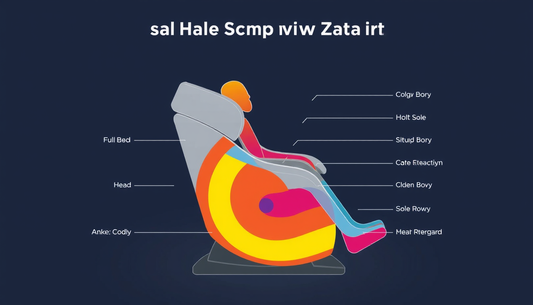
- Ankle: Reflexology, Acupressure — Benefits: Blood flow control, local pain relief, ankle mobility support. Settings: gentle foot rollers, targeted air compression, short hold acupressure.
- Back: Swedish, Shiatsu, Deep Tissue, Trigger Point, Kneading — Benefits: Spine alignment support, pain relief, muscle and tissue therapy. Settings: lumbar-focused rollers, alternating deep node cycles, intermittent heat, slow passes for deep work.
- Calf: Deep Tissue, Kneading, Trigger Point — Benefits: Muscle therapy, injury recovery, circulation improvement. Settings: calf airbags plus kneading rollers, moderate to high intensity, alternate compression rhythms.
- Feet & Heel: Reflexology, Swedish — Benefits: Fatigue relief, improved peripheral circulation, plantar comfort. Settings: heel rollers, toe stretch features, oscillating foot rollers with intensity control.
- Hands & Wrist: Acupressure, Kneading, Reflexology — Benefits: Reduced hand fatigue, circulatory support, local pain relief. Settings: hand airbags, small rollers and timed holds on palm zones.
- Head: Acupressure, Shiatsu — Benefits: Stress and headache relief, nervous system regulation. Settings: headrest pressure nodes, gentle rhythmic compression and short program durations.
- Knee: Trigger Point, Deep Tissue — Benefits: Pain relief, improved mobility and recovery support. Settings: targeted hold nodes around quadriceps and hamstrings, support with thigh airbags to offload the knee.
- Legs & Thighs: Swedish, Deep Tissue, Kneading — Benefits: Muscle therapy, flexibility improvement, circulation. Settings: full-leg airbags, thigh rollers, alternating kneading and compression cycles.
- Neck & Shoulder: Swedish, Shiatsu, Deep Tissue, Trigger Point — Benefits: Pain relief, posture support, reduced tension headaches. Settings: focused neck nodes, shoulder airbags, adjustable intensity and speed.
- Whole Body: Swedish, Shiatsu — Benefits: General relaxation, stress relief, circulation enhancement and improved functional mobility. Settings: full-body programs combining rollers, airbags and heat in sequence.
- Wrist: Acupressure, Reflexology — Benefits: Reduced wrist strain, improved local circulation, symptomatic relief for repetitive strain. Settings: hand/wrist airbags, gentle point pressure for palm zones.
Slide 12 — User Profiles & Recommended Protocols
Create buyer personas and prescribing protocols to guide purchases and help sales staff recommend the best programs.
- Office Worker with Neck Pain: daily 15-minute neck/shoulder Swedish or Shiatsu session plus weekly 20-minute deep tissue lumbar session. Emphasize desk ergonomics and stretching.
- Retail Worker on Feet: 10–15 minute reflexology sessions daily, plus 20-minute full-body Swedish once or twice weekly for recovery.
- Athlete Seeking Recovery: post-training 20–30 minute kneading and calf-focused deep tissue sessions, 2–4 times weekly with hydration and light stretching.
- Chronic Tension Case: start with low-intensity Shiatsu and Swedish combo 10–15 minutes daily, escalate intensity guided by comfort and clinician input; track progress with pain and ROM metrics.
Slide 13 — Sample 8-Week Progress Plan (Illustrative)
- Week 1–2: Acclimation — 10–20 minutes daily Swedish or gentle Shiatsu to establish comfort and habituation.
- Week 3–4: Targeted Intervention — introduce trigger point and deep tissue sessions 2x/week for problem areas; monitor soreness and hydration.
- Week 5–6: Consolidation — combine reflexology for feet and acupressure for headaches with ongoing tissue work; track ROM and pain scores weekly.
- Week 7–8: Maintenance — settle on a mixed program frequency that supports goals (e.g., 3 maintenance sessions weekly) and recommend periodic reassessment by a therapist if needed.
Slide 14 — Safety, Contraindications & Clinical Notes
- Common contraindications: recent surgery, active infection, deep vein thrombosis, uncontrolled hypertension, severe osteoporosis, pregnancy in some settings — always recommend physician clearance when in doubt.
- Practical safety tips: start at low intensity, use brief first sessions for new users, avoid prolonged deep tissue pressure without clinical advice, and always stop if sharp or worsening pain occurs.
- Aftercare: hydrate, perform gentle mobility exercises, and avoid strenuous activity for several hours after an intense session.
Slide 15 — Measuring Outcomes: What to Track in Demos
- Subjective scales: pre/post perceived pain (0–10), stress rating, relaxation score.
- Objective quick tests: cervical range of motion, sit-and-reach for hamstring flexibility, single-leg balance time for stability.
- Engagement metrics: demo time, conversion rate after in-store demo, bounce rate on product page, time on page for technique sections.
Slide 16 — Demo Scripts Expanded (Retail & Clinic Ready)
- Relaxation Demo (3 minutes): 'Hello, I’ll show you the full-body relaxation program. Notice the long strokes along your back and the coordinated foot rollers. Breathe deeply for 2 minutes and tell me how your neck tension changes.' Show pre/post relaxation score.
- Therapeutic Demo (5 minutes): 'Now we’ll try a lumbar deep tissue protocol. I’ll keep intensity low to start and you can tell me when to increase. After 3 passes, we’ll add warmth to the lumbar to loosen tissues.' Highlight safe progression.
- Foot Worker Demo (2–3 minutes): 'For people on their feet all day, our reflexology program reduces heel pressure and stimulates the entire sole. Note the heel rollers and pressure settings. Try the medium setting and report relief.'
- Customization Demo (3 minutes): 'Let me show the manual mode so you can choose nodes, speed and intensity. This is ideal for clients with sensitive areas or specific problem spots.'
Slide 17 — Content & SEO Playbook
Use structured content and schema to improve visibility and qualify traffic.
- Primary keyword: Synca massage chairs. Secondary and long-tail keywords: Synca Swedish massage program, Synca Shiatsu settings for neck, Synca reflexology for plantar fasciitis support, best Synca settings for lower back pain.
- On-page structure: H1 with product title, H2 sections per technique (as in this blueprint), H3 subsections for targeted body parts, lists for benefits and settings, FAQ with schema markup, and customer testimonials or case studies for social proof.
- Meta content examples: meta title — 'Synca Massage Chairs: Swedish, Shiatsu & Reflexology for Neck, Back & Feet'; meta description — 'Explore how Synca massage chairs map Swedish, Shiatsu and reflexology techniques to specific body parts for pain relief, stress reduction and better mobility. Settings, demo scripts and safety tips included.'
- Internal linking: link technique pages to product features, to research-backed articles on massage benefits, and to demo video pages. Use descriptive anchor text like 'Synca neck Shiatsu program' rather than generic 'click here'.
- Image optimization: use alt text such as 'Synca massage chair foot reflexology roller diagram' and include captions describing body part benefits.
- Schema recommendations: FAQ schema, Product schema with offers, HowTo schema for demo scripts, and Review schema for testimonials.
Slide 18 — SEO-Rich FAQ Suggestions (Expanded)
- Q: What Synca program helps with chronic neck pain? A: Shiatsu and focused neck trigger point programs are best for persistent neck tension; begin on low settings and increase gradually. Seek medical advice for severe or persistent pain.
- Q: Can Synca chairs help with plantar fasciitis or heel pain? A: Reflexology and targeted heel rollers can reduce local fatigue and soothe the sole. They support comfort but are not a substitute for medical therapy for diagnosed plantar fasciitis.
- Q: How often should I use deep tissue modes? A: Frequency depends on tolerance and goals. For acute issues, 2–3 times weekly with clinician guidance; for maintenance, 1–2 times weekly. Always allow recovery time between intense sessions.
- Q: Are Synca chairs safe for older adults? A: Many older adults benefit from gentle Swedish and acupressure programs. Avoid aggressive deep tissue modes with severe osteoporosis or frailty. Recommend physician clearance in uncertain cases.
Slide 19 — Marketing Assets & Conversion Tips
- Hero video: 45–90 second clip showing full-body program, close-ups of rollers, and a person reporting improved comfort post-session.
- Short vertical videos: 15–30 second clips focused on neck relief, foot recovery and athlete recovery for social channels and paid ads.
- Printable handout: one-page technique-to-body mapping for retail stores, summarizing settings, benefits and safety tips.
- Incentives: offer in-store trial appointments, limited-time free delivery and setup, and a 30-day satisfaction guarantee to reduce purchase friction.
Slide 20 — Case Studies & Anecdotal Scenarios
Use short anonymized scenarios to illustrate results and build trust in marketing materials.
- Case A — Retail worker with plantar fatigue: used foot reflexology 10 minutes daily for 3 weeks; reported reduced end-of-day soreness and improved energy while standing.
- Case B — Middle-aged office worker with chronic neck tension: progressed from daily 10-minute Swedish to targeted Shiatsu neck sessions twice weekly. After 8 weeks, reported fewer tension headaches and improved sleep quality.
- Case C — Amateur runner: two weekly deep tissue leg sessions plus post-run kneading reduced DOMS and improved perceived recovery time by 30% over 6 weeks.
Slide 21 — Maintenance, Cleaning & Warranty Notes
- Maintenance tips: wipe down upholstery after use with manufacturer-recommended cleaner, avoid liquids near control panels, and inspect rollers and airbag seams periodically.
- Replacement parts: note typical wear items like foot rollers and airbag modules — keep SKU references and ordering information handy in retail settings.
- Warranty: clearly display warranty length, what it covers and how to register the product to streamline future claims.
Slide 22 — Objection Handling Cheat Sheet
- Objection: 'It feels too intense.' Response: 'We can customize intensity, try a softer program and demonstrate gradual escalation. Many users prefer custom manual mode.'
- Objection: 'Is it safe for my condition?' Response: 'Recommend physician clearance, show the contraindications slide, and offer to tailor sessions to comfort levels.'
- Objection: 'What if it doesn’t help my pain?' Response: 'Offer a trial program, track results with simple pre/post metrics and highlight return policy or warranty support.'
Slide 23 — Content Calendar & Campaign Ideas
- Week 1: Publish long-form product page with technique mapping and FAQ schema.
- Week 2: Release 3 short demo videos (neck, feet, full body) and promote on social channels.
- Week 3: Run a paid campaign targeting keywords like 'massage chair for lower back pain' and 'best foot massage for standing jobs'.
- Ongoing: Monthly blog posts on single topics (e.g., 'Shiatsu vs Swedish for office workers') linking back to product pages.
Slide 24 — Downloadable Assets for Retail Staff
- One-page cheat sheet mapping techniques to body parts and exact Synca program names or settings.
- Printable pre/post self-assessment form for demos to collect lead data and track outcomes.
- QR code cards linking to demonstration videos and the product FAQ page for customers to take home.
Slide 25 — Final Checklist for In-Store Demos
- Confirm chair is in clean, calibrated state and demo mode enabled.
- Have quick consent and contraindication checklist available for demo participants.
- Record pre/demo subjective comfort scores and a brief objective test if appropriate.
- Offer tactile controls and hand off remote for personalization during the demo.
- Capture consented contact info for follow-up offers, and provide a printed summary of the recommended program.
Conclusion
This expanded blueprint empowers sales teams, clinicians and content creators to deliver clear, evidence-informed messaging that maps Synca massage chair techniques to targeted body regions and tangible therapeutic outcomes. Pair this content with strong visuals, demo videos, FAQ schema and in-store measurement tools to increase conversions and position Synca as an informed, user-centric brand.
Call to Action
- Suggested next steps: implement the one-page technique mapping in retail, create 3 short demo videos (neck, feet, lower back) and deploy FAQ schema on product pages.
- Offer: adapt the 8-week progress plan into an email nurture sequence for new buyers and in-store trial leads to improve long-term satisfaction and referrals.
Tags:
Previous
Synca Massage Chairs Presentation Guide: Mapping Massage Techniques & Benefits to Targeted Body Parts (Ankle, Neck, Back, Feet & Whole Body)
Next
Clinician-Ready Presentation: Synca Massage Chair Techniques & Benefit Mapping for Ankles, Neck, Feet and Whole-Body Recovery