
Synca Massage Chair Presentation Deck: Match Swedish, Deep-Tissue, Shiatsu & Reflexology Protocols to Ankles, Neck, Back, Feet and Whole-Body Benefits
Introduction
This extended presentation-style article provides a comprehensive, SEO-focused guide to using Synca massage chairs to replicate professional massage techniques and deliver measurable benefits to targeted body parts: ankles, back, calf, feet, hands, head, heel, knee, legs, neck, shoulder, thigh, whole body, and wrist. It explains how Swedish, Deep Tissue, Trigger Point, Acupressure, Shiatsu, Reflexology, and Kneading techniques map to chair features and practical protocols for home, clinic, retail demos and sports recovery in 2025.
Why This Deck Matters
- Bridges clinical massage methods and consumer-facing technology to maximize perceived and objective outcomes.
- Equips sales teams, wellness clinicians, product trainers and users with repeatable, safe protocols that highlight the Synca chair's strengths.
- Optimizes messaging and assets for search engines using high-value keyword themes around pain relief, foot reflexology, neck and shoulder solutions, whole-body recovery and chair comparison queries.
Core Massage Techniques Explained
- Swedish Massage: Long, flowing strokes (effleurage), light-to-medium pressure, strokes and kneading to stimulate circulation and relaxation. Ideal for whole-body warm-up and tension release.
- Deep Tissue Massage: Slow, focused pressure to break up adhesions and chronic muscle tension; applied carefully to avoid pain and monitor response.
- Trigger Point Massage: Targeted, sustained pressure to hyperirritable knots to reduce referred pain.
- Acupressure: Firm, localized pressure on meridian points to influence systemic balance and symptom relief.
- Shiatsu: Rhythmic, compressive techniques often combined with stretching to influence energy channels and flexibility.
- Reflexology: Systemic approach focusing on feet and hands to stimulate organs and improve circulation via mapped reflex zones.
- Kneading: Circular compressive motions to soften, warm and mobilize muscle tissue for improved flexibility and relief.
Synca Chair Technologies: What Makes Each Technique Possible
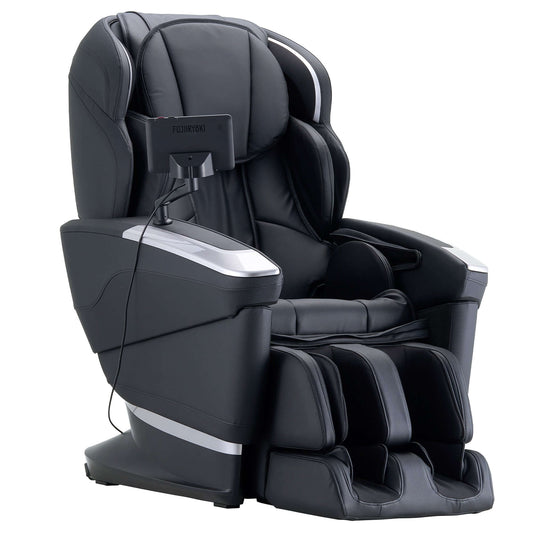
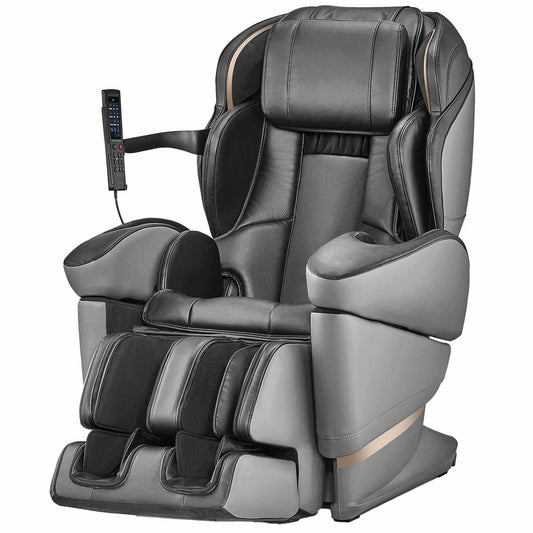
- Roller Tracks (S-track / L-track): Follow spinal curvature and extend under the glutes for full posterior chain coverage; critical for deep tissue and Swedish strokes across the back.
- Airbag Compression Systems: Multi-zone airbags replicate kneading and compression for shoulders, arms, hips, calves and feet; excellent for edema control and circulation.
- Foot Rollers & Reflex Nodes: Precision rollers and nodal textures target plantar points, facilitating reflexology protocols and heel/arch relief.
- Adjustable Intensity & Speed: Fine control to scale from gentle Swedish to firm deep-tissue simulations.
- Integrated Heat: Enhances tissue pliability, circulation and comfort in lumbar and leg regions.
- Zero Gravity & Recline Positions: Offloads the spine, enhances blood flow and increases the effectiveness of deep tissue and decompression techniques.
- Pre-Programmed Modes & Customization: Programmable timers and memory slots for repeatable clinical or retail demo routines.
Target Body Parts: Goals and Primary Techniques
Design protocols by pairing body-part goals with the technique best suited to achieve them:
- Neck & Shoulder: Goal: reduce tension, decrease headache frequency, improve ROM. Techniques: Shiatsu, Trigger Point, Swedish glides.
- Upper Back & Thoracic: Goal: posture support and pain relief. Techniques: Deep Tissue, Kneading, Swedish.
- Lower Back & Lumbar: Goal: spinal decompression support and pain management. Techniques: Deep Tissue, Kneading, heat application.
- Hips & Glutes: Goal: relieve sciatic referral, improve mobility. Techniques: Deep Tissue, Kneading, strategic airbags.
- Hamstrings, Thighs & Calves: Goal: recovery, flexibility, edema control. Techniques: Kneading, Air Compression, Swedish strokes.
- Ankles, Feet & Heels: Goal: plantar pain relief, circulation, reflex benefits. Techniques: Reflexology, Acupressure, Foot Rollers.
- Hands & Wrists: Goal: reduce stiffness and improve dexterity. Techniques: Acupressure, light kneading.
- Whole Body: Goal: stress reduction, improved blood flow, systemic recovery. Techniques: Swedish flow, full-airbag compression cycles, reflexology finish.
Detailed Protocol Library (Per Body Part)
Each protocol includes session goals, technique mix, chair settings and measurable outcomes. Use these as templates and adapt intensity/duration by user feedback.
Neck & Shoulder Intensive (8–12 minutes)
- Goal: Immediate tension relief, short-term headache mitigation, improved cervical mobility.
- Technique Mix: Shiatsu (3–4 min) > Trigger Point bursts (2–3 min) > Swedish glide finish (2–3 min).
- Chair Settings: Targeted neck nodes at medium-high intensity, airbags on shoulders at cyclical compression, heat off if user complains of dizziness or sensitive skin.
- Metric: Pre/post session visual analog scale (VAS) for neck pain and subjective ROM test (head rotation degrees or difficulty turning).
- Notes: Avoid aggressive pressure over carotid area and start lower intensity for older users or those with cervicogenic dizziness.
Upper Back & Thoracic Protocol (6–10 minutes)
- Goal: Reduce thoracic stiffness, improve posture and breathing comfort.
- Technique Mix: Deep Tissue rollers along mid-back (4 min) > Kneading (2–3 min) > Airbag stretch cycles focusing on scapular area (2 min).
- Chair Settings: S-track rollers, moderate-to-high intensity, heat optional for tissue warming.
- Metric: Improved scapular retraction feel and decreased upper-back tightness on VAS.
Lower Back & Lumbar Recovery (8–15 minutes)
- Goal: Support spinal alignment, reduce chronic low-back soreness, assist mobility.
- Technique Mix: Deep Tissue lumbar rollers (6–8 min) > Lumbar kneading with heat (3–4 min) > Gentle Swedish glide for finish.
- Chair Settings: L-track, heat on low-to-medium, zero gravity mid-angle to decompress vertebrae.
- Metric: Reduction in sitting pain after 1–2 weeks and improved forward bend by centimeters.
- Safety: Contraindicated for acute fractures, recent spinal surgery, severe osteoporosis — recommend medical clearance.
Glutes, Hips & Sciatic Relief (6–12 minutes)
- Goal: Reduce referral pain, relax piriformis and hip flexors, support gait.
- Technique Mix: Deep kneading on gluteal/hip pockets (4–6 min) > Trigger point bursts for piriformis (1–2 min) > Airbag hip compression for lymphatic flow.
- Chair Settings: L-track contact under glutes, medium intensity airbags, short duration to monitor nerve sensitivity.
- Metric: Symptom diary for radicular pain intensity and walking tolerance.
Hamstrings, Thighs & Calf Recovery (6–10 minutes)
- Goal: Accelerate recovery after training, reduce DOMS, improve flexibility.
- Technique Mix: Warm Swedish flow to thighs (2–3 min) > Intense kneading on hamstrings and calves (3–5 min) > Pulsed air compression to reduce edema.
- Chair Settings: Airbag sequence for thighs/calves, medium-to-firm kneading intensity, optional heat.
- Metric: Decrease in perceived muscle tightness and quicker return-to-training times.
Ankle, Heel & Foot Protocol (8–12 minutes)
- Goal: Plantar fasciitis support, reduced heel pain, improved circulation and balance from reflexology stimulation.
- Technique Mix: Reflexology foot rollers targeting heel and arch (4–6 min) > Acupressure nodes on toes and metatarsal heads (2–3 min) > Airbag ankle compression (2–3 min).
- Chair Settings: Firm foot roller intensity with alternating speeds; repeat cycles for thorough coverage.
- Metric: Reduced morning heel pain scores and improved single-leg balance duration.
- Safety: Avoid intense pressure directly on acute plantar lesions or open wounds.
Hands & Wrist Relief (4–6 minutes)
- Goal: Reduce stiffness, improve circulation for repetitive strain (typing), alleviate minor tendon discomfort.
- Technique Mix: Light kneading, acupressure on palm and wrist zones, rhythmic compression pockets (3–4 min).
- Chair Settings: Low-intensity airbags, short cycles.
- Metric: Subjective dexterity improvement and decreased morning stiffness.
Head & Scalp Relaxation (3–5 minutes)
- Goal: Short-term headache relief, deep relaxation, improved sleep onset.
- Technique Mix: Gentle shiatsu nodes at base of skull and upper cervical glides, followed by Swedish glide across shoulders.
- Chair Settings: Low intensity, no heat, brief duration to avoid blood pressure changes in sensitive users.
- Metric: Headache intensity and sleep latency measures.
Whole-Body Signature Routines (15–40 minutes)
Design multi-zone routines for different intents: Relaxation, Recovery, Energizing, and Pre-Sleep.
- Relaxation (20–30 min): Swedish full-body warm-up (6–8 min) > Shiatsu neck/shoulder focus (6 min) > Deep lumbar kneading with heat (5–6 min) > Foot reflexology finish (4–6 min).
- Recovery (25–40 min): Targeted deep tissue on legs and back (12–16 min) > Air compression cycles for limbs (6–8 min) > Light Swedish finish to circulate blood (6–8 min).
- Energizing Quick-Boost (12–15 min): Fast Swedish strokes for circulation (6–8 min) > Pulsed foot and calf compression (4–6 min) > Shoulder perk-up via airbags (2–3 min).
- Pre-Sleep Wind-Down (30–40 min): Slow Swedish tone down (8–10 min) > Gentle shiatsu for neck and shoulders (6–8 min) > Full-body airbags and low heat (12–15 min) to reduce sympathetic arousal.
Session Timing & Frequency Recommendations
- Maintenance: 10–20 minutes, 3–5 times per week for general well-being and circulation.
- Recovery Phase: 20–40 minutes, 4–7 times per week for athletes or injury rehabilitation under guidance.
- Deep Tissue Focus: Limited sessions—2–3 times per week with at least a day in between to monitor tissue response.
- Trial/Demo Sessions (Retail): 7–12 minutes showcasing neck/shoulder and foot protocols for maximum conversion.
Measuring and Documenting Outcomes
Simple, repeatable metrics help prove value and optimize routines.
- Subjective Scales: VAS for pain (0–10), Stress scales and sleep quality ratings pre/post session and over time.
- Objective Mobility Tests: Neck rotation degrees, fingertip-to-floor distance, sit-to-stand time improvement for older users.
- Recovery Markers: Time-to-walk or run comfortably post-exercise, reduction in DOMS by day 2.
- Engagement and Conversion Data: Demo-to-sale conversion rates, average session length in retail, and repeat-use frequency for owners.
Sales & Demo Scripts — High-Converting Messaging
Use scripted language to highlight immediate benefits and safety, tailored to the prospect's pain points.
- Opening: "Do you experience neck stiffness or tired feet after a long day? This model replicates Swedish flow for relaxation and precise foot rollers for plantar relief—most people notice a difference within a 7–12 minute demo."
- During Demo: "I'll start with a gentle neck and shoulder program—tell me if any pressure feels too strong. Next we'll finish with foot reflexology so you can feel systemic relaxation."
- Close: "If your goal is daily relaxation and better recovery after workouts, our recommended routine is 15–25 minutes, 4 times a week. We also include follow-up resources and adjustable settings for comfort."
Training & Onboarding for Clinicians and Retail Staff
- Module 1 — Chair Tech 101: Anatomy of rollers, airbags, heat, and track types. 60–90 minute hands-on session.
- Module 2 — Protocol Design: How to build 5–10 minute demo scripts and 20–30 minute recovery sequences. Case studies and role play.
- Module 3 — Contraindications & Escalation: Recognize red flags and direct users to medical care if needed.
- Module 4 — KPI Tracking: How to log demos, sales conversion and customer feedback to refine scripts and settings.
Troubleshooting & Optimizing Comfort
- Users feel too much pressure: Reduce roller intensity, slow speed or switch to a Swedish glide mode; lower airbag pressure.
- Heat feels too strong: Lower heat or turn it off; introduce heat only after a few minutes of low-intensity rolling.
- Foot rollers uncomfortable on sensitive feet: Reduce intensity, use socks, or alternate with air compression-only cycles.
- Claustrophobic users: Offer semi-reclined positions and explain cycle durations in advance to reduce anxiety.
Customization & Personalization Strategies
- Save user preferences: Use memory programs for repeat customers with individualized intensity and duration settings.
- Age and fitness adjustments: Lower intensity for seniors; stronger, longer sessions for trained athletes.
- Seasonal changes: Increase circulation-focused modes in colder months; recovery-focused modes during training seasons.
Content & SEO Recommendations (2025)
To rank well and attract buyers, combine authoritative content, targeted keywords and conversion-focused assets.
- Primary Keywords: Synca massage chair, Synca chair protocols, best massage chair for neck pain, foot reflexology chair, deep tissue massage chair.
- Long-Tail Keywords: "Synca massage chair plantar fasciitis protocol", "how to use Synca chair for sciatica relief", "Synca chair neck and shoulder settings for office workers".
- On-Page Tips: Use descriptive H1/H2 tags, alt text for images (e.g., "Synca L-track rollers for lumbar decompression"), structured data for product demos and FAQs.
- Content Assets: Video demonstrations, downloadable PDFs, 1-page cheat sheets, customer testimonials with before/after metrics, and clinician endorsements or pilot study summaries.
- Local SEO: Optimize for "massage chair demo [city]" and "Synca chair showroom near me" for in-store conversions.
Sample Marketing Assets
- 30–60 second social video: "Neck Relief in 60 Seconds" showing neck protocol highlights with captions and CTA to book a demo.
- Blog Series: "7 Days to Better Sleep with Your Synca Chair" linking to protocols and user journals.
- Email Drip: 5-part onboarding series for new owners: Quick-start, Weekly Routine, Pain Management, Advanced Settings, Maintenance tips.
- Printable Cheat Sheet: Quick protocols for Neck, Back, Feet and Whole Body with suggested durations and intensity presets.
Case Studies & Pilot Program Examples
When possible, capture small pilot studies to demonstrate efficacy and iteratively refine protocols.
- Sports Team Pilot: 12 athletes used Recovery mode post-practice for 2 weeks. Metrics tracked: perceived muscle soreness, performance readiness, and sleep quality.
- Office Wellness Trial: 30 employees used a 10-minute Energizing routine before afternoon work sessions for 30 days. Metrics: self-reported productivity, neck pain scores, and demo-to-purchase lead generation.
- Retail A/B Demo: Two demo scripts tested — neck+foot vs. full-body quick-relief — to measure which converts better in 7–12 minute trials.
Legal, Safety & Medical Disclaimer
This deck and the protocols provided are for general wellness and educational purposes only and do not constitute medical advice. Users with the following should consult a healthcare professional before using intensive massage chair settings:
- Pregnancy (especially first trimester and special conditions)
- Active infections, open wounds, or skin disorders
- Recent fractures, surgeries or implants in the treated area
- Known blood clotting disorders, deep vein thrombosis (DVT) or uncontrolled hypertension
- Severe osteoporosis or implanted cardiac devices if the user is unsure about compatibility
Always stop a session if the user experiences sharp, worsening pain, dizziness, blurred vision, difficulty breathing or other acute symptoms. Advise medical consultation in such cases.
Maintenance & Care for Optimal Performance
- Weekly: Wipe leather with manufacturer-recommended cleaner and inspect rollers for debris.
- Monthly: Run a full diagnostic self-check and cycle all airbags and rollers through each program to confirm function.
- Annually: Professional service for belt tension, electronics check and software updates where applicable.
- Storage and Use: Avoid prolonged use at maximum intensity without breaks. Ensure chairs are used according to weight and usage guidelines.
Competitive Positioning & Buying Guide
When advising shoppers, highlight Synca strengths that align with the buyer's goals.
- For Pain Management: Emphasize L-track rollers, strong deep-tissue settings and heat in lumbar regions.
- For Foot & Reflexology Focus: Emphasize advanced foot rollers, heel nodes and detailed reflexology programs.
- For Athletes: Emphasize air compression sequencing, recovery programs and memory settings for repeatability.
- For Everyday Relaxation: Emphasize Swedish flow programs, full-body airbags and pre-set relaxation modes.
Frequently Asked Questions (FAQ)
- Q: How long should a first-time user run a Synca chair? A: 5–10 minutes on a gentle Swedish mode to assess comfort, then gradually increase up to 20 minutes as tolerated.
- Q: Can Synca chairs replace a massage therapist? A: They complement hands-on therapy by providing consistent, repeatable maintenance and recovery benefits but do not replace clinical hands-on assessment and treatment when specific medical conditions are present.
- Q: Which mode is best for plantar fasciitis? A: Reflexology foot rollers combined with acupressure nodes and calf compression—low-to-medium intensity with gradual progression.
- Q: Is deep tissue mode safe for older adults? A: Use with caution; start at low intensity and consult a clinician if there are comorbidities like osteoporosis or circulatory disorders.
Suggested Meta Description & Social Copy
Meta Description: "Learn how to match Swedish, Deep-Tissue, Shiatsu and Reflexology protocols on Synca massage chairs to target ankles, neck, back, feet and whole-body benefits. Full presentation deck, protocols, demo scripts and safety guidance for 2025."
- Twitter/LinkedIn Post: "New: Synca chair presentation deck — exact protocols to relieve neck, back & foot pain. Demo scripts, metrics & safety tips for clinics and home users. #massagechair #recovery"
- Instagram Caption: "From neck relief to plantar pain support — our Synca chair protocol guide shows how to get the most from every massage mode. Link in bio for full deck and video demos. #wellness #recovery"
Visuals, Assets & Landing Page Structure
Pair written content with high-quality visuals to increase engagement and conversions.
- Hero Video: 60-second overview showing neck, back and foot protocols.
- Protocol Demo Clips: 30–90 second segmented videos for each body-part routine.
- Infographics: One-page cheat sheets for "Neck & Shoulders in 10 Minutes" and "Foot Reflexology 7-Minute Protocol."
- Landing Page Structure: Hero, Why Synca, Protocol Highlights, Video Demos, Case Studies, FAQ, Downloadable PDF, CTA to book in-store demo.
Examples of Real-World Use Cases
- Busy Professionals: 12-minute Energizing sessions midday to reduce neck stiffness and boost focus.
- Runners: Post-run Recovery routine focusing on calves and hamstrings to reduce soreness and improve next-day performance.
- Elder Care Facilities: Low-intensity circulation routines for lower-limb edema management under medical guidance.
Appendix: Quick-Start Cheat Sheet (Printable)
- Neck & Shoulder Quick: Shiatsu 3 min + Swedish glide 3 min — intensity medium.
- Back Relief Quick: Deep Tissue lumbar 5 min + heat 3 min — L-track setting.
- Foot & Heel Quick: Reflexology rollers 6 min + ankle compression 3 min — repeat 2 cycles.
- Whole-Body Quick: Swedish 6 min + Airbag full-body 6 min + Foot finish 4 min.
Closing Summary & Call to Action
This extended presentation deck brings professional massage knowledge into practical, repeatable Synca chair protocols designed to deliver measurable benefits for ankles, neck, back, feet and whole-body wellness. Use the provided routines, training scripts, KPI suggestions and safety guidance to run effective demos, support clinical pilots and increase owner satisfaction. For sales teams, clinicians and content creators: produce short videos of each protocol, collect simple pre/post metrics, and iterate based on feedback to maintain high conversion and long-term retention.
Next Steps
- Download the printable protocol PDF and demo scripts for in-store use.
- Create 30–60 second demo videos for top-performing routines: neck+shoulder, lumbar deep tissue, and foot reflexology.
- Run a 2-week pilot with a small cohort to collect before/after metrics and testimonials.
- Update your landing page with structured FAQ markup and video snippets for SEO lift.
Final Legal Reminder
Information in this article is educational and not a substitute for professional medical advice. Encourage users to consult qualified healthcare providers for diagnosis and treatment of medical conditions before using intensive modes. If adverse symptoms occur, stop using the chair and seek medical attention.
Tags:
Previous
Fujiiryoki Massage Chair Presentation: Protocols & Benefits — Mapping Shiatsu, Deep Tissue, Reflexology and Acupressure to Ankles, Neck, Back and Whole-Body Recovery
Next
Presentation-Ready Guide: How Synca Massage Chairs Use Swedish, Shiatsu & Reflexology to Target Ankles, Neck & Whole‑Body for Pain Relief, Circulation & Recovery