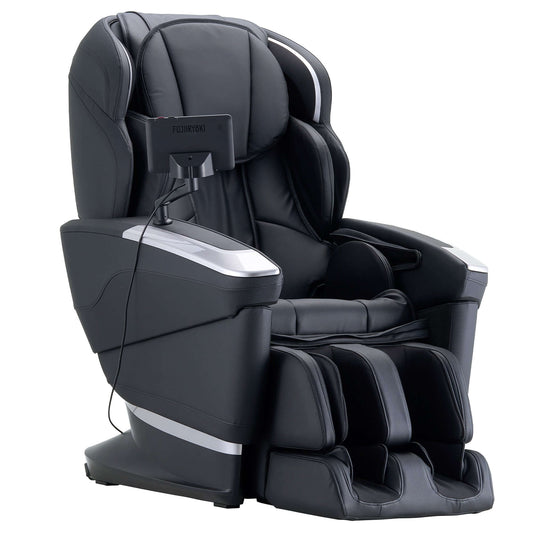
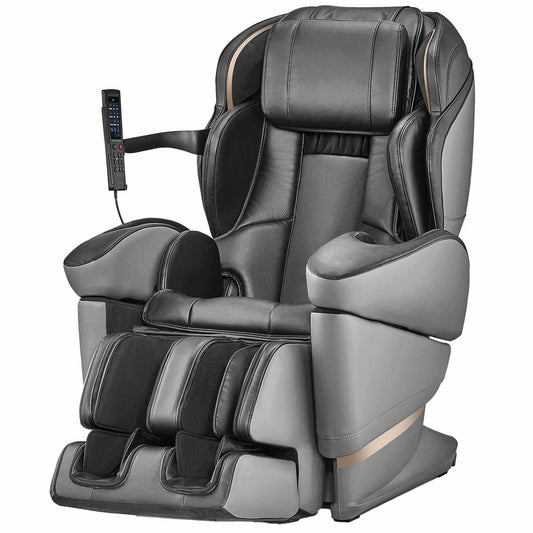
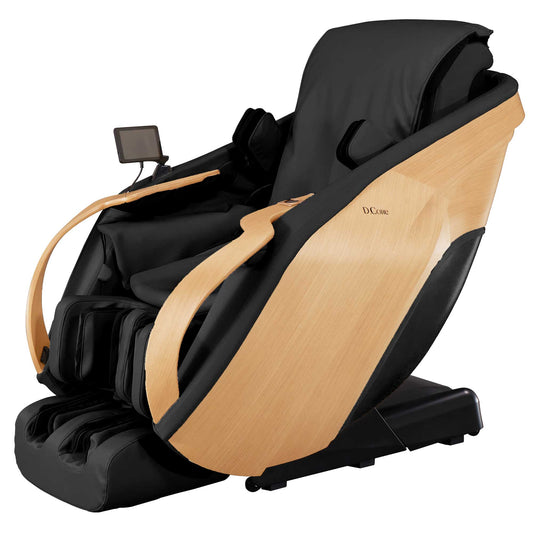
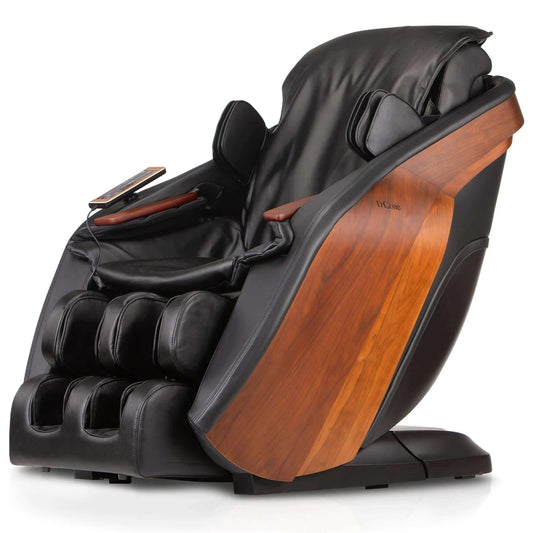
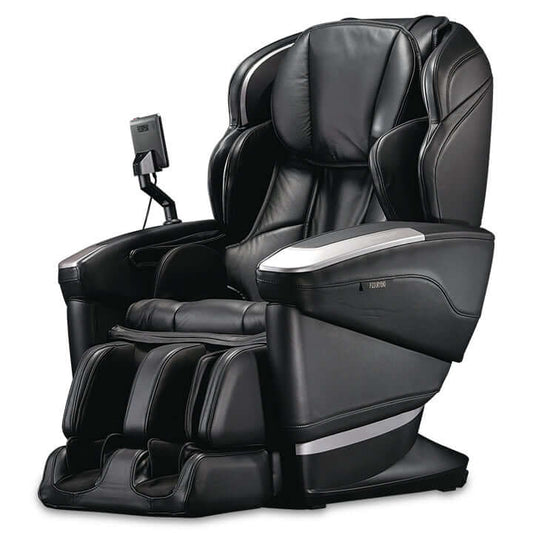

Fujiiryoki Massage Chair Presentation: Protocols & Benefits — Mapping Shiatsu, Deep Tissue, Reflexology and Acupressure to Ankles, Neck, Back and Whole-Body Recovery
Introduction — A Deep-Dive Presentation on Fujiiryoki Recovery Protocols
Fujiiryoki massage chairs are designed to reproduce professional massage techniques with precision and repeatability. This extended presentation-style article explains how to map Shiatsu, deep tissue, reflexology and acupressure to specific body parts, outlines protocols for recovery and performance, and presents practical, evidence-informed guidance for creating safe, effective sessions targeted at ankles, neck, back and whole-body recovery.
Why Fujiiryoki Chairs Are Ideal for Protocolized Recovery
- Mechanical consistency: rollers, airbags and heat deliver reproducible pressure and patterns that can be programmed into repeatable protocols.
- Multimodal therapy: combination of kneading, rolling, percussion, air compression and heat allows a mix of Swedish, Shiatsu, deep tissue and reflexology work.
- User control: intensity, focus area and duration can be precisely adjusted, supporting progressive overload and recovery monitoring.
- Accessibility: non-therapists can apply therapeutic patterns at home, improving adherence to recovery plans.
Key Massage Techniques and Mechanisms
Understanding what each technique does physiologically makes it easier to map them to outcomes.
- Shiatsu: rhythmic, sustained pressure along meridian lines. Mechanism: stimulates mechanoreceptors, promotes relaxation via parasympathetic activation and may help modulate pain pathways.
- Deep Tissue Massage: slow, firm pressure targeting deeper muscle layers and fascia. Mechanism: breaks adhesions, improves tissue mobility and facilitates local blood flow increases.
- Swedish Massage: long effleurage strokes and stroking patterns. Mechanism: increases venous return, warms tissue and promotes general relaxation.
- Trigger Point Therapy: focused pressure to deactivate hyperirritable spots. Mechanism: temporarily alters local nociceptor and neuromuscular behavior, often followed by reduced referred pain.
- Acupressure: sustained point pressure similar to Shiatsu but often focused on clinically described points. Mechanism: stimulates local and systemic reflexes that can reduce pain and autonomic arousal.
- Reflexology: pressing zones on feet and hands that correlate with other body systems. Mechanism: stimulates peripheral nerves and promotes systemic relaxation, often used as adjunctive therapy.
- Kneading: cyclical lifting and rolling of muscle tissue. Mechanism: increases capillary perfusion, loosens adhesions and raises tissue temperature for flexibility gains.
Core Benefits and How Chairs Deliver Them
- Blood flow control: rollers and calf airbags create a mechanical pump effect, improving venous return and microcirculation.
- Fatigue relief: rhythmic, low-frequency stimulation and vagal activation reduce perceived fatigue and help transition to restorative states.
- Flexibility improvement: warming plus targeted deep release increases tissue extensibility and joint range of motion.
- Injury recovery: controlled mechanical loading supports tissue remodeling when used after the acute inflammatory phase and combined with gradual exercise loading.
- Muscle therapy: repeated kneading and trigger point work reduces myofascial restrictions and restores functional muscle length.
- Pain relief: local and referred pain may reduce via gate control mechanisms, altered nociceptive signaling and decreased muscle tone.
- Spine alignment support: decompressive features and paraspinal rollers can reduce chronic postural tension and support spinal mechanics.
- Stress relief: parasympathetic activation through soft touch and rhythmical patterns lowers cortisol and supports sleep.
- Tissue therapy: heat and kneading enhance lymphatic flow and nutrient exchange in soft tissues.
How to Match Technique to Target and Outcome
Below are practical mappings you can use to design a session quickly.
- Ankles, heels and feet: prioritize reflexology, acupressure and gentle kneading. Use air compression to reduce edema.
- Calves and shins: kneading and deep rolling plus intermittent air compression to improve venous return and relieve DOMS.
- Knees and surrounding tissues: deep tissue and trigger point work on quadriceps and hamstrings to optimize knee mechanics; avoid direct high-pressure work on inflamed joint surfaces.
- Hands and wrists: acupressure, light kneading and reflexology to decrease repetitive strain symptoms and improve microcirculation.
- Neck and shoulders: Shiatsu and targeted deep tissue with careful intensity control; include traction and decompression where available.
- Upper and lower back: paraspinal rolling, Shiatsu compression and targeted deep tissue for muscle release and posture improvement.
- Whole body: sequence from Swedish-style full-body kneading into deeper, focused work, finishing with soothing reflexology and low-intensity decompression.
Detailed Protocols for Each Targeted Body Part
The following protocols are designed for Fujiiryoki chairs equipped with rollers, airbags and heat. Adjust duration and intensity by user tolerance and clinical guidance.
Ankles and Heels Protocol
- Purpose: reduce plantar tension, manage mild swelling, promote foot recovery.
- Duration: 8 to 15 minutes.
- Settings: low to medium intensity, heat on low.
- Steps:
- Start with gentle foot rollers to warm plantar fascia and heel pad for 2 minutes.
- Apply point pressure to central heel and medial longitudinal arch with reflexology pads for 2 to 3 minutes.
- Use ankle air compression cycles to gently compress and release around malleoli to encourage lymphatic drainage for 2 to 4 minutes.
- Finish with slow kneading along Achilles tendon and light dorsiflexion-assisted passive movement if the chair provides it.
- Contraindications: acute Achilles rupture, open wounds, suspect deep vein thrombosis.
Feet and Calves Protocol
- Purpose: relieve plantar fasciitis symptoms, reduce calf tightness and encourage venous return.
- Duration: 10 to 18 minutes.
- Settings: medium intensity for calves, rolling plus compression cycles.
- Steps:
- Begin with calf airbags cycling to stimulate venous return for 2 to 3 minutes.
- Activate deep kneading and rolling on the gastrocnemius and soleus for 4 to 6 minutes, alternating with foot reflexology work.
- Introduce focused point work under the foot arch and along metatarsal heads to address plantar tension.
- End with cyclic compression and light heat to consolidate perfusion gains.
Knees and Thighs Protocol
- Purpose: reduce quadriceps and hamstring tightness, support knee alignment and recovery.
- Duration: 12 to 20 minutes.
- Settings: medium to firm intensity; avoid direct pressure on inflamed joints.
- Steps:
- Warm thigh musculature with broad kneading for 3 to 4 minutes.
- Apply focused deep roller work to quadriceps and hamstring bellies for 5 to 7 minutes, pausing on trigger points for sustained pressure of 20 to 30 seconds.
- Use light air compression around the knee to stimulate lymphatic flow and reduce joint swelling for 2 to 3 minutes.
- Finish with long Swedish-like strokes from hip to knee to promote circulation and reduce residual soreness.
Hands and Wrists Protocol
- Purpose: relieve repetitive strain, decrease median nerve tension and reduce hand stiffness.
- Duration: 5 to 10 minutes.
- Settings: low to medium intensity with targeted point pressure.
- Steps:
- Begin with gentle hand compression and palm rollers for 1 to 2 minutes.
- Use acupressure points around the base of the thumb and center of the palm for 30 seconds to 1 minute each.
- Cycle light kneading across the wrist extensors and flexors by alternating compression and release.
- Finish with passive wrist extension-flexion guided by the chair if available, combined with warmth.
Neck and Shoulders Protocol
- Purpose: relieve cervical tension, reduce headache triggers and improve mobility.
- Duration: 12 to 22 minutes.
- Settings: start low and progress; avoid high-intensity direct cervical force.
- Steps:
- Start with heat to the cervical region for 2 to 3 minutes to increase tissue pliability.
- Apply Shiatsu compression along known cervical meridians and upper trapezius for 4 to 6 minutes.
- Introduce deeper paraspinal rollers across the upper back, avoiding direct pressure on the cervical vertebrae, and apply trigger point compression to areas of tightness for brief intervals.
- If available, use gentle traction or decompression pauses to relieve nerve root pressure followed by rhythmic kneading to reduce guarding.
Upper Back and Spine Protocol
- Purpose: reduce thoracic stiffness, support breathing mechanics and postural alignment.
- Duration: 15 to 25 minutes.
- Settings: medium intensity, rollers following spinal curvature, heat on medium.
- Steps:
- Begin with slow long strokes along the thoracic paraspinals to warm tissue for 3 to 4 minutes.
- Apply alternating Shiatsu compression and rolling along the S-curve of the back to address paraspinal knots.
- Use broad kneading across the scapular region to release upper back tension and improve scapulo-thoracic mobility.
- Finish with light percussion or vibration if available to encourage blood flow and reduce residual stiffness.
Lower Back and Lumbar Protocol
- Purpose: alleviate lumbar muscle tightness, support spinal mechanics and reduce low-back pain.
- Duration: 10 to 18 minutes.
- Settings: medium intensity, heat strongly recommended for chronic stiffness but avoid heat in acute inflammatory phases.
- Steps:
- Start with sustained heat for 2 to 3 minutes to enhance tissue extensibility.
- Apply focused deep kneading to lumbar paraspinals for 4 to 6 minutes, pausing at trigger points for 20 to 30 seconds.
- Use sacral compression cycles to ease pelvic tension and support sacroiliac mobility.
- Finish with slow decompressive pauses and gentle full-back rollers to distribute relaxation.
- Contraindications: acute disc herniation with neurological signs, severe osteoporosis without clinician approval.
Whole-Body Recovery Protocols and Progressions
Whole-body sessions integrate local release with systemic recovery drivers. Use these templates and progress over weeks to track improvements.
- Starter Recovery Session, 30 minutes
- Warm-up: 4 minutes of low-intensity Swedish kneading across back and thighs.
- Focus: 10 minutes of Shiatsu in neck and shoulders; 6 minutes of foot reflexology and calf compression.
- Finish: 10 minutes of low-intensity full-body kneading, heat and cyclic decompression.
- Goal: parasympathetic activation, decreased perceived stiffness.
- Athletic Recovery Session, 45 minutes
- Warm-up: 5 minutes targeted calf and hamstring kneading with air compression.
- Focus: 15 minutes deep tissue work on thighs, glutes and lower back, with intermittent trigger point release.
- Recovery phase: 10 minutes reflexology and foot rolling, ending with 10 minutes low-intensity full-body Swedish work.
- Goal: reduce DOMS, support soft tissue repair and restore range of motion.
- Nighttime Restorative Session, 40 minutes
- Warm-up: gentle low-heat full-body kneading for 5 minutes to prime relaxation.
- Focus: extended Shiatsu compression across paraspinals and shoulders for 15 minutes to reduce pain and tension.
- Transition: 10 minutes of gentle foot reflexology to promote systemic relaxation.
- Finish: 10 minutes of quiet vibration or lukewarm heat with breathing prompts to optimize sleep onset.
- Goal: improved sleep quality and recovery overnight.
Customizing Intensity and Volume for Different Populations
- Active athletes: medium to firm intensity, focus on deep tissue and trigger point work, prioritize quick vascular flushes with compression cycles post-intensive training.
- Office workers and sedentary users: low to medium intensity, emphasize neck, upper back and wrist protocols, frequent short sessions are better than infrequent long ones.
- Seniors: low intensity, increased warm-up time and reduced deep tissue exposure; prioritize joint-friendly strokes and lymphatic support.
- Post-injury users: only after acute phase and with clinician approval; start with low intensity and shorter sessions, monitor pain and swelling closely.
Outcome Metrics and How to Track Improvement
To evaluate program effectiveness, track both objective and subjective metrics.
- Subjective: pain intensity on a numerical rating scale, perceived fatigue, sleep quality, readiness to train.
- Objective: range of motion tests, girth measurements for localized swelling, grip strength for hand protocols, simple functional tests like sit-to-stand.
- Recovery biomarkers: optional use of heart rate variability and resting heart rate to monitor autonomic recovery over time.
- Session logs: record technique mix, duration, intensity and immediate user feedback to refine protocols week to week.
Case Examples and Sample Progressions
- Case 1, Office Neck Pain
- Baseline: 5 of 10 neck pain, forward head posture, limited rotation. Protocol: 3 weeks, five 20-minute sessions per week focusing on neck and shoulders with heat and Shiatsu. Outcome: pain reduced to 2 of 10, improved rotation by 10 degrees, better posture reported.
- Case 2, Runner With Calf Tightness
- Baseline: post-run tightness and mild Achilles discomfort. Protocol: 2 weeks, three 30-minute sessions per week emphasizing calf kneading, foot reflexology and compression. Outcome: reduced tightness, increased dorsiflexion, quicker post-run recovery.
- Case 3, Post-Workout Whole-Body Recovery
- Protocol: athletes use a 45-minute session after heavy workouts with deep tissue for primary muscles and final 10 minutes of foot reflexology and slow Swedish strokes. Outcome: lower perceived DOMS and faster return to training.
Safety, Contraindications and Best Practices
- Do not use high-intensity deep tissue over areas of acute inflammation, suspected fractures, active infections, deep vein thrombosis or recent surgery without clinician clearance.
- Pregnancy: avoid certain compression patterns and high-intensity abdominal or pelvic manipulation; consult prenatal guidance and a healthcare provider.
- Neurological signs such as increasing numbness, progressive weakness or loss of function merit immediate discontinuation and medical evaluation.
- Always monitor for skin irritation, bruising and increased pain; reduce intensity or stop if these occur.
Chair Maintenance and Setup Tips for Consistent Results
- Clean rollers and upholstery according to manufacturer guidance to preserve hygiene and function.
- Calibrate intensity periodically by comparing user feedback to previous sessions and adjusting mechanical settings if available.
- Ensure proper fit: footrest and backrest position should be adjusted for user height to align rollers with targeted anatomy.
- Record software updates and take advantage of new programs released by Fujiiryoki for optimized protocols.
Troubleshooting Common Issues
- User discomfort during neck work: reduce intensity, engage more heat first, shorten cervical focus and extend warming phase.
- Inadequate calf compression effect: increase session duration, verify thigh alignment and consider alternating with manual stretching off the chair.
- Overly intense deep tissue sensation: lower intensity, add breathing prompts and follow with longer cool-down Swedish strokes.
Frequently Asked Questions
- How often should I use the chair for recovery? Short daily sessions or every-other-day full sessions often yield the best recovery adherence and benefits. Tailor frequency to training load and symptom severity.
- Can the chair treat acute injuries? Use caution. The chair can support recovery after acute inflammation subsides, but acute injury management should be guided by a clinician.
- Is heat always beneficial? Heat improves tissue pliability and comfort for chronic stiffness, but avoid heat in acute inflammation or immediately after severe trauma without clinician advice.
SEO and Content Strategy Recommendations
To rank well for search intent related to Fujiiryoki massage chairs and therapeutic protocols, structure onsite content around user goals and long-tail queries:
- Primary keywords to target: Fujiiryoki massage chair, Fujiiryoki recovery protocol, Shiatsu massage chair benefits, deep tissue massage chair, foot reflexology chair.
- Long-tail keywords and questions: best Fujiiryoki setting for neck pain, how Fujiiryoki helps plantar fasciitis, Fujiiryoki protocol for post-run recovery.
- Content format suggestions: how-to guides, step-by-step protocols, downloadable session logs, video demos of chair settings and time-stamped playlists for sessions.
- On-page signals: include clear headings, schema for product and how-to, user testimonials, before-and-after metrics and FAQs to capture featured snippets.
Closing Summary and Call to Action
Fujiiryoki massage chairs can be powerful tools when used as part of a structured recovery strategy. By mapping techniques like Shiatsu, deep tissue, reflexology and acupressure to specific body parts and recovery goals, you can create repeatable, measurable protocols for ankles, feet, calves, knees, hands, wrists, neck, shoulders, back and whole-body recovery. Follow the protocols and safety guidance in this presentation, track outcomes with simple metrics, and iterate based on user feedback.
Start today with a measurable plan: choose a session template, log three baseline metrics such as pain score, sleep quality and a range of motion test, then repeat the session protocol consistently for two weeks and compare outcomes. Use the mappings and troubleshooting tips above to tailor settings and maximize recovery.
Appendix A: Keyword Checklist for SEO
- Fujiiryoki massage chair
- Shiatsu massage chair
- deep tissue massage chair
- reflexology chair
- neck pain Fujiiryoki
- lower back recovery chair
- ankle and foot therapy
- whole-body recovery protocol
Appendix B: Quick Session Scripts You Can Print
- Daily Office Relief, 15 minutes: 3 minutes warm-up knead, 8 minutes neck and upper back Shiatsu, 4 minutes wrist and hand reflexology. Post-session: neck mobility drills and hydration.
- Pre-Sleep Wind Down, 25 minutes: 5 minutes low heat full-body kneading, 10 minutes gentle Shiatsu on shoulders and lower back, 10 minutes foot reflexology and breathing cueing for sleep readiness.
- Post-Run Flush, 30 minutes: 5 minutes calf compression, 10 minutes deep kneading on thighs, 5 minutes foot reflexology, 10 minutes low-intensity full-body Swedish to consolidate recovery.
For clinicians, coaches and home users, this guide offers a comprehensive, practical methodology for turning Fujiiryoki massage chair technology into predictable recovery outcomes. Use it as a foundation for trials, user education and long-term recovery planning.
Tags:
Previous
Why the Fujiiryoki Massage Robot Is Revolutionizing Wellness
Next
Synca Massage Chair Presentation Deck: Match Swedish, Deep-Tissue, Shiatsu & Reflexology Protocols to Ankles, Neck, Back, Feet and Whole-Body Benefits