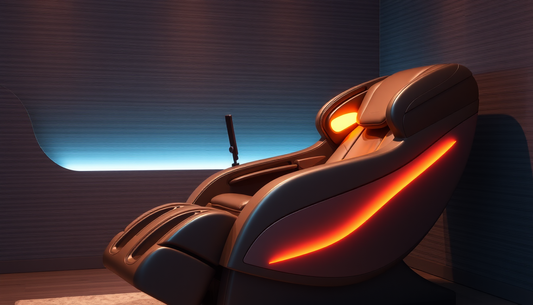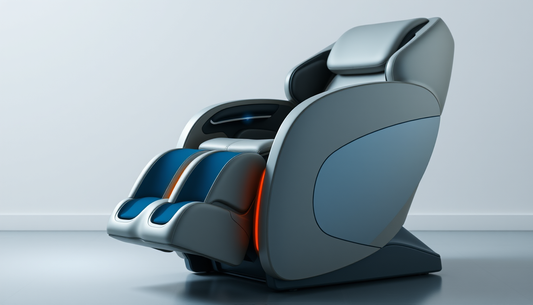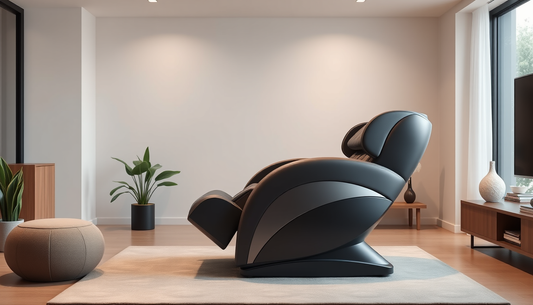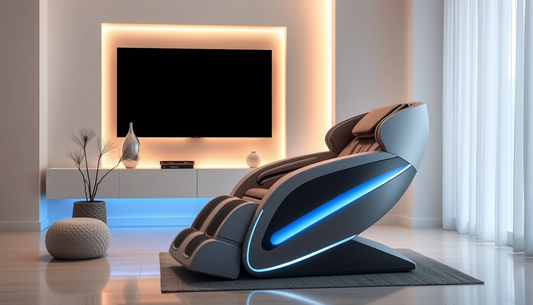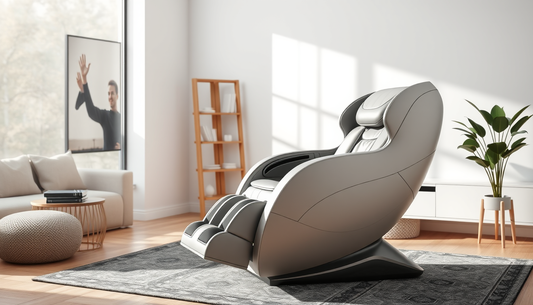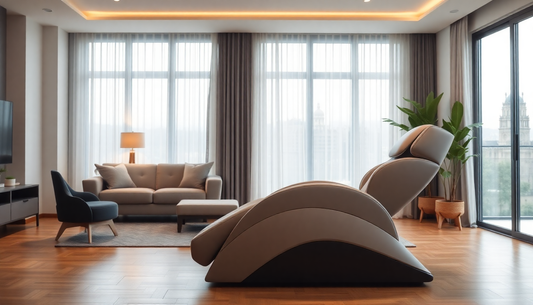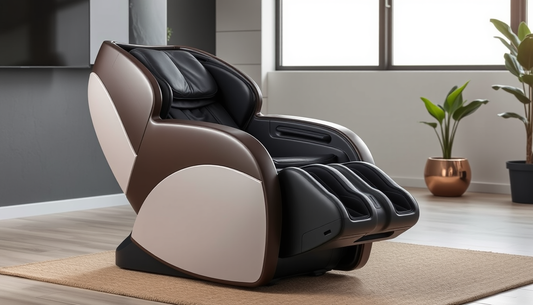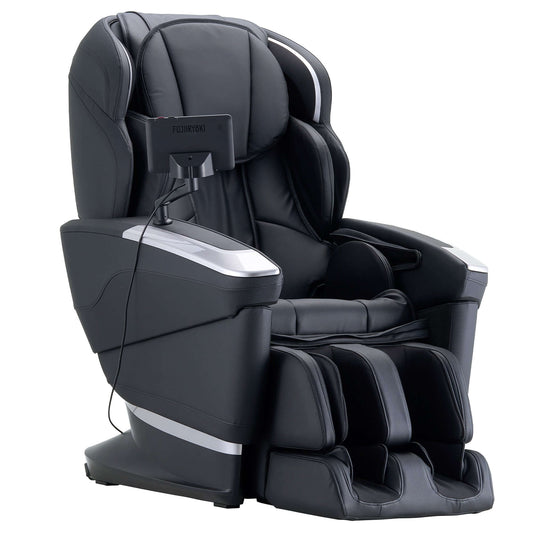
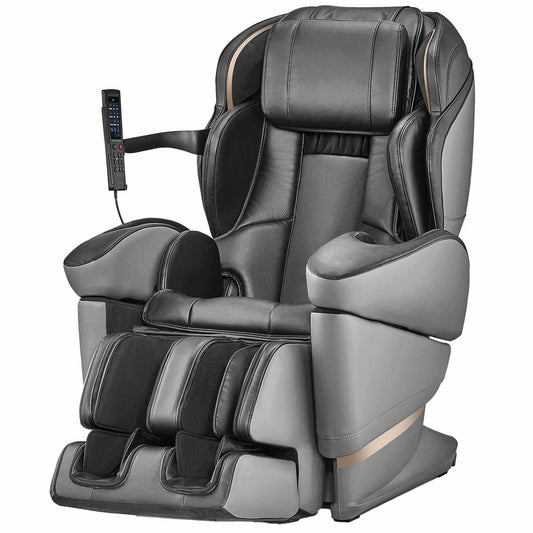
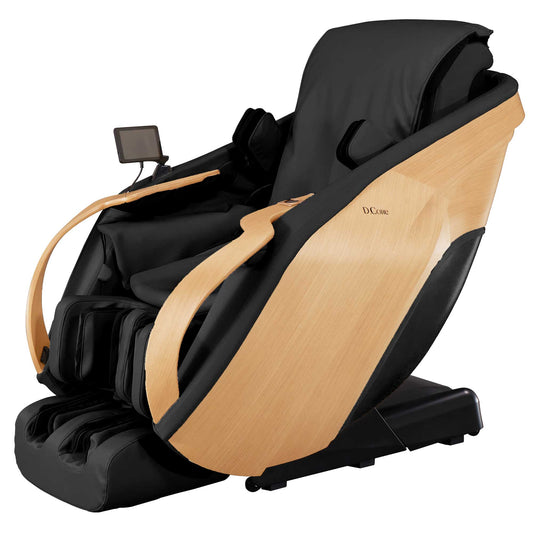

Slide-Ready Guide: Fujiiryoki Massage Chair — Mapping 7 Techniques (Swedish, Shiatsu, Deep Tissue, Trigger Point, Acupressure, Reflexology, Kneading) to Ankles, Neck, Back & Whole‑Body Benefits (Blood Flow, Pain Relief, Recovery)
Introduction — Why This Slide-Ready Guide Matters
This comprehensive guide is written to be presentation-ready and SEO-optimized for anyone researching Fujiiryoki massage chairs, therapeutic massage techniques, or how chair-based therapy maps to specific body parts and measurable wellness benefits. You will find clear technique definitions, how Fujiiryoki chairs replicate those techniques, explicit mapping to targeted body parts (ankle, back, calf, feet, hands, head, heel, knee, legs, neck, shoulder, thigh, whole body, wrist), protocol recommendations, safety notes, and tactical SEO and demo tips to use in presentations, product pages, or sales demos.
Slide 1 — The Core Promise: Techniques, Targets, Benefits
- Techniques: Swedish, Shiatsu, Deep Tissue, Trigger Point, Acupressure, Reflexology, Kneading.
- Primary body parts: ankles, back, calves, feet, hands, head, heels, knees, legs, neck, shoulders, thighs, wrists, and whole-body.
- Benefits: Blood Flow Control, Pain Relief, Fatigue Relief, Flexibility Improvement, Injury Recovery, Muscle Therapy, Spine Alignment, Stress Relief, and Tissue Therapy.
- How to use this guide: Copy slides directly into presentations, use mapped program names and settings in showroom demos, and adapt safety protocols for healthcare-conscious audiences.
Slide 2 — Fujiiryoki Technology Snapshot
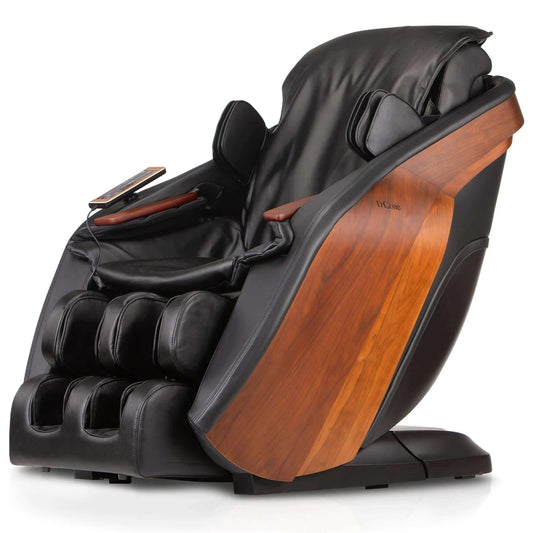
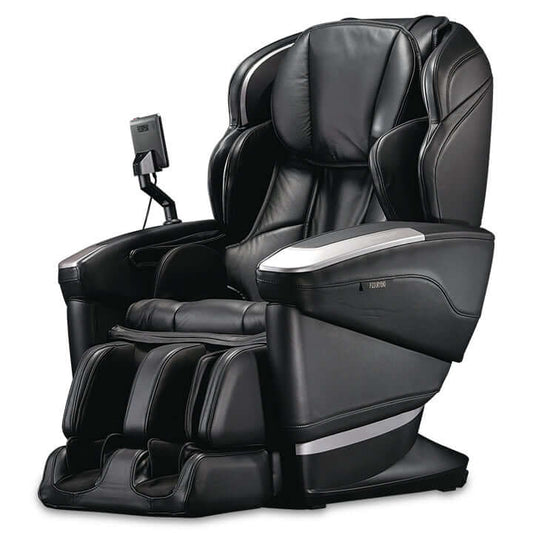
- Roller Systems: S-track and L-track across models; multifunctional rollers with adjustable depth to simulate palms, thumbs, and fingers.
- Airbag Compression: Multi-zone airbags for shoulders, arms, lumbar, pelvis, thighs, calves, and feet that enable acupressure-style compression and venous return support.
- Heat Therapy: Localized lumbar and seat heating increases tissue pliability, complements deep releases, and supports blood flow improvements.
- Positioning: Zero-gravity and incline settings reduce gravitational load, facilitate spinal decompression, and improve pressure distributions for targeted work.
- Controls & Programs: Preset programs for relaxation, recovery, sports therapy, and point-focused routines; manual zone selection for precision targeting.
Slide 3 — General Mechanisms: How Chairs Mimic Hands-on Work
- Shear and Compression: Rollers create shear and compression similar to stroking and kneading; airbags produce compression akin to cupping/compression techniques.
- Rhythm & Speed: Variable speeds simulate Swedish long strokes or slow deep tissue holds; rhythmic cycles help lymphatic and venous return.
- Pressure Modulation: Roller depth and airbag inflation control mimic varying finger/thumb pressure for trigger point and acupressure work.
- Thermal Modulation: Heat lowers tissue viscosity and reduces pain signals, enhancing the efficacy of mechanical techniques.
- Combined Modalities: Sequencing rollers, airbags, and heat can produce synergistic effects — e.g., Swedish flow to warm tissues, deep tissue to release adhesions, then reflexology to promote recovery.
Slide 4 — Swedish Massage: What, How, Where, Why
- What: Long, gliding strokes and gentle kneading intended to promote relaxation and circulation.
- How Fujiiryoki Replicates It: Continuous roller sweeps along the S/L track at medium pace, combined with low-intensity airbags for a full-body flow sensation.
- Primary Targets: Neck, shoulders, full back, thighs, calves, whole-body coverage.
- Physiological Rationale: Improves superficial blood flow, lowers sympathetic arousal, supports lymphatic drainage, helps clear metabolic byproducts after exertion.
- Use Case & Settings: "Relax" or "Full Body" program, medium speed, low-to-medium intensity, 15–30 minutes for stress relief or end-of-day recovery.
Slide 5 — Shiatsu: Pointed, Rhythmic Pressure for Alignment & Relief
- What: Focused, rhythmic pressure along meridian lines and muscle bands; traditionally aims to restore energy flow and relieve tension.
- How Fujiiryoki Replicates It: Deep roller nodes with rhythmic, articulated pressure zones plus airbags for adjacent compression (shoulders, hips).
- Primary Targets: Upper/mid/lower back, lumbar, neck, shoulders.
- Physiological Rationale: Localized pressure increases blood flow to deep tissues, reduces muscular guarding, and may promote spinal alignment by relaxing paraspinal musculature.
- Use Case & Settings: Use "Shiatsu" or "Therapeutic" preset with heat engaged; slow rhythm, medium-to-high intensity on the back/neck zones, 10–20 minutes.
Slide 6 — Deep Tissue: Sustained Pressure for Adhesions & Recovery
- What: Firm pressure and slow strokes intended to reach deeper fascia and muscle layers to break adhesions and relieve chronic tension.
- How Fujiiryoki Replicates It: Slower rollers with increased depth and programmable hold patterns emulate sustained thumbs/knuckles pressure used in deep tissue therapy.
- Primary Targets: Lower back, glutes, hamstrings, thighs, scapular region, neck base.
- Physiological Rationale: Mechanically stretches and separates adhered fascial layers, enhances nutrient exchange in deep tissues, accelerates recovery when combined with proper rest.
- Use Case & Settings: Low speed, high intensity, 8–15 minutes focused per problem region; follow with a cooldown Swedish flow or heat-only period. Avoid overuse in acute injuries or inflammatory states.
Slide 7 — Trigger Point Release: Pinpoint, Short-Duration Compression
- What: Targeted, repetitive pressure on hyperirritable spots within muscle to reduce referred pain and restore normal muscle tone.
- How Fujiiryoki Replicates It: Small, concentrated roller nodules and programmable point-focus sequences deliver brief, repeated presses on specific spinal or shoulder points.
- Primary Targets: Upper back, neck (levator scapulae/trapezius), gluteal trigger points, calf knots, forearm/wrist trigger points.
- Physiological Rationale: Compression reduces local nociceptive signals, may alter muscle spindle sensitivity, and prompts local circulation once the pressure is released.
- Use Case & Settings: Short bursts (30–90 seconds per point), high intensity; alternate with relaxation strokes. Use caution and consult a clinician for severe or persistent pain.
Slide 8 — Acupressure: Meridian-Informed Compression for Systemic Effects
- What: Sustained or rhythmic pressure on meridian/acupoint sites intended to influence systemic balance and local muscular relaxation.
- How Fujiiryoki Replicates It: Airbag compression sequences and targeted rollers applied along spinal meridians, neck lines, wrists, ankles, calves, and feet.
- Primary Targets: Neck, back, wrists, ankles, calves, feet, heels.
- Physiological Rationale: Sustained pressure enhances local blood flow, reduces sympathetic tone, and activates parasympathetic pathways for stress relief and improved circulation.
- Use Case & Settings: Moderate pressure, rhythmic cycles (10–20 minutes), often used as a follow-up to Swedish flow to consolidate relaxation and systemic balance.
Slide 9 — Reflexology: Foot-First Pathways to Whole-Body Support
- What: Applying zone-based pressure to foot regions that correspond to organs and systems; used to support whole-body relaxation and recovery.
- How Fujiiryoki Replicates It: Foot rollers, kneading pads, and toe/heel airbags deliver pressure to heel, arch, ball, and toes; adjust intensity according to sensitivity.
- Primary Targets: Feet, heels, ankles, lower calves (secondary influence on systemic relaxation).
- Physiological Rationale: Stimulating plantar mechanoreceptors influences autonomic balance, increases peripheral blood flow, and can reduce perceived fatigue after prolonged standing or activity.
- Use Case & Settings: Low-to-medium intensity foot program, 10–20 minutes; effective as a finishing sequence after back work to promote recovery and sleep readiness.
Slide 10 — Kneading: Circular Release for Muscle Quality
- What: Circular, compressive motions that lift and roll muscle tissue to enhance elasticity and relieve tension.
- How Fujiiryoki Replicates It: Rotational roller nodes and alternating pressure patterns mimic hand kneading applied to shoulders, back, and legs.
- Primary Targets: Shoulders, neck, back, calves, thighs.
- Physiological Rationale: Promotes tissue elasticity, helps reduce micro-adhesions, supports flexibility improvement, and decreases local pain sensitivity.
- Use Case & Settings: Alternating knead cycles within a program lasting 10–20 minutes per region; combine with Swedish strokes for comfort and mobility gains.
Slide 11 — Targeted Mapping: Which Technique for Which Body Part
Below is an actionable mapping you can paste into slides or product guides. Each entry includes recommended techniques, rationale, and suggested program types/settings.
-
Ankles
- Recommended Techniques: Reflexology, Acupressure, Gentle Kneading (foot airbags + rollers)
- Rationale: Improves venous return, reduces stiffness in perimalleolar tissues, modulates autonomic tone.
- Suggested Program: Foot-focused reflex/airbag program, 10–15 minutes low-to-medium intensity.
-
Feet & Heels
- Recommended Techniques: Reflexology, Kneading, Acupressure
- Rationale: Direct plantar stimulation improves peripheral blood flow and relieves fatigue from standing or walking.
- Suggested Program: Foot roller + heel airbags, alternate medium-intensity kneading; 10–20 minutes.
-
Calf & Legs (including Thighs)
- Recommended Techniques: Kneading, Swedish, Deep Tissue (sports settings), Acupressure
- Rationale: Promotes venous return, reduces delayed-onset muscle soreness, increases flexibility and recovery after exertion.
- Suggested Program: Alternating airbag compression and kneading rollers, finish with Swedish flow; 12–20 minutes depending on intensity.
-
Knees
- Recommended Techniques: Gentle Kneading, Acupressure around supportive musculature (quads, hamstrings, calves)
- Rationale: Eases stiffness by reducing surrounding muscle tension, improves fluid dynamics without direct compression on the joint.
- Suggested Program: Low-intensity leg program focusing on surrounding tissues; avoid aggressive deep tissue directly on the joint itself.
-
Hands & Wrists
- Recommended Techniques: Airbag Acupressure, Small-Roller Programs if available
- Rationale: Relieves repetitive strain and improves local circulation; useful for desk workers.
- Suggested Program: Short 5–10 minute hand/arm airbag sequence; moderate pressure.
-
Head
- Recommended Techniques: Gentle Shiatsu, Light Swedish Strokes, Neck-Targeted Trigger Point (very gentle)
- Rationale: Reduces tension headaches related to neck/shoulder guarding via parasympathetic activation and decreased muscle tone.
- Suggested Program: Short, gentle neck program with low intensity and heat; avoid aggressive pressure near the skull base.
-
Neck
- Recommended Techniques: Shiatsu, Trigger Point, Swedish (gentle)
- Rationale: Relieves trapezius/levator scapulae tension; improves cervical mobility and reduces referred pain.
- Suggested Program: Neck-focused shiatsu with low-to-medium intensity and brief trigger point bursts; 8–12 minutes.
-
Shoulders
- Recommended Techniques: Shiatsu, Trigger Point, Kneading
- Rationale: Releases scapular stabilizer tension and restores shoulder girdle mobility, reduces upper-cross syndrome tension.
- Suggested Program: Shoulder + upper back program with alternating kneading and shiatsu; 10–15 minutes.
-
Back & Spine
- Recommended Techniques: Shiatsu (alignment), Deep Tissue (adhesions), Kneading (tension relief), Swedish (flow)
- Rationale: Combines alignment support, adhesion release, and relaxation to improve posture and reduce chronic back pain.
- Suggested Program: Start with Swedish flow to warm tissues, use targeted deep tissue or shiatsu nodes on lumbar/upper back, finish with kneading; total 20–30 minutes depending on intensity.
-
Whole Body
- Recommended Techniques: Swedish flow + reflexology + acupressure
- Rationale: Systemic relaxation, improved circulation, lymphatic support and reduced overall fatigue.
- Suggested Program: Full-body program 20–30 minutes; combine roller flow, airbags and foot reflexology for maximal recovery benefits.
Slide 12 — Technique-to-Benefit Mapping: What Each Technique Primarily Delivers
- Swedish Massage: Blood flow control, stress relief, fatigue relief, general relaxation.
- Shiatsu Massage: Pain relief (esp. back/neck), spine alignment support, deep relaxation.
- Deep Tissue Massage: Muscle therapy, injury recovery, flexibility improvement, tissue therapy for chronic adhesions.
- Trigger Point Massage: Targeted pain relief, faster local recovery, improved range of motion.
- Acupressure: Blood flow modulation, stress/fatigue relief, systemic balance, adjunctive recovery support.
- Reflexology: Peripheral blood flow improvements, fatigue relief, systemic relaxation influence via plantar reflex zones.
- Kneading: Tissue therapy, flexibility improvement, muscle quality enhancement, local pain relief.
Slide 13 — Evidence-Based Rationale (Brief)
- Circulation: Mechanical compression and rhythmic stroking increase local perfusion and venous return, supporting metabolic clearance and nutrient delivery.
- Pain Modulation: Mechanical stimulation can activate descending inhibitory pathways and alter local nociceptive signaling; pressure release can reduce muscular guarding.
- Tissue Remodeling: Repeated, controlled loading (deep tissue/kneading) can aid fascial mobility and reduce adhesions when combined with appropriate rest and movement.
- Autonomic Effects: Slow, rhythmic techniques (Swedish, reflexology, acupressure) reduce sympathetic arousal and facilitate parasympathetic recovery states.
Slide 14 — Practical Protocols & Example Routines (Presentation-Ready)
Copy these slide scripts directly into training or demo sequences.
-
Daily Relaxation Routine (15–20 min)
- Start: 3 minutes Swedish roller warm-up (medium speed)
- Main: 8 minutes full-back shiatsu with heat
- Finish: 4 minutes foot reflexology + 2 minutes gentle neck Swedish
-
Post-Workout Recovery (20–30 min)
- Start: 6 minutes legs kneading (thighs/calves) medium intensity
- Main: 8–10 minutes deep tissue on hamstrings/glutes if tolerated
- Finish: 6–8 minutes Swedish flow for full-body circulation plus foot reflexology
-
Neck & Upper Back Tension Relief (10–15 min)
- Start: 2 minutes Swedish warm-up for shoulders
- Main: 6–8 minutes shiatsu + trigger point bursts on upper trapezius (gentle)
- Finish: 2–3 minutes acupressure and gentle neck traction in zero-gravity position
Slide 15 — Safety, Contraindications & Clinical Cautions
- Contraindications: Recent fractures, active deep vein thrombosis, uncontrolled hypertension, open wounds, severe osteoporosis, and some implanted devices. Pregnant users should consult a clinician and avoid certain intense programs.
- Acute Injuries: Avoid aggressive deep tissue or high-intensity settings on inflamed or recently injured areas. Use low-intensity Swedish flow or consult a healthcare provider first.
- Trigger Points & Pain: Brief, controlled pressure is useful; avoid prolonged high-intensity repetitive pressure on acute or neuropathic pain without clinician oversight.
- Customization: Always start at lower intensity and increase gradually; allow users to control intensity and stop if discomfort increases.
Slide 16 — Personalization & Optimization Tips
- Intensity Scaling: Recommend a progressive approach for chronic issues — begin with Swedish flow and acupressure for 1–2 weeks before introducing deep tissue sessions.
- Zone Selection: Use zone select to focus on problematic areas (e.g., lumbar + calves) to avoid overstimulation of sensitive zones.
- Timing: Morning sessions for circulation and mobility; evening sessions (swedish + reflexology) for sleep aid and stress reduction.
- Pairing: Combine chair sessions with light movement, hydration, and clinician-prescribed therapeutic exercises for best recovery outcomes.
Slide 17 — Maintenance, Ergonomics & User Comfort
- Chair Placement: Position in a stable, low-traffic area where users can recline fully; maintain power and ventilation clearances per manual.
- Cleaning & Care: Wipe surfaces with manufacturer-recommended cleaners; maintain roller track and airbags according to service schedule to preserve therapeutic fidelity.
- User Ergonomics: Adjust seat depth, recline, and leg rest to align rollers with spinal curvature and foot plates to ankle/heel height to ensure proper targeting.
Slide 18 — SEO & Content Strategy (Presentation-Ready Notes)
- Primary SEO Phrases: Fujiiryoki massage chair, Fujiiryoki shiatsu, Fujiiryoki deep tissue chair, massage chair reflexology, massage chair acupressure.
- Long-Tail Keywords: "Fujiiryoki chair for neck pain relief", "best massage chair for back recovery", "foot reflexology massage chair benefits".
- Metadata Suggestion: Meta description - "Discover how Fujiiryoki massage chairs replicate 7 massage techniques and map to ankles, neck, back and whole-body benefits including improved blood flow, pain relief and faster recovery."
- Content Architecture Tips: Use technique+body part+benefit headings (e.g., "Deep Tissue for Lower Back Recovery: Fujiiryoki Settings") and include internal links to product pages, how-to videos, and safety guides.
- Visual Assets: Include alt text like 'Fujiiryoki foot reflexology rollers', 'shiatsu rollers on lumbar spine in Fujiiryoki chair'. Use short demo videos showing technique sequences and program menus.
Slide 19 — Presentation Scripts & Demo Lines
- Intro Script: "Today we'll show how Fujiiryoki translates seven core massage styles into programmable therapies that target your ankles, neck, back and whole body to improve blood flow, reduce pain and speed recovery."
- Demo Script: "Start the Relax program for 8 minutes to show Swedish flow; then enable Shiatsu lumbar for 6 minutes with heat on to demonstrate deep pressure; finish with 5 minutes of foot reflexology to showcase peripheral circulation changes."
- Closing CTA: "Book an in-store demo to feel the difference — try our sample 20-minute recovery protocol to feel improvements in circulation and muscle tension."
Slide 20 — Frequently Asked Questions (FAQ)
-
Q: Can a Fujiiryoki chair replace hands-on therapy?
- A: Chairs can effectively supplement and maintain many benefits of hands-on therapy, particularly for circulation, relaxation and general muscle tension. For complex clinical conditions, continue to follow a clinician's plan and use the chair as an adjunct.
-
Q: How often should I use the chair for recovery?
- A: For day-to-day relaxation, 15–30 minutes daily is common. For targeted recovery, 3–5 sessions per week with specific deep tissue or kneading programs can be helpful — consult care providers for injuries.
-
Q: Are intense settings safe?
- A: Intense settings can be safe for many users but should be used selectively. Avoid on acute inflammation, broken skin, or serious medical conditions without medical clearance.
Slide 21 — Comparison Notes for Sales Presentations
- Fujiiryoki Strengths: Japanese engineering precision, nuanced roller articulation, multi-zone airbags, integrated heat, and elegant preset sequencing for technique fidelity.
- Buyer Talking Points: Emphasize technique-to-body part mapping, user-driven customization, clinical-sounding benefits (blood flow, pain relief, recovery), and safety/care documentation.
- Cross-Sell Opportunities: Offer maintenance packages, extended warranties, and instructional sessions to optimize user outcomes and perceived value.
Slide 22 — Case Study Template (Use in Presentations)
- Situation: Office worker with chronic neck/upper back tension and reduced sleep quality.
- Protocol: 20-minute nightly sequence — Swedish flow (5 min), Shiatsu neck/upper back with heat (8 min), Foot reflexology (7 min).
- Outcome Metrics: Subjective pain reduction (VAS), improved sleep onset time, reduced perceived fatigue over 4 weeks; objective improvement when paired with posture exercises.
- Sales Takeaway: Show measurable quality-of-life improvements to convert skeptical buyers.
Slide 23 — Slide Deck Checklist & Printable Handout
- Include: Technique definitions, body part mapping chart, program names/settings, safety checklist, demo scripts, and FAQ.
- Handout Idea: One-page program cheat sheet for 'Neck Relief', 'Post-Workout Legs', and 'Full-Body Recovery' with exact times and intensity suggestions.
Slide 24 — Final Takeaways (Actionable & SEO-Optimized)
- Fujiiryoki massage chairs reliably simulate Swedish, Shiatsu, Deep Tissue, Trigger Point, Acupressure, Reflexology, and Kneading techniques through a combination of rollers, airbags, heat, and positioning.
- Precise mapping: Use reflexology and foot rollers for ankles/feet/heels; shiatsu and trigger point for neck and upper back; deep tissue and kneading for lower back, thighs, and recovery-focused sessions.
- Benefits to highlight in content and demos: improved blood flow, pain relief, fatigue reduction, flexibility gains, faster recovery, muscle and tissue therapy, and spine alignment support.
- Practical protocol: Start with Swedish flow, apply targeted deep work, and finish with reflexology/acupressure to consolidate recovery and circulation gains.
Closing Notes & Call to Action
Use these slides and expanded content as modular pieces in product pages, blog posts, demo scripts, training decks, or showroom brochures. For higher conversion, display clear before/after protocols, include short demo videos of program sequences, and provide a printable cheat sheet for buyers. Encourage users to schedule an in-person demo or to try a standard 20-minute recovery program to experience the combined benefits of improved blood flow, pain relief, and recovery support.
Meta description suggestion for SEO: "Slide-ready guide explaining how Fujiiryoki massage chairs recreate 7 core massage techniques and map to ankles, neck, back and whole-body benefits like enhanced blood flow, pain relief and recovery — with program settings, safety tips and demo scripts."
Need a downloadable slide deck version of this guide or a one-page cheat sheet for showroom use? Ask and I will convert this content into slide prompts or printable handouts tailored to your audience.
Tags:
Previous
Fujiiryoki Massage Chairs — Slide Presentation Guide: Mapping Swedish, Shiatsu, Deep‑Tissue & Reflexology to Target Areas (Ankle, Neck, Back, Feet) and Clinical Benefits
Next
Therapist's Slide Guide: Fujiiryoki Massage Chairs — Mapping Swedish, Deep Tissue, Shiatsu & Reflexology to Ankles, Neck, Back and Whole‑Body Benefits