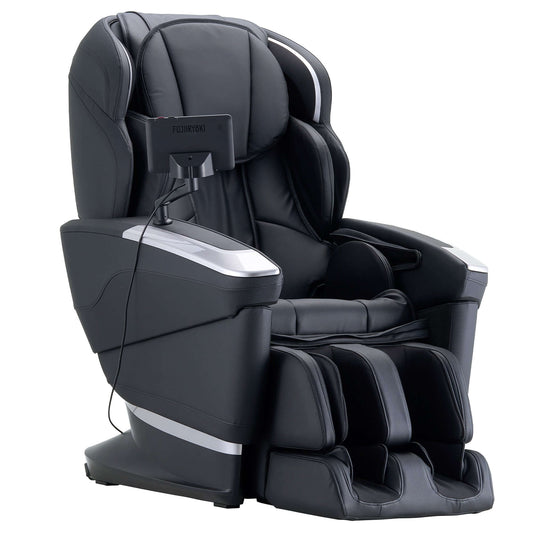
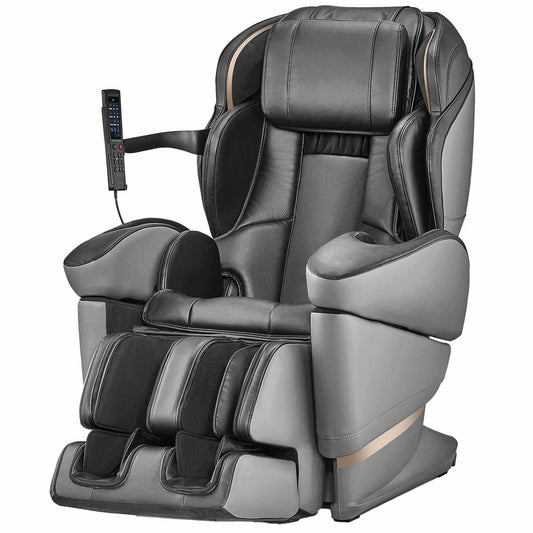
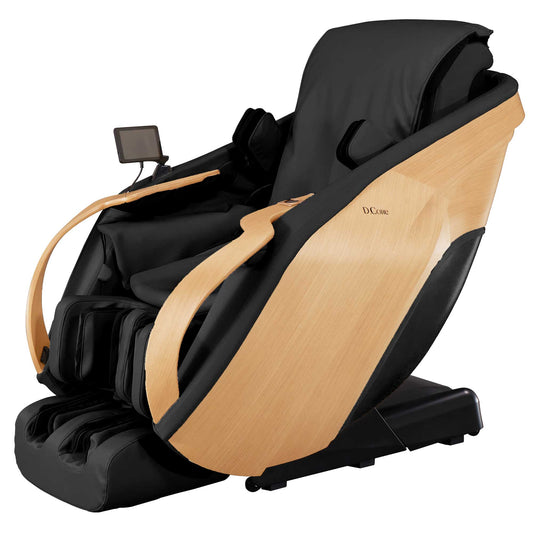

Fujiiryoki Massage Chairs — Slide Presentation Guide: Mapping Swedish, Shiatsu, Deep‑Tissue & Reflexology to Target Areas (Ankle, Neck, Back, Feet) and Clinical Benefits
Introduction — Purpose of This Slide Presentation Guide
- Objective: Provide a comprehensive, presentation‑ready resource that maps classic massage techniques to Fujiiryoki massage chair features, target body areas (ankle, neck, back, feet and more) and clinically relevant benefits.
- Audience: Retail sales teams, wellness clinic staff, physiotherapists exploring adjunctive care, content marketers and informed consumers.
- Format: Slide‑by‑slide guidance including speaker notes, visual suggestions, session recommendations and SEO/distribution strategy to help this content rank and convert.
Slide 1 — Title Slide
- Slide heading: Fujiiryoki Massage Chairs — Techniques, Target Areas & Clinical Benefits
- Subtitle: Mapping Swedish, Shiatsu, Deep‑Tissue, Reflexology & More to Ankles, Neck, Back, Feet and Whole‑Body Outcomes
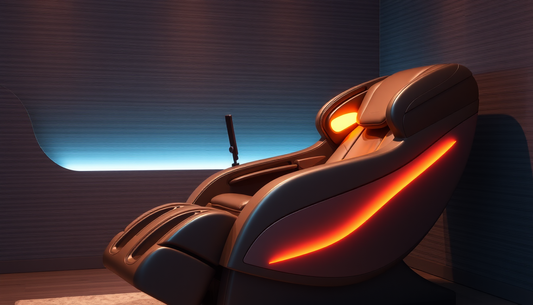
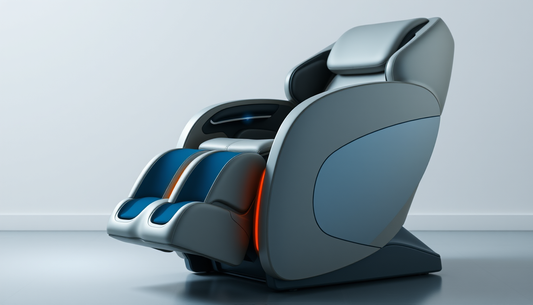
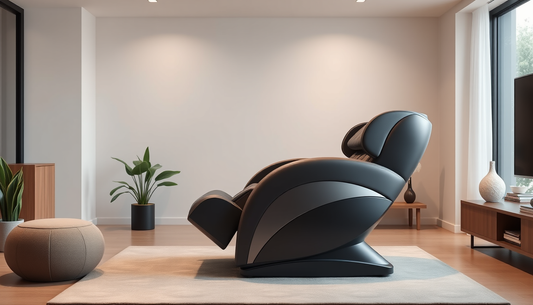
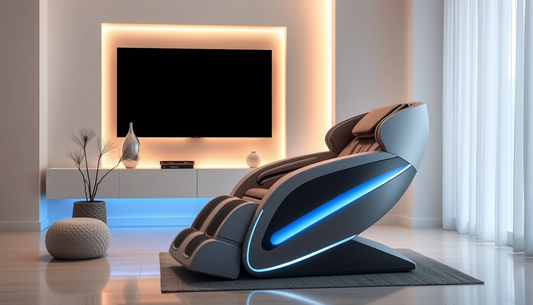
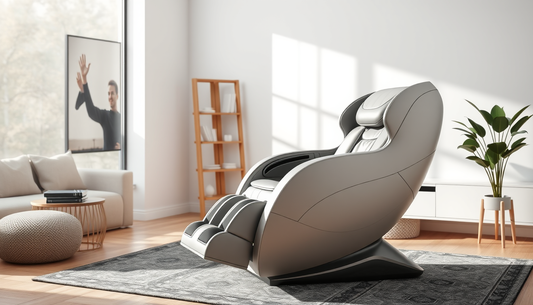
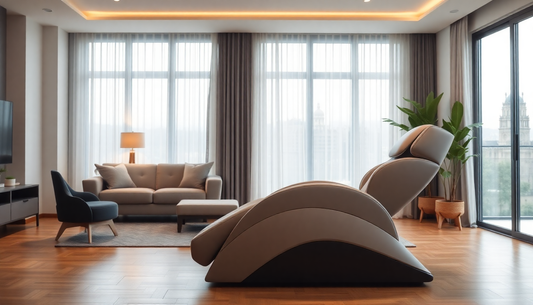
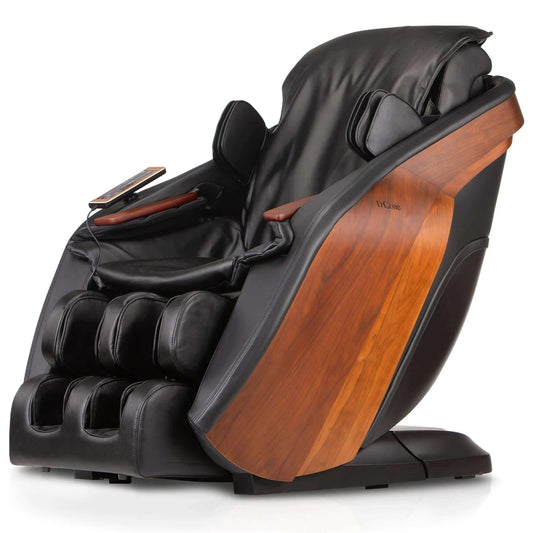
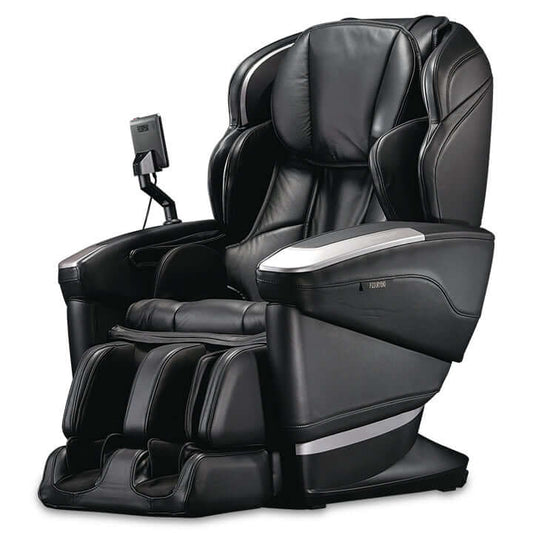
- Visual: High‑quality hero image of a Fujiiryoki chair in a calm home setting; overlay the brand name and a short benefit line: 'Engineered relaxation that targets real tension.' Use a 16:9 image.
- Speaker note: Open with a one‑sentence value proposition: 'Today we’ll show how Fujiiryoki translates evidence‑aligned massage techniques into configurable programs for specific body areas and meaningful wellness outcomes.'
Slide 2 — Presentation Agenda
- Part 1: Quick Fujiiryoki overview — core hardware and software features.
- Part 2: Technique definitions and mechanical mapping (Swedish, Deep Tissue, Trigger Point, Acupressure, Shiatsu, Reflexology, Kneading).
- Part 3: Detailed body‑area mapping (Ankle, Back, Calf, Feet, Hands, Head, Heel, Knee, Legs, Neck, Shoulder, Thigh, Whole Body, Wrist) with recommended chair settings.
- Part 4: Clinical benefits mapping and evidence considerations.
- Part 5: Demo scripting, safety & contraindications, session length, and SEO/distribution tips for your content.
Slide 3 — Fujiiryoki: Core Technology You’ll Demonstrate
- Roller Track: L‑track or S‑track options that determine coverage from neck down to glutes/hamstrings.
- Roller Nodes: Variable intensity rollers with directional control for kneading and trigger‑point simulation.
- Airbag Arrays: Multi‑zone airbags for shoulders, arms, hips, calves and ankles to simulate compression and acupressure.
- Foot Modules: Multi‑speed foot rollers, heel airbags and heated footbeds for reflexology and circulation support.
- Heat Therapy: Targeted lumbar or foot heating for tissue warming and comfort during deeper pressure.
- Zero‑Gravity & Stretch Programs: Positioning that optimizes spinal unloading and traction‑like effects.
- Customization: Predefined programs plus the ability to save intensity and focus points—key for clinician recommendations.
Slide 4 — Why Map Manual Techniques to Chair Features?
- Equivalence: Mechanical features can replicate many elements of manual therapy—rhythm, pressure, direction, focal pause.
- Consistency: Chairs deliver repeatable pressure and timing for at‑home therapeutic routines.
- Scalability: Sales and education teams can present clinically coherent programs tied to user‑reported outcomes.
- Patient safety and adherence: Clear mapping helps users choose appropriate programs and reduces misuse.
Slide 5 — Technique Definitions (Concise, Audience‑Friendly)
- Swedish Massage: Long, gliding strokes designed to increase superficial circulation and encourage relaxation.
- Deep Tissue Massage: Stronger, slower strokes aiming to reach deeper muscle layers to reduce adhesions and chronic tightness.
- Trigger Point Therapy: Focused, sustained pressure applied to hyperirritable spots to reduce referred pain and muscle guarding.
- Acupressure: Sustained pressure on traditional meridian points to influence local circulation and autonomic tone.
- Shiatsu: Japanese finger/thumb pressure with rhythmic compressions and stretches along meridians to balance tension and restore mobility.
- Reflexology: Zone‑based pressure applied primarily to the feet and hands with the intent to support systemic relaxation and circulatory responses.
- Kneading: Circular, compressive movements to soften muscle and improve tissue mobility as a warm‑up and maintenance technique.
Slide 6 — How We Translate Techniques Into Chair Settings
- Parameters: Intensity (low–high), speed (slow–fast), direction, focal pause (for trigger points), heat on/off, segmental targeting (shoulders, lumbar, feet), and mode sequencing.
- Mapping principle: Gentle rhythmic sequences emulate Swedish; slow high pressure with pauses emulate deep tissue and trigger point; alternating airbags emulate acupressure/shiatsu compression.
- Example: A 'Deep Tissue Back' preset = high roller intensity + lumbar heat + slower roller speed + focused shoulder/lumbar airbags.
Slide 7 — Slide Template for Technique Deep‑Dives (Use This Slide for Each Technique)
- Header: Technique Name
- Left column: Short technique description + clinical language qualifiers ('may help reduce', 'can support').
- Center column: Fujiiryoki features used to replicate the technique.
- Right column: Target body parts and suggested settings (intensity/speed/heat/airbag focus/time).
- Bottom: Speaker notes and demo cue (what to say while demonstrating).
Slide 8 — Swedish Massage: Settings, Targets & Benefits
- Chair settings: Low–medium roller intensity, moderate speed, full back wave program, light airbags, heat off or low.
- Targeted body parts: Whole Body (systemic relaxation), Neck, Shoulder, Back, Calf, Thigh.
- Primary benefits: Blood Flow Control, Stress Relief, Fatigue Relief, Light Tissue Therapy.
- Demo cue: 'We begin with Swedish‑like wave patterns to warm tissues and promote circulation—ideal as a session opener.' Use imagery of long roller strokes.
- Timing recommendation: 5–10 minutes as warm up within a 15–30 minute session.
Slide 9 — Deep Tissue: Settings, Targets & Benefits
- Chair settings: High roller intensity, slow speed, lumbar heat enabled, focused airbags on shoulders and lumbar, use of pause point over tight areas.
- Targeted body parts: Back, Neck, Shoulder, Thigh, Calf, Whole Body for chronic tension.
- Primary benefits: Muscle Therapy, Pain Relief, Tissue Therapy, can support Injury Recovery when used under professional guidance.
- Safety note: Recommend shorter exposures for high intensity (10–15 minutes), progressive intensity increases across sessions.
Slide 10 — Trigger Point Mode: Settings, Targets & Benefits
- Chair settings: Localized roller nodes with pause function, higher intensity at focal points, repeated short pauses and small directional changes to simulate sustained pressure.
- Targeted body parts: Neck, Upper Back/Trapezius, Scapular region, Lumbar paraspinals; can be beneficial adjunctive work around shoulder and hip referral patterns.
- Primary benefits: Pain Relief, Release of muscular knots, improved local mobility. May support spine alignment by reducing paraspinal muscle guarding.
- Presenter tip: Use anatomical overlays during demo to show common referral patterns and explain that chairs may help soften trigger‑point sensitivity but are not a medical cure.
Slide 11 — Acupressure: Settings, Targets & Benefits
- Chair settings: Precision roller sequences, medium intensity, heat optional, repeated pressure patterns on neck base, lumbar, and foot arches.
- Targeted body parts: Neck, Head base, Back, Feet, Hands.
- Primary benefits: Stress Relief, Blood Flow Control, Tissue Therapy, may support autonomic balance.
- Clinical framing: Phrase outcomes as 'supporting relaxation and circulation' rather than curative claims.
Slide 12 — Shiatsu: Settings, Targets & Benefits
- Chair settings: Alternating compression patterns via airbags, rhythmic roller nodes, directional shifts and stretch sequences where available.
- Targeted body parts: Back, Neck, Shoulder, Hip area, Thighs, Whole Body.
- Primary benefits: Stress Relief, Flexibility Improvement, Blood Flow Control, improved tissue mobility.
- Demo cue: Play a short clip of rhythmically alternating airbags to show 'shiatsu cadence'.
Slide 13 — Reflexology: Settings, Targets & Benefits
- Chair settings: Foot rollers at multiple speeds, heel airbags, heated footbeds and targeted ankle compression sequences.
- Targeted body parts: Feet, Heel, Ankle, Calf; secondary systemic focus via reflex zones.
- Primary benefits: Fatigue Relief, Blood Flow Control in lower extremities, Stress Relief, supportive Tissue Therapy.
- Practical tip: Encourage users to select dedicated reflexology programs after a workout or at end of day to support recovery and relaxation.
Slide 14 — Kneading: Settings, Targets & Benefits
- Chair settings: Rotational rollers with directional changes, medium intensity and variable speed; combine with moderate airbags for compression support.
- Targeted body parts: Neck, Shoulder, Back, Thigh, Calf, Wrist, Hands.
- Primary benefits: Flexibility Improvement, Tissue Therapy, Muscle Therapy; ideal as preparatory work before deeper techniques.
- Demo cue: Use kneading as on‑screen 'before' footage showing tissue warming, then shift to deeper settings for contrast.
Slide 15 — Body Area Focus: Feet, Heel, Ankle, Calf
- Recommended programs: Reflexology + Calf Compression + Heat where available.
- Key chair features: Foot rollers, heel airbags, ankle compression, calf rollers.
- Clinical benefits: Improved venous return, reduced post‑standing fatigue, local tissue mobilization—may help with symptom relief after prolonged standing or athletic activity.
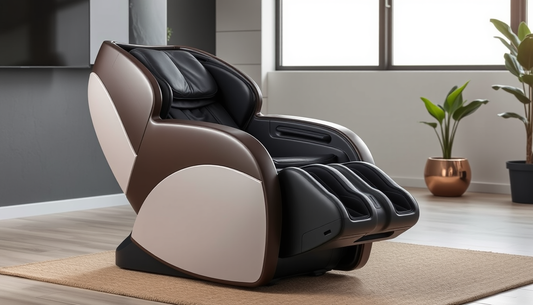
- Demo visuals: Close‑ups on foot module with overlay labeling of rollers, heel node, and airflow bags.
Slide 16 — Body Area Focus: Knee, Thigh, Legs, Wrist, Hands
- Knee: Use gentle compression and avoid strong direct pressure on inflamed joints; recommend medical clearance if recent injury.
- Thigh & Legs: Kneading and deep tissue patterns can target large muscle groups for flexibility improvements and perceived soreness reduction.
- Hands & Wrists: Airbags and light rollers for circulation and repetitive strain relief; position as supportive and ergonomic.
- Practical caution: Avoid aggressive modes directly over acute swelling, recent surgery or suspected DVT.
Slide 17 — Body Area Focus: Neck, Shoulder, Back, Spine, Head
- Neck & Shoulder: Trigger point and deep tissue upper back sequences for trapezius tension; combine with a gentle cervical glide if the chair supports neck rollers.
- Back & Spine: Long roller tracks and lumbar heat to reduce paraspinal guarding and support improved posture sensation—note this is symptomatic relief, not structural correction.
- Head/TMJ tension: Use light acupressure at base of skull and gentle upper neck programs; pair with relaxation breathing cues.
- Visual aid: Use spinal overlay graphics to show roller contact points and highlight S/L track coverage.
Slide 18 — Clinical Benefits Mapping (Technique → Outcome)
- Blood Flow Control: Swedish, Shiatsu, Reflexology — via rhythmic strokes and foot/calf modules.
- Fatigue Relief: Reflexology, Swedish, Kneading — aiding venous return and metabolic recovery.
- Flexibility Improvement: Kneading, Shiatsu, Deep Tissue — through tissue mobility and reduced stiffness.
- Injury Recovery (adjunctive): Deep Tissue, Trigger Point, Acupressure — supportive when combined with clinical oversight.
- Muscle & Tissue Therapy: Deep Tissue, Kneading, Trigger Point — aimed at adhesions, scar tissue softening and mobility.
- Pain Relief & Paraspinal Balance: Trigger Point, Deep Tissue, Shiatsu — may reduce muscular contributors to spinal discomfort.
- Stress Relief & Autonomic Modulation: Swedish, Shiatsu, Acupressure — support relaxation responses and sleep improvement.
Slide 19 — Interpreting Evidence: What Research Supports and Limits
- What is supported: Systematic reviews show massage can reduce perceived pain, improve short‑term function and reduce stress markers in some populations. Chair massage studies often align with general massage outcomes for relaxation and short‑term pain reduction.
- Limitations: Most research pertains to therapist‑delivered massage; mechanical chairs can simulate many effects but direct equivalence is context dependent.
- Clinical tone: Use phrases like 'research suggests', 'may help', 'can support', and 'shown to be associated with' when describing benefits.
- Suggested citations for follow‑up (for presenter reference): systematic reviews on massage for low back pain, reflexology trials for fatigue, and studies on massage and autonomic function. Keep citations handy in an appendix slide.
Slide 20 — Session Planning: Recommendations by Goal
- General Relaxation: 15–30 minutes, Swedish wave + Shiatsu ending with reflexology; low–medium intensity.
- Post‑Workout Recovery: 10–20 minutes, kneading + calf/foot reflexology, low heat; moderate intensity for targeted muscle groups.
- Chronic Tension Management: 10–15 minutes targeted deep tissue/trigger point on affected area, followed by 5–10 minutes Swedish for cool down. Start low and increase across weeks.
- Pain/Acute Flare: Consult a clinician first; recommend very light modes and short sessions, or avoid until cleared.
Slide 21 — Safety, Contraindications & Professional Guidance
- Contraindications: Recent fractures, unhealed surgical sites, suspected DVT, active infection, uncontrolled cardiovascular conditions—consult a physician.
- When to defer: Severe acute inflammation, open wounds, skin conditions—avoid direct mechanical pressure.
- Pregnancy: Use manufacturer guidance—many models have pregnancy modes but recommend clinician advice for high‑risk pregnancies.
- Adverse effects: Transient soreness is possible; instruct users to hydrate, monitor for unusual pain, and reduce intensity if discomfort arises.
Slide 22 — Demo Script & Live Demonstration Flow
- 0:00–0:30 — Introduce the user's complaint (e.g., neck/upper back tension) and objectives.
- 0:30–2:00 — Start with Swedish wave for warm up (show remote, select program).
- 2:00–4:00 — Shift to targeted trigger point/deep tissue sequence on shoulders and upper back; use lumbar heat if needed.
- 4:00–5:00 — Finish with reflexology/calf program and a short guided breathing exercise.
- Speaker notes: Use clear language like 'select the neck‑focus program and reduce intensity if you feel any discomfort; we’ll demonstrate a 10‑minute targeted approach today.'
Slide 23 — Visual & Multimedia Assets to Include in Your Deck
- Close‑up images of roller nodes, foot module, and airbag zones (with labels).
- Short 20–30s video loops showing each mode (Swedish wave, shiatsu alternation, trigger‑point pause) with on‑screen labels and captions.
- Annotated anatomical overlays showing referral patterns and common trigger point zones.
- User testimonial clips (10–20s) describing perceived benefits like reduced fatigue or better sleep.
Slide 24 — SEO & Content Distribution Strategy (Long Form & Slide Deck)
- Primary keywords to target: 'Fujiiryoki massage chairs', 'Fujiiryoki deep tissue', 'Fujiiryoki reflexology', 'best massage chair for neck pain'.
- Secondary/long‑tail keywords: 'Fujiiryoki settings for neck tension', 'massage chair reflexology for tired feet', 'how to use Fujiiryoki for calf recovery.'
- On‑page structure: Use an H1 page title matching the main keyword, H2s for technique sections, and H3s for body part subsections to match search intent.
- Multimedia: Add descriptive image alt text (e.g., 'Fujiiryoki foot module with multi‑speed rollers for reflexology'), captions and transcripts for videos to boost SEO.
- Schema & Technical SEO: Implement FAQ schema for the FAQ slide content, use article schema for the blog post, and add structured data for product demos where applicable.
- Internal linking & pillar strategy: Link this guide from product pages, program pages (e.g., 'neck relief programs'), and blog posts on related topics (sleep, athletic recovery, ergonomics).
Slide 25 — Example FAQ Expanded (Use as On‑page FAQ Schema)
- Q: Can Fujiiryoki chairs help with chronic neck pain? A: Many users report reduced neck muscle tension with targeted trigger point and deep tissue settings; however, chairs are an adjunct and you should consult a clinician for persistent or severe pain.
- Q: How often should I use a Fujiiryoki chair? A: For general wellness, daily short sessions (10–20 minutes) are common; for targeted therapy, 3–5 times per week with clinician guidance may be recommended depending on the condition.
- Q: Is heat important in a session? A: Heat can improve comfort and tissue pliability and may enhance the effect of deeper modes; use it at a comfortable level and avoid prolonged high heat on compromised skin.
- Q: Can the chair help foot pain or plantar fasciitis? A: Foot rollers and heel airbags may offer symptomatic relief and improved circulation, but plantar fasciitis often requires a multimodal approach including stretching, orthotics and clinician care.
Slide 26 — Metrics to Track for Sales & Content Performance
- Engagement: Video views, time on page, slide‑deck downloads.
- Conversion: Demo bookings, product inquiries, add‑to‑cart or purchase behavior tied to content interactions.
- SEO: Organic ranking for primary and long‑tail keywords, click‑through rates, and backlinks from health/wellness sites.
- Clinical adoption: Number of clinician referrals or clinic partnerships citing the slide deck.
Slide 27 — Sample Slide Deck Appendix: Full Cheat Sheet (Printable)
- One‑page mapping: Technique → Typical Chair Settings → Primary Targets → Quick Benefit Line.
- Session length quick guide: Relaxation 15–30m | Recovery 10–20m | Targeted 10–15m.
- Safety checklist: Defer if recent surgery, fracture, signs of infection, suspected blood clots.
Slide 28 — Sample Speaker Script (3 Minute Demo Pitch)
- 0:00–0:20: 'Meet the Fujiiryoki chair—precision engineering that turns proven massage techniques into programmable therapy for your home or clinic.'
- 0:20–1:10: 'We’ll demonstrate a brief 5‑minute routine: start with Swedish wave to warm tissues, move into a targeted trigger point sequence for the upper trapezius, and finish with foot reflexology to support circulation and relaxation.'
- 1:10–2:30: Demo actions with live narrative: point to remote, show program selection, adjust intensity, and explain sensations to expect. End with call to action to 'book an in‑store demo' or 'watch full program tutorials on our channel.'
Slide 29 — Legal & Marketing Copy Guidance
- Claim language: Use non‑medical, consumer‑safe language such as 'may help relieve muscle tension', 'supports circulation', and 'promotes relaxation'.
- Avoid: Definitive claims such as 'cures plantar fasciitis' or 'reverses spinal misalignment'.
- Recommendations: Include a clear medical disclaimer on pages that discuss clinical benefits and recommend clinician consultation for medical conditions.
Slide 30 — Content Distribution Checklist
- Publish the long‑form article with embedded slide deck and short demo videos.
- Create a downloadable PDF of the slide deck for sales teams and clinics.
- Publish short social videos (30–60s) showcasing specific technique demos: '60s neck relief with Fujiiryoki', '30s foot reflexology.'
- Run an email nurture series titled '7 Days to Better Recovery with Your Fujiiryoki' linking back to specific technique pages.
Slide 31 — Extended FAQ & Troubleshooting
- Q: Why does my neck feel sore after a deep session? A: Transient soreness can occur after deeper work—reduce intensity, shorten session length and allow 24–48 hours of recovery. If pain persists, seek professional evaluation.
- Q: My feet are sensitive—how do I use the reflexology mode? A: Start at the lowest foot roller speed and use heat only if comfortable. Gradually increase speed across sessions.
- Q: How do I best integrate the chair with physiotherapy? A: Coordinate with your clinician and adapt intensity/duration to match your therapy goals; the chair is an adjunctive, not replacement, therapy.
Slide 32 — Reference Notes & Further Reading
- Include a short list of accessible review articles on massage and health outcomes for presenter reference (e.g., Cochrane/systematic reviews on massage for low back pain, randomized trials on reflexology and fatigue). Keep citations concise and non‑technical for slide use.
- Reminder: Prepare a downloadable reference sheet with formatted citations for clinicians requesting evidence details.
Slide 33 — Closing Slide & Call to Action
- Recap: Fujiiryoki chairs combine robust mechanical design and configurable programs to emulate Swedish, Shiatsu, Deep‑Tissue, Reflexology and more—mapped to ankles, neck, back, feet and full‑body outcomes.
- Call to Action: Schedule an in‑store demo, download the full program guide, or access video tutorials. Offer a contact point for clinician queries and bulk clinic partnerships.
Appendix: Suggested On‑Page SEO Elements for the Article
- Meta title example: 'Fujiiryoki Massage Chairs: Techniques, Settings & Benefits for Neck, Back, Feet — Slide Guide'.
- Meta description example: 'Learn how Fujiiryoki massage chairs map Swedish, Shiatsu, Deep‑Tissue and Reflexology techniques to ankles, neck, back and feet. Presentation slides, demo scripts and clinical benefit mapping included.'
- URL slug suggestion: '/fujiiryoki-techniques-body-mapping-guide'.
- H1 suggestion: 'Fujiiryoki Massage Chairs: Comprehensive Slide Guide to Techniques, Targets & Benefits'.
Appendix: Example Image Alt Text & Microcopy
- Alt text: 'Fujiiryoki massage chair L‑track rollers demonstrating full back coverage'.
- Alt text: 'Close‑up of Fujiiryoki foot rollers in reflexology program showing heated footbed'.
- Microcopy for button: 'Book a Fujiiryoki demo' or 'Download program PDF'.
Final Notes & Next Steps for Teams
- Customize this deck with product‑specific screenshots and program names that match your exact Fujiiryoki model lineup.
- Run user testing sessions to collect testimonials and refine program recommendations based on real‑world feedback.
- Coordinate with clinical advisors for local regulatory compliance if promoting therapeutic benefits in healthcare settings.
Call to Action
- Use this extended slide presentation guide to create a compelling on‑site experience, downloadable resources for sales and clinic partners, and a structured content funnel that will perform well in organic search for Fujiiryoki massage chairs and targeted technique queries.
Tags:
Previous
Visual Presentation: How Fujiiryoki Massage Chairs Map Swedish, Shiatsu, Deep Tissue, Trigger Point, Acupressure & Reflexology to Ankles, Neck, Back, Feet and Therapeutic Benefits (Blood Flow, Pain Relief, Recovery)
Next
Slide-Ready Guide: Fujiiryoki Massage Chair — Mapping 7 Techniques (Swedish, Shiatsu, Deep Tissue, Trigger Point, Acupressure, Reflexology, Kneading) to Ankles, Neck, Back & Whole‑Body Benefits (Blood Flow, Pain Relief, Recovery)