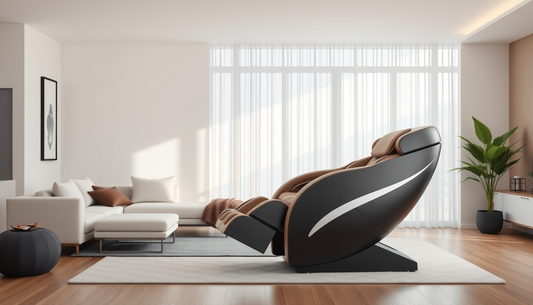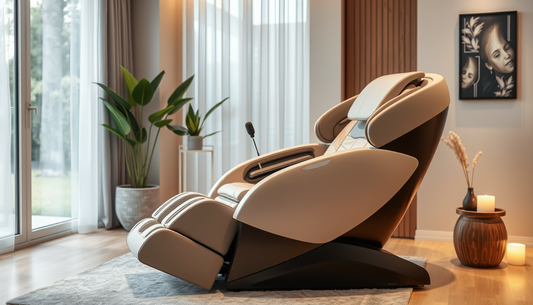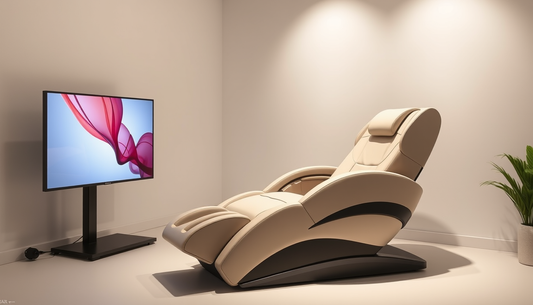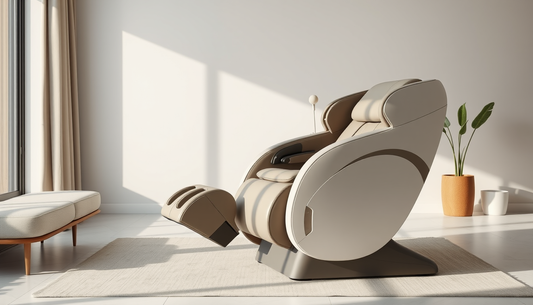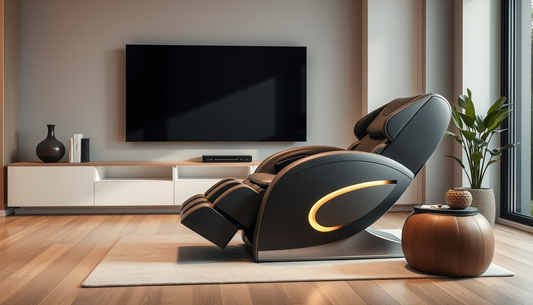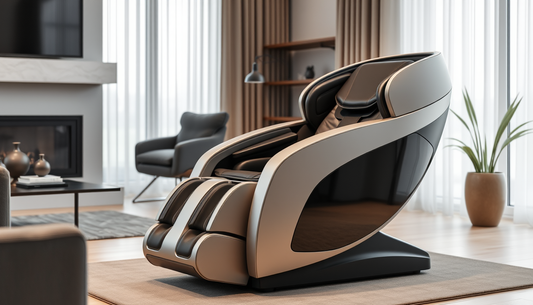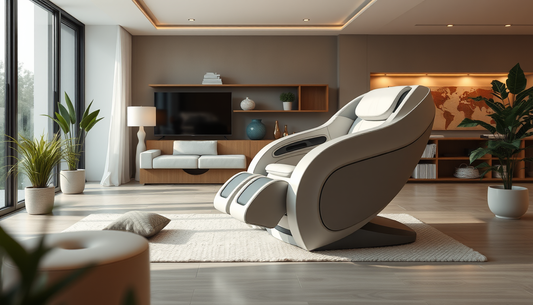
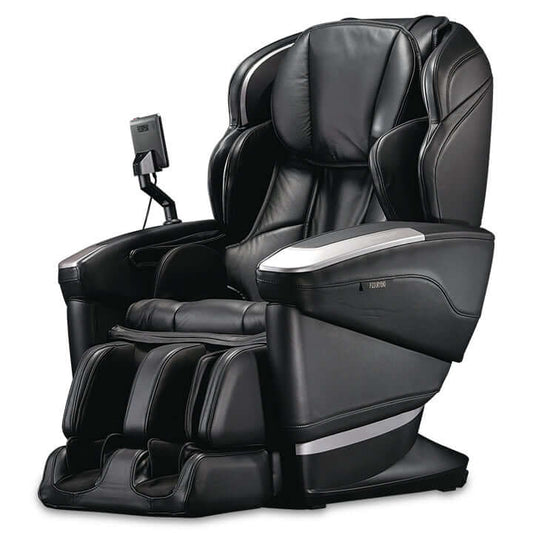

Fujiiryoki Massage Chair Techniques Unveiled: A Visual Guide to Swedish, Shiatsu, Deep Tissue, Reflexology & Acupressure for Ankle-to-Head Wellness
Introduction
Welcome to a comprehensive exploration of how Fujiiryoki massage chairs translate professional techniques into a transformative home wellness experience. This extended visual guide delves into Swedish, Shiatsu, Deep Tissue, Trigger Point, Kneading, Acupressure, and Reflexology, with an emphasis on the journey from ankle to head. Whether you seek relief for sore feet after a long day, renewed mobility in the shoulders, or steady spine alignment, Fujiiryoki’s intelligent design brings clinician-level massage into your living space.
As you read, imagine a guided tour along the entire chain of your body: from ankle and heel through calves, knees and thighs, continuing up the back, neck, and shoulders, and finally reaching the hands, wrists, and head. The goal is holistic wellness, not just localized relief. The Fujiiryoki platform uses adaptive scanners, precision rollers, and air cell systems to map your physiology and tailor each stroke to your current needs.
Why Fujiiryoki Stands Out
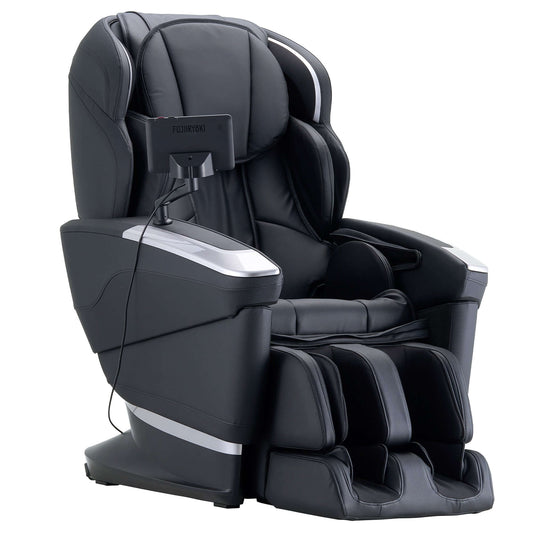
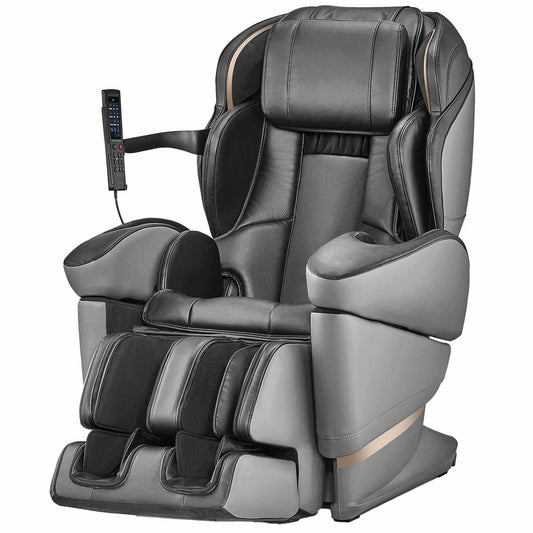
Fujiiryoki chairs distinguish themselves with a blend of advanced sensing technology, biomechanically designed massage heads, and massage logic that prioritizes safety and effectiveness. Key differentiators include:
- Real-time body scanning that identifies work zones for the ankles, back, neck, and more
- Adaptive rollers that adjust pressure and rhythm to fit your contour
- Air cell systems that modulate compression for a precise, spa-like feel
- Quiet operation and ergonomic fit designed for longer sessions without fatigue
- Extensive program libraries that combine multiple techniques in a seamless sequence
Beyond hardware, Fujiiryoki emphasizes a holistic wellness philosophy. The chairs are designed to support blood flow, muscle recovery, flexibility, and stress relief across the full body—while remaining safe for everyday use by people with varying fitness levels and mobility needs.
A Visual Guide to Ankle-to-Head Wellness
This guide follows a practical framework: begin with a gentle session to prepare the body, then progressively engage deeper techniques as your tolerance and goals permit. You can think of it as a curated itinerary that touches each major region: ankles, calves, knees, thighs, back, neck, shoulders, arms, hands, wrists, and head. The techniques described here are commonly available in Fujiiryoki models, with variations by model tier and control interface.
Core Massage Techniques and How They Apply
Each technique on a Fujiiryoki chair aims to address specific physiological effects while delivering comfort and ease of use. The following sections outline the technique, typical on-chair patterns, and the wellness benefits you can expect when used as part of a regular routine.
Swedish Massage with Fujiiryoki
Swedish massage on a chair recreates the classic long, gliding strokes known as effleurage, followed by gentle kneading and rhythmic tapping. On Fujiiryoki, these strokes travel along major muscle groups from the feet up through the calves, thighs, back, and neck. The result is a soothing, full-body effect that enhances circulation and promotes relaxation.
- Primary benefits: improved blood flow, fatigue relief, stress reduction
- Target areas: ankles, calves, thighs, back, neck, shoulders
- Best use: warm-up sessions, daily wind-down routines, and mild recovery days
Pro tips: start with a light setting to acclimate your muscles, then increase gradually as comfort allows. For best results, pair Swedish sessions with diaphragmatic breathing to amplify relaxation and lymphatic drainage.
Deep Tissue Massage Experience
Deep tissue massage focuses on deeper muscle layers and fascia to address chronic tension and postural imbalances. Fujiiryoki uses targeted rollers, controlled grip, and precise contouring to reach impeded areas—typically the back, shoulders, outer thighs, and calves—while protecting joints with measured pressure and slower rhythms.
- Primary benefits: stiffness reduction, improved posture, accelerated muscle recovery
- Target areas: back, shoulders, thighs, calves, and hips
- Best use: post-workout recovery, desk-job fatigue, and stiffness relief
Safety note: if you have acute injuries or a history of surgical implants, adjust intensity conservatively and consult a clinician if unsure about high-pressure sessions.
Trigger Point Massage for Knots
Trigger points are localized knots that can radiate pain or tightness. The chair targets these knots with focused pressure on the neck, shoulders, and upper back, working to release adhesions and restore range of motion. Across the ankle-to-head map, trigger point sessions help resolve stubborn tight spots that often accumulate from long days of desk work or athletic training.
- Primary benefits: pain relief at specific sites, improved mobility
- Target areas: neck, upper back, shoulders, sometimes arc regions of the calves
- Best use: short, frequent bursts of deeper work for chronic tension
Practical tip: combine trigger point work with light Swedish strokes for a balanced approach that avoids over-stressing tender zones.
Kneading and Tissue Therapy
Kneading emulates the hands of a therapist pooling and squeezing muscle tissue to stimulate circulation and break up adhesions. Fujiiryoki kneading sequences glide across the legs, arms, and trunk, promoting tissue elasticity and faster recovery after activity. This technique is particularly effective for maintaining tissue health in the calves, thighs, arms, and core muscles.
- Primary benefits: tissue elasticity, improved circulation, preparation for movement
- Target areas: legs, arms, and trunk regions
- Best use: post-activity relaxation and ongoing tissue maintenance
Tip: incorporate kneading as part of a cooldown routine after workouts to help reduce delayed onset muscle soreness.
Shiatsu Massage
Shiatsu draws on finger pressure applied along energy meridians to rebalance the body. Fujiiryoki harnesses measured fingerlike pulses that travel from the feet upward, addressing key zones in the ankles, calves, back, neck, and shoulders. The goal is to harmonize energy flow, reduce tension, and promote a sense of grounded vitality.
- Primary benefits: energy balance, tension reduction, stress relief
- Target areas: feet, ankles, calves, neck, shoulders
- Best use: stress relief sessions and upper body tension release
Shiatsu on the chair is often gentler than high-intensity manual sessions, making it suitable for sensitive periods or for users seeking a meditative massage experience.
Acupressure and Reflexology
Acupressure and reflexology extend traditional maps into the home chair. Foot and hand reflex zones are stimulated to support relaxation, circulation, and nerve function, with the understanding that certain zones correspond to physiological systems. On Fujiiryoki, these zones receive careful attention during an ankle-to-head routine, contributing to systemic balance and improved fatigue relief.
- Primary benefits: improved peripheral circulation, nerve balance, fatigue relief
- Target areas: feet, hands, and corresponding reflex zones in the body
- Best use: longer sessions that emphasize relaxation and systemic wellness
Reflexology sessions can be sequenced with other techniques to create a holistic health itinerary that covers both distal and proximal regions.
Reflexology and Whole Body Wellness
Reflexology at home aims to connect the micro and macro scales of wellness. By focusing on the feet and hands, the chair supports reflex zones associated with major organs and systems, helping to balance energy, reduce stress, and improve overall feelings of vitality. A well-designed reflexology sequence can be both soothing and energizing, depending on your goals and the time of day.
- Primary benefits: systemic balance, stress relief, enhanced circulation
- Target areas: feet, hands, and corresponding reflex maps
- Best use: comprehensive sessions that blend multiple techniques for full-body wellness
Safety and Usage Tips
To maximize safety and benefits, begin with lighter settings and gradually increase as your body adapts. Follow the user manual for preset programs and consult a professional if you have medical concerns, recent injuries, or chronic conditions. Key guidelines include:
- Avoid high-intensity sessions on acutely injured joints or fractures
- Do not use while intoxicated or while operating heavy machinery
- Hydrate before and after sessions to support circulation and toxin elimination
- Combine massage with light stretching to improve flexibility and range of motion
Choosing the Right Fujiiryoki Model
Selecting a chair that matches your wellness goals, space, and budget is essential. Consider the following when shopping:
- Adaptive roller systems and 3D movement for deep tissue work
- Full-body air cell coverage and adjustable intensity
- Multiple massage programs including Swedish, Deep Tissue, Shiatsu, and Reflexology
- User-friendly controls, mobile app integration, and quick presets
- Foot and calf focus options for ankle-to-head optimization
If possible, test seat and recline comfort, noise level, and heat therapy options to ensure a seamless experience during longer sessions.
Maintenance and Care
Maintaining performance and longevity is simple with regular cleaning and care. Follow these best practices:
- Wipe down surfaces with a soft, damp cloth after use to remove oils and perspiration
- Check cushions and rollers for wear and replace parts as recommended by the manufacturer
- Keep the chair away from direct sunlight and extreme temperatures to preserve materials
- Schedule periodic professional servicing if your model includes complex electronic components
Targeted Body Parts and Techniques Overview
To help you plan a routine, here is a concise mapping of common body parts to the massage techniques:
- Ankle and Heel: Swedish, Shiatsu, Reflexology, Acupressure
- Calf: Swedish, Deep Tissue, Kneading
- Knee: Swedish, Trigger Point, Kneading
- Legs and Thighs: Swedish, Deep Tissue, Kneading
- Back: Swedish, Deep Tissue, Trigger Point, Shiatsu
- Neck and Shoulders: Shiatsu, Trigger Point, Swedish
- Hands and Wrists: Reflexology, Acupressure
- Head and Face: Gentle Swedish, Reflexology cues
- Whole Body: Integrated sequences combining multiple techniques
Putting It All Together: A Sample 60-Minute Ankle-to-Head Session
Duration helps manage expectations and ensures you receive a balanced treatment. A well-rounded 60-minute routine might look like this:
- 5 minutes: gentle Swedish warm-up across the legs and back
- 15 minutes: targeted deep tissue work on the back, glutes, and calves
- 10 minutes: trigger point release in neck and shoulders
- 10 minutes: kneading across the thighs and arms
- 10 minutes: shiatsu along the spine and meridians
- 10 minutes: reflexology and acupressure on feet and hands
Adjust the sequence to your preferences, time constraints, and comfort level. Consistency matters; even shorter sessions on a regular basis can compound improvements in circulation, mobility, and mood.
Frequently Asked Questions
Here are common questions users have about Fujiiryoki massage chairs and ankle-to-head wellness:
- Are Fujiiryoki chairs safe for people with back problems?
- Can I use these chairs daily?
- Which settings are best for beginners?
- How do I optimize for foot reflexology at home?
- Do these chairs heat up or offer stretch features?
Conclusion
Fujiiryoki massage chairs offer an extensive, adaptable platform for achieving wellness from ankle to head. By embracing a range of techniques—Swedish, Shiatsu, Deep Tissue, Trigger Point, Kneading, Acupressure, and Reflexology—you can craft personalized routines that support blood flow, fatigue relief, flexibility, and stress management. The journey from ankle to head is more than a sequence of strokes; it is a holistic practice that aligns body, mind, and energy for everyday vitality. Explore the model that best fits your space, invest in a sustainable routine, and transform how you recover, recharge, and live with comfort."
Tags:
Previous
Fujiiryoki Massage Chairs Uncovered: A Structured, Visual Guide to Techniques (Swedish, Shiatsu, Deep Tissue, Reflexology) and Full-Body Benefits
Next
Fujiiryoki Massage Chairs Demystified: A Presenter-Style Guide to Targeted Techniques (Swedish, Shiatsu, Deep Tissue, Reflexology, Acupressure) and Full-Body Benefits