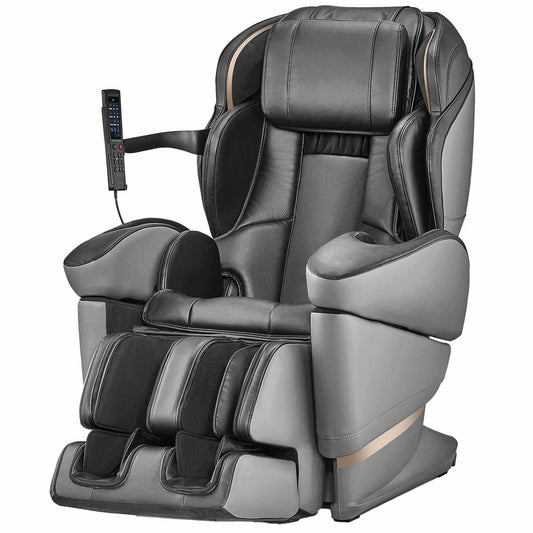
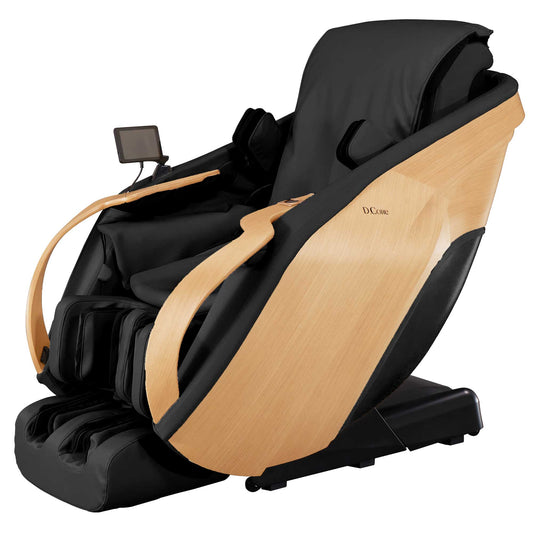
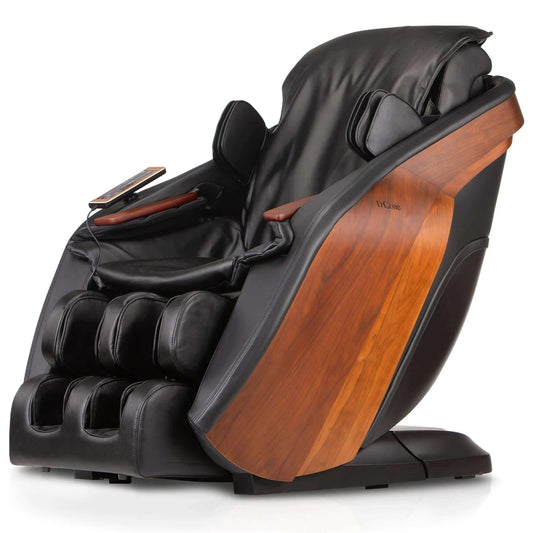
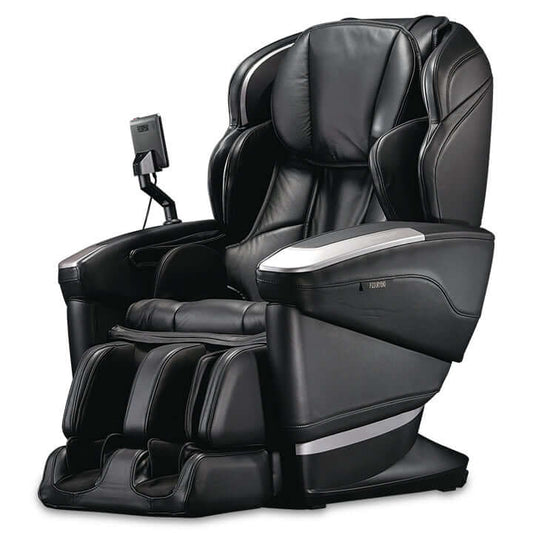

Fujiiryoki Massage Chairs Demystified: A Presenter-Style Guide to Targeted Techniques (Swedish, Shiatsu, Deep Tissue, Reflexology, Acupressure) and Full-Body Benefits
Welcome to an extended, presenter style guide that dives deep into Fujiiryoki massage chairs and translates their sophisticated techniques into actionable demonstrations. Whether you are hosting a workshop, delivering a product demo, or guiding a wellness class, this guide is designed to help you articulate how targeted techniques work and why they matter for overall health and mobility. We will cover Swedish, Shiatsu, Deep Tissue, Reflexology, Acupressure, Trigger Point, and Kneading, and show how these methods map to a comprehensive set of full body benefits.
Core Presentation Framework for Fujiiryoki Demos
Before we dive into each technique, establish a consistent framework for your presentation. A clear structure helps your audience track how a single chair can deliver multiple modalities and why the results matter. Use the following sequence in every demonstration:
- Intro to the technique and its clinical rationale
- Live demonstration on chosen target regions
- Explain the key settings and how they affect depth, duration, and coverage
- Show real world benefits that audiences can feel within minutes
- Q A or rapid hands on practice if feasible
In practice, begin with a brief baseline assessment of posture or muscle tension, then move through the techniques in a logical sequence that builds from gentle to deeper work and from specific regions to whole body coverage.
Swedish Massage: Gentle, Long Stroke Relxation and Mobility
Swedish massage on Fujiiryoki chairs is designed to mimic traditional long stroke massage along major muscle groups. It emphasizes smooth, continuous motions that promote relaxation and circulation while maintaining comfort.
- Targeted areas: Back, Shoulders, Neck, Calf, Ankle, Feet, Hands, Legs, and Whole Body coverage at light to moderate intensity
- Best for: Stress relief, general relaxation, improved circulation, and early recovery after activity
- Key settings: Gentle rollers, longer stroke patterns, moderate pressure, slower tempo
Demonstration tips: begin with a calm voice and slow breath, invite the audience to notice warmth, and pair the scene with light breathing cues to maximize the mind body connection. Use a brief heat therapy or aromatherapy overlay to enhance the effect during presentation.
Deep Tissue Massage: Targeted Pressure for Deeper Relief
Deep tissue on a Fujiiryoki system emulates slower, deeper pressure directed at deeper muscle layers. The aim is to address chronic tension and stiff areas with controlled, precise work.
- Targeted areas: Back, Neck, Shoulders, Glutes, Thighs, Calves, Knees, Feet
- Best for: Chronic soreness, post workout recovery, stiffness from desk work
- Key settings: Increased depth, slower pace, zone based or segmented work for localized tension
Demonstration tips: narrate how slower, focused pressure can unlock knots and restore tissue pliability. Pair with gentle stretching and mobility cues after the deep work for a lasting effect in your audience.
Trigger Point Massage: Localized Pressure to Release Knots
Trigger point mode targets specific tight bands or knots that radiate tension to surrounding regions. In Fujiiryoki chairs, this translates to concentrated rollers and precise compression for problem pockets.
- Targeted areas: Neck, Shoulders, Upper Back, Lower Back, Hamstrings, Calves, Feet
- Best for: Releasing acute knots, reducing referred pain, restoring muscle balance
- Key settings: Focused intensity, spot massage patterns, shorter pulses
Demonstration notes: point out the difference between broad strokes and targeted trigger point work. Explain the normal transient sensitivity that may follow knot release and how that indicates effective tension relief.
Acupressure: Meridian Driven Pressure for Energy Flow and Relief
Acupressure mode aligns with traditional meridian concepts by applying steady point focused pressure along energized pathways. Fujiiryoki models deliver timed point sequences designed to modulate energy flow and ease muscular tension.
- Targeted areas: Head, Neck, Shoulders, Back, Hands, Feet, Wrists; extended coverage across the body pattern
- Best for: Balanced energy, pain modulation, calming the nervous system
- Key settings: Consistent medium pressure, rhythmic cycles, zone based sequencing
Use during the demo to illustrate how breath work and mindful awareness can enhance the effect of steady pressure, especially for participants who carry stress in the neck and shoulders.
Shiatsu Massage: Finger Pressure and Flow Across Channels
Shiatsu on Fujiiryoki devices replicates finger pressure along major muscle channels to restore balance and alleviate tension. This modality focuses on precise, spaced pressure points and flow across major joints and muscle groups.
- Targeted areas: Neck, Shoulders, Back, Hips, Thighs, Knees, Calves, Feet
- Best for: Channel balance, posture support, stress relief
- Key settings: Moderate to firm pressure, point by point sequences, alternating pressure
Presentation tip: emphasize posture alignment and how regular flow can improve daytime ergonomics. A short visual cue or posture demo can help audiences connect Shiatsu with daily movement patterns.
Reflexology: Foot and Hand Maps as a Pathway to Systemic Benefit
Reflexology maps applied by Fujiiryoki chairs simulate guided footwork and hand stimulation that correlate with organ systems and body regions. This approach is ideal for illustrating systemic balance through localized touch.
- Targeted areas: Feet, Hands, Ankles, Wrists; downstream effects on the whole body
- Best for: Circulation enhancement, nerve tension relief, overall relaxation
- Key settings: Gentle to moderate pressure with rhythmic patterns tuned to foot and hand zones
In demonstrations, guide the audience through a simple foot map visualization paired with breathing cues. Explain how stimulating reflex zones can influence digestion, energy, and sleep patterns.
Kneading: Classic Massage Engine for Deep Comfort
Kneading reproduces classic massage techniques through rhythmic compression and lifting that loosen deep tissue across large muscle groups. It forms a reliable bridge between light work and intense tissue manipulation.
- Targeted areas: Back, Shoulders, Neck, Arms, Legs, Calves, Thighs
- Best for: General relaxation, tissue hydration, and endurance development
- Key settings: Balanced pressure, smooth cycles, variable speed for a soothing wrap-up
Demonstration approach: combine kneading with light stretching to show how friction and motion improve tissue pliability and reduce post activity soreness. Use a closing stretch to leave participants with a sense of ongoing relief.
Full-Body Benefits in Depth
The wellness impact of Fujiiryoki massage chairs extends beyond momentary relief. Here are the core benefits mapped to the techniques above, with practical implications you can discuss during demonstrations:
- Blood Flow Control — Enhanced circulation supports nutrient delivery and waste removal in muscle tissue
- Fatigue Relief — Reduced perceived effort after activity and improved recovery times
- Flexibility Improvement — Lengthened muscle fibers and improved joint range of motion
- Injury Recovery — Assisted healing through moderated tissue loading and movement prep
- Muscle Therapy — Targeted care for overworked or sedentary muscle groups
- Pain Relief — Management of chronic and acute discomfort through gradual depth modulation
- Spine Alignment — Support for posture through balanced, evenly distributed pressure
- Stress Relief — Activation of the parasympathetic response via calm, rhythmic sequences
- Tissue Therapy — Hydration and pliability improvement within connective tissues
Targeted Body Parts Coverage for Presenter Sessions
To help audiences visualize benefits across the body, emphasize coverage across key regions. Use the following list as a reference during demonstrations and when guiding Q A sessions:
- Ankle
- Back
- Calf
- Feet
- Hands
- Head
- Heel
- Knee
- Legs
- Neck
- Shoulder
- Thigh
- Whole Body
- Wrist
Choosing a Fujiiryoki Model for Presenter Style Demonstrations
Not all models are equally optimized for live demos. Consider these factors when selecting a chair for teaching or presenting:
- Multi zone rollers and reliable heat therapy for regional focus
- Presets aligned with each technique and easy zone by zone customization
- Quiet operation and intuitive controls for seamless demonstrations
- Biofeedback, posture sensors, and real time metrics to enrich the narrative
In addition, ensure the chair offers clear visual feedback during transitions between modalities so your audience can track changes in sensation and posture.
Demo Workflow: A Practical 30 Minute Session Template
Use this structured flow to maximize clarity and engagement during a live demonstration. Adapt timings to your setting and audience feedback.
- Introduction and baseline posture check
- Warm up with Swedish massage focusing on back and shoulders
- Transition to deep tissue in the upper back and neck with localized focus
- Trigger point work on key tension pockets in the shoulders and hips
- Acupressure hold sequences for energy balance in the neck and wrists
- Shiatsu flow across the back and legs for channel balance
- Reflexology walk through on feet and hands with gentle patterns
- Kneading wrap up with full body coverage and a relaxing finish
- Closing Q A and audience takeaway
Use a clock and consistent language to keep the audience aware of transitions. If possible, invite a participant to experience a short portion of the session to illustrate personal relief.
Model Setup, Safety and Maintenance for Optimal Presentations
Before any session, verify model settings and ensure safe operation. Consider these tips for safe, effective demonstrations:
- Calibrate zone coverage and select appropriate intensity for varying body sizes
- Enable quiet mode and verify the feedback indicators are visible to the audience
- Prepare a short safety briefing about avoiding certain positions for injuries or acute conditions
- Keep the chair clean and ensure all surfaces are stable for demonstrations
Maintenance and readiness contribute significantly to a smooth, credible demonstration that audiences can trust.
Audience Engagement and Accessibility Strategies
To maximize impact, adapt your presentation for different learning styles and accessibility needs. Consider these strategies:
- Use simple, plain language to describe the sensations and benefits
- Incorporate visuals such as foot maps, muscle diagrams, and posture cues
- Offer hands on practice where appropriate and ensure inclusive participation
- Provide take home tips such as breathing cues, light stretches, and self massage techniques
Effective demonstrations empower audiences to relate to the chair as a practical wellness tool rather than a product alone.
Common Pitfalls and How to Avoid Them
While presenting Fujiiryoki techniques, watch for these common issues and counter them with proactive practices:
- Overloading with technical jargon — counter with simple analogies and live demonstrations
- Ignoring audience pace — pause for questions and adjust tempo to listener feedback
- Assuming uniform body responses — provide alternatives and emphasize modest expectations
- Neglecting safety instructions — include a brief safety segment at the start
Case Study: A Real-World Demo Scenario
In a recent workshop, a presenter used a Fujiiryoki chair to illustrate how a single session could blend Swedish and Shiatsu with reflexology to reduce office related tension in 25 minutes. The audience included desk workers and athletes. The session began with a baseline posture check, progressed through Swedish and Shiatsu to demonstrate flow and balance, then used reflexology to connect foot stimulation with systemic benefits. Attendees reported feeling lighter, more mobile, and better able to articulate their own post demo improvements. This case demonstrates the value of a clear sequence, audience involvement, and practical takeaways.
Frequently Asked Questions for Presenters
- What is the best order for the techniques during a demo
- How can I tailor intensity for different participants
- What level of detail should I share about the science behind the techniques
- How do I handle audience questions during the demo
Conclusion: Elevate Your Demos with a Targeted Technique Map
Understanding how Fujiiryoki massage chairs translate Swedish, Shiatsu, Deep Tissue, Reflexology, Acupressure, Trigger Point, and Kneading into tangible benefits allows presenters to deliver engaging, evidence based demonstrations. This extended guide provides a practical framework for technique execution, body parts coverage, and full body wellness outcomes. By combining clear demonstrations, audience participation, and practical takeaways, your sessions can leave participants with a tangible sense of relief, mobility, and well being.
Tags:
Previous
Fujiiryoki Massage Chair Techniques Unveiled: A Visual Guide to Swedish, Shiatsu, Deep Tissue, Reflexology & Acupressure for Ankle-to-Head Wellness
Next
Fujiiryoki Massage Chairs: A Visual, Data-Driven Guide to Targeted Techniques and Whole-Body Wellness from Ankle to Head