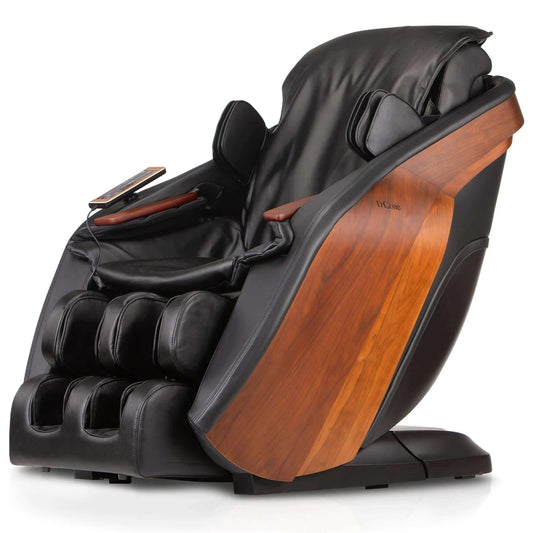
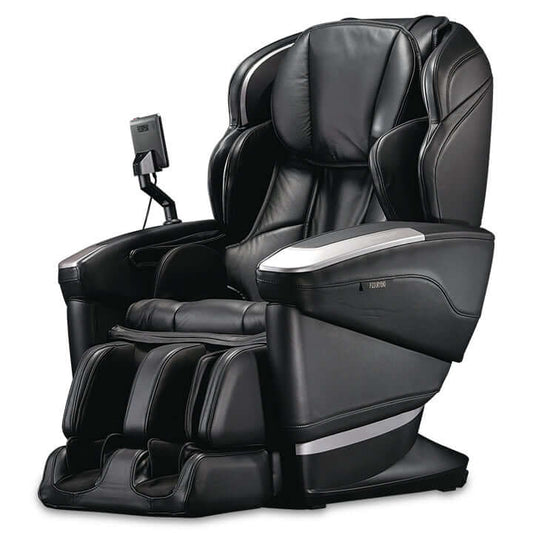

Clinician's Slide Presentation: Synca Massage Chairs — Technique-by-Technique Mapping (Swedish, Shiatsu, Deep Tissue) to Targeted Body Parts and Health Benefits
Overview and Purpose
This extended, clinician-focused slide presentation is designed to be copied into slide decks, handouts, or clinical protocols. It maps specific massage techniques available through Synca massage chairs to targeted body parts and expected therapeutic benefits. The goal is to provide clinicians, rehabilitation specialists, and product trainers with evidence-informed, practical guidance for selecting chair programs, setting parameters, monitoring outcomes, and integrating chair-based therapy into broader care plans.
How to Use This Document
- Use the slide headlines as individual presentation slides or clinician handouts.
- Adapt the session times and intensities to patient tolerance and clinical status.
- Combine chair programs with active rehabilitation, manual therapy, or exercise prescriptions where clinically indicated.
- Screen patients for contraindications before each session and document baseline measures and outcomes.
Presentation Objectives
- Provide a technique-by-technique mapping of Swedish, Shiatsu, Deep Tissue, and other modalities to body regions.
- Describe expected benefits such as pain relief, improved circulation, and fatigue reduction.
- Recommend Synca chair settings and program selection strategies for clinician use.
- Offer sample time-boxed clinical protocols, documentation templates, and integration tips for rehabilitation.
Techniques Defined
- Swedish massage: Long gliding strokes, effleurage, petrissage, vibration—focused on circulation and relaxation.
- Deep tissue massage: Slow, focused strokes with deeper pressure to engage deeper muscle fibers and fascia.
- Trigger point massage: Sustained pressure and release applied to hyperirritable points within muscle.
- Acupressure: Sustained pressure on acupoints to modulate autonomic tone and local blood flow.
- Shiatsu: Rhythmic compressions and stretches along meridian lines using palms and thumbs.
- Reflexology: Focused stimulation of plantar and palmar reflex zones intended to support systemic regulation.
- Kneading: Circular lifting of tissue to break adhesions and increase capillary exchange.
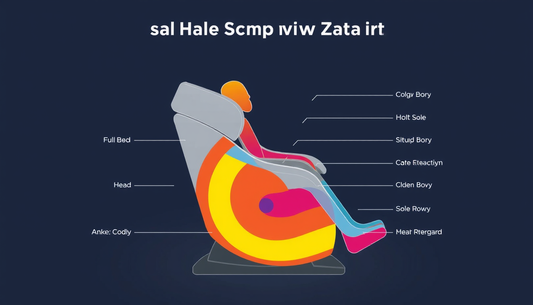
Targeted Body Parts (Clinician Reference)
- Ankle
- Back (cervical, thoracic, lumbar)
- Calf
- Feet
- Hands
- Head
- Heel
- Knee
- Legs
- Neck
- Shoulder
- Thigh
- Whole Body
- Wrist
Primary Therapeutic Benefit Categories
- Blood Flow Control
- Fatigue Relief
- Flexibility Improvement
- Injury Recovery (adjunct)
- Muscle Therapy
- Pain Relief
- Spine Alignment Support
- Stress Relief
- Tissue Therapy (scar management, adhesions modulation)
Detailed Technique Mapping: Clinical Rationale and Chair Settings
The following sections break down each technique into clinical rationale, body part suitability, expected benefits, Synca chair setting recommendations, and clinician notes for safe, effective use.
Swedish Massage
- Clinical rationale: Promotes venous and lymphatic return through effleurage, reduces sympathetic arousal, and increases tissue temperature to facilitate mobility.
- Suitable body parts: Whole Body emphasis; ideal for Back, Neck, Shoulders, Thighs, Calves, Arms, Hands.
- Expected benefits: Stress Relief, Blood Flow Control, Fatigue Relief, Flexibility Improvement, general Muscle Therapy.
- Recommended Synca settings: Low-to-medium intensity, long stroke length, rhythmic cadence, session durations of 10-20 minutes per large region depending on tolerance.
- Clinical notes: Use as an introductory program for new patients and for maintenance therapy. Ideal before stretching or exercise to warm tissues.
Deep Tissue Massage
- Clinical rationale: Targets deeper myofascial layers to address chronic tightness, thickened fascia, and persistent trigger sites that limit function.
- Suitable body parts: Back (lumbar and thoracic), Shoulders, Neck (careful), Thighs, Calves, Gluteal region.
- Expected benefits: Muscle Therapy, Pain Relief, Tissue Therapy, aid in Injury Recovery as adjunct, potential contribution to improved spine alignment through reduced paraspinal tension.
- Recommended Synca settings: Medium-to-high intensity, focused node action, shorter stroke length with slower velocity. Limit continuous deep work to 5–12 minutes per focused zone to minimize post-session soreness.
- Clinical notes: Screen for bleeding disorders, anticoagulation, acute inflammation, and severe osteoporosis. Communicate potential for transient post-treatment soreness and provide aftercare guidance (hydration, gentle movement).
Trigger Point Massage
- Clinical rationale: Releases hyperirritable spots to reduce referred pain and restore local muscle function.
- Suitable body parts: Neck, Shoulders, Upper and Lower Back, Calf, Thigh, Feet (plantar fascia), Hands.
- Expected benefits: Pain Relief, Muscle Therapy, Tissue Therapy, improved functional range of motion.
- Recommended Synca settings: Low-to-medium intensity with hold-release cycles; target pinpoint pressure for 30–90 seconds per point with reassessment. Avoid excessive pressure duration without monitoring.
- Clinical notes: Should be used by clinicians familiar with myofascial trigger point patterns. Combine with active stretching and neuromuscular re-education to consolidate changes.
Acupressure
- Clinical rationale: Applies sustained pressure to specific acupoints to alter autonomic balance, reduce pain perception, and influence local circulation.
- Suitable body parts: Head (scalp points), Neck, Back, Shoulders, Feet, Hands, Whole Body meridian-based programs.
- Expected benefits: Stress Relief, Blood Flow Control, Pain Relief, Fatigue Relief, improved sleep/relaxation when used in whole-body protocols.
- Recommended Synca settings: Moderate pressure, rhythmic pulsing, 3–10 minutes per target meridian or point cluster.
- Clinical notes: Ideal for tension-type headache management and autonomic modulation. Use cautiously in patients with peripheral vascular disease or on anticoagulants unless cleared.
Shiatsu
- Clinical rationale: Compression and rhythmic release along meridian lines stimulate parasympathetic response and reduce muscular guarding.
- Suitable body parts: Back, Neck, Shoulders, Hips/Thighs, Legs, Feet, Whole Body.
- Expected benefits: Stress Relief, Blood Flow Control, Flexibility Improvement, Tissue Therapy, Pain Relief.
- Recommended Synca settings: Medium pressure with alternating compression/hold patterns; whole-body shiatsu programs of 10–20 minutes are effective for autonomic balance.
- Clinical notes: Frequently combined with mild heating for improved tissue compliance. Assess for comfort and avoid forceful compression near bony prominences or recent fractures.
Reflexology
- Clinical rationale: Stimulates reflex zones in the feet and hands to support systemic regulation and local circulation; often perceived as highly relaxing.
- Suitable body parts: Feet (primary), Ankle, Heel, Hands, Wrist.
- Expected benefits: Blood Flow Control, Stress Relief, Fatigue Relief, Tissue Therapy.
- Recommended Synca settings: Focused rollers or nodes for plantar and palmar zones; low-to-medium intensity with rotational patterns; 5–15 minutes per session on the feet/hands.
- Clinical notes: Excellent adjunct for patients with high stress or sleep disturbance. Use lighter pressure in diabetic neuropathy or circulatory compromise unless cleared by a clinician.
Kneading
- Clinical rationale: Lifts and manipulates muscle tissue to reduce adhesions, increase capillary exchange, and improve tissue pliability.
- Suitable body parts: Back, Shoulder, Neck, Calf, Thigh, Legs, Arms, Hands.
- Expected benefits: Blood Flow Control, Muscle Therapy, Fatigue Relief, Flexibility Improvement, Tissue Therapy.
- Recommended Synca settings: Medium intensity, varied node rotation and tempo, 8–15 minutes per muscle group. Combine with stretching to consolidate gains.
- Clinical notes: Effective for chronic overuse and muscle tension. Adjust intensity for acute pain states and use shorter strokes or lower intensity for sensitive areas.
Technique-to-Body Part Quick Reference (Expanded)
Primary technique listed first, followed by useful secondary techniques, and specific benefits/clinical pearls for each body part.
-
Ankle
- Primary: Reflexology
- Secondary: Acupressure, Kneading
- Benefits: Improved local circulation, reduction in stiffness after sprain (adjunct), pain modulation for chronic tendonopathy.
- Pearl: Use light, progressive pressure near recent sprain and monitor swelling.
-
Back (Cervical, Thoracic, Lumbar)
- Primary: Kneading / Swedish
- Secondary: Deep Tissue, Shiatsu, Trigger Point
- Benefits: Spine Alignment Support via reduced paraspinal tone, Pain Relief, Muscle Therapy, improved mobility.
- Pearl: For radicular symptoms, prioritize neural safety—avoid aggressive compression over nerve root points and coordinate with imaging and clinician management.
-
Calf
- Primary: Kneading
- Secondary: Deep Tissue, Trigger Point
- Benefits: Blood Flow Control, relief of muscular fatigue, reduction in post-exertional tightness.
- Pearl: Screen for DVT signs before therapy in acute symptomatic limbs; use light-to-moderate pressure and elevate after session if swelling increases.
-
Feet
- Primary: Reflexology
- Secondary: Shiatsu, Acupressure
- Benefits: Autonomic modulation, Stress Relief, improved local circulation and plantar tissue mobility.
- Pearl: Adjust pressure for neuropathy or painful plantar fasciopathy; combine with calf stretching and eccentric loading programs for plantar fasciitis.
-
Hands
- Primary: Reflexology
- Secondary: Trigger Point, Swedish
- Benefits: Pain Relief, fatigue reduction for repetitive strain, improved dexterity comfort.
- Pearl: Useful adjunct for occupational health programs; be cautious in inflammatory arthropathies with active joint swelling.
-
Head
- Primary: Acupressure
- Secondary: Swedish, Shiatsu
- Benefits: Reduction of tension-type headache symptoms, decreased autonomic arousal, improved sleep onset in some patients.
- Pearl: Use light pressure and confirm absence of intracranial pathology signs when headaches are new or changing.
-
Heel
- Primary: Trigger Point (plantar fascia)
- Secondary: Reflexology, Kneading
- Benefits: Pain Relief, targeted tissue therapy for plantar fasciitis adjunct to loading programs.
- Pearl: Progressively increase pressure to avoid exacerbations; combine with eccentric loading and footwear advice.
-
Knee
- Primary: Swedish (surrounding tissue)
- Secondary: Deep Tissue, Acupressure
- Benefits: Pain Relief, Flexibility Improvement of peripatellar tissue, adjunct for osteoarthritis symptom relief when used conservatively.
- Pearl: Avoid direct compression on inflamed joint effusions; focus on quadriceps, hamstring, and calf musculature.
-
Legs
- Primary: Swedish / Kneading
- Secondary: Deep Tissue
- Benefits: Improved circulation, reduced DOMS, enhanced recovery after exercise.
- Pearl: Combine with compression and active recovery strategies for athletes.
-
Neck
- Primary: Swedish / Trigger Point
- Secondary: Shiatsu, Gentle Deep Tissue
- Benefits: Pain Relief, Stress Relief, improved cervical ROM.
- Pearl: Evaluate for cervicogenic headache patterns and vertebral artery risk factors before aggressive neck programs.
-
Shoulder
- Primary: Trigger Point / Deep Tissue
- Secondary: Swedish, Kneading
- Benefits: Pain Relief, improved scapulothoracic mechanics, flexibility gains in rotator cuff-related tension.
- Pearl: Use chair settings to focus on upper trapezius and deltoid regions; pair with mobility and strengthening interventions.
-
Thigh
- Primary: Kneading / Deep Tissue
- Secondary: Swedish
- Benefits: Muscle Therapy, Blood Flow Control, improved recovery after exertion.
- Pearl: For hamstring strains, limit intensity early and use gentle lymphatic-friendly techniques to reduce swelling.
-
Whole Body
- Primary: Swedish / Shiatsu
- Secondary: Reflexology, targeted Deep Tissue for problem areas
- Benefits: Global Stress Relief, systemic blood flow modulation, overall fatigue reduction, preparatory relaxation before therapy sessions.
- Pearl: Use whole-body programs for general recovery days and as baseline sessions for chronic stress management.
-
Wrist
- Primary: Reflexology / Acupressure
- Secondary: Trigger Point
- Benefits: Pain Relief, fatigue relief for repetitive strain injuries, adjunct to ergonomic interventions.
- Pearl: For carpal tunnel or neuropathic symptoms, integrate with median nerve sliders and medical evaluation.
Sample Clinician Protocols: Time-Boxed and Goal-Oriented
Use these as templates. Adjust timing and intensity to patient goals and tolerance.
-
Office Tension Relief — 20 minutes
- Neck/Shoulder Swedish: 8 minutes (low-medium intensity)
- Trigger Point release upper trapezius: 6 minutes (targeted hold-release)
- Cervical acupressure points and gentle shiatsu compressions: 6 minutes
- Goals: Reduce perceived stress, decrease frequency of tension headaches, increase neck ROM.
-
Lower-Limb Recovery — 30 minutes
- Calf kneading: 8 minutes (medium intensity)
- Thigh deep tissue on hamstrings/quads: 10 minutes (moderate to deep, limited duration)
- Foot reflexology and ankle acupressure: 8 minutes
- Gentle whole-leg Swedish sweep: 4 minutes
- Goals: Reduce DOMS, improve circulation, prepare patient for return to exercise within tolerance.
-
Chronic Low Back Support — 30–40 minutes
- Lumbar kneading: 10–12 minutes
- Deep tissue focal release for paraspinals: 8 minutes (careful monitoring)
- Shiatsu compression along thoracolumbar junction: 8 minutes
- Gluteal kneading and hip mobilizing acupressure: 6–8 minutes
- Goals: Reduce paraspinal hypertonicity, decrease pain, improve tolerance for strengthening exercises.
-
Headache and Sleep Support — 25 minutes
- Scalp acupressure and light shiatsu head compressions: 8 minutes
- Neck Swedish and trigger point release: 10 minutes
- Whole-body Swedish for relaxation: 7 minutes
- Goals: Reduce tension-type headache frequency, promote relaxation and sleep onset.
Monitoring, Outcome Measures, and Documentation
- Baseline measures: Numeric pain rating, reported functional limitation (e.g., Neck Disability Index or region-specific tools), range of motion, and patient-reported stress/fatigue levels.
- Immediate post-session measures: Pain rating, subjective tolerance, and any adverse sensations such as numbing or increased pain.
- Short-term outcome tracking: 1–2 week pathway for symptom change, function improvement, and medication reduction if applicable and supervised.
- Documentation template suggestions: Technique used, intensity level, duration per region, patient tolerance, immediate outcome, next session plan, and any adverse events.
Contraindications, Precautions, and Red Flags
- Absolute contraindications: Unstable fractures, uncontrolled deep vein thrombosis, active infection over treatment area, open wounds, and unstable cardiovascular conditions. If in doubt, consult the patient's medical team.
- Relative contraindications/precautions: Severe osteoporosis, severe peripheral neuropathy, uncontrolled hypertension, recent surgery, pregnancy (use pregnancy-safe programs), and anticoagulant therapy—consider gentler settings and medical clearance.
- Red flags warranting medical review: Increasing swelling, shortness of breath after session, new or worsening neurologic deficit, and systemic signs of infection.
- Clinician action points: Always screen with a pre-treatment checklist and obtain informed consent for chair-based therapy that includes potential for transient post-treatment soreness.
Integration With Multimodal Rehabilitation
- Pre-exercise preparation: Use Swedish or mild kneading programs to warm tissue before stretching or strengthening sessions.
- Adjunct to manual therapy: Use chair programs to maintain gains achieved in manual therapy sessions and to facilitate home program adherence.
- Trigger point integration: Follow trigger point release with active range-of-motion and neuromuscular re-education to prevent recurrence.
- Chronic pain management: Incorporate chair-based sessions into a graded activity program and behavioral pain management strategies.
Practical Implementation Checklist for Clinics
- Obtain clinic policy approval for device use and document staff training on Synca chair operation.
- Develop patient screening form including comorbidities, medications, and red flag symptoms.
- Define program library of preferred Synca settings for common presentations (e.g., office tension, lumbar care, recovery protocols).
- Set expectations with patients about session sensations, duration, and aftercare.
- Maintain a monitoring and incident log for any adverse events related to chair use.
Case Examples and Clinical Reasoning
These anonymized case scenarios illustrate practical decision-making when selecting chair programs.
-
Case 1: Office Worker With Chronic Neck Tension
- Assessment highlights: 6/10 intermittent neck pain, limited rotation, frequent tension headaches.
- Protocol chosen: Neck/Shoulder Swedish 10 minutes + Trigger point upper trapezius 6 minutes + Cervical acupressure 4 minutes (20 minutes total).
- Rationale: Start with relaxation and circulation-enhancing Swedish strokes, follow with targeted trigger point release for persistent nodules, then finish with acupressure for autonomic downregulation.
-
Case 2: Recreational Runner — Calf/Plantar Pain
- Assessment highlights: Post-run calf tightness and intermittent plantar heel pain; no red flags.
- Protocol chosen: Calf kneading 8 minutes, Thigh Swedish 6 minutes, Foot reflexology 8 minutes (22 minutes total).
- Rationale: Kneading to reduce calf tone and improve venous return, mild work on thigh to influence kinetic chain, reflexology to address plantar tissue and promote relaxation.
Patient Education and Aftercare
- Explain expected sensations: relaxation, warmth, and occasional mild soreness after deeper work that typically resolves in 24–48 hours.
- Hydration: Encourage drinking water post-session to assist metabolic clearance.
- Activity guidance: Gentle stretching and progressive activity; avoid aggressive loading for 24 hours after deep tissue work if soreness occurs.
- When to seek follow-up: If pain increases, new numbness develops, or there is swelling or systemic symptoms.
Optimizing SEO for Clinician and Product Pages
Clinicians and clinics that publish content about Synca chairs should balance technical accuracy with accessible search terms to reach patients and buyers. Use the following content strategies for product pages or clinician resources:
- Primary keywords to include naturally: Synca massage chairs, Swedish massage, Shiatsu, Deep Tissue, reflexology, trigger point massage, chair settings, clinician protocol.
- Secondary keywords and long-tail phrases: 'Synca chair neck and shoulder program for tension headaches', 'deep tissue chair program for lumbar pain', 'chair-based reflexology for stress relief'.
- Use structured headings (H2, H3) and lists to improve readability and search engine scanning.
- Include clinician-authored content, outcome measures, and safety screening checklists to build trust and authority signals for search ranking.
- Add patient-centered FAQs and downloadable clinician slide decks to increase dwell time and backlink potential.
Frequently Asked Questions (Clinician-Focused)
-
Q: How often can patients safely use a Synca chair?
- A: Frequency should be individualized. Maintenance programs for chronic tension may be used 2–3 times weekly; acute post-exertion sessions may be used daily for short periods. Monitor tolerance and coordinate with medical care.
-
Q: Can a Synca chair replace hands-on manual therapy?
- A: Chair-based therapy is complementary. It is useful for maintenance, preparatory work, and adjunctive therapy but should be integrated into a broader care plan including manual therapy and active rehabilitation when indicated.
-
Q: What documentation should be stored after each session?
- A: Record technique/program used, intensity level, duration per region, pre/post pain scores, patient tolerance, and any adverse events. Include plan for next session.
Implementation Roadmap for Clinics
- Procure device and ensure staff training on programming and safety features.
- Develop treatment protocols aligned with clinical priorities (e.g., office ergonomics, sports recovery, chronic pain management).
- Create a patient screening and consent form tailored to chair therapy.
- Pilot programs with outcome measurement for 6–8 weeks and analyze results for clinical effectiveness and patient satisfaction.
- Scale successful protocols and create patient education materials and slide decks for waiting rooms and website content.
Risk Management and Quality Assurance
- Maintain service logs for the chair and ensure electrical and mechanical safety inspections per manufacturer guidance.
- Track adverse events and near-misses; conduct periodic staff refresher training on contraindications and emergency response.
- Solicit routine patient feedback to refine intensity presets and program lengths for your clinic population.
Suggested Slide Deck Structure for Clinicians
For easy conversion into a slide deck, use the following slide order and content bullets for each slide:
- Title slide and objectives
- Techniques overview with one-line descriptions
- Targeted body parts list
- Benefit categories summarized
- Individual technique slides (Swedish, Deep Tissue, Trigger Point, Acupressure, Shiatsu, Reflexology, Kneading) with settings and precautions
- Technique-to-body part quick reference table
- Sample protocols (time-boxed)
- Contraindications and screening form example
- Outcome measures and documentation template
- Case examples and clinical reasoning
- Patient education and aftercare slide
- Implementation checklist and safety slide
- Closing slide with references and resources
References and Evidence-Informed Guidance
Clinicians should consult current peer-reviewed literature on massage therapy, myofascial techniques, and rehabilitation for condition-specific evidence. Where device-specific trials exist, integrate findings into protocols. This document provides pragmatic clinical mapping and is not a substitute for medical judgment or individualized care planning.
Closing Summary and Next Steps
Synca massage chairs can be a versatile adjunct in clinical settings when programs are selected with clear therapeutic intent and safety screening. Use Swedish and Kneading for broad circulation and relaxation; Deep Tissue and Trigger Point programs for persistent myofascial dysfunction; Shiatsu and Acupressure for autonomic modulation and stress relief; Reflexology for foot/hand-centric systemic approaches. Document outcomes, iterate protocols, and integrate chair programs into multimodal rehabilitation to maximize patient-centered benefits.
Appendix: Sample Screening Checklist (One-Page)
- Current reason for visit and target area(s)
- Active medical conditions: cardiovascular, clotting, neuropathy, cancer
- Recent surgeries or fractures (dates)
- Medications: anticoagulants, immunosuppressants, analgesics
- Pregnancy status
- Signs of infection or open wounds in treatment area
- Any previous adverse experience with massage or chair therapy
- Consent checkbox for chair therapy and acknowledgment of possible transient soreness
Appendix: Clinician Notes Template
- Date and clinician initials
- Patient baseline measures (pain score, function, ROM)
- Technique/program selected and Synca settings (intensity, duration, heat on/off)
- Patient tolerance and immediate outcomes
- Plan for follow-up and coordination with other therapies
Final Recommendation
Start with conservative settings, document closely, and progressively tailor intensity and duration to clinical objectives and patient response. When implemented thoughtfully, Synca massage chairs are a scalable, clinician-friendly tool to support circulation, reduce pain, and enhance recovery within multidisciplinary care pathways.
Tags:
Previous
Presentation-Ready Guide: How Synca Massage Chairs Use Swedish, Shiatsu & Reflexology to Target Ankles, Neck & Whole‑Body for Pain Relief, Circulation & Recovery
Next
Slide Kit: Synca Massage Chair — Translating Swedish, Shiatsu, Deep‑Tissue & Reflexology Into Targeted Relief for Ankles, Neck, Back & Whole‑Body Recovery