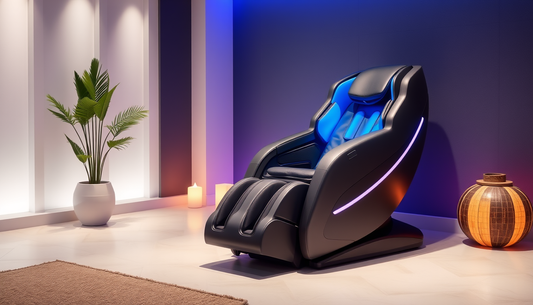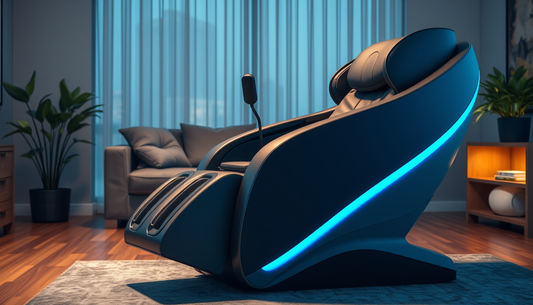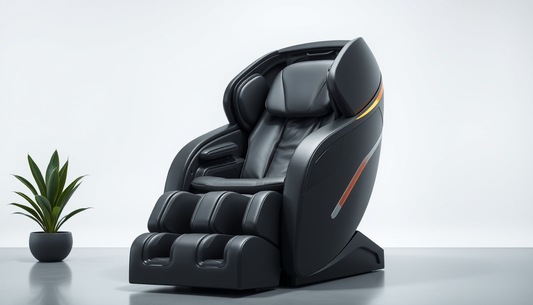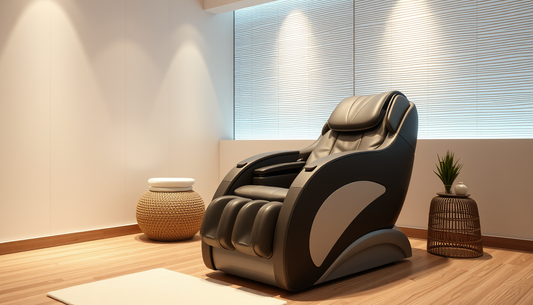
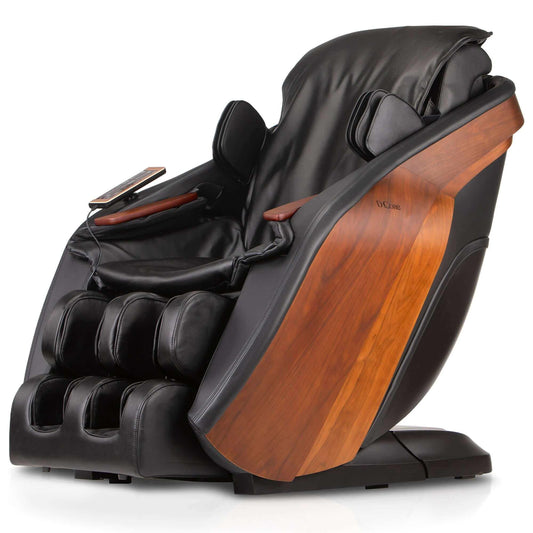
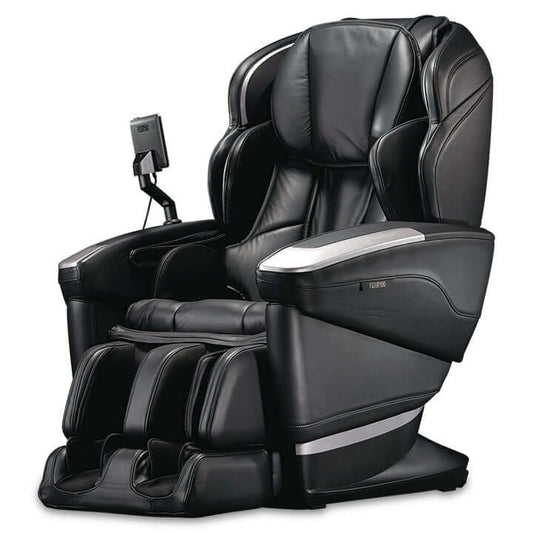

Fujiiryoki Massage Chairs Explained: A Presenter-Style Blueprint for Targeted Techniques (Swedish, Deep Tissue, Trigger Point, Acupressure, Shiatsu, Reflexology, Kneading) Across Ankle-to-Head for Whole-Body Wellness
Welcome to an expanded, presenter style blueprint that unpacks targeted massage techniques delivered by Fujiiryoki massage chairs. This guide shows how Swedish massage, Deep Tissue massage, Trigger Point work, Acupressure, Shiatsu, Reflexology, and Kneading can be applied from ankle to head to support whole body wellness. By following the blueprint, you will understand which body parts are addressed at each stage, the chair features that enable precise control, and the wide range of benefits you can expect, including blood flow control, fatigue relief, flexibility improvement, injury recovery, muscle therapy, pain relief, spine alignment, stress relief, and tissue therapy.
Why Fujiiryoki Massage Chairs Stand Out
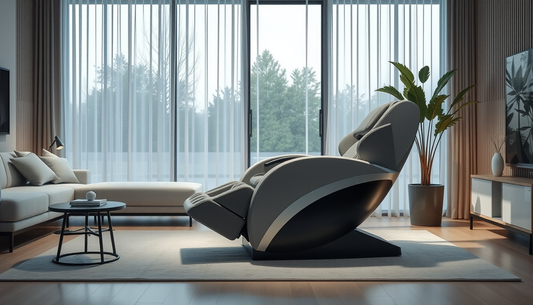
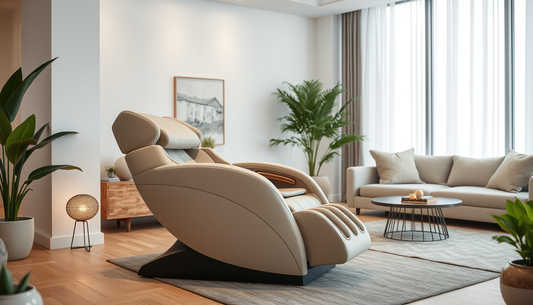
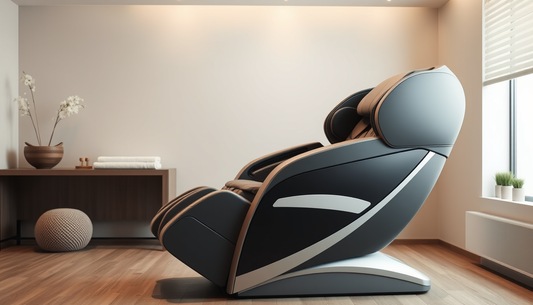
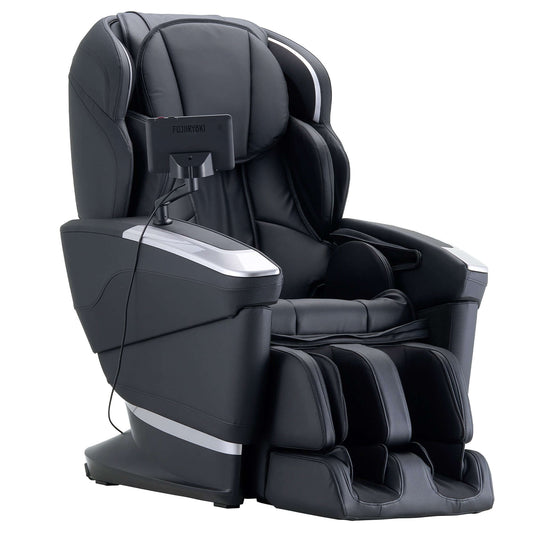
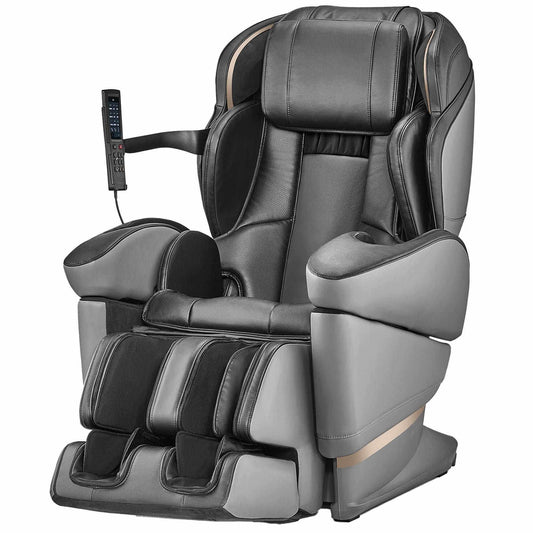
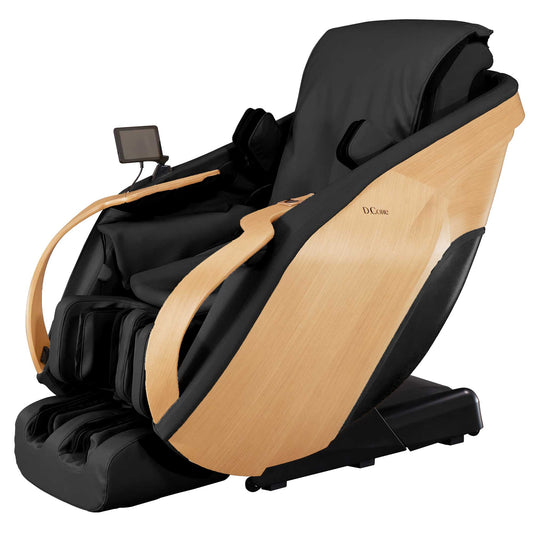
Fujiiryoki chairs are engineered to deliver professional-level techniques at home with refined control over pressure, speed, and trajectory. Advanced body scanning, heat therapy, air cell rhythms, and precision rollers work together to create a seamless, presenter-style session that targets key areas from ankle to head. The result is a customizable experience that supports whole-body wellness, whether you are decompressing after workouts, managing daily stress, or pursuing ongoing mobility and comfort.
Technique Spotlight: A Deeper Dive
Below is a comprehensive breakdown of each technique, what it does, which body parts it commonly engages, how the chair applies it, and the primary benefits you can expect. Each technique is designed to flow naturally into the next as part of a cohesive ankle-to-head sequence.
Swedish Massage
- What it is: Gentle, long strokes and rhythmic kneading designed to relax muscles and improve circulation.
- Targeted body parts: Ankle, Heel, Feet, Calf, Knee, Thigh, Back, Neck, Shoulders, Hands, Wrists, Head
- Chair application: Long gliding movements along the leg and up the back, with light to moderate pressure to warm tissues and promote lymphatic return.
- Benefits: Blood Flow Control, Fatigue Relief, Flexibility Improvement, Stress Relief, Tissue Therapy
Deep Tissue Massage
- What it is: Focused work on deeper muscle layers to release chronic tension and adhesions.
- Targeted body parts: Back, Shoulders, Neck, Calf, Knee, Thigh, Ankle, Feet
- Chair application: Slower strokes with deeper pressure on muscle bands, often following natural muscle lines from back down to legs.
- Benefits: Injury Recovery, Muscle Therapy, Pain Relief, Spine Alignment
Trigger Point Massage
- What it is: Targeting specific knots or hyperirritable spots to relieve local and referred pain.
- Targeted body parts: Neck, Shoulders, Back, Calf, Knee, Thigh, Feet
- Chair application: Precise compression and pacing to release trigger points, combining with broad strokes for balance.
- Benefits: Pain Relief, Injury Recovery, Muscle Therapy, Stress Relief
Acupressure
- What it is: Pressure on meridian points to stimulate energy flow and reduce tension.
- Targeted body parts: Neck, Shoulders, Back, Hands, Wrists, Ankles, Feet
- Chair application: Point specific pressure zones coordinated with rhythmic patterns across the body to promote circulation.
- Benefits: Blood Flow Control, Stress Relief, Tissue Therapy, Flexibility Improvement
Shiatsu
- What it is: Finger pressure and palm technique following meridian pathways to release stagnation.
- Targeted body parts: Shoulders, Neck, Back, Hip Areas, Legs, Feet
- Chair application: Alternating pressure along vertical and horizontal lines to mimic practitioner hand sequences.
- Benefits: Pain Relief, Spine Alignment, Stress Relief, Muscle Therapy
Reflexology
- What it is: Systematic stimulation of reflex zones found on the feet and hands to affect other parts of the body.
- Targeted body parts: Feet, Hands, Ankles, Wrists, Head
- Chair application: Targeted pressure points with gentle to moderate intensity to promote whole body balance.
- Benefits: Blood Flow Control, Fatigue Relief, Tissue Therapy, Stress Relief
Kneading
- What it is: Repetitive compressive kneading motions that mimic a massage therapist's grip to loosen dense tissue.
- Targeted body parts: Calf, Thigh, Back, Shoulders, Neck
- Chair application: Circular, kneading patterns that work tissue layers and promote muscle relaxation.
- Benefits: Muscle Therapy, Flexibility Improvement, Pain Relief, Injury Recovery
Ankle to Head: A Sequential Blueprint
Use this step by step sequence to maximize the coverage of targeted techniques from ankle to head in a single session. Each step integrates one or more techniques and focuses on the listed body parts to support whole body wellness.
- Step 1: Ankle and Feet. Start with gentle Swedish strokes, followed by reflexology cues on the feet to boost blood flow and fatigue relief for the ankle, heel, and toes.
- Step 2: Calf to Knee. Transition into deeper Swedish or light deep tissue patterns on the calf and knee to improve flexibility and tissue therapy on the lower leg.
- Step 3: Thigh and Back. Apply kneading and deep tissue work to the thigh muscles, then move to the lower back with careful trigger point release to support spine alignment.
- Step 4: Shoulders and Neck. Use shiatsu and acupressure patterns to ease tension in the neck and shoulders while addressing upper back tightness.
- Step 5: Arms, Hands and Wrists. Employ trigger point and reflexology cues to reduce fatigue and improve circulation in the forearms, hands and wrists.
- Step 6: Head and Scalp. Conclude with light Swedish or reflexology on the head to boost relaxation, blood flow and overall stress relief.
Expanding the Blueprint: Additional Body Parts and Focus Areas
Beyond the core sequence, you can tailor sessions to address special needs. The Fujiiryoki system can engage the following areas with targeted playlists and propulsive patterns to enhance outcomes.
- Back and Spine: Integrate deeper work on the upper and lower back to support posture and spine alignment.
- Neck and Shoulders: Prioritize muscle relaxation in the neck, shoulder girdle, and trapezius to reduce headaches and stiffness.
- Legs and Feet: Alternate between stimulation in the calves, ankles, and feet to improve circulation and reduce edema after long periods of standing.
- Arms and Wrists: Include forearm and wrist mobilization to support repetitive tasks and activity recovery.
- Head and Scalp: Finish with calming patterns to ease mental fatigue and promote deep relaxation.
Chair Features That Enable the Techniques
Understanding the hardware behind the technique helps you optimize each session. Fujiiryoki chairs typically include:
- Roller systems that simulate palm, finger, and knuckle pressure across the back and legs
- Air cell compression for limb and torso compression and decompression cycles
- Adjustable heat therapy to loosen tissue and enhance circulation
- Body scanning to tailor pressure, path, and range to your physique
- Zero gravity seating to reduce load on the spine during lengthy sessions
Session Libraries: Ready-to-Run Templates
To simplify planning, here are five ready-to-run blueprint templates you can adopt or adapt. Each includes a defined focus and a suggested sequence of techniques from ankle to head.
- Relax and Unwind Template. Swedish first, then reflexology and acupressure for a calm, restorative finish.
- Post-Workout Mobility Template. Deep tissue on legs, followed by kneading and trigger point work for fascia flexibility and recovery.
- Pain-Relief and Tension Release Template. Target neck, shoulders, and back with shiatsu, acupressure, and trigger points, ending with Swedish refreshers.
- Athletic Recovery Template. Focused deep tissue on calves and hamstrings, plus kneading on the back and shoulders to restore range of motion.
- Stress Management Template. Gentle Swedish with reflexology cues on hands and head for a balancing finish.
Benefits at a Glance: Reinforced and Expanded
- Blood Flow Control
- Fatigue Relief
- Flexibility Improvement
- Injury Recovery
- Muscle Therapy
- Pain Relief
- Spine Alignment
- Stress Relief
- Tissue Therapy
Putting It All Together: A Cohesive Routine
The presenter-style approach trains you to blend techniques into a single, cohesive session that flows from ankle to head. Start with a gentle warm-up, progress through targeted deep work, and finish with a calming, restorative sequence. The goal is to deliver balanced stimulation across the body while respecting personal tolerance for pressure and duration of touch.
Customization, Personalization, and Progression
Personalization is a core strength of Fujiiryoki chairs. Use the following guidelines to tailor intensity and emphasis over time:
- Begin with lighter settings if you are new to chair massage and gradually increase pressure as comfort improves.
- Adjust heat, speed, and roller depth to match tissue response and activity level.
- Cycle through technique sequences to discover which combinations yield the best outcomes for your goals.
Safety, Comfort, and Contraindications
While chair massage is broadly beneficial, certain individuals should exercise caution. If you have acute injuries, recent surgery, circulatory issues, or specific medical conditions, consult a healthcare professional before using a massage chair. Avoid prolonged sessions if you experience numbness, tingling, or dizziness, and always hydrate after a session to support tissue recovery.
Maintenance and Longevity of Your Fujiiryoki Chair
To maintain performance and longevity, follow these best practices:
- Keep the upholstery clean and dry; wipe with a soft, damp cloth as needed.
- Regularly inspect rollers and airbags for wear and tear and replace parts as recommended by the manufacturer.
- Dust and vacuum the air intake areas to preserve efficient operation.
- Follow the user manual for calibration and software updates to maintain accurate body scanning and preset accuracy.
Frequently Asked Questions
- Q: How long should a Fujiiryoki session last for best results? A: Beginners may start with 15–20 minutes and gradually extend to 30–45 minutes as comfort allows.
- Q: Can these chairs replace a visit to a massage therapist? A: They can complement professional care, offering convenient, targeted sessions at home.
- Q: Which technique should I start with? A: Begin with Swedish for warming and loosening, then progress to deeper work like deep tissue or trigger point based on tolerance.
- Q: Are there models that tailor to ankle-to-head sequences automatically? A: Many Fujiiryoki models feature customizable programs that emulate ankle-to-head sequences, with user-defined emphasis.
- Q: How do I measure progress? A: Track changes in perceived relaxation, range of motion, pain levels, and recovery time after activity.
Conclusion
Fujiiryoki massage chairs provide a practical, scalable path to whole-body wellness through a presenter-style blueprint that maps techniques to body parts from ankle to head. By embracing the extended toolkit—from Swedish to kneading—your sessions can be tailored to your goals, from fatigue relief and stress reduction to improved mobility and faster recovery. Experiment with order, duration, and intensity to discover what works best for your body, and enjoy the confidence that comes with a personalized, evidence-informed wellness routine in the comfort of your home.
標籤:
以前的
Fujiiryoki 按摩椅技術揭曉:2026 年瑞典式、指壓、深層組織、反射療法等從頭到腳健康的示範式指南
下一個
Fujiiryoki Massage Chairs: A Presenter-Style Deep Dive into Targeted Techniques (Swedish, Shiatsu, Deep Tissue, Reflexology) for Ankle to Head and Total-Body Wellness.