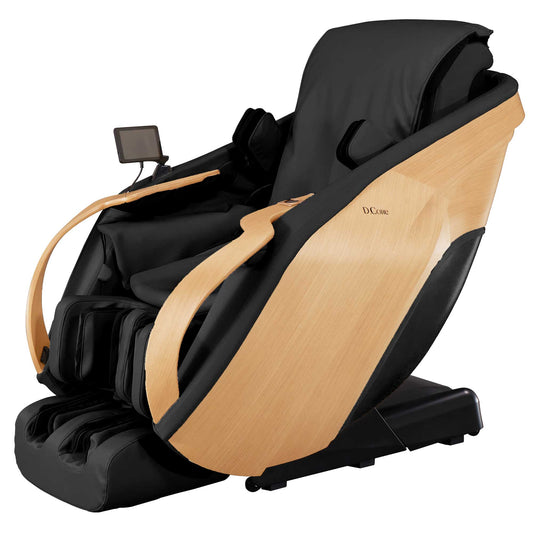
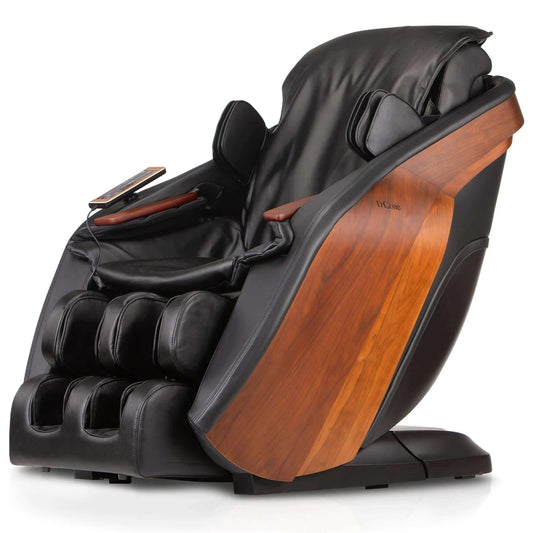
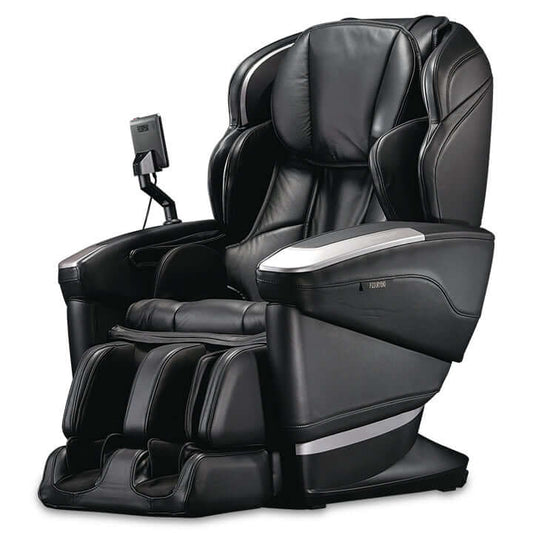
Fujiiryoki Massage Chairs: A Visual, Presenter-Style Guide to Targeted Techniques (Shiatsu, Swedish, Deep Tissue, Trigger Point, Acupressure, Reflexology, Kneading) and Benefits for Ankle to Head and Whole-Body Wellness
按摩椅問題

Fujiiryoki Massage Chairs: A Visual, Presenter-Style Guide to Targeted Techniques (Shiatsu, Swedish, Deep Tissue, Trigger Point, Acupressure, Reflexology, Kneading) and Benefits for Ankle to Head and Whole-Body Wellness

Welcome to an extended, presenter-style exploration of Fujiiryoki massage chairs. This guide uses a visual, step-by-step approach to explain how targeted techniques translate into tangible benefits from ankle to head and across the whole body. You’ll learn how each massage style works, which body parts it best serves, and how to structure sessions to maximize wellness and recovery.

A Visual, Presenter-Style Tour of Targeted Techniques

Imagine a live demonstration where I point to the chair’s zones, then show you how a single sequence transitions from relaxation to deeper tissue work. Below, you’ll see each technique mapped to its physiological effects, typical use cases, and ideal settings on Fujiiryoki chairs.

Key Massage Techniques Featured in Fujiiryoki Chairs

  • Swedish Massage – broad, long strokes that relax superficial muscles, improve circulation, and prepare the body for deeper work.
  • Deep Tissue Massage – slower, focused work that penetrates deeper layers to release chronic tension, adhesions, and tight fascia.
  • Trigger Point Massage – precise pressure on tight knots to interrupt referred pain and restore range of motion.
  • Acupressure – fingertip or palm pressure along meridians to rebalance energy and relieve localized soreness.
  • Shiatsu Massage – rhythmic kneading and pressing along energy channels to reduce overall muscle tension and stimulate circulation.
  • Reflexology – specialized patterns on feet or hands intended to influence distant body systems and induce deep relaxation.
  • Kneading – circular compressions that mimic manual kneading to soften tissue, improve elasticity, and release stiffness.

Expanded View: How Fujiiryoki Targets the Body from Ankle to Head

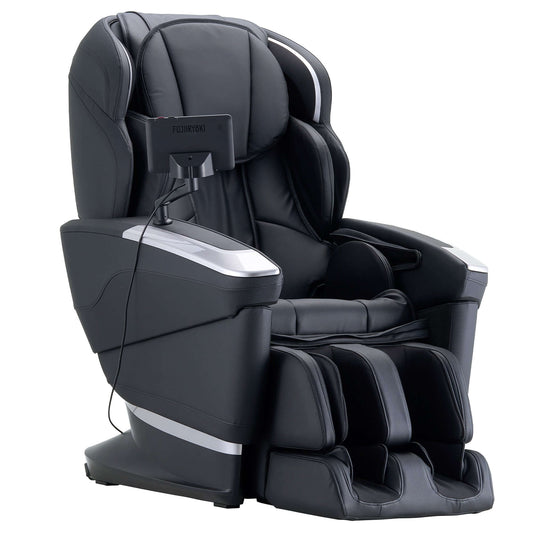
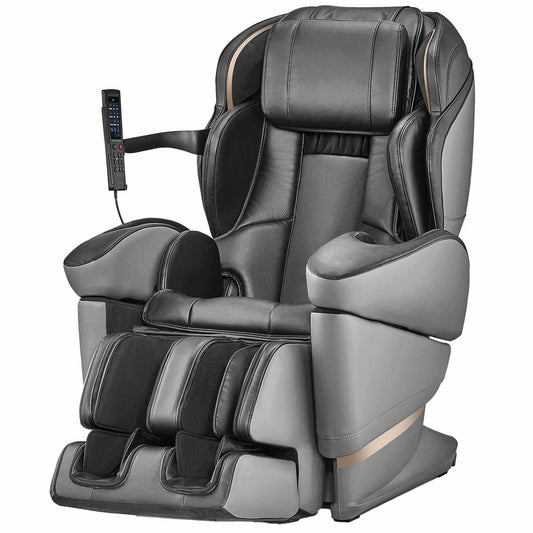
Fujiiryoki chairs integrate a combination of rollers, airbags, heat, and intelligent mapping to address each major region. The following outlines how the chair tends to interact with specific zones, and what you can expect in terms of comfort and relief.

  • Ankle and Feet – foot rollers, gentle compression, and arch-focused kneading support circulation, reduce swelling, and ease plantar tension.
  • Calf and Legs – calf rollers and rhythmic percussion help venous return, soothe muscle soreness, and rebalance calf musculature after exertion.
  • Knees and Thighs – targeted kneading around the hamstrings and quads loosens connective tissue and supports knee stability during daily movement.
  • Back – spine-aligned rollers and lumbar support deliver deep tissue work while respecting natural curves to encourage better posture.
  • Shoulders and Neck – neck cradle, shoulder blades emphasis, and acupressure patterns release upper-body tension and reduce headaches linked to everyday strain.
  • Hands and Wrists – dedicated palm pressure and wrist-focused work counteracts stiffness from typing and repetitive tasks.
  • Head and Scalp – optional scalp stimulation and light cradling help relieve tension headaches and promote mental calm.
  • Heel and Foot Zones – heel-oriented nodes and plantar-fascia focus support step comfort and gait balance.
  • Whole Body – coordinated, multi-zone programs deliver holistic wellness by aligning tissue, circulation, and neural patterns across the body.

Technique-by-Body-Part: A Practical Quick Guide

  1. Begin with a full-body scan to identify hotspots of tension or fatigue.
  2. Choose a primary target zone (neck/shoulders, lower back, legs) to frame the session.
  3. Select a technique aligned with your goal (Shiatsu for stored tension, Swedish for relaxation, Trigger Point for knots).
  4. Fine-tune intensity, speed, and pressure to match comfort and tolerance.
  5. Run through multiple cycles, pausing for light stretching or hydration as needed.
  6. Finish with a cool-down stroke to reset muscle tone and promote recovery.

In-Depth Look at Techniques and When to Use Them

Each technique has a distinct profile. Below is a practical guide to applying Swedish, Deep Tissue, Trigger Point, Acupressure, Shiatsu, Reflexology, and Kneading within Fujiiryoki sessions.

  • Swedish Massage – use for overall relaxation, increased circulation, and loosening of superficial layers before deeper work. Best as a warm-up or cool-down.
  • Deep Tissue Massage – reserve for persistent stiffness, chronic tension, or targeted adhesions. Start with lower intensity and progress gradually to prevent soreness.
  • Trigger Point Massage – apply to known knots or radiating pain patterns. Essential for restoring range of motion in stubborn tension zones.
  • Acupressure – ideal for localized soreness and for stimulating energy flow. Helpful for post-exertion recovery and stress relief.
  • Shiatsu Massage – ideal for comprehensive tension reduction along major muscle groups and back channels. Suitable as a daily maintenance technique.
  • Reflexology – focus on feet or hands to support systemic relaxation and perceived overall wellness. Use as a restorative finish to a session.
  • Kneading – versatile tissue-softening technique that complements all other methods, especially effective after longer sessions or workouts.

Targeted Body Parts: Expanded Details

For each area, Fujiiryoki’s intelligent mapping creates a personalized massage rhythm that respects anatomy and common problem zones.

  • Ankle and Feet – address plantar fascia tightness, improve arch support, and soften calves with a gentle to moderate knead.
  • Calf – reducemuscle tightness and soreness after running or standing; stimulate blood flow to accelerate recovery.
  • Foot Complex – includes toes, arch, and heel; helps rebalance foot mechanics and relieve fatigue.
  • Knee and Thigh – a blend of compression and kneading supports flexion and extension comfort, particularly beneficial for athletes and desk workers.
  • Back – a multi-pass sequence targeting thoracic and lumbar regions; supports posture repair and muscle release around the spine.
  • Neck and Shoulders – crucial area for most people; focus on trapezius, levator scapulae, and suboccipital regions to reduce headaches and stiffness.
  • Hands and Wrists – micro-massage patterns that ease repetitive stress and improve grip comfort during activities of daily living.
  • Head and Scalp – gentle stimulation to ease tension headaches and promote mental calm and focus.
  • Heels – targeted pressure to relieve plantar pressure and improve gait stability.
  • Whole Body – integrated sequences coordinate across zones to deliver a cohesive, balanced feel and systemic relief.

From Session to Routine: A 30-Minute Full-Body Wellness Flow

Use these steps to structure an efficient, holistic session. You can adjust duration and intensity to fit your schedule and goals.

  1. Start with a 3-minute full-body scan to identify hotspots.
  2. Begin with a 5-minute Swedish warm-up across the back, shoulders, and neck.
  3. Proceed to a 7-minute targeted work on the lower back and hips using Shiatsu and Kneading.
  4. Move to a 5-minute leg sequence (calves to ankles) with light percussion and reflexology mapping.
  5. Finish with a 5-minute cool-down: light Swedish strokes plus a scalp or hand reflex pattern.
  6. Conclude with 3 minutes of deep breathing and hydration to seal the session.

Wellness Benefits: What You May Experience

  • Blood Flow Control – improved circulation through rhythmic rollers and percussions across limbs.
  • Fatigue Relief – targeted zones dissipate activity-related fatigue, leaving you steadier and more energized.
  • Flexibility Improvement – longer, more pliable fascia and muscles from deliberate stretching and kneading sequences.
  • Injury Recovery Support – controlled deep tissue work can aid mobility during rehab when cleared by a clinician.
  • Muscle Therapy – a balanced mix of Swedish, kneading, and deep tissue work to alleviate stiffness and soreness.
  • Pain Relief – precise trigger-point and acupressure patterns reduce localized pain and discomfort.
  • Spine Alignment – posture-aware sequencing can encourage better alignment and reduce lower-back strain.
  • Stress Relief – rhythmic, calming patterns lower cortisol and improve mood and sleep readiness.
  • Tissue Therapy – improved tissue elasticity and vitality from foot to head, supporting overall mobility.

Presenter's Tips: Maximizing Your Fujiiryoki Experience

  • Leverage zone-targeting presets for common tension points like neck, shoulders, and lower back to save time.
  • Blend techniques for a custom session—try Swedish for relaxation, then switch to Trigger Point on knots.
  • Progress intensity gradually; begin with gentle settings and build as your body warms up.
  • Integrate brief stretches between cycles to maintain flexibility and range of motion.
  • Save personalized profiles to quickly reproduce preferred routines on future sessions.

Customization, Profiles, and Smart Wellness

Fujiiryoki chairs offer customizable touchpoints, user profiles, and program libraries. Learn how to tailor sessions to your body. Create a routine for mornings to boost energy, evenings to unwind, or post-workouts for recovery. Use sensing technology to automatically map your body and adapt programs for comfort and safety.

Safety, Hygiene, and Maintenance

To keep your chair performing at its best, follow manufacturer guidance on cleaning, upholstery care, and filter replacement if applicable. Regularly inspect pressure zones and rollers for any unusual noise or movement. Always consult with a healthcare professional if you have acute pain, injury, or a medical condition before starting a new massage regimen.

Real-World Scenarios: Who Benefits and Why

Whether you are an athlete, a busy professional, or someone focused on aging gracefully, Fujiiryoki massage chairs fit a broad range of goals. Here are common use cases and the expected outcomes.

  • Athletes and Active Individuals – accelerate recovery, reduce soreness, and promote flexibility, enabling quicker return to training.
  • Office Workers – ease neck and shoulder strain, improve posture, and refresh focus with short, targeted sessions.
  • Seniors and Careful Movers – provide safe, gentle support for circulation, relaxation, and mobility maintenance with adjustable intensity.
  • Injury Rehabilitation – complement physical therapy with doctor-approved massage for tissue healing and mobility work.

Frequently Asked Questions

Here are answers to common questions about Fujiiryoki massage chairs, techniques, and benefits:

  • Can I use these chairs daily? Yes, most users benefit from daily or near-daily sessions, but follow your body’s cues and start gradually.
  • Are these chairs good for back pain? They can help with muscle tension and posture, but consult a clinician for persistent or severe pain.
  • Do the chairs offer heat therapy? Many Fujiiryoki models include heat options to assist relaxation and tissue loosening.
  • Can I customize the programs? Yes, you can save profiles, adjust intensity, zone targets, and combine techniques for a personalized routine.

Conclusion: Your Path to Whole-Body Wellness

Fujiiryoki massage chairs offer a diverse toolkit for building targeted, effective wellness routines. From the science of Deep Tissue and Trigger Point to the holistic balance of Acupressure and Reflexology, these devices blend technology with the human touch of kneading and massage. With careful use, you can support circulation, flexibility, recovery, and stress relief—whether your focus is ankles, head, or everything in between.

標籤:
4產品
8產品
12產品