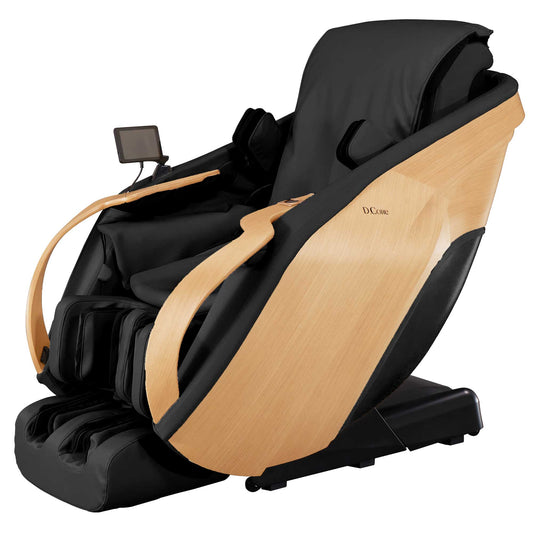
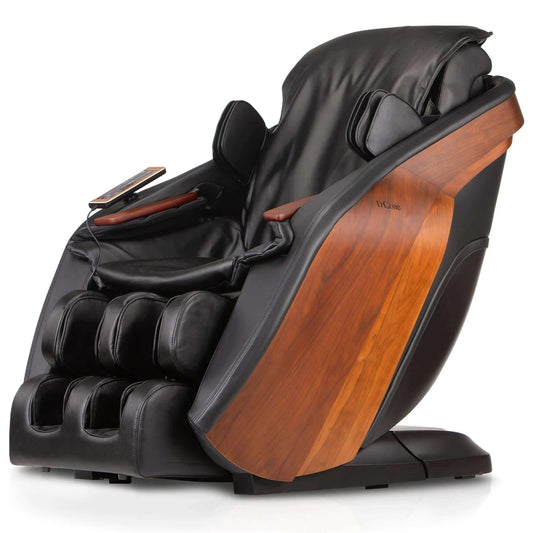
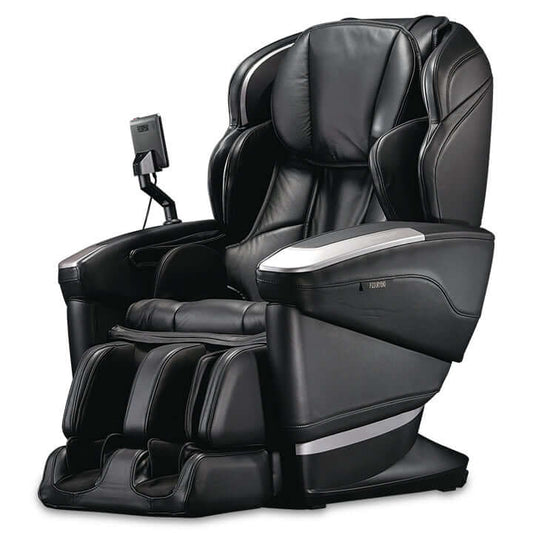
Fujiiryoki Massage Chairs: A Presenter-Style Guide to Targeted Techniques (Swedish, Deep Tissue, Trigger Point, Acupressure, Shiatsu, Reflexology, Kneading) and Benefits for Ankle to Head and Whole-Body Wellness
按摩椅問題

Fujiiryoki Massage Chairs: A Presenter-Style Guide to Targeted Techniques (Swedish, Deep Tissue, Trigger Point, Acupressure, Shiatsu, Reflexology, Kneading) and Benefits for Ankle to Head and Whole-Body Wellness

Welcome to a presenter style tour of Fujiiryoki massage chairs, crafted to explain how targeted techniques translate into real world relief from ankle to head and across the whole body. In this guide you’ll hear clear explanations, practical demonstrations, and actionable tips that you can apply during your next chair session. The goal is to help you select the right combination of techniques, tailor sessions to your daily needs, and understand how each motion contributes to ongoing wellness.

Targeted Body Parts Covered

  • Ankle
  • Back
  • Calf
  • Feet
  • Hands
  • Head
  • Heel
  • Knee
  • Legs
  • Neck
  • Shoulder
  • Thigh
  • Wrist
  • Whole Body

Setting the Stage: How a Fujiiryoki Chair Delivers Each Technique

Fujiiryoki chairs combine advanced roller systems, air cell compression, heating elements, and smart body scanning to reproduce classic massage modalities with precision. The presenter approach here maps each technique to the body parts it most often targets, describes how the chair achieves similar effects, and notes when and how to apply each style for best results.

Swedish Massage

Swedish massage emphasizes long, gliding strokes, light to moderate pressure, and a rhythmic pace to promote relaxation, improve circulation, and ease muscle tension. In a Fujiiryoki chair, the long strokes are simulated by continuous rollers that travel along the back, hips, and legs while airbags gently compress the limbs for grounding contact. This combination creates a broad, soothing sensation that helps warm up connective tissue and prepare the body for deeper work if needed.

  • Commonly targeted parts include Back, Shoulders, Neck, Calf, and Ankle
  • Key benefits: Relaxation, improved circulation, decreased muscle tone, enhanced joint range of motion
  • Pro tips: Start with low intensity to acclimate, then gradually increase pressure. Use longer sessions (20–40 minutes) for full back and legs, then finish with a gentle finish to settle the body.

Deep Tissue Massage

Deep Tissue seeks to access deeper muscle layers and fascia to release chronic tension and adhesions. In Fujiiryoki chairs, slower tempo, focused rollers, and targeted compression reach the deeper fibers in the Back, Neck, and Legs. The result is reduced stiffness after workouts, better posture cues, and relief from persistent muscle knots.

  • Commonly targeted parts include Back, Neck, Shoulders, Calf and Thigh
  • Key benefits: Release of adhesions, improved mobility, relief from postural strain
  • Pro tips: Focus sessions on areas that feel tight or painful, and use a post-session light stretch or gentle mobility work to maintain gains.

Trigger Point Massage

Trigger point sessions identify hyperirritable knots that refer pain to other areas. The Fujiiryoki system uses precise, momentary pressure and pacing to release these knots, prioritizing the Neck, Shoulders, and Lower Back while also addressing tight spots in the Hip and Calf. The aim is to disrupt the referral pattern and reduce sensitivity in localized regions.

  • Commonly targeted parts include Neck, Shoulders, Back, Calf, and Feet
  • Key benefits: Localized pain relief, reduced muscle guarding, improved neuromuscular function
  • Pro tips: If you know your trigger points, guide the chair to hold over the area briefly before releasing. Pair with deep breathing to enhance relaxation and healing.

Acupressure

Acupressure style work relies on precise, steady pressure along energy channels. In Fujiiryoki chairs, carefully positioned nodes and rollers engage along the spine and major limbs to promote balance, circulation, and nervous system calm. Expect a sense of steady pressure that feelingly travels along pathways, with particular attention to the Back, Neck, and Feet regions.

  • Commonly targeted parts include Back, Neck, Feet, and Hands
  • Key benefits: Energy balance, improved circulation, stress reduction
  • Pro tips: Use slightly slower pace with moderate pressure to sustain the sensation and avoid overstimulation. Combine with light stretching post-session for enhanced mobility.

Shiatsu Massage

Shiatsu emphasizes finger pressure and rhythmic kneading along meridians. The chair recreates this by aligning rollers and nodules to apply sustained, localized pressure along key lines. Expect relief in the Shoulders, Neck and Lower Back, with attention to Hips and Thighs for a fuller, more integrated feel.

  • Commonly targeted parts include Shoulders, Neck, Back, Thigh, and Knees
  • Key benefits: Meridian balance, muscle tension relief, improved posture cues
  • Pro tips: For a true Shiatsu feel, maintain a steady breath and allow shoulders to drop away from the ears. Use a mid-range intensity for a balanced experience across the back and hips.

Reflexology

Reflexology in a Fujiiryoki setup focuses on stimulating reflex zones in the Feet and Hands. Gentle to moderate pressure is applied to zones that correspond to major organs and systems, promoting overall energy balance and relaxation from the feet up through the legs and into the hands. This technique is especially soothing after long periods of standing or walking.

  • Commonly targeted parts include Feet, Ankle, Hands and Calf
  • Key benefits: Systemic balance, improved sleep quality, reduced fatigue
  • Pro tips: For best reflexology results, align your breathing with the periods of pressure and allow the feet to relax fully before moving on to the next zone.

Kneading

Kneading patterns reproduce classic manual kneading; rhythmic compression and release loosen tissue and restore pliability. In Fujiiryoki chairs, kneading targets the Back, Shoulders, and Thighs while supporting overall tissue pliability in the Legs and Arms. This technique is a reliable finish in a session, helping to distribute lubricating fluids and prepare the muscles for post-session movement.

  • Commonly targeted parts include Back, Shoulders, Thigh, and Calf
  • Key benefits: Tissue loosening, improved elasticity of muscle fibers, reduced post-session stiffness
  • Pro tips: Combine with a final Swedish finish to leave the body feeling open and relaxed; if you have sensitive joints, start with lighter kneading and gradually increase intensity.

Whole-Body Wellness and Ankle to Head Benefits

When you blend these techniques into a well-structured session, Fujiiryoki massage chairs support a wide spectrum of wellness outcomes from ankle to head and beyond. The presenter style here shows how each technique contributes to a coherent whole-body program, rather than isolated benefits. Structured correctly, you can use a single session to influence circulation, flexibility, and mental calm across the entire body.

  • Blood Flow Control: Enhanced circulation delivers nutrients and oxygen to tissues while aiding in waste removal
  • Fatigue Relief: Reduced perceived exertion after activity and quieter minds after stressful days
  • Flexibility Improvement: Gradual loosening of connective tissue and joint capsules supports better mobility
  • Injury Recovery: Gentle, progressive work supports minor strains and post-workout recovery
  • Muscle Therapy: Targeted relief for overworked muscle groups, improving recovery timelines
  • Pain Relief: Sustained session effects can ease localized discomfort and tension
  • Spine Alignment: Gentle cues through posture-aware massage may help maintain neutral spine alignment
  • Stress Relief: Calming sensations that help reset the nervous system and improve sleep quality
  • Tissue Therapy: Hydration-like effects on tissue pliability through rhythmic compression and heat (where available)

Putting It All Together: Designing Your Presenter-Style Session

As a presenter would guide a live audience, you can tailor a Fujiiryoki session by starting with a light, Swedish-inspired warm-up on the Back and Legs, then moving into Deep Tissue or Trigger Point work for any stubborn knots, and finishing with Reflexology or Acupressure to seal the relaxation and balance. Here are practical templates you can follow, adjusting for time and tolerance:

  • 15–20 minute quick reset: Swedish warm-up on Back and Legs, finish with light Kneading for overall relaxation
  • 30–40 minute balance session: Swedish warm-up, Deep Tissue on Back and Neck, Trigger Point for shoulders and lower back, finish with Reflexology on Feet
  • 60 minute comprehensive session: Full-body traversal starting with Swedish, moving to Deep Tissue on big muscle groups, targeted Trigger Point and Acupressure on critical zones, Shiatsu on the spine, then Reflexology and Kneading as a closing, optional heat therapy if available

Safety, Comfort, and Practical Tips

To ensure a safe, enjoyable experience, follow these practical guidelines when using a Fujiiryoki massage chair:

  • Consult any medical concerns with a clinician if you have recent surgeries, implants, or circulatory issues.
  • Start with comfortable intensity; you can gradually increase as your body warms up.
  • Hydrate before and after sessions to support tissue hydration and toxin clearance from massage work.
  • Adjust padding and seat position to maintain proper spine alignment and avoid strain on the neck or lower back.
  • Incorporate gentle stretching after longer sessions to maximize range of motion improvements and reduce stiffness.

Choosing the Right Fujiiryoki Massage Chair for Your Goals

When shopping for a Fujiiryoki model, consider features that align with your goals for ankle to head wellness and whole-body care:

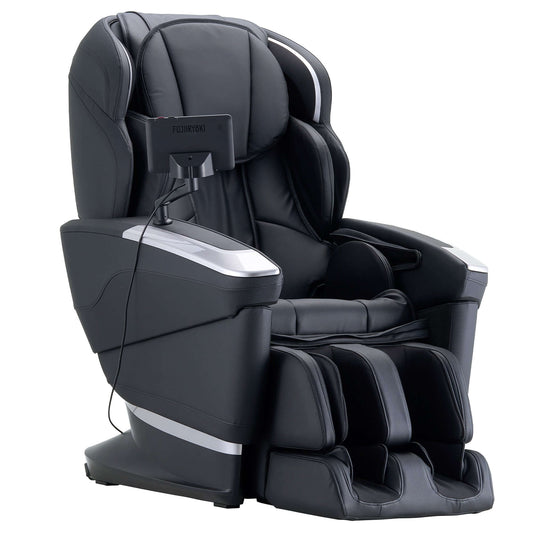
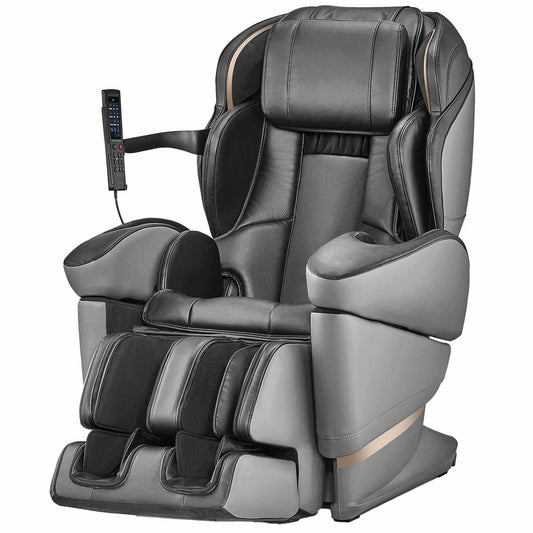
  • Roller System and Coverage: Look for a model with comprehensive 3D or 4D rollers that reach the back, shoulders, and hips, plus adjustable width to fit your frame.
  • Airbag Configuration: A robust leg, foot, arm, and shoulder bag system enhances compression-based relief and helps emulate hand pressure across the body.
  • Heat Therapy: Targeted heat can improve blood flow and muscle relaxation, especially in the calves, thighs, and lower back.
  • Body Scanning: An accurate body scan guides the chair to tailor rollers and airbags to your unique anatomy for more precise technique delivery.
  • Zero Gravity and Posture Aids: Features that promote a neutral spine and weightless feeling can amplify relaxation and reduce joint load during a session.
  • Ease of Use and Customization: Intuitive controls, presets for Swedish, Deep Tissue, Trigger Point, and Reflexology, plus user profiles for family members.

Frequently Asked Questions for Presenters and Practice

  • Can I use multiple techniques in a single session? Yes, designing a flow from relaxation to deeper work and finishing with reflexology creates a balanced, effective session.
  • How long should a typical session last? Beginners may start with 15–20 minutes, while experienced users can enjoy 40–60 minutes for a comprehensive experience.
  • What if I feel discomfort during a technique? Reduce intensity, reset the position, and communicate with the chair’s guided adjustments or pause as needed.

Conclusion: Embracing a Presenter-Style Guide for Ongoing Wellness

Fujiiryoki massage chairs offer a powerful, adaptable platform for exploring a spectrum of massage techniques and real-world wellness benefits—from ankle to head. By adopting a presenter-style approach, you can translate technical features into practical session designs that fit your lifestyle, daily stress, and recovery goals. With mindful selection of techniques, attention to body parts, and thoughtful session structure, you can unlock sustained improvements in blood flow, flexibility, pain reduction, and overall well-being.

標籤:
4產品
8產品
12產品