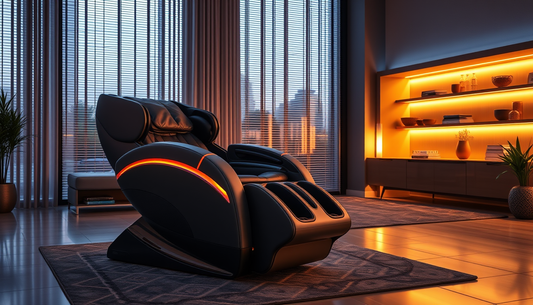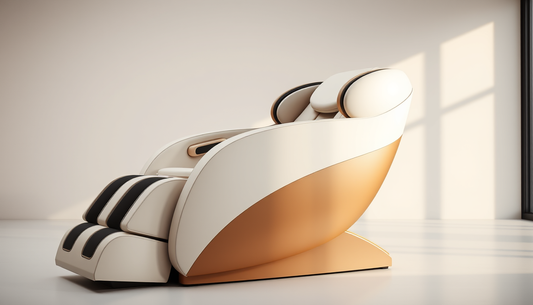
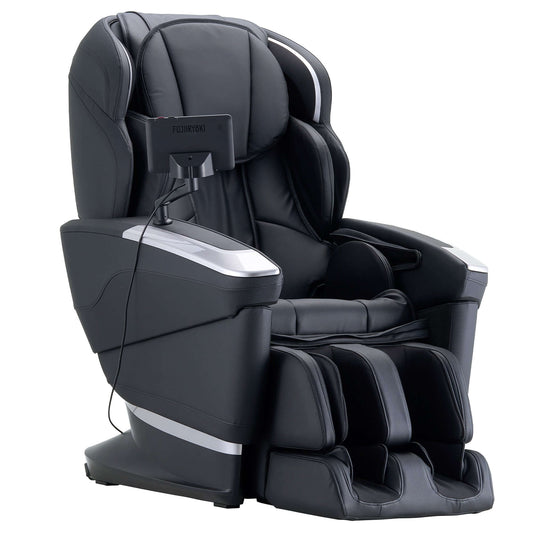
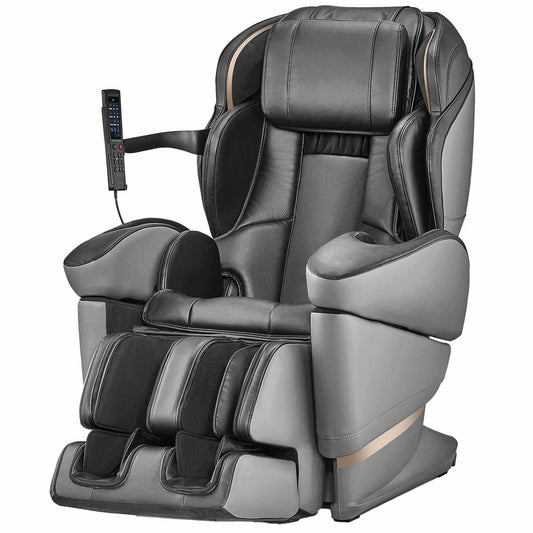
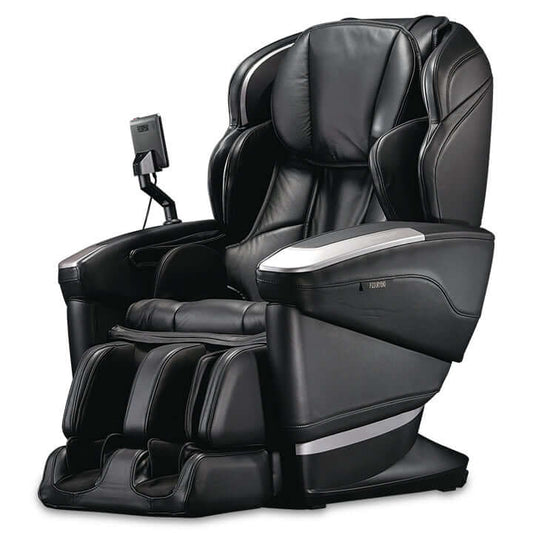

Fujiiryoki Massage Chair Playbook: A Presentation-Style Guide to Targeted Techniques and Benefits Across Ankle to Head for Total-Body Wellness
Introduction
Welcome to an extended, presentation-style guide designed to illuminate how a Fujiiryoki massage chair can deliver targeted techniques that promote total-body wellness. This playbook walks through a systematic mapping of techniques to body regions from ankle to head, while clearly articulating the physiological benefits that accrue with consistent use. By adopting a slide-like flow, you can visualize a professional therapy sequence performed at home, with the chair adapting to your needs, preferences, and daily routine.
In 2026, more people turn to high-tech massage chairs not only for relaxation but as a cornerstone of daily mobility, recovery, and stress management. This guide emphasizes how the Fujiiryoki platform's advanced rollers, air cells, and intelligent programming enable a personalized, evidence-inspired approach to massage. Whether you are an athlete seeking faster recovery, a desk-bound professional aiming to reduce tension, or a senior prioritizing circulation, the techniques and benefits described here are designed to translate into practical, repeatable home sessions.
Key takeaways: a structured plan can help you systematically address each major region, optimize blood flow, reduce fatigue, improve flexibility, support injury recovery, and enhance overall mood and resilience across the day.
Massage Techniques Overview
This section presents a consolidated view of the massage techniques available on Fujiiryoki chairs, along with how each technique contributes to targeted outcomes. The chair combines dynamic rollers, air compression, heat, and customizable intensity to simulate the therapeutic motions described below.
- Swedish Massage — long, gliding strokes to create broad relaxation and improve circulation.
- Deep Tissue Massage — deeper pressure to address muscle knots, adhesions, and chronic tension.
- Trigger Point Massage — focused work on tender points to release referred pain and restore range of motion.
- Acupressure — point-based pressure to stimulate energy channels and alleviate localized discomfort.
- Shiatsu Massage — rhythmic, finger-like pressure along meridians to ease stiffness and promote balance.
- Reflexology — targeted work on the feet and hands to influence distant zones that correspond to overall well-being.
- Kneading — kneading motions to loosen muscle tissue and support tissue therapy across multiple regions.
Beyond these techniques, Fujiiryoki systems often incorporate body-scan technology, adaptive roller paths, and safe heat modalities. The combination allows a tailored sequence that progresses logically from larger muscle groups to smaller supportive areas, mirroring the flow of a professional session.
Technical Highlights for Total-Body Mapping
To maximize the effect of this playbook, it helps to understand the technical foundation that makes targeted, slide-style sessions possible on Fujiiryoki chairs:
- L-Track and 3D rollers that trace the spine from neck to sacrum while engaging the surrounding musculature
- Adaptive airbags that adjust pressure along limbs, core, and torso to mirror manual compression and release
- Body-scan technology to identify starting points and customize the session for your unique physiology
- Heated therapy to promote muscle relaxation and improved tissue extensibility
- Zero gravity seating and progressive incline to optimize blood flow and comfort during the session
- Programmable profiles for different goals: recovery, relaxation, performance, and daily maintenance
Targeted Body Parts: Ankle to Head
The following sections pair body parts with curated technique sets and anticipated benefits. This layout mirrors a slide deck where each part receives a focused, repeatable routine that contributes to whole-body wellness over time.
Ankle
The ankle bears initiatory load during every step, so effective relief begins here. Fujiiryoki can tailor stimulation to the ankle complex through targeted roller action and supportive air compression.
- Recommended Techniques: Swedish Massage, Deep Tissue Massage, Acupressure, Reflexology, Kneading
- Estimated Benefits: Blood Flow Control, Fatigue Relief, Flexibility Improvement, Injury Recovery, Tissue Therapy
Back
The back benefits from long, continuous rollers and side-to-side channels that address the thoracic and lumbar regions. A combination approach yields both posture support and relief from deep stiffness.
- Recommended Techniques: Swedish Massage, Deep Tissue Massage, Trigger Point Massage, Shiatsu, Kneading
- Estimated Benefits: Blood Flow Control, Pain Relief, Spine Alignment, Fatigue Relief, Stress Relief
Calf
Calves respond well to compression and deep strokes that alleviate tightness and promote recovery for run or hike days.
- Recommended Techniques: Deep Tissue Massage, Swedish Massage, Kneading, Trigger Point Massage
- Estimated Benefits: Blood Flow Control, Fatigue Relief, Flexibility Improvement, Injury Recovery, Muscle Therapy
Feet
The feet carry daily fatigue and require attention to plantar surfaces and arches. Targeted reflexology and acupressure can improve comfort, circulation, and proprioception across the foot.
- Recommended Techniques: Reflexology, Acupressure, Swedish Massage, Kneading
- Estimated Benefits: Blood Flow Control, Fatigue Relief, Tissue Therapy, Pain Relief
Hands
Hands endure repetitive tasks and tension from daily activities. Gentle kneading and acupressure ease tension in the palms and fingers and support grip health.
- Recommended Techniques: Swedish Massage, Shiatsu, Kneading, Reflexology
- Estimated Benefits: Blood Flow Control, Fatigue Relief, Pain Relief, Tissue Therapy
Head
Head and scalp comfort reduces stress and promotes relaxation. Light to moderate pressure targets temples, scalp zones, and neck base to ease tension head-to-toe.
- Recommended Techniques: Swedish Massage, Shiatsu, Reflexology
- Estimated Benefits: Stress Relief, Blood Flow Improvement, Fatigue Relief, Tissue Therapy
Heel
Heel regions benefit from focused deep work and pressure point stimulation to ease localized discomfort and support gait symmetry.
- Recommended Techniques: Deep Tissue Massage, Trigger Point Massage, Acupressure
- Estimated Benefits: Pain Relief, Injury Recovery, Blood Flow Control, Flexibility Improvement
Knee
Knee areas respond to careful deep tissue work and kneading that maintain mobility while protecting joint integrity.
- Recommended Techniques: Deep Tissue Massage, Swedish Massage, Trigger Point Massage
- Estimated Benefits: Blood Flow Control, Pain Relief, Injury Recovery, Flexibility Improvement
Legs
Quads, hamstrings, calves, and the entire leg chain benefit from a blend of compression, kneading, and longer strokes for recovery and flexibility after activity.
- Recommended Techniques: Swedish Massage, Kneading, Deep Tissue Massage, Shiatsu
- Estimated Benefits: Blood Flow Control, Fatigue Relief, Spine Alignment, Tissue Therapy, Stress Relief
Neck
Neck care focuses on reducing posture-related tension and stiffness. Precision pressure supports posture-friendly alignment and relief from neck strain after long screen sessions.
- Recommended Techniques: Shiatsu, Trigger Point Massage, Acupressure
- Estimated Benefits: Pain Relief, Stress Relief, Blood Flow Control, Fatigue Relief
Shoulder
Shoulders often bear upper body strain. Targeted rollers and airbags melt stiffness in the trapezius and deltoid regions while promoting posture balance.
- Recommended Techniques: Swedish Massage, Deep Tissue Massage, Shiatsu, Reflexology
- Estimated Benefits: Pain Relief, Fatigue Relief, Blood Flow Control, Stress Relief
Thigh
Thigh work supports quadriceps and hamstrings, aiding mobility and recovery after training or long days of activity.
- Recommended Techniques: Swedish Massage, Kneading, Deep Tissue Massage
- Estimated Benefits: Blood Flow Control, Flexibility Improvement, Injury Recovery, Muscle Therapy
Whole Body
Whole body sessions coordinate airflow, roller travel, and breath-focused routines to optimize circulation, symmetry, and systemic relaxation.
- Recommended Techniques: Swedish Massage, Deep Tissue Massage, Shiatsu, Kneading, Reflexology
- Estimated Benefits: Blood Flow Control, Stress Relief, Spine Alignment, Fatigue Relief, Tissue Therapy
Wrist
Wrist care supports ergonomic tasks and deep typing or gripping. Light, focused pressure can ease tension across the carpal region and forearm.
- Recommended Techniques: Swedish Massage, Acupressure, Kneading
- Estimated Benefits: Blood Flow Control, Pain Relief, Fatigue Relief, Tissue Therapy
Slide-by-Slide: A Practical Session Script
Use this optional, time-structured script to guide a 20- to 30-minute routine. Adapt times to your comfort and the chair settings.
- Warm-up (Ankle, Calf): 3 minutes of Swedish massage with gentle air pressure to prepare the legs.
- Lower Back and Backline: 4 minutes of long rollers with light kneading, then trigger point release on tight bands.
- Feet and Plantar Focus: 2 minutes of reflexology and acupressure to spark circulation.
- Hands and Forearms: 2 minutes of kneading and light reflexology for relief from repetitive tasks.
- Neck and Shoulders: 4 minutes of Shiatsu and gentle pressure to ease upper body tension.
- Knee and Thigh Pulse: 3 minutes of deep tissue work focused on quads and hamstrings.
- Whole-Body Flow and Breath: 2 minutes of a guided breathing pattern to integrate relaxation.
- Cool Down: 2 minutes of Swedish massage with soft, slow strokes and light heat for finish.
Safety, Maintenance, and Best Practices
Following best practices helps maximize safety and results. Start with low intensity and short durations if you are new to chair massage or dealing with sensitive joints. Hydration supports tissue pliability and recovery. Regular maintenance includes cleaning pads and rollers with manufacturer-approved products and scheduling periodic professional checks if your model offers self-densing diagnostics.
Contraindications should be observed. Users with recent surgical wounds, fractures, acute injuries, or acute vascular or skin conditions should consult a medical professional before heavy use. If you experience dizziness, numbness, or sharp pain during a session, reduce intensity immediately and reassess settings.
Pro tips for longevity: keep the footrest and rollers free of dust and lint, replace pads as recommended, and store the chair away from direct sunlight to preserve leather and fabric integrity. Use proper seating posture and maintain comfortable room temperature to support a calm, restorative environment.
Real-World Use Cases and Routines
These scenarios illustrate how the Fujiiryoki system can be integrated into daily life, sports training, and wellness routines. Each case can be tailored by body part emphasis, duration, and technique mix.
- Post-Workout Recovery: emphasize calves, quads, and back with a focus on deep tissue work and reflexology to accelerate recovery and reduce soreness.
- Office Wellness Breaks: short, 10–15 minute sessions targeting neck, shoulders, wrists, and hands to counteract sedentary work effects.
- Long-Haul or Travel Relief: a light full-body session with emphasis on legs, lower back, and feet to reduce swelling and improve circulation.
- Senior Mobility and Circulation: gentle Swedish and kneading for whole-body balance, with optional heat for tissue pliability.
- Injury Rehabilitation Support: clinician-guided routines focusing on safe, gradual deep tissue work under professional advice.
Frequently Asked Questions
Answers to common questions about Fujiiryoki massage chairs and targeted techniques:
- Q: Can I customize the chair for my specific conditions? A: Yes. Many Fujiiryoki models support personalized profiles, targeted zones, and adjustable pressure curves.
- Q: How often should I use the chair for best results? A: Regular, shorter sessions (3–5 times per week) typically yield better outcomes than infrequent long sessions.
- Q: Are there parts of the body I should avoid massaging aggressively? A: Yes. Avoid aggressive therapy on acute injuries, recent surgeries, or inflamed areas. Always follow user manuals and consult a professional for guidance on sensitive regions.
Maintenance and Longevity: Keeping Your Fujiiryoki in Peak Form
Regular maintenance extends the life of the chair and preserves therapy quality. Clean surfaces with manufacturer-approved cleaners, inspect pads and belts for wear, and schedule professional checkups as recommended by the model’s firmware or warranty terms. Remember to cover the chair when not in use to minimize dust buildup and protect electronics from environmental exposure.
Why This Playbook Works: A Holistic View
The strength of a presentation-style approach lies in translating complex therapeutic concepts into repeatable, practical steps you can follow at home. By aligning body parts with specific techniques and tracking benefits, you create a virtuous cycle: better circulation fosters reduced fatigue, which supports flexibility and mobility, which in turn enhances overall well-being. Fujiiryoki chairs provide the hardware and intelligent software to realize this cycle with consistency and safety.
Conclusion
This extended playbook demonstrates how a Fujiiryoki massage chair can deliver targeted techniques across the ankle to head, building a cohesive, total-body wellness routine. By combining a curated set of massage techniques with thoughtful chair design, you can create a reliable practice that improves circulation, reduces pain and fatigue, supports mobility, and promotes stress relief over time. Use this structure as a blueprint for your own sustainable wellness program, adapting technique selection, intensity, and duration as your body evolves and your goals shift.
標籤: