Fujiiryoki Massage Chairs Demystified: A Presenter-Style Breakdown of Swedish, Shiatsu, Reflexology, Deep Tissue, and More for Targeted Ankle-to-Head Wellness in 2026
按摩椅问题

Fujiiryoki Massage Chairs Demystified: A Presenter-Style Breakdown of Swedish, Shiatsu, Reflexology, Deep Tissue, and More for Targeted Ankle-to-Head Wellness in 2026

Welcome to a presenter-style deep dive into Fujiiryoki massage chairs, where we demystify the most popular techniques and translate them into tangible wellness benefits—from ankle to head. In 2026, Fujiiryoki continues to push the envelope with advanced biomechanics, intelligent body scanning, and adaptive therapy that personalizes every session. This article explains Swedish, Shiatsu, Reflexology, Deep Tissue, and more, with practical guidance on how these techniques feel when delivered by modern, in-home massage chairs and how they map to your wellness goals.

Presenter’s Overview: Why Fujiiryoki Stands Out for Targeted Ankle-to-Head Wellness

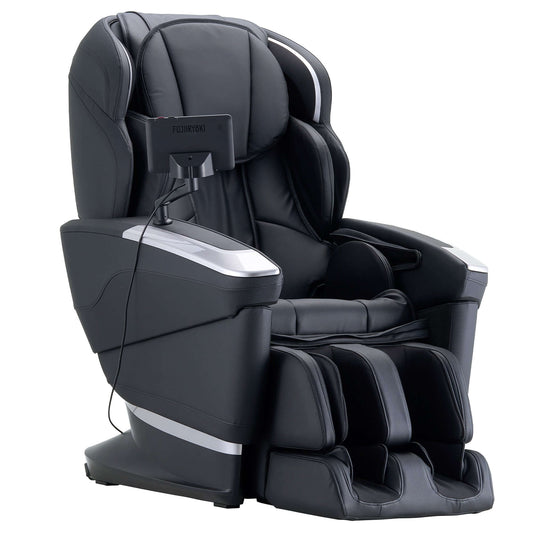
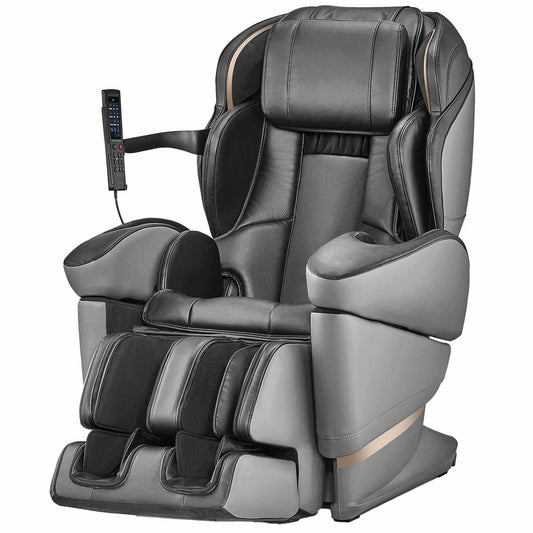
Fujiiryoki chairs combine multiple delivery systems—rollers, airbags, heat, and digital sensing—to recreate a spectrum of therapeutic styles. The result is a holistic wellness studio that fits in your living room. The chair’s ability to adjust pressure, rhythm, and targeted zones means you can go from a light relaxation session to a deeper, therapeutic experience that addresses ankles, calves, back, neck, and head without leaving your seat.

Massage Techniques Explained

Swedish Massage

Overview: Swedish massage features long, gliding strokes, kneading, rhythmic tapping, and friction to promote circulation and relaxation. In a Fujiiryoki chair, these strokes translate into smooth roller paths and gliding motions along the back, shoulders, legs, and arms, with customizable pressure and speed.

  • Typical sensations: light to moderate pressure, fluid motion, broad coverage
  • Best targets: back, shoulders, neck, calves, feet
  • Primary benefits: enhanced blood flow, reduced muscle tension, stress relief

Deep Tissue Massage

Overview: Deep tissue work targets deeper muscle layers and fascia to release chronic tension and knots. Fujiiryoki’s targeted rollers and compression patterns work together to reach deeper muscle groups while maintaining comfort.

  • Typical sensations: firmer pressure, slower cadence
  • Best targets: upper back, lower back, neck, hips, thighs
  • Primary benefits: knot release, improved mobility, relief from stiffness

Trigger Point Massage

Overview: Trigger point therapy targets taut bands and nodules—areas where nerves and muscles are hypersensitive. In-chair trigger-point modes apply concentrated pressure to problem zones while preserving overall comfort.

  • Typical sensations: precise, localized pressure with gradual release
  • Best targets: shoulders, upper back, hips, calves, ankles
  • Primary benefits: reduced referred pain, improved range of motion

Acupressure

Overview: Grounded in traditional meridian concepts, acupressure in Fujiiryoki chairs applies strategic point stimulation to encourage energy flow and relief. The chair translates finger-like pressure into calibrated pulses across the back, neck, hands, and feet.

  • Typical sensations: steady, moderate pressure with rhythmic pulses
  • Best targets: back, neck, hands, feet
  • Primary benefits: stress reduction, revitalized vitality, targeted tension relief

Shiatsu Massage

Overview: Shiatsu relies on finger and palm pressure along energy channels. Fujiiryoki systems simulate deep, alternating pressure with vertical and horizontal motions that sweep from the shoulders down to the calves.

  • Typical sensations: firm yet tolerable pressure, steady rhythm
  • Best targets: back, shoulders, neck, legs
  • Primary benefits: improved circulation, muscle relaxation, better postural comfort

Reflexology

Overview: Reflexology targets reflex zones on the feet (and sometimes hands) to influence systemic balance. Fujiiryoki chairs mimic precise foot-zone work, echoing therapist techniques across the plantar surface and arches.

  • Typical sensations: gentle to moderate pressure on foot zones
  • Best targets: feet, calves, ankles, lower legs
  • Primary benefits: improved circulation in the lower extremities, relaxation, enhanced energy perception

Kneading

Overview: Kneading involves rhythmic lifting and rolling to release deep muscle tension. In-chair kneading uses curved rollers and adaptive padding to simulate classic kneading across large muscle groups.

  • Typical sensations: broad, rounded pressure along muscle fibers
  • Best targets: back, thighs, calves, arms
  • Primary benefits: lasting muscle relaxation, improved lymphatic flow, reduced stiffness

Targeted Body Parts & Wellness Outcomes

To maximize the value of a Fujiiryoki massage chair, plan sessions that map to body parts from ankle to head. The following lists align with common wellness goals and the chair’s capabilities.

  • Ankle
  • Foot
  • Foot Arch
  • Heel
  • Calf
  • Legs
  • Knee
  • Thigh
  • Back
  • Shoulder
  • Neck
  • Wrist
  • Hands
  • Head
  • Whole Body
  • Blood Flow Control
  • Fatigue Relief
  • Flexibility Improvement
  • Injury Recovery
  • Muscle Therapy
  • Pain Relief
  • Spine Alignment
  • Stress Relief
  • Tissue Therapy

Technology and Customization: What’s New in Fujiiryoki 2026

In 2026, Fujiiryoki enhances personalization through smarter body scanning, zone-based intensity control, and adaptive heat management. Expect features like:

  • Full-body scanning that targets soft tissue density and range of motion to tailor each program
  • Smart Zone mapping that concentrates pressure on identified hotspots while protecting sensitive regions
  • Dynamic heat therapy synchronized with massage rhythms to improve tissue extensibility
  • Quiet operation modes and energy-efficient components designed for long daily use
  • App-based customization and session logging for repeatable routines

How to Build a Session: A Presenter-Style Routine for 2026

Use these steps to structure an effective, personalized routine. The idea is to start broad, then progressively target problem areas, while maintaining comfort and safety.

  1. Warm-up: 5–10 minutes of light Swedish-inspired glide to ease joints and primed tissues.
  2. Scan and map: Run the chair’s body-scan to identify zones requiring attention (neck, lower back, ankles, etc.).
  3. Full-body relaxation: 10–15 minutes of moderate-pressure Swedish or kneading across the back, shoulders, and legs.
  4. Targeted therapy: 5–10 minutes on zones flagged during scanning (e.g., calves, plantar arches, hip rotators) using deep tissue, trigger point, or acupressure modes.
  5. Reflex & balance sequence: 5 minutes of Reflexology-style foot work to encourage systemic relaxation and energy flow.
  6. Finishing flush: Gentle, broad strokes with lighter pressure to normalize tissue tension and consolidate gains.
  7. Post-session notes: Log sensations, hotspot changes, and comfort levels to refine future routines.

Session Plans by Wellness Goals

These sample plans illustrate how to tailor sessions for different outcomes using the Fujiiryoki platform.

  • Fatigue Relief: 25–40 minutes combining Swedish glide, kneading, and light heat, finishing with a gentle cooldown.
  • Pain Relief (Back/Neck):> 30–50 minutes focusing on deep tissue, trigger points, and acupressure in the upper back and neck, with careful neck protection.
  • Injury Recovery Support: Low- to mid-intensity sessions with gradual ramping; emphasis on safe ranges of motion and zone-specific therapy under supervision when needed.
  • Spine Alignment & Posture: Programs that emphasize midline symmetry, with balance between left and right side zones and controlled breathing guidance alongside massage.
  • Stress Relief & Sleep Readiness: Shorter sessions (15–25 minutes) with soft Swedish and reflexology focus, finished with a calming cooldown and optional ambient sound therapy.

Best Practices for 2026: Maximizing Safety, Longevity, and Results

To ensure you get the most from your Fujiiryoki chair, follow these guidelines:

  • Start with lower intensities and gradually increase as tolerance builds.
  • Respect sensitive zones (neck, lower back, knees); adjust pressure and duration accordingly.
  • Pair sessions with hydration and gentle stretching post-session to support tissue recovery.
  • Use heat thoughtfully; avoid overheating sensitive areas or during acute inflammation.
  • Keep a simple log of sessions, noting techniques and outcomes for personalization over time.

Maintenance, Care, and Longevity

Regular maintenance helps keep your Fujiiryoki chair performing at a high level for years. Schedule routine wipe-downs, check for fabric wear around contact surfaces, and follow the manufacturer’s guidelines for cleaning and service. Periodic software updates can unlock new profiles and optimization features, so keep the firmware current.

Frequently Asked Questions

  • Q: Can a Fujiiryoki chair replace professional massage therapy entirely?
  • A: It can complement professional care and provide ongoing relief at home, but for certain injuries or complex medical conditions, consult a healthcare professional.
  • Q: How often should I use the chair?
  • A: Daily quick sessions (10–20 minutes) can support maintenance, while longer periodic sessions (30–60 minutes) can drive deeper therapeutic results when aligned with goals.
  • Q: Are there safety concerns?
  • A: Individuals with acute injuries, pregnancy, or certain medical devices should consult a clinician before use and follow the chair’s safety guidelines.

Conclusion

In 2026, Fujiiryoki massage chairs offer an advanced, presenter-style pathway to targeted ankle-to-head wellness. By understanding how Swedish, Deep Tissue, Trigger Point, Acupressure, Shiatsu, Reflexology, and Kneading are implemented in these chairs, you can design sessions that address specific body parts and overarching wellness goals. The outcome is a flexible, data-informed approach to relaxation, mobility, and resilience—delivered in the comfort of your home, with the added benefit of in-depth customization that evolves with you.

标签:
4产品
8产品
12产品