
Fujiiryoki Massage Chair Techniques Explained: A Comprehensive Guide to Swedish, Shiatsu, Deep Tissue, Reflexology, and Their Benefits for Total-Body Wellness.
Introduction
In 2026 Fujiiryoki massage chairs continue to set the standard for total body wellness with sophisticated robotics, adaptive rollers, and increasingly personalized presets. This guide dives into the core massage techniques you can experience on these chairs and explains how each modality supports the body from ankle to wrist and beyond. Whether you are an athlete seeking faster recovery, someone managing chronic tension, or a wellness enthusiast pursuing relaxation and vitality, understanding these techniques helps you get the most from your chair sessions.
Fujiiryoki merges multiple modalities into a single chair so you can tailor sessions to your needs. The result is a comprehensive toolkit that blends comfort with targeted muscle work, reflex stimulation, and energy balancing. By exploring each technique’s mechanism, ideal applications, and practical tips, you can design sessions that address everyday stress, postural strain, and the rhythm of daily life in 2026.
What Sets Fujiiryoki Apart
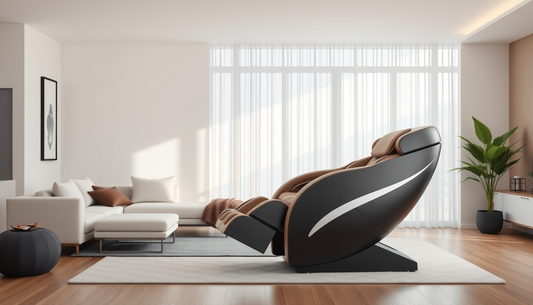
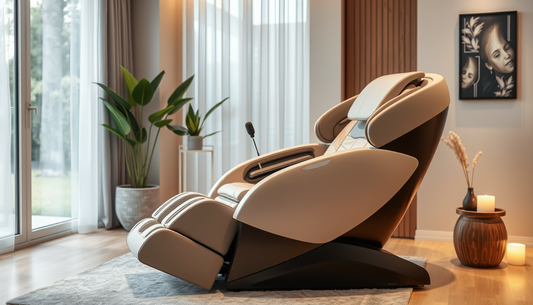
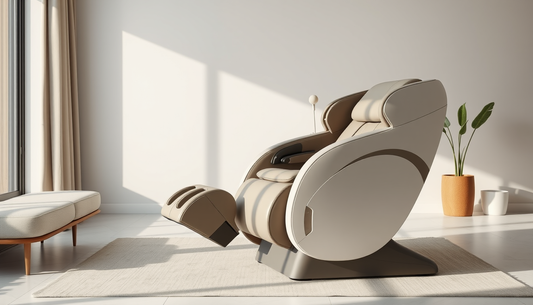
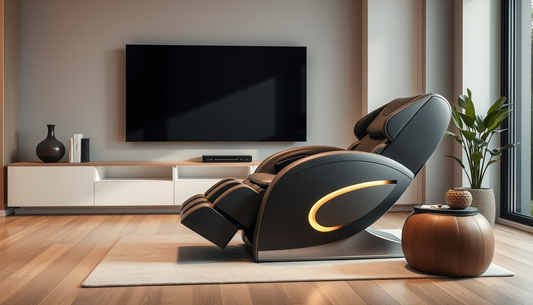
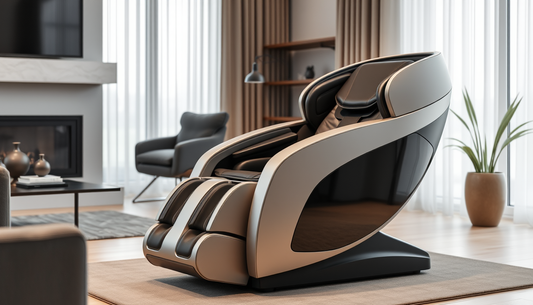
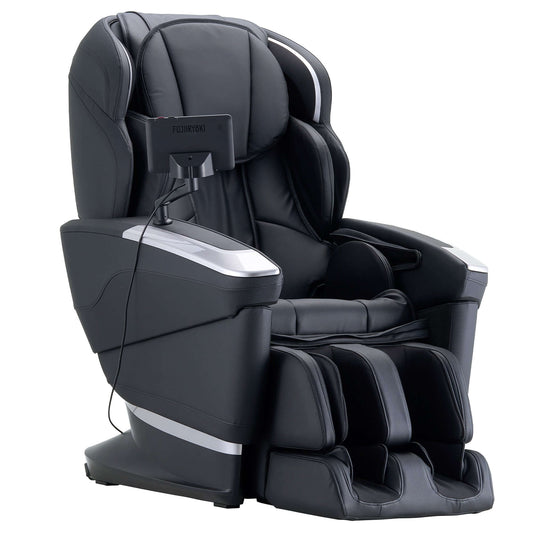
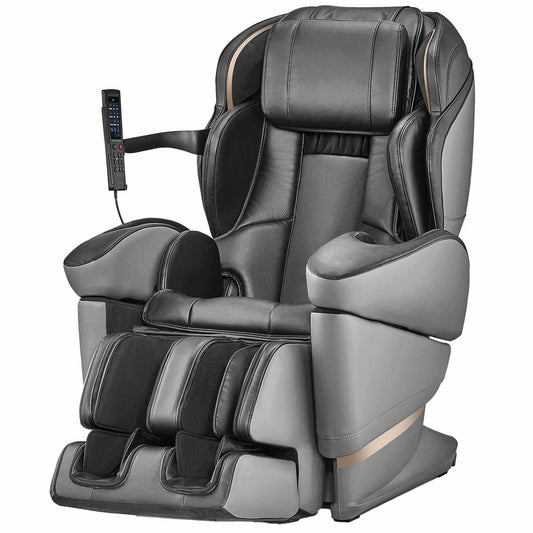
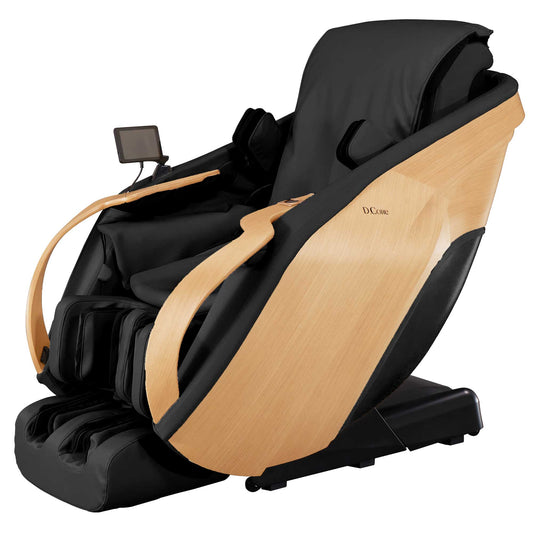
Fujiiryoki chairs distinguish themselves through a layered approach to massage. At the core are a multi roller system that travels along the spine and limbs, adaptive air compression for calves and feet, built in heat therapy, and smart presets that learn your body contours and preferred intensities. The chairs often combine Swedish style gliding with deeper tissue engagement, pressure point work, and reflex stimulation, all in a compact, user friendly design. This integration makes it possible to experience a broad spectrum of techniques in a single session while maintaining comfort and safety.
Beyond raw power, the brand emphasizes personalization. Real time feedback from sensors guides the rollers and air cells to adapt to changes in posture, breath, and muscle tone. The result is a session that progresses from warm up to deeper work and then into restorative calm, with a seamless transition between techniques as your body signals readiness.
Overview of Core Massage Techniques
The Fujiiryoki experience typically centers on four core modalities: Swedish Massage, Shiatsu Massage, Deep Tissue Massage, and Reflexology. In addition, practitioners may encounter Trigger Point Massage, Acupressure, and Kneading as complementary options. Each technique activates different muscle layers and pressure patterns to address a variety of goals, from relaxation to targeted knot release and energy balance. This guide explains how each technique works, what parts of the body most benefit, and how to optimize your session for total body wellness.
Swedish Massage on Fujiiryoki
Swedish massage on a Fujiiryoki chair emphasizes long gliding strokes, light to moderate kneading, and rhythmic tapping. The aim is to warm the muscles, improve circulation, and create a foundation of comfort for deeper work if desired. The robotic rollers glide along the back, shoulders, neck, arms, legs, and feet, delivering broad, soothing contact that relaxes the nervous system while supporting healthy circulation.
Key characteristics include proportional pressure from distal to proximal and a focus on even, continuous motion. The chair may allow adjustments in stroke length and speed, enabling you to choose a gentler or more invigorating experience. Benefits frequently observed include reduced muscle tension, improved proprioception, and a more balanced autonomic tone, which can contribute to better sleep and lower perceived stress.
Ideal for: first sessions after a long period of inactivity, post workout warm ups, and anyone seeking a peaceful introduction to chair based therapy.
Shiatsu Massage on Fujiiryoki
Shiatsu on Fujiiryoki reproduces precise finger pressure along key energy pathways while following the natural curves of the spine and musculature. The chair applies targeted pressure to the back, neck, and shoulders and can extend to the feet and calves in some configurations. The focus is on releasing tension held in the musculature and balancing energy flow, which many users associate with improved focus and reduced stress.
Expect deliberate, firm contact that may traverse risk areas such as the neck and lower back with careful progression. The system often alternates between static pressure holds and dynamic shifts to encourage tissue pliability without overloading sensitive regions. Regular sessions can reduce stiffness, improve posture, and provide a sense of renewed vitality.
Ideal for: relieving chronic neck and shoulder tension, headaches linked to muscle strain, and anyone seeking a more energizing, mindful massage that emphasizes pressure points and energy balance.
Deep Tissue Massage on Fujiiryoki
Deep tissue massage targets deeper muscle layers to release adhesions, chronic knots, and tension that sits below the surface. On a Fujiiryoki chair, depth is adjustable so you can intensify coverage on the upper and lower back, hips, legs, and often the calves and thighs. This modality is designed to reach deeper muscle fibers while preserving comfort through controlled heat and gradual pressure escalation.
Benefits include improved tissue permeability, relief from persistent pain, and enhanced muscle recovery after strenuous activity. Because deep work can be intense, most chairs offer a progressive approach: starting shallow, warming tissue, and gradually increasing depth as tolerance allows. Regular deep tissue work supports injury recovery, athletic performance, and long term posture health.
Ideal for: ongoing muscle tightness, post workout recovery, and individuals dealing with chronic back or hip tension who want meaningful, durable relief.
Reflexology on Fujiiryoki
Reflexology focuses on reflex zones in the feet and hands. Fujiiryoki chairs deliver precise pressure to plantar and palmar points that correspond to different organs and systems, with the aim of promoting relaxation, improved mood, and overall vitality. Reflex zones can influence circulation and sleep quality, and many users report a sense of rejuvenation that begins in the feet and radiates upward through the legs and spine.
This technique is typically gentler than deep tissue work and complements other modalities by providing a soothing contrast that aids in stress reduction and recovery. For those who experience swelling in the feet or fatigue in the lower legs, reflexology can offer notable relief with consistent use.
Other Techniques You Might Encounter
In addition to the core modalities this chair family often includes Trigger Point Massage, Acupressure, and Kneading. Trigger point targeting releases knots at specific sites such as the neck, shoulders, or lower back. Acupressure follows traditional pressure points for relief and balance. Kneading provides thorough muscle work across the calves, thighs, arms, and shoulders, serving as a bridge between lighter modalities and deeper work.
These techniques are frequently integrated into combined programs so you can experience a cohesive session that progresses from relaxation toward targeted tissue release and back to a restorative finish.
Targeted Body Parts and How They Benefit
- Ankle and Heel: improved circulation, greater ankle flexibility, and reduced stiffness after long days of standing
- Back and Neck: reduced stiffness, improved posture, and enhanced spine alignment
- Calf and Knee: relief from tightness, better muscular endurance, and reduced fatigue after activity
- Feet and Hands: improved comfort, reduced swelling, and sensory relief in the distal extremities
- Shoulder and Arm: muscle relaxation, improved range of motion, and decreased tension from desk work
- Thigh: relief from tight quadriceps and hamstrings, improved leg symmetry
- Leg and Whole Body: comprehensive revitalization and energy balance from head to toe
- Wrist and Forearm: reduced strain from repetitive tasks and improved circulation
Benefits for Total-Body Wellness
- Blood Flow Control: enhanced circulation and nutrient delivery to muscles and connective tissue
- Fatigue Relief: quicker recovery after activity and daily weariness
- Flexibility Improvement: greater range of motion through progressive tissue loosening
- Injury Recovery: support for soft tissue healing and rehabilitation exercises
- Muscle Therapy: targeted knot release and sustained muscle relaxation
- Pain Relief: reduction in common pain areas such as the lower back, neck, and shoulders
- Spine Alignment: posture supportive sequences that encourage proper spinal curves
- Stress Relief: lower stress hormones, improved mood, and better sleep quality
- Tissue Therapy: deep tissue work and fascial release that promotes long term tissue health
Maximizing Your Fujiiryoki Session
Begin with a gentle preset to acclimate to the chair and gradually increase depth and duration as comfort allows. Use a comfortable seat position with proper alignment of the spine, and engage any available zero gravity or recline options to reduce spinal compression. Hydrate before and after sessions, and allow a few minutes of rest afterward to integrate the benefits throughout the body. Consider pairing your massage with mindful breathing or light stretching after the session to extend the effects.
Design your routine around your goals: relaxation, recovery, or targeted tension release. If you are new to chair based therapy, start with Swedish or Reflexology and progressively add deeper modalities as your body adapts. With time, you can create a personalized sequence that cycles through warm up, deep tissue work, reflex stimulation, and a calming finish all within one session.
Safety, Comfort, and Maintenance
While Fujiiryoki chairs are designed for safe home use, pay attention to your body signals. If you have recent injuries, surgery, or chronic conditions, consult a healthcare professional before beginning a new massage routine. Start slowly, avoid aggressive pressure on sensitive joints, and adjust settings to fit your tolerance. Regular maintenance of the chair—cleaning the upholstery, checking rollers, and storing in a dry area—helps ensure consistent performance and longevity.
Comfort is paramount. If a setting feels uncomfortable or causes numbness, pause the session, re-position, and reduce depth. You can also adjust the heat level and the pace of each technique to create a more sustainable, pain free experience.
Frequently Asked Questions
Q: How often should I use a Fujiiryoki chair for best results? A: Most users find 2 to 4 sessions per week provides noticeable benefits without overdoing it. Frequency can be adjusted based on activity level and recovery needs.
Q: Can I use Swedish and Deep Tissue in the same session? A: Yes, many presets blend these modalities with a gradual progression from relaxation to deeper work and back to a calming finish.
Q: Are there parts of the body I should avoid? A: If you have recent injuries, acute inflammation, or surgery, consult a professional first and tailor the program to avoid sensitive areas. Always monitor for discomfort and back off if needed.
Conclusion
Fujiiryoki massage chairs offer a robust and versatile toolkit that combines Swedish, Shiatsu, Deep Tissue, and Reflexology with supportive modalities to promote total body wellness. By understanding how each technique works, where to apply it, and how to structure a session around your goals, you can reduce tension, boost circulation, and nurture vitality across the entire body. A thoughtful, consistently practiced routine can transform daily life, helping you move with less pain, more energy, and a greater sense of balance in 2026 and beyond.
标签: