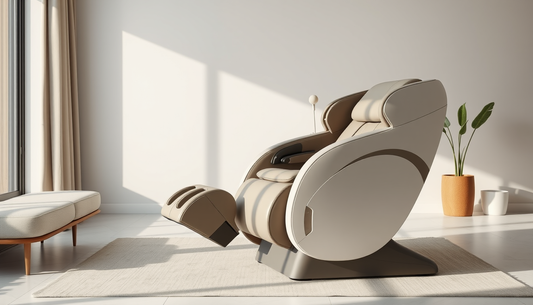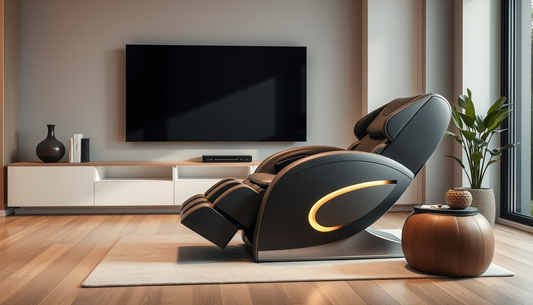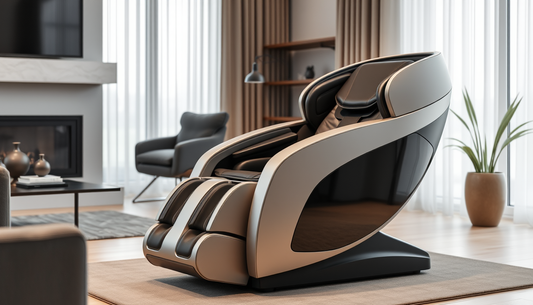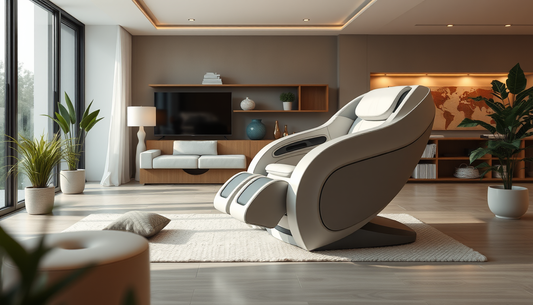
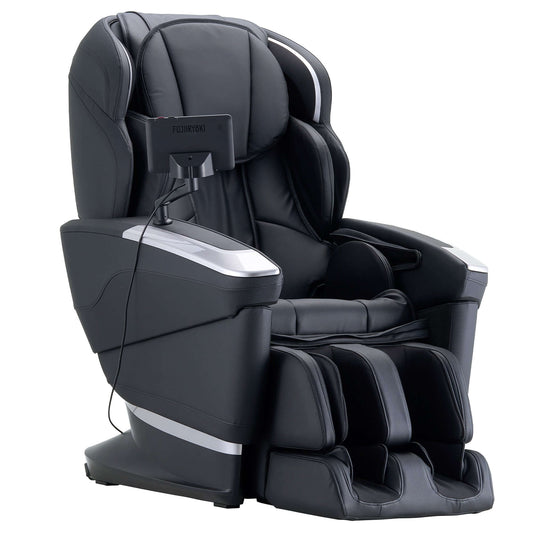
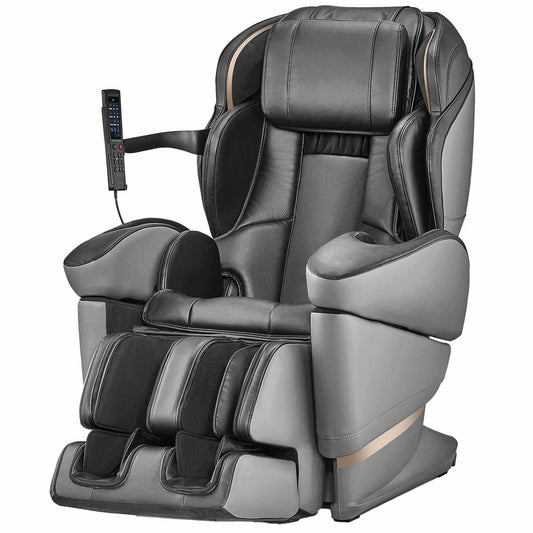
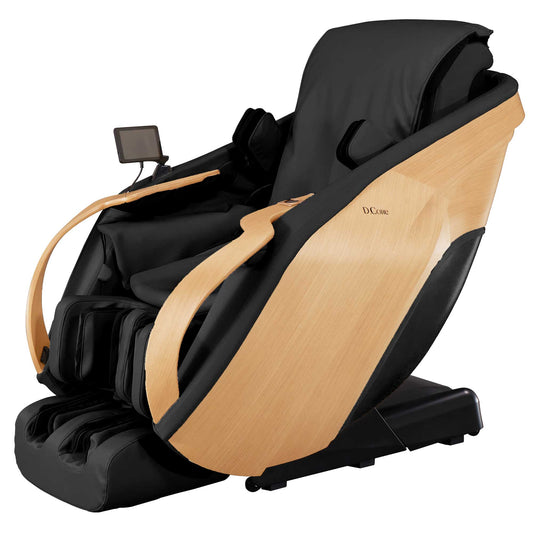
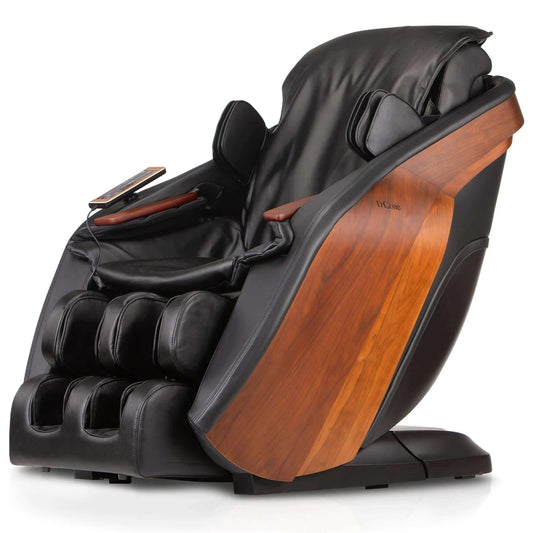
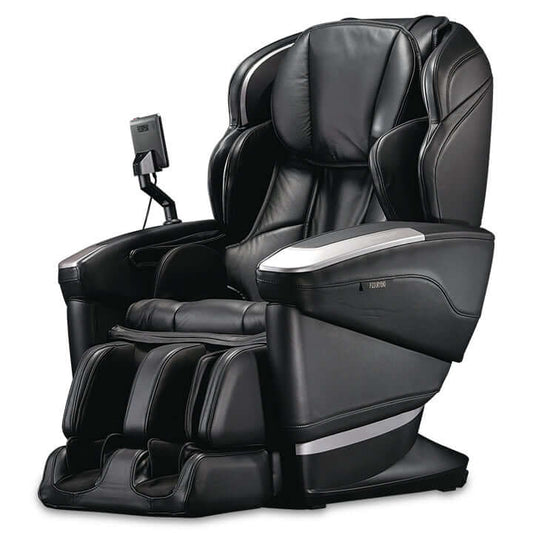

Fujiiryoki Massage Chair Techniques & Benefits: A Slide-Deck Guide for Targeted Relief from Ankle to Head (Swedish, Deep Tissue, Shiatsu, Reflexology, Trigger Point, Acupressure, Kneading)
Introduction
Welcome to a comprehensive, slide-deck styled guide to Fujiiryoki massage chairs. This long-form resource maps technique to target and translates complex wellness concepts into actionable sessions you can reproduce at home. By weaving together Swedish, deep tissue, Shiatsu, reflexology, trigger point, acupressure, and kneading modalities, the chair becomes a dynamic toolkit for relief—from the ankles up to the head. Whether you’re unwinding after a workout, managing daily stress, or pursuing proactive maintenance, this guide shows you how to structure sessions for noticeable improvements in circulation, flexibility, recovery, and overall well-being.
Targeted Body Areas for Relief
- Ankle
- Back
- Calf
- Feet
- Hands
- Head
- Heel
- Knee
- Legs
- Neck
- Shoulder
- Thigh
- Whole Body
- Wrist
Massage Techniques Explained
The Fujiiryoki experience blends seven modalities to depth-match tissue, depth, and relief goals. Below is an expanded guide to how each technique serves different body parts and wellness outcomes.
- Swedish Massage: Long, gliding strokes with light-to-moderate pressure to promote circulation, reduce superficial tension, and invite full-body relaxation. Ideal for large regions such as the back, calves, and thighs.
- Deep Tissue Massage: Targeted, firmer pressure that reaches deeper muscle layers and fascia. Best for chronic tightness in the back, neck, shoulders, and legs, helping to release stubborn knots and restore tissue length.
- Trigger Point Massage: Focuses on localized bands of tight fibers to interrupt referral pain patterns. Effective for pinpoint relief in the neck, shoulders, hips, and legs when pain lingers in specific spots.
- Acupressure: Precise pressure on key meridian points to encourage energy flow and reduce stiffness. Particularly beneficial for wrists, hands, feet, and the plantar surface for arch support and stability.
- Shiatsu Massage: Finger-press and palm-pressure sequences that emulate traditional Shiatsu techniques. Promotes balanced muscle tone along the spine, neck, shoulders, and hips when aligned with breath and posture.
- Reflexology: Zone-based stimulation on the feet and hands that is believed to reflect systemic relief. Useful for foot comfort, ankle mobility, and overall tension reduction through neural pathways.
- Kneading: Repetitive kneading motions along muscle tissue to improve elasticity and circulation. Especially effective for calves, thighs, the lower back, and areas that hold postural stress.
Benefits of Massage Chair Therapy
- Blood Flow Control
- Fatigue Relief
- Flexibility Improvement
- Injury Recovery
- Muscle Therapy
- Pain Relief
- Spine Alignment
- Stress Relief
- Tissue Therapy
- Sleep Quality Enhancement
- Immune Support and Recovery Boost
How the Chair Delivers Targeted Relief
Think in zones. Start with a gentle warm-up to prep tissues, then move progressively from ankles and calves up the legs, through the lower back, and finally to the neck and shoulders. Use zone-specific programs or manually adjust intensity to match tissue depth and the intended outcome—relaxation, release, or recovery. For example, begin with light Swedish strokes on the feet and ankles, transition to deeper work on the calves and lower back, and finish with calm neck and shoulder strokes to consolidate relief.
Slide-Deck Programming Principles: How to Customize Sessions
- Identify the target zone you want to relieve first, then expand to neighboring regions for balanced relief.
- Blend modalities: use Swedish for relaxation, deep tissue for depth, and reflexology or acupressure to diversify techniques.
- Tailor duration and intensity by tissue response: ease in, observe, and adjust.
- Incorporate warm-up and cool-down segments to maximize tissue health and circulation.
- Document perceived relief after each session to fine-tune future programs.
Setting Up for Safe, Effective Use
- Consult with a healthcare professional if you have chronic injuries, joint instability, or recent surgery.
- Start with lower intensity and shorter duration; gradually increase as comfort allows.
- Ensure proper chair setup: supported neck with an appropriate headrest, leg rest alignment, and a neutral spine position.
- Avoid high-intensity deep tissue routines on inflamed or acutely injured areas.
- Hydrate before and after sessions to support tissue flushing and circulation.
Slide-Deck Takeaways: Quick Reference
- Target the initial relief zone, then move to adjacent areas for holistic comfort.
- Combine modalities thoughtfully to address both surface tension and deeper tissue restrictions.
- Track relief, adjust intensity, and refine routine to optimize blood flow, tissue health, and fatigue reduction over time.
Program Scenarios: Sample Home Routines
- Post-Workout Recovery (15–20 minutes): Start with Swedish on ankles and feet for 3–4 minutes, switch to calves with light-to-moderate kneading for 4–5 minutes, apply deep tissue on the lower back for 3 minutes, then finish with a 3-minute neck/shoulder cycle using gentle Shiatsu.
- Morning Wake-Up (10–12 minutes): Light Swedish across the whole body, emphasis on hips, shoulders, and neck; a brief reflexology cycle on the feet to energize circulation.
- Evening Wind-Down (12–15 minutes): Slow kneading and long Swedish strokes down the back and legs, followed by a soothing Shiatsu sequence on the neck and shoulders to ease tension before sleep.
- Targeted Trigger Points (5–8 minutes): Identify a tight knot in the upper back or hip region and apply a focused trigger point program with gradual depth, followed by a gentle reflexology finish.
Case Studies and Real-World Scenarios
- Athlete Recovery: After a run, calves and hamstrings receive deeper work while calves are lightly stimulated to improve venous return. The session concludes with reflexology to calm the nervous system and reduce latency in muscle fatigue.
- Desk-Worker Wellness: A 12-minute routine targets the neck, shoulders, and lower back using a mix of Swedish and Shiatsu to counteract postural strain and stiffness.
- Chronic Tension Management: A weekly scheduled routine alternates between deep tissue and trigger point focus on the upper back and hips to gradually unwind long-held tension and improve range of motion.
Safety, Contraindications, and Hygiene
- People with acute injuries, fractures, or post-surgical restrictions should follow medical guidance and adjust intensity accordingly.
- Pregnant users should consult healthcare providers before using deep tissue or abdominal massage features.
- Avoid massage over open wounds or large skin lesions; ensure skin is dry and clean before use.
- Keep sessions within comfortable limits; if numbness, tingling, or dizziness occurs, stop and re-evaluate intensity and duration.
- Maintain the chair’s upholstery and mechanics by following manufacturer cleaning guidelines; unplug during cleaning or maintenance.
Maintenance and Longevity
- Wipe down surfaces with mild, non-abrasive cleaners; avoid harsh chemicals that could degrade leather or fabric.
- Check and clean air cells, foot rollers, and sensor cushions as recommended by the user manual.
- Schedule professional servicing at recommended intervals to preserve mechanical longevity and proper alignment of rollers and airbags.
- Use the chair regularly to keep tissue pliability and circulation, but allow recovery periods if you notice unusual soreness after use.
Accessibility and Inclusivity Considerations
Massage chairs should accommodate a wide range of body sizes, abilities, and comfort preferences. Look for adjustable leg rests, head supports, and an intuitive control interface to ensure everyone can benefit from targeted relief without strain. If you share a chair with others, save user profiles to tailor intensity, zone focus, and program order to individual needs.
Frequently Asked Questions (FAQ)
- Can I use Fujiiryoki massage chair every day? Yes, many users incorporate daily sessions; start with shorter, lighter routines and gradually build up as comfort allows.
- Which technique is best for sleep? A combination of Swedish, light kneading, and reflexology with a calm finish in Shiatsu or acupressure can help ease activation and promote relaxation before bed.
- How do I know which body part to treat first? Start with the area causing the most discomfort or fatigue. A gradual zone-by-zone approach often yields the most balanced relief.
- Are there any risks? For most people, massage chairs are safe, but those with acute injuries, pacemakers, or certain medical conditions should consult a clinician before use.
Conclusion
When approached as a slide-deck style toolkit, Fujiiryoki massage chairs reveal a powerful, adaptable system for targeted relief—from ankle to head. By aligning massage techniques with specific body parts and wellness goals, you can create personalized routines that improve blood flow, reduce fatigue, enhance flexibility, support recovery, and calm the nervous system. Use these expanded sections as a blueprint to design sessions that fit your lifestyle, recovery needs, and daily schedule, and watch as mobility, comfort, and energy rise over time.
标签: