
Fujiiryoki Massage Chair Techniques Unveiled: A Presenter-Style Guide to Swedish, Shiatsu, Deep Tissue, Reflexology for Ankle-to-Head Wellness
Overview and Presenter Framework
Welcome to a comprehensive presenter style guide that demystifies Fujiiryoki massage chair techniques from ankle to head. This long-form walkthrough blends clinical style cues with practical, audience-friendly explanations to help you design sessions that improve circulation, relieve fatigue, enhance flexibility, and support recovery. Whether you are hosting a workshop, sharing a home wellness routine, or simply refining your own practice, this guide offers clear steps, outcomes, and talking points you can adapt.
The Fujiiryoki Advantage for Home Wellness
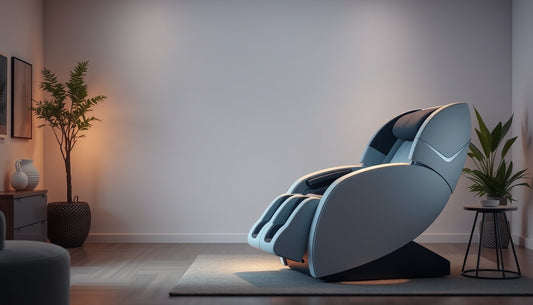
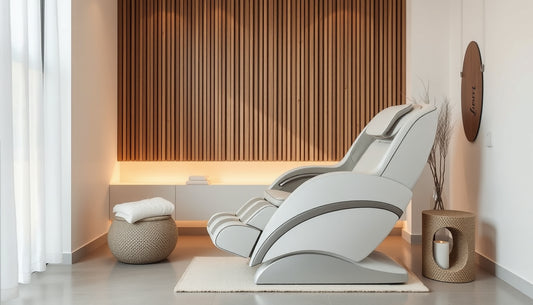
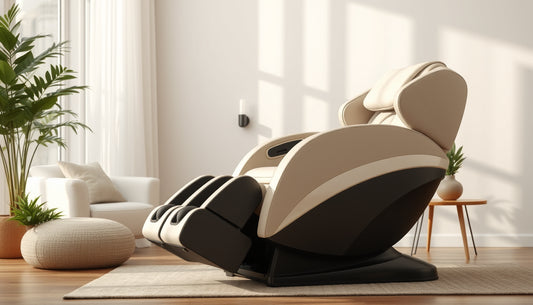
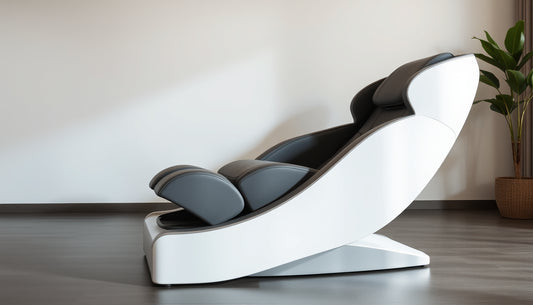
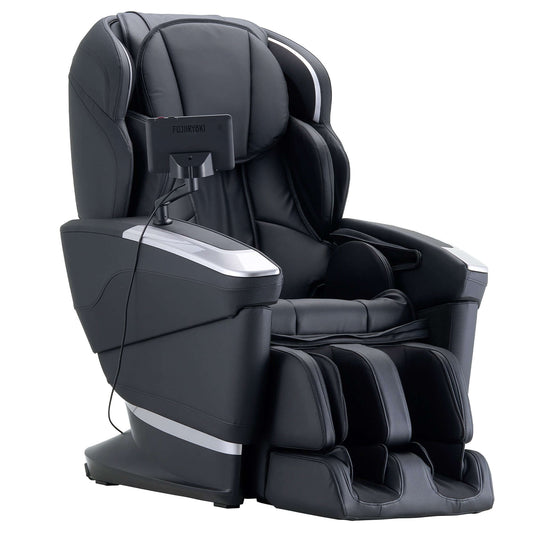
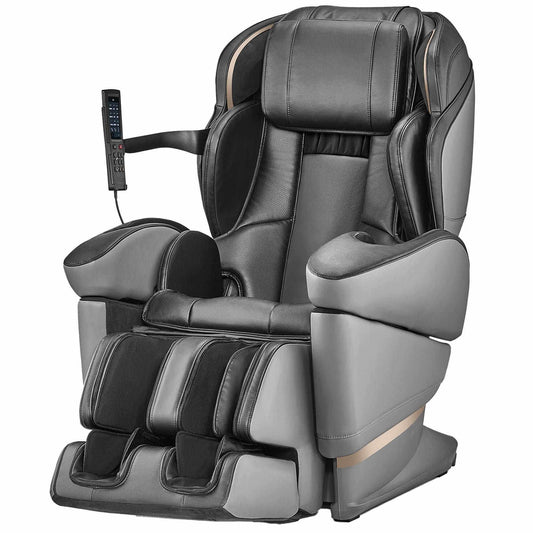
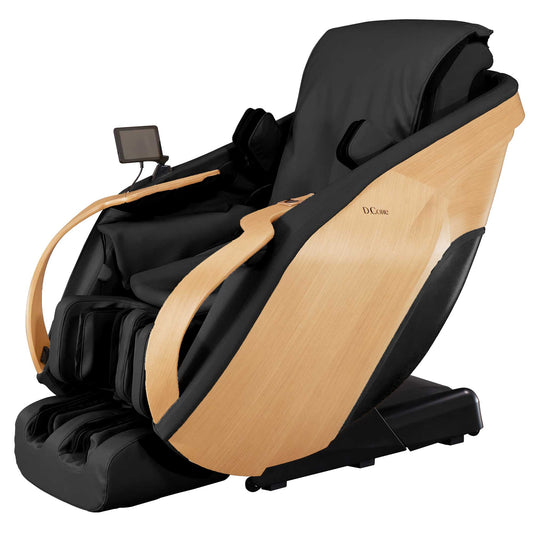
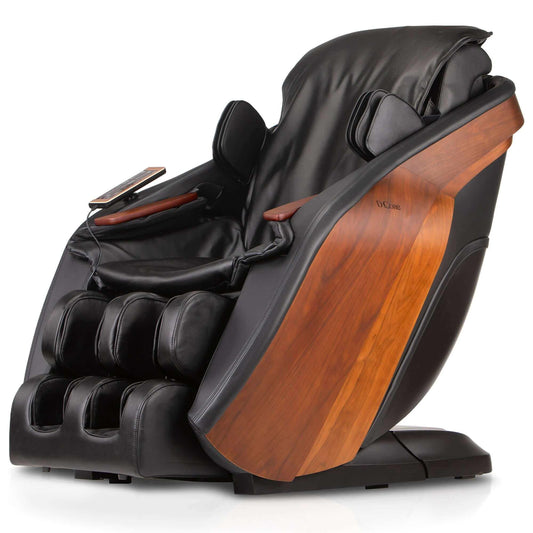
Fujiiryoki chairs bring professional level therapy into daily life. Expect adaptive rollers, customizable presets, precise targeting, and safe, gentle transitions between modalities. Key benefits include broad coverage from ankle to head, reflexology nodes for feet and hands, and programmable sequences that align with your goals.
- Extensive technique repertoire including Swedish, Shiatsu, Deep Tissue, Trigger Point and more
- Adjustable intensity, speed, and seat leg elevation for personalized sessions
- Integrated reflexology, acupressure cues and ergonomic support to aid posture
- Smart sensing and safety features that adapt to your body in real time
Session Design: A Presenter’s Blueprint
Think like a presenter. Start with an objective, demonstrate each technique with clear cues, and end with a recap of outcomes. Below is a flexible template you can apply to 30, 45, or 60 minute sessions.
- Warm-up objective: prepare tissues and mindset with light contact and breathing cues.
- Progression: move through Swedish, Shiatsu, and selective deep work aligned to goals.
- Targeted work: apply trigger points, acupressure and reflexology to emphasis zones.
- Cool-down: finish with gentle effleurage and stretches for flexibility and recovery.
- Reflection: note sensations, improvements in range of motion and comfort.
Sample time allocations provide a framework that keeps sessions focused while allowing variation based on user needs.
- 30 minutes: warm-up 5, Swedish 12, reflexology 8, cool-down 5.
- 45 minutes: warm-up 5, Swedish 10, deep tissue or trigger point 12, reflexology 10, cool-down 8.
- 60 minutes: warm-up 7, Swedish 12, Shiatsu 10, deep tissue 12, reflexology 10, cool-down 9.
Swedish Massage: Gentle Flow for Relaxation and Circulation
Swedish massage uses long gliding strokes, kneading and rhythmic movements to promote relaxation, improve circulation and reduce fatigue. It prepares tissues for deeper work and fosters a calm state that supports better breath and posture.
- Set the chair to a comfortable recline and select the Swedish preset.
- Engage long strokes along the calves, thighs, back and arms to warm tissues.
- Gradually increase tempo to promote blood flow without overstimulating nerves.
- Finish with light effleurage on the feet and hands to reset tone.
Benefits include improved circulation, fatigue relief, flexibility enhancement and stress relief. Use as a daily warm-up or a gentle recovery session between deeper modalities.
Shiatsu Massage: Deep Pressure and Energy Lines
Shiatsu uses finger-like pressure and rhythmic kneading along meridian pathways to relieve tension and promote energy balance. This modality is particularly effective for neck, shoulders and back stiffness and can help release habitual tension patterns from long workdays.
- Select the Shiatsu program and adjust pressure to comfort.
- Focus on neck, shoulders, back, calves and feet to balance upper and lower body tension.
- Let rollers apply pressure at trigger points while breathing deeply and slowly.
- Finish with a gentle back rub and optional stretch cues for improved flexibility.
Targets include neck, shoulders and back; benefits span muscle relief, improved energy flow, and reduced stiffness.
Deep Tissue Massage: Targeted Muscle Therapy
Deep tissue sessions target deeper muscular layers to release chronic tension, adhesions and postural strain. This approach is especially valuable for athletes or anyone recovering from repetitive stress injuries.
- Use the deep tissue preset with a comfortable intensity setting.
- Direct attention to knots in the upper and lower back, glutes, calves and thighs.
- Apply slower strokes with deeper pressure; pause at trigger points for release.
- Balance with a lighter finishing pass to minimize post-session soreness.
Target areas include back, neck, shoulders, legs and hips. Benefits: pain relief, injury recovery and tissue conditioning.
Trigger Point and Kneading: Specific Tension Release
Trigger point work targets tight bands of muscle that refer pain elsewhere, while kneading helps loosen tissue through rhythmic compression. Used together, they address acute tension and enhance long-term mobility.
- Activate trigger point mode or kneading sequence.
- Address hotspots: shoulders, mid back, calves and forearms.
- Apply gradual pressure and release, then move to adjacent points.
- Finish with a gentle overall pass to reset muscle tone.
Benefits include pain relief, improved flexibility, enhanced tissue therapy and faster recovery.
Acupressure and Reflexology: Pressure Points to Wellness
Acupressure and reflexology mimic traditional therapies by stimulating pressure points on feet and hands to influence systemic balance and energy flow. These cues help modulate autonomic responses and support relaxation and renewal.
- Activate the acupressure reflex program focusing on soles and arches.
- Apply light to moderate pressure and gradually increase as tolerance allows.
- Ensure session includes ankles, feet, hands and wrists for a holistic effect.
- Close with a soothing foot rub and gentle stretches.
Benefits include stress relief, improved circulation, nerve balance and fatigue relief.
Reflexology and Kneading Summary: Whole-Body Wellness
When combined, reflexology cues amplify overall wellness from feet to head, supported by kneading for tissue health across legs, back and arms. The synergy can enhance proprioception and postural awareness over time.
- Targeted zones include ankles, feet, calves, knees, thighs and spine regions in the back.
- Consistency and proper chair positioning yield the best results.
Targeted Body Parts and How They Benefit
- Ankle: improved circulation and lighter ankle joints via Swedish and reflexology passes.
- Back: deep tissue work, trigger points and kneading to release adhesions.
- Calf: leg-focused strokes, improved flexibility, reduced soreness.
- Feet: reflexology and acupressure for nerve balance and fatigue relief.
- Hands: gentle kneading and acupressure to release tension from daily use.
- Head: neck and shoulder work to reduce tension headaches and improve posture.
- Heel: targeted pressure and rolling to ease plantar strain.
- Knee: supportive compression with leg massage sequences that improve range of motion.
- Legs: whole leg therapy for circulation and recovery.
- Neck: release of stiffness via Shiatsu and light kneading.
- Shoulder: trapezius relief and posture correction through targeted strokes.
- Thigh: relaxation and muscle lengthening with long strokes.
- Whole Body: integrated sessions that combine modalities for balance and vitality.
- Wrist: light kneading and acupressure to counter repetitive strain.
Safety, Contraindications and How to Train Your Eye as a Presenter
While Fujiiryoki chairs are designed with safety in mind, certain conditions require caution. If you have recent surgery, acute injury, pregnancy, or cardiovascular concerns, consult a clinician before beginning regular chair sessions. Start with low intensity and shorter durations, then build up gradually while monitoring comfort and breath. This keeps your presenting and practicing responsible and audience-friendly.
- Monitor for dizziness, numbness or excessive soreness.
- Avoid aggressive pressure over joints or inflamed areas.
- Hydrate before and after sessions to support tissue recovery.
Massage Benefits for Overall Wellness
- Blood flow control and improved circulation
- Fatigue relief and energy restoration
- Flexibility improvement and range of motion gains
- Injury recovery and tissue healing
- Muscle therapy and adhesion release
- Pain relief and improved posture
- Spine alignment support and spinal health
- Stress relief and mental clarity
- Overall relaxation and resilience
Practical Tips for Getting the Most from Your Fujiiryoki Chair
- Start with a quick consult to align programs with your goals and limitations.
- Adjust seat height, leg elevation and pressure gradually to avoid overstimulation.
- Use a consistent weekly routine to build lasting benefits and habit formation.
- Hydrate before and after sessions to support tissue recovery and toxin elimination.
- Keep a simple log of presets you like and track improvements in comfort and range of motion.
- Incorporate breathing cues or mindfulness to enhance relaxation and outcomes.
Advanced Techniques and Personalization
As you grow more comfortable, customize programs to emphasize your goals. Create a hybrid session that blends Swedish warmth with targeted trigger point work, or a reflexology focused sequence that ends with gentle neck relief. Use chair insights, such as automatic pace and leg elevation, to tailor sessions to your body’s daily needs.
- Layer modalities by sequencing orders that accelerate recovery after workouts.
- Preserve muscle health by alternating between deeper work and sympathetic relaxation.
- Document which combinations deliver the most noticeable relief and improved mobility.
Maintenance and Care for Your Fujiiryoki Chair
With regular care, your chair remains reliable for years. Simple routines keep rollers and creases clean, ensuring consistent performance and longevity.
- Wipe down upholstery after heavy use and avoid harsh cleaners.
- Inspect footrests and rollers for wear and tear and schedule service as needed.
- Keep the chair in a well-ventilated area to prevent humidity damage.
- Update firmware if available to access new programs and safety features.
Real-World Use Cases and Testimonials
These anonymized scenarios illustrate how presenter-style guidance translates into tangible wellness gains.
- Case A: A desk-bound professional uses a 45 minute weekly routine combining Swedish warmth and reflexology, reporting reduced ankle swelling and improved sleep after three weeks.
- Case B: An athlete integrates trigger point work and deep tissue sessions around training cycles, noting faster recovery times and fewer muscle tightness days.
- Case C: A retiree uses Shiatsu and acupressure to ease neck and shoulder stiffness, experiencing clearer posture and less morning stiffness.
Frequently Asked Questions for Presenters and Users
- Can I use a Fujiiryoki chair every day? Yes, with moderate durations and alternating modalities to avoid overstimulation.
- Which program should I start with if I am new to massage chairs? Begin with Swedish for warming your tissues and easing into the experience.
- How do I know if I should increase intensity? Progress gradually and listen to your body; a little soreness is normal but sharp pain is not.
- Is chair therapy good for stress relief? Absolutely; the combination of physical relief and guided breathing supports mental calm.
- How long before I see results? Many users notice improvements in comfort and mobility within a few weeks of consistent use.
Conclusion: A Presenter Style Path to Ankle-to-Head Wellness
With this presenter style guide, you can navigate Fujiiryoki massage chair techniques confidently, applying Swedish, Shiatsu, Deep Tissue, Reflexology and more to support whole body wellness from ankle to head. By designing sessions with clear objectives, precise cues, and measurable outcomes, you transform your chair into a dynamic wellness studio that adapts to your needs and lifestyle.
标签: