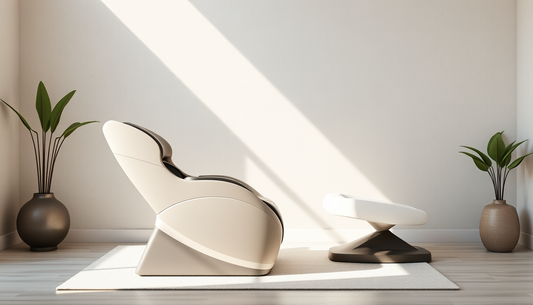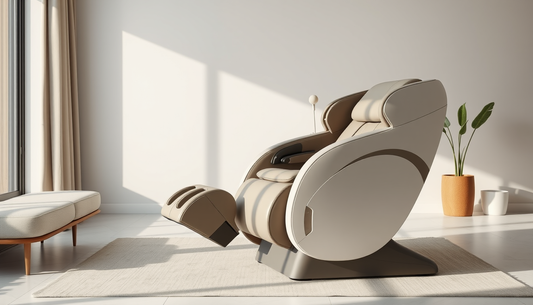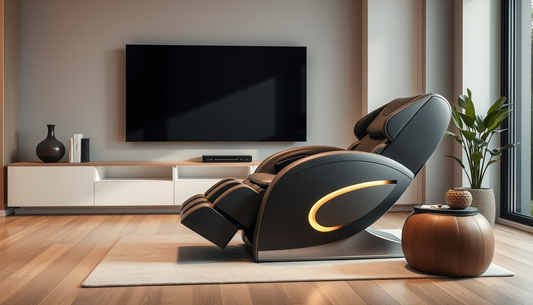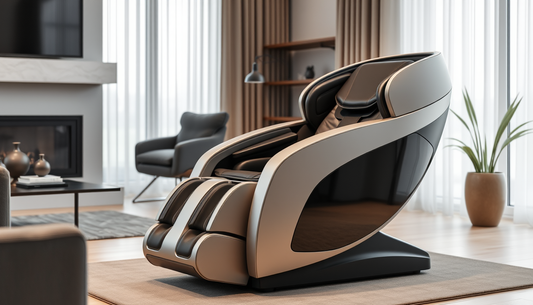
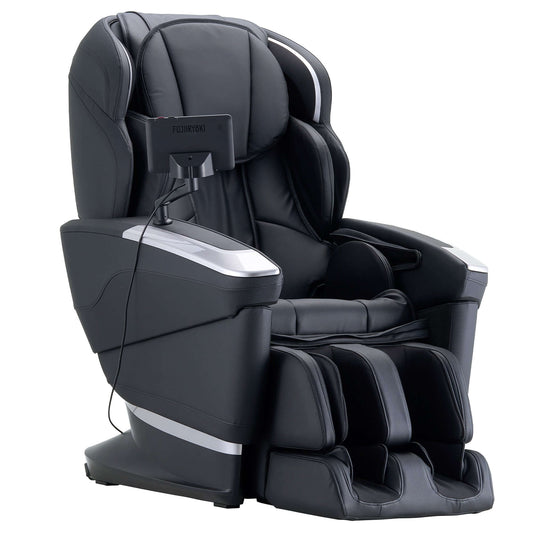
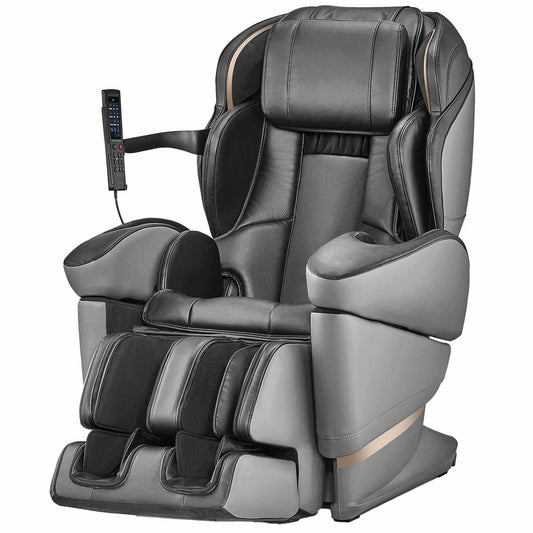
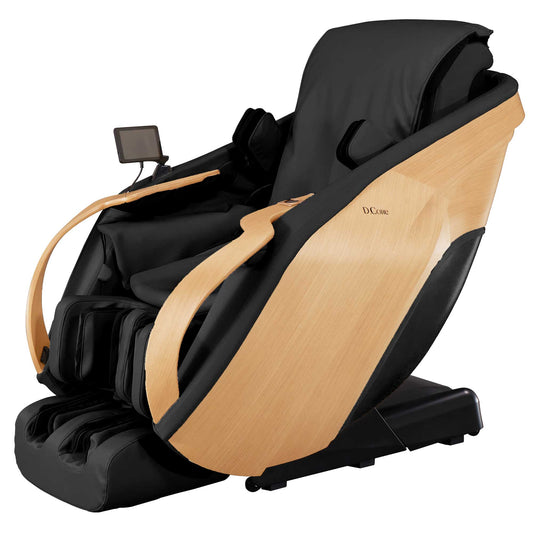
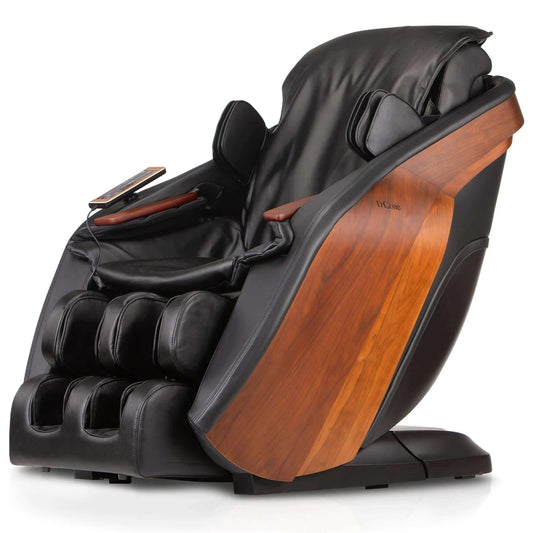
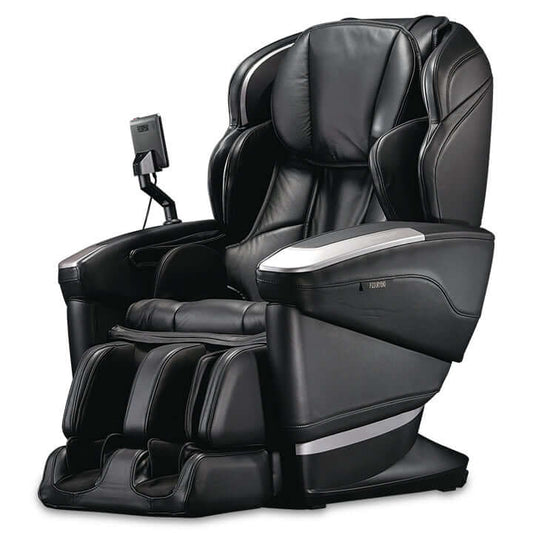
Fujiiryoki Massage Chair Techniques & Benefits: A Slide-Deck Masterclass for Targeted Relief Across Ankle to Head and Every Major Body Part
按摩椅问题

Fujiiryoki Massage Chair Techniques & Benefits: A Slide-Deck Masterclass for Targeted Relief Across Ankle to Head and Every Major Body Part

Introduction

Welcome to an in-depth, slide-deck style masterclass on Fujiiryoki massage chairs. This guide is designed to be practical for everyday at-home use while keeping SEO considerations in mind. You will learn how a range of massage techniques can deliver targeted relief across every major body part—from ankle to head—and how to tailor sessions to your personal health goals. Expect clear explanations of techniques, real-world tips for setup, and insights into the measurable benefits you can expect when you commit to a consistent at-home massage routine.

As we move through the masterclass, we’ll map techniques to body regions, explain how each technique works in the context of a Fujiiryoki chair, and provide slide-ready takeaways you can apply in your daily life. This guide emphasizes the intersection of technology, therapeutic massage principles, and practical wellness routines for 2026 and beyond.

Why Fujiiryoki Chairs Stand Out

Fujiiryoki has a long history of integrating advanced massage technology with clinician-inspired techniques. What sets these chairs apart is the combination of customizable zone control, diverse massage styles, and ergonomic rollers designed to reach standard trouble spots such as the calves, shoulders, neck, and lower back. The result is a versatile home device that can simulate Swedish, deep tissue, trigger point, acupressure, Shiatsu, reflexology, and kneading techniques—delivered with precision and consistency.

This masterclass notes how to maximize the chair’s presets and zone-specific programs to support circulation, muscle relief, and overall mobility. The goal is to help you build an at-home routine that feels as effective as a professional session while remaining safe and sustainable over time.

Targeted Body Parts Covered

  • Ankle
  • Back
  • Calf
  • Feet
  • Hands
  • Head
  • Heel
  • Knee
  • Legs
  • Neck
  • Shoulder
  • Thigh
  • Whole Body
  • Wrist

Massage Techniques Included

  • Swedish Massage
  • Deep Tissue Massage
  • Trigger Point Massage
  • Acupressure
  • Shiatsu Massage
  • Reflexology
  • Kneading

Slide 1: Ankle, Feet, and Heel — Targeted Relief

  • Techniques to apply: Swedish, Kneading, Reflexology, and Acupressure
  • Focus: arch and heel tension, plantar fascia comfort, improved foot circulation
  • Why it matters: Feet support the entire posture; relief here propagates up the kinetic chain

Practical tips: Start with a gentle preset focused on footbeds or calf-to-foot zones. Gradually increase intensity and heat (if available) to ease tension without provoking over-stimulation. For athletes or those on their feet all day, a 15–20 minute sequence provides noticeable comfort and improved gait quality.

Slide 2: Calf and Leg Comfort

  • Techniques to apply: Deep Tissue Massage, Kneading, and Swedish for calves
  • Focus: calf muscle pliability, reduced tightness, enhanced venous return
  • Benefit: lowers fatigue after long days of standing or walking

Implementation note: Target the gastrocnemius and soleus with longer stroke times and moderate pressure. This slide emphasizes gradual ramp-up to avoid post-session soreness and to promote long-term flexibility.

Slide 3: Knee and Thigh Focus

  • Techniques to apply: Kneading, Deep Tissue, and Trigger Point Massage
  • Focus: quads and hamstrings, release of muscular knots, improved leg flexibility
  • Benefit: supports athletic recovery and daily mobility

Tip: Use kneading patterns that travel along the length of the thigh muscles. For chronic tightness, alternate between deep tissue and trigger point modes to de-swell muscular knots and restore range of motion.

Slide 4: Back and Spine Alignment

  • Techniques to apply: Deep Tissue Massage, Trigger Point Massage, Shiatsu
  • Focus: upper and lower back tension, spinal alignment support
  • Benefit: reduces postural strain and promotes core stability

Clinical note: Back relief often benefits from cross-axial pressure and targeted kneading along paraspinal muscles. If your chair supports heat therapy, a gentle heat profile can augment tissue elasticity before deeper work.

Slide 5: Neck and Shoulder Tension

  • Techniques to apply: Shiatsu, Trigger Point Massage, Swedish
  • Focus: trapezius and neck knots, improved range of motion
  • Benefit: guards against headaches and improves posture

Usage guidance: Start with lighter pressure to acclimate the neck region, then progress to firmer Shiatsu strokes to address muscle knots. Avoid prolonged hyperextension; always keep neck in a comfortable alignment with the chair’s headrest properly adjusted.

Slide 6: Hands and Wrists

  • Techniques to apply: Reflexology on hands, Acupressure, Kneading
  • Focus: relieve carpal tunnel-like strain, improve hand dexterity
  • Benefit: supports daily tasks and precision work

Tip: If your chair offers localized palm or finger rollers, enable a light setting to prevent over-stimulation. This is especially helpful for people who type or perform detailed manual work.

Slide 7: Head and Scalp Comfort

  • Techniques to apply: Gentle Swedish, Shiatsu-inspired scalp work, light reflexology
  • Focus: relaxation response, scalp tension relief
  • Benefit: promotes calmness and mental clarity

Note: Head and neck relaxation can contribute to better sleep quality. Pair sessions with a quiet room and a consistent routine to reinforce benefits over time.

Slide 8: Whole-Body Wellness

  • Approach: synchronized multi-zone massage that alternates focus between major regions
  • Benefit: balanced circulation, holistic stress relief, and overall recovery
  • Tip: use presets that target multiple regions for a comprehensive session

Concept: A whole-body approach helps prevent stagnation of blood flow and reduces fatigue accumulation by maintaining a comfortable rhythm across zones.

Slide 9: Key Benefits for Targeted Relief

  • Blood Flow Control
  • Fatigue Relief
  • Flexibility Improvement
  • Injury Recovery Support
  • Muscle Therapy
  • Pain Relief
  • Spine Alignment Support
  • Stress Relief
  • Tissue Therapy

Analytic note: Each benefit can be observed through subjective feedback about comfort and sleep, as well as objective improvements in range of motion and reduced muscle soreness after a consistent program of use.

Slide 10: Practical Setup and Home Use Tips

  • Start with a gentle preset to acclimate to the chair’s massage zones
  • Use zone-specific modes for precise parts of the body
  • Customize intensity, tempo, and heat where available
  • Schedule regular sessions to maximize long-term benefits

Implementation plan: Create a weekly schedule with 2–3 sessions of 20–30 minutes. Alternate between focused regional sessions and longer full-body sessions to balance recovery and relaxation.

Slide 11: Safety, Maintenance, and Longevity

  • Follow manufacturer guidelines for usage duration and rest intervals
  • Keep cushions and rollers clean; perform periodic maintenance as recommended
  • Consult a healthcare professional if you have conditions affecting circulation or joints

Proactive care: Regular cleaning, inspecting connectors, and servicing rollers ensures consistent performance and prolongs the chair’s lifespan. If you notice unusual noises or reduced effectiveness, contact the manufacturer’s support rather than attempting field repairs.

Slide 12: Safety, Contraindications, and First-Time Use

  • Do not use the chair if you have acute injuries without medical clearance
  • Avoid intense pressure over open wounds, severe edema, or recent surgical sites
  • Consult a clinician if you have cardiovascular conditions, diabetes with neuropathy, or joints with limited stability

First-time users should begin with a low-intensity preset and gradually increase as comfort allows. Always monitor for tingling, numbness, or dizziness and stop if these symptoms occur.

Slide 13: Frequently Asked Questions (Expanded)

  • Can a Fujiiryoki massage chair substitute for professional massage therapy?
  • Which techniques are best for chronic neck tension?
  • How often should you use the chair for optimal results?
  • Are there differences between preset programs and custom-made routines?
  • How should I balance heating with massage to avoid overheating?

Slide 14: The Science of Massage Techniques in a Chair

  • Swedish Massage promotes superficial, long strokes that relax the nervous system and improve circulation
  • Deep Tissue Massage targets deeper muscle layers to release adhesions and improve mobility
  • Trigger Point Massage focuses on knots that radiate pain to other areas
  • Acupressure and Shiatsu apply finger-like pressure along energy pathways to rebalance tension
  • Reflexology uses mapped pressure points on hands and feet to influence systemic function
  • Kneading simulates manual compression that supports tissue remodeling

In a Fujiiryoki chair, these techniques are delivered through synchronized rollers, airbags, and targeted heat, making it possible to execute a cohesive, clinician-inspired massage session at home.

Slide 15: Case Studies and Real-World Applications (Fictional Scenarios)

  • Professional commuter with back and neck tension finds relief through a 20-minute daily routine focused on the upper body and spine alignment
  • Athlete-prone individual uses calf, thigh, and hip-focused sessions to accelerate recovery after training
  • Office worker with chronic wrist strain experiences improvements in daily tasks after reflexology and acupressure sequences

Note: These scenarios illustrate typical outcomes and should be paired with medical advice for chronic conditions.

Slide 16: Getting the Most from Your Fujiiryoki — Personalization and Routines

  • Create a weekly rhythm: alternating full-body sessions with targeted zone work
  • Experiment with intensity and speed to discover your comfort zone
  • Combine massage with hydration, light stretching, and proper sleep hygiene for amplified benefits

Personalization tip: Use presets as starting points, then tailor them with zone emphasis, duration, and heat to suit your preferences and goals. Consistency is the key to long-term improvements in circulation, flexibility, and pain relief.

Slide 17: A Quick Guide to Zone Control, Presets, and Heat

  • Zone control lets you isolate ankle, calf, back, neck, shoulders, hands, or head regions
  • Presets offer curated combinations of techniques to simulate multi-region sessions
  • Heat therapy can enhance tissue elasticity and comfort; use on cooler days or during post-work sessions

Best practice: Start with a moderate-zone preset, then gradually expand to include neighboring regions for a broader relief effect without overloading any single area.

Slide 18: Comparison with Other Massage Chairs (What to Look For)

  • Range of techniques offered (Swedish, Deep Tissue, Trigger Point, Acupressure, Shiatsu, Reflexology, Kneading)
  • Quality and coverage of zones (feet-to-head reach, calf/hamstring access, neck support)
  • Adjustability: intensity, speed, heat, and program duration
  • Maintenance needs and reliability

When evaluating a massage chair for home use, prioritize a model that allows zone-specific customization, durable rollers, and a comfortable fit for your body dimensions. Also consider safety features, warranty length, and ease of cleaning.

Slide 19: Working with Healthcare Professionals

  • Integrate chair sessions with routine physical therapy or chiropractic care as prescribed
  • Use chair-based relief to extend benefits between in-person sessions
  • Share notes about changes in pain, mobility, or range of motion to guide adjustments

Communication tip: Bring session logs to appointments, noting which body parts felt best after each session and any adverse responses to adjust pressure and duration accordingly.

Slide 20: Building a Sustainable Wellness Routine

  • Commit to a consistent schedule, such as 3–4 sessions per week
  • Pair massage with movement: light daily stretches, mobility work, and mindful breathing
  • Review and refine your routine every 4–6 weeks to align with changing needs

Long-term payoff: Regular sessions can improve circulation, reduce fatigue, support spine health, and promote stress resilience, contributing to a higher quality of life and greater daily function.

Slide 21: Safety, Maintenance, and Longevity — Final Notes

  • Adhere to usage guidelines and rest intervals to protect joints and soft tissues
  • Keep cushions, upholstery, and rollers clean to prevent wear and odor buildup
  • Schedule professional servicing as recommended by Fujiiryoki or the retailer

Final reminder: If you have any medical conditions, consult a healthcare professional before beginning a new massage routine, especially if you have circulatory issues, neurological concerns, or recent injuries.

Conclusion

Fujiiryoki massage chairs offer a compelling, slide-deck style approach to targeted relief across the ankle to head and every major body part. By blending classic massage techniques with zone-specific programs and modern chair engineering, you can customize sessions to your unique needs, improve circulation, ease fatigue, and support ongoing mobility. Use this masterclass as a blueprint to maximize the benefits of your Fujiiryoki chair and to build an at-home wellness routine that aligns with your health goals for 2026 and beyond.

标签:
4产品
9产品
13产品