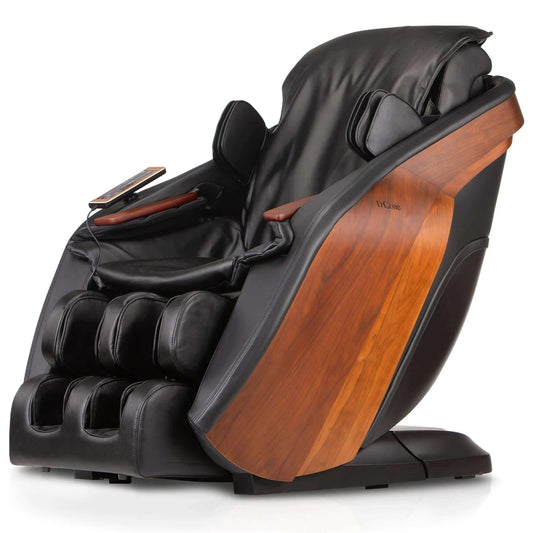
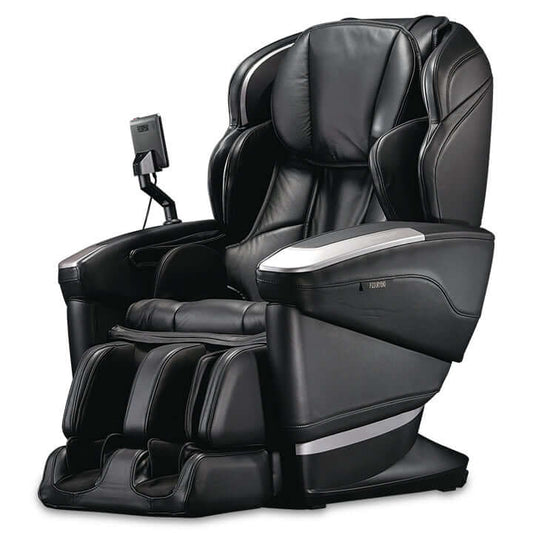
Presentation Guide: Fujiiryoki Massage Chair Techniques & Benefits — From Ankles and Heels to Neck and Shoulders (Swedish, Shiatsu, Reflexology) to Improve Circulation, Pain Relief & Recovery
按摩椅问题

Presentation Guide: Fujiiryoki Massage Chair Techniques & Benefits — From Ankles and Heels to Neck and Shoulders (Swedish, Shiatsu, Reflexology) to Improve Circulation, Pain Relief & Recovery

Introduction: A Presentation-Ready Guide to Fujiiryoki Massage Chairs

This extended guide is written for presenters, therapists, retailers and wellness professionals who need a thorough, research-informed and audience-friendly presentation about Fujiiryoki massage chairs. Use it to build slide decks, run live demos, train staff, or create marketing materials that rank for SEO. The content maps massage techniques (Swedish, Shiatsu, Reflexology, Kneading, Deep Tissue, Trigger Point, Acupressure) to targeted body areas (ankle, heel, foot, calf, knee, thigh, leg, back, spine, neck, shoulder, head, hand, wrist and whole body) and the benefits they deliver (improved blood flow, pain relief, injury recovery, fatigue relief, flexibility and more).

Why Fujiiryoki: Brand and Technology Snapshot

  • Heritage: Fujiiryoki is a leading Japanese manufacturer known for clinical-quality massage chair engineering and user-focused programs.
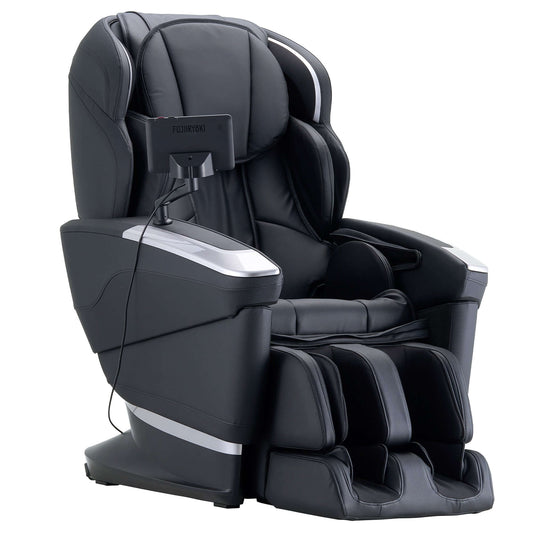
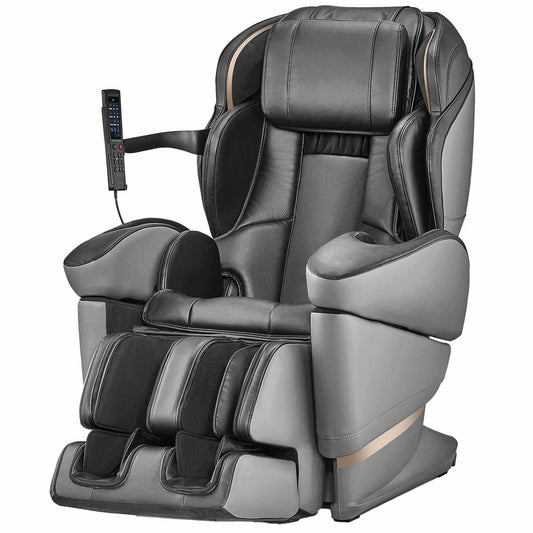
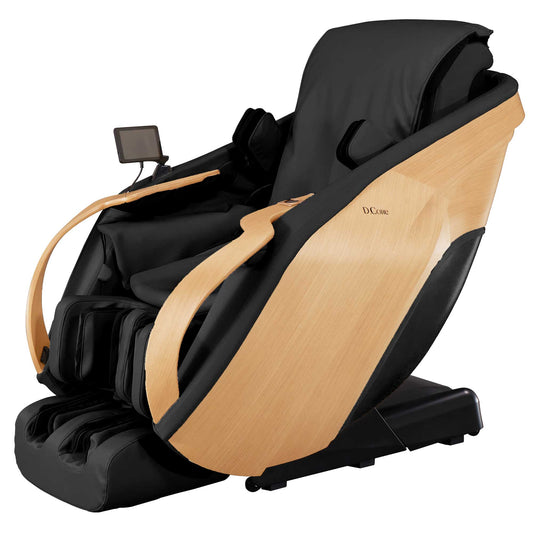
  • Core technologies: S-track and L-track roller systems, multi-zone airbags, foot rollers, lumbar heat, zero-gravity recline options and precision intensity control.
  • Why it matters: The combination of rollers and airbags allows Fujiiryoki chairs to simulate human-like strokes for Swedish massage, localized point pressure for Shiatsu and targeted reflexology on feet and hands.
  • Presentation angle: emphasize reliability, clinical design, user comfort and customization options that make Fujiiryoki suitable for both home use and professional environments.

How Massage Chairs Recreate Manual Techniques: The Science in 90 Seconds

When explaining how a Fujiiryoki chair replicates manual therapy, highlight three mechanical functions:

  • Rollers: replicate finger, thumb and palm pressure; programmed for direction, speed and pressure to simulate Swedish long strokes, kneading and trigger point holds.
  • Airbags: provide compression and release to mimic manual squeezing, promoting venous return and lymphatic flow in limbs.
  • Heat and positioning: thermal therapy increases tissue pliability; recline positions like zero-gravity reduce spinal load to enhance relaxation and alignment.

Combine these three elements in demonstration to show how Fujiiryoki delivers circulation improvement, muscle relaxation, and targeted pain relief.

Presentation Structure: Recommended Slide Outline and Timing

  • Slide 1 (1 min): Title, presenter, learning objectives — what attendees will take away.
  • Slide 2 (2 min): Quick brand overview and what sets Fujiiryoki apart.
  • Slide 3 (3-4 min): How the chair works — rollers, airbags and heat with simple animations or photos.
  • Slide 4 (4-6 min): Massage techniques explained (Swedish, Shiatsu, Reflexology, etc.) and research-backed benefits.
  • Slide 5 (8-10 min): Body-part protocols — walk through ankles to head with demo settings and expected outcomes.
  • Slide 6 (6 min): Session planning, safety and contraindications.
  • Slide 7 (8-12 min): Live demo with before-and-after metrics and participant testimonials.
  • Slide 8 (5 min): Maintenance, troubleshooting and buying guidance.
  • Slide 9 (3 min): SEO and marketing pointers for retailers/content creators.
  • Slide 10 (5 min): Q&A and follow-up CTA — trials, brochures, contact info.

Core Massage Techniques and How to Demonstrate Them

  • Swedish Massage: Demonstrate long, gliding roller movements and low-frequency air cycles. Explain benefits like improved circulation, relaxation and lymphatic drainage.
  • Shiatsu Massage: Use spot pressure roller modes and hold functions to show acupressure-style stimulation. Emphasize relief for tension points in neck and shoulders and stimulation of meridian points.
  • Reflexology: Run foot roller programs and map sole zones to systemic benefits. Present quick charts connecting foot zones to organ systems for demo audiences.
  • Deep Tissue Massage: Slow, firm roller pressure on lumbar and thighs. Stress recovered mobility, reduced chronic muscle knots and improved tissue remodeling when used post-exercise.
  • Trigger Point Massage: Use pause-and-hold roller options to hold pressure on a knot; explain when to instruct clients to breathe into the pressure and perform gentle active stretches after the session.
  • Acupressure: Combine airbags and rollers for point-based compression; show how gentle repetitive compression can reduce localized pain and balance autonomic response.
  • Kneading: Demonstrate cyclic circular roller action across trapezius and paraspinals to show increased flexibility and reduced stiffness.

Body-Part Protocols: Detailed Settings, Duration and Outcomes

Below are extended, presentation-ready protocols. Use these in handouts or on-screen timers during demos.

  • Ankles and Heels
    • Recommended techniques: Reflexology, Shiatsu point pressure, gentle kneading and cyclic ankle compression with airbags.
    • Settings: foot roller low-medium intensity, ankle airbags on sequential mode, session 8-12 minutes.
    • Presenter note: show before-and-after ankle circumference (for swelling) or subjective soreness rating for plantar fasciitis demo.
    • Benefits: improved microcirculation, reduced plantar heel pain, decreased edema and enhanced recovery after prolonged standing.
  • Feet
    • Recommended techniques: Reflexology, kneading and vibration if available.
    • Settings: reflexology preset, alternating pressure, 10-15 minutes. For athletic recovery, combine with cold compress after session if inflammation present.
    • Presenter note: display foot sole map and highlight common points for stress relief and organ health claims framed conservatively.
    • Benefits: reduced foot fatigue, enhanced peripheral circulation and quicker post-exercise recovery.
  • Calf, Knee and Thigh
    • Recommended techniques: Deep tissue, sequential compression, kneading and trigger point holds for calf knots.
    • Settings: medium-high intensity, sequential leg airbags, 10-15 minutes per leg; for knee support use low-intensity localized airbags to avoid joint irritation.
    • Presenter note: highlight benefits for runners and desk-workers — decreased delayed onset muscle soreness (DOMS), reduced cramping and improved venous return.
    • Benefits: faster lactic acid clearance, improved muscle flexibility, decreased soreness and recovery acceleration from intensive workouts.
  • Lower Back and Spine
    • Recommended techniques: Swedish long glides, deep tissue along paraspinals, trigger point release, lumbar heat.
    • Settings: alternate kneading and sweep modes, heat at lumbar, intensity adaptive to pain level, 15-25 minutes.
    • Presenter note: demonstrate posture change with simple ROM tests and pain scales before/after. Use neutral spine education to explain how zero-gravity reduces disc pressure temporarily.
    • Benefits: pain relief, reduced muscle guarding, improved spinal alignment support, tissue therapy for chronic tension.
  • Upper Back, Neck and Shoulders
    • Recommended techniques: Shiatsu point pressure, trigger point holds, kneading of trapezius and cervical paraspinals, light traction via recline.
    • Settings: moderate intensity, concentrated neck/shoulder program, 8-12 minutes; avoid high-intensity sustained pressure on cervical spine.
    • Presenter note: include live demo with a participant who experiences tension headaches from shoulder tightness; measure cadence change in pain score.
    • Benefits: decreased headache frequency/intensity, improved neck ROM, relaxation of trapezius and reduced shoulder stiffness.
  • Hands and Wrists
    • Recommended techniques: reflex-style kneading, light acupressure and hand compression where supported by accessories.
    • Settings: low intensity, short cycles 5-10 minutes, consider pairing with finger stretches pre/post session.
    • Presenter note: show usefulness for desk-workers and musicians with repetitive strain; present a brief ergonomic checklist.
    • Benefits: improved circulation to hands, decreased stiffness from repetitive strain, relief for mild arthritic discomfort.
  • Head and Scalp
    • Recommended techniques: gentle acupressure, temple kneading, scalp vibration if available, combined with neck release.
    • Settings: low intensity, 5-8 minutes; pair with relaxation program/music and dimmed lights for best effect.
    • Presenter note: demonstrate breathing exercises concurrent with head program to maximize autonomic downregulation.
    • Benefits: reduction in tension headaches, stress relief, improved subjective sleep quality when used in evening routines.
  • Whole-Body Recovery Protocol
    • Recommended techniques: start with feet reflexology, progress through legs with sequential compression, lumbar deep tissue, finish with neck shiatsu and scalp relaxation.
    • Settings: progressive program 20-30 minutes, begin low intensity and increase gently; include heat for lumbar segments if indicated.
    • Presenter note: show timeline and energy of a recovery athlete or stressed office worker; measure subjective fatigue and readiness to train/work post-session.
    • Benefits: systemic circulation improvement, fatigue relief, balanced muscle therapy and stress reduction.

Evidence-Based Benefits: What to Communicate (and How to Phrase It)

When presenting, avoid overstating clinical claims. Use evidence-forward language like "may help" and cite mechanisms rather than definitive cures. Key benefit clusters to emphasize:

  • Blood flow control: Roller glides and airbags encourage venous return and microcirculation, supporting quicker recovery and reduced swelling.
  • Pain relief: Trigger point and deep tissue-like functions can relieve muscular knots and referred pain through sustained pressure and mobilization.
  • Fatigue relief and recovery: Sequential compression and reflexology help lymphatic flow and metabolic waste clearance, aiding recovery.
  • Flexibility improvement: Kneading and long-sweep techniques reduce muscular stiffness, improving range of motion over repeated sessions.
  • Spine alignment support: Ergonomic recline and targeted paraspinal rollers reduce compensatory muscle tightness that affects posture.
  • Tissue therapy: Heat and slow deep pressure support tissue remodeling and relaxation in chronic tightness.

Presentation Scripts: Sample Narration for Key Slides

Use these short scripts verbatim or adapt them for live delivery.

  • Slide: How it Works

    "The Fujiiryoki uses a three-part approach — mechanical rollers, air compression and heat. Rollers mimic long glides and focused pressure, airbags compress and release to improve venous return, and heat increases tissue elasticity. Together, they recreate manual techniques like Swedish and Shiatsu at scale and consistency."

  • Slide: Neck and Shoulders Demo

    "Notice how the Shiatsu mode applies rhythmic pressure to trapezius points. Ask your volunteer to rate their neck tension before and after. We often see immediate decreases in perceived tightness and improved range of motion after a short 8 to 12 minute session."

  • Slide: Athlete Recovery Protocol

    "After intense training, a 20-minute program that prioritizes feet, calves, and lumbar deep tissue followed by light neck kneading can accelerate recovery. This protocol supports lactate clearance and reduces delayed onset muscle soreness."

Before-and-After Metrics for Live Demos

  • Subjective scales: Visual Analog Scale (VAS) for pain, 0-10 fatigue rating, perceived stress scale quick item.
  • Objective quick tests: neck range of motion (degrees or comfortable reach), ankle girth for swelling, resting pulse before and after for vagal tone insights.
  • Thermal changes: infrared skin temperature over targeted areas can show improved peripheral perfusion after a session.

Safety, Contraindications and Legal Considerations

  • Contraindications to note: active infection, deep vein thrombosis, uncontrolled hypertension, recent fractures, acute inflammation, pregnancy without clearance, severe osteoporosis and implanted electronic devices like pacemakers unless cleared by manufacturer guidance.
  • Assessment: always ask a short medical screening questionnaire before demos and advise consulting a health professional for chronic or complex conditions.
  • Documentation: for clinics or commercial settings, maintain consent forms and session logs to track outcomes and any adverse events.
  • Liability: avoid making medical claims. Use phrasing like "supports", "may help" and "can aid" rather than claiming cures.

Personnel and Training: Preparing Presenters and Sales Staff

  • Knowledge checklist: all presenters should understand basic physiology of massage, technical features of Fujiiryoki models in stock, and contraindications.
  • Demo protocol training: role-play common questions and rehearse starting/stopping mechanisms, safety checks and client comfort adjustments.
  • Customer handling: teach staff to ask open-ended questions about symptoms, recommend specific programs and demonstrate with before/after metrics.

Maintenance, Troubleshooting and Longevity Tips

  • Daily care: wipe down surfaces with manufacturer-approved cleaners, remove debris from footwells and inspect cushions for wear.
  • Monthly checks: test airbags for leaks, inspect roller tracks for smooth operation and listen for unusual noises during operation.
  • Authorized servicing: register the chair for warranty and use authorized Fujiiryoki technicians for complex repairs.
  • Replacement parts: maintain a supply chain for common wear parts like foot well liners and air bladders if used in commercial settings.

Marketing and SEO Playbook for Retailers and Content Creators

To rank well for Fujiiryoki-related queries, use a layered content strategy and on-page SEO best practices.

  • Primary keyword targeting: "Fujiiryoki massage chair techniques benefits" and variations like "Fujiiryoki Shiatsu" or "Fujiiryoki reflexology chair".
  • Long-form content: publish in-depth guides (like this one) that answer user intent across discovery, comparison, how-to and troubleshooting queries.
  • Content structure: use H2 and H3 headings, numbered lists, FAQ schema and short, scannable paragraphs to improve SERP features like featured snippets.
  • Multimedia: include high-quality photos, annotated diagrams of roller paths, short demo videos and before-after metrics to increase dwell time and backlink potential.
  • Local SEO: if you offer in-store demos, create landing pages with schema for events, local business info and trial booking forms to capture high-intent visitors.
  • User reviews: solicit detailed reviews focused on specific benefits (neck pain relief, post-run recovery) to generate long-tail keyword coverage.

Case Studies and Use-Cases to Include in Presentations

  • Office Worker Use-Case: 30-40 minute weekly sessions over 6 weeks, reported decreased neck pain and fewer headache days; show subjective pain scale trends.
  • Athlete Recovery Use-Case: post-workout 20-minute sessions focusing on calves and lumbar, with faster perceived recovery and earlier return-to-training times.
  • Senior Wellness Use-Case: low-intensity frequent sessions for improved circulation, reduced stiffness and better sleep; emphasize gentle settings and medical checks.

Frequently Asked Questions — Expanded

  • Can the chair treat chronic back pain?

    Fujiiryoki chairs can provide symptom relief and improved function for many users through muscle relaxation, reduced tension and enhanced circulation. They are not a replacement for medical care for underlying structural or neurological conditions. Recommend co-management with licensed clinicians when needed.

  • How often should I use the chair?

    For acute recovery, daily short sessions (10-20 minutes) may be helpful. For maintenance, 1-3 sessions per week are common. Always tailor frequency to client tolerance and response.

  • Are these chairs suitable for small clinics or spas?

    Yes. Fujiiryoki models designed for commercial use have durable components and service options, but verify warranty terms for commercial operation and maintain regular service schedules.

  • How soon will users see benefits?

    Immediate subjective relief is common for tension and circulatory sensation. Objective improvements like flexibility and reduced swelling are usually seen after multiple sessions over 1-4 weeks, depending on condition.

Sample Slide Content and Visual Assets to Include

  • Slide visuals: high-resolution images of rollers, airbags and foot wells with labeled callouts.
  • Charts: before-after VAS scores, ankle girth graphs and ROM improvement lines for demo participants.
  • Icons and cheatsheets: one-page settings cheat sheet per body part with recommended program, intensity and duration for quick reference.
  • Video assets: 60-90 second clips of each protocol (feet reflexology, lumbar deep tissue, neck shiatsu) for web pages and social media snippets.

Conversion and Follow-Up: Turning Demos into Trials and Sales

  • Offer trial sessions: 15-20 minute take-home or showroom trials with registration capture and a brief health screen form.
  • Provide takeaways: settings cheat sheet, short FAQ, and a one-page safety/contraindications summary for clients to review at home.
  • Follow-up strategy: email a short satisfaction survey and suggest an optimal program based on their demo experience to encourage repeat use.

Comparison Talking Points: Fujiiryoki vs. Generic Massage Chairs

  • Engineering: emphasize Fujiiryoki's clinical design, materials and precision controls versus mass-market consumer chairs.
  • Program granularity: Fujiiryoki models often provide more nuanced intensity and program options useful for therapists and serious users.
  • Service and warranty: highlight authorized technician networks and parts availability if known for your region.

Appendix: Settings Cheat Sheet (Quick Reference)

  • Feet/Heel/Ankle: reflexology preset, low-medium roller, sequential ankle airbags, 10-15 minutes.
  • Calf/Thigh/Knee: deep tissue mode, medium-high intensity, sequential leg compression, 10-15 minutes each leg or combined 15-20.
  • Lower Back/Spine: lumbar heat on, alternate kneading and long-sweep, 15-25 minutes; monitor pain response.
  • Neck/Shoulders: Shiatsu point pressure, moderate intensity, 8-12 minutes; short holds on trigger points as needed.
  • Whole Body Recovery: progressive program, 20-30 minutes; begin low and increase gradually.

Final Notes: Presenting with Credibility and Care

When you use this guide to create a presentation, prioritize clarity, safety and measurable outcomes. Demonstrate how Fujiiryoki massage chairs map traditional manual techniques into repeatable, customizable programs that deliver circulation control, pain relief, faster recovery and improved flexibility across targeted areas from ankles and heels to neck and shoulders.

Suggested next steps for presenters: customize the slide timings to your audience, prepare demo volunteers with screening forms, and carry physical handouts with the settings cheat sheet and FAQ. With solid demos, clear metrics and responsible messaging, you can convert interest into trust and long-term client engagement.

Ready to build your slide deck? Use the slide outline and scripts included here as a foundation and augment with local case studies and model-specific photos for the strongest impact.

标签:
3产品
6产品
12产品