15-Slide Presentation: Fujiiryoki Massage Chairs — Mapping Swedish, Shiatsu & Deep‑Tissue Techniques to Ankles, Neck, Back and Whole‑Body Benefits
Introduction — Why This 15-Slide Presentation Matters
This expanded 15-slide presentation template is designed to help you explain, demonstrate and sell the therapeutic value of Fujiiryoki massage chairs. It maps industry‑recognized massage techniques to specific body parts — ankle, back, calf, feet, hands, head, heel, knee, legs, neck, shoulder, thigh, whole body and wrist — and highlights measurable benefits such as blood flow control, fatigue relief, flexibility improvement, injury recovery, muscle therapy, pain relief, spine alignment, stress relief and tissue therapy.
Slide 1 — Title Slide & Opening Hook
- Main title: 15-Slide Presentation: Fujiiryoki Massage Chairs — Mapping Swedish, Shiatsu & Deep‑Tissue Techniques to Ankles, Neck, Back and Whole‑Body Benefits
- Subtitle: How programmable chair mechanics recreate human techniques for targeted results
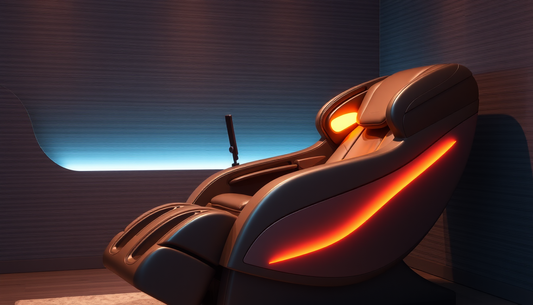
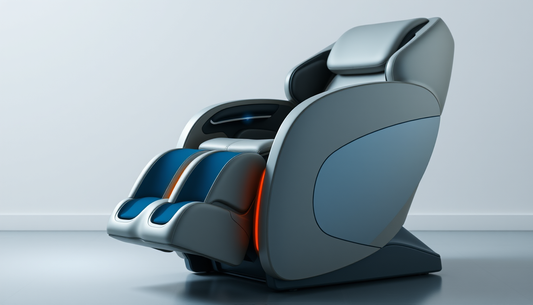
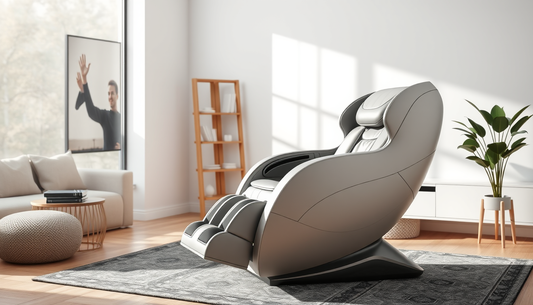
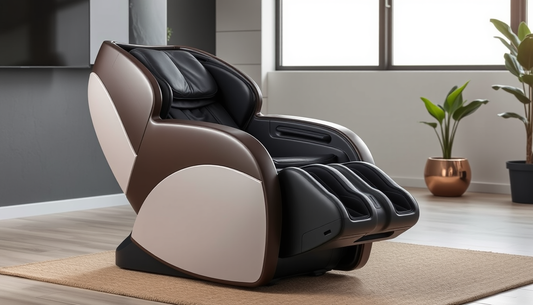
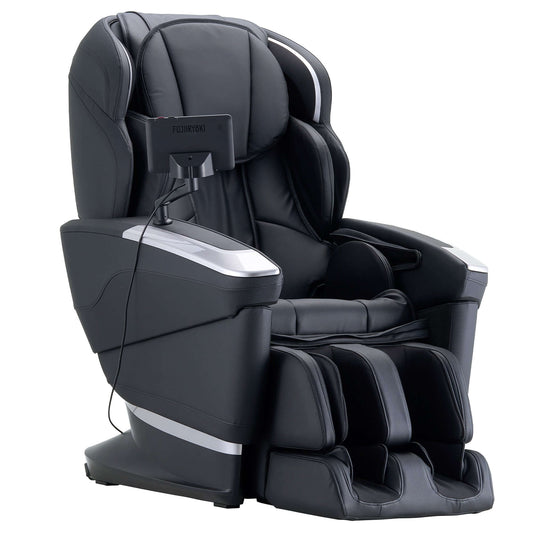
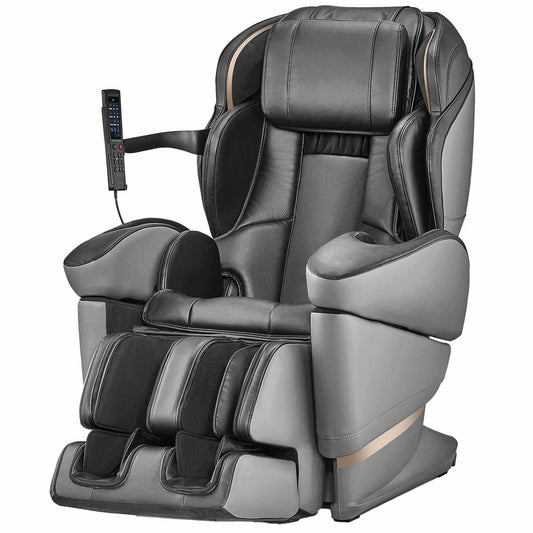
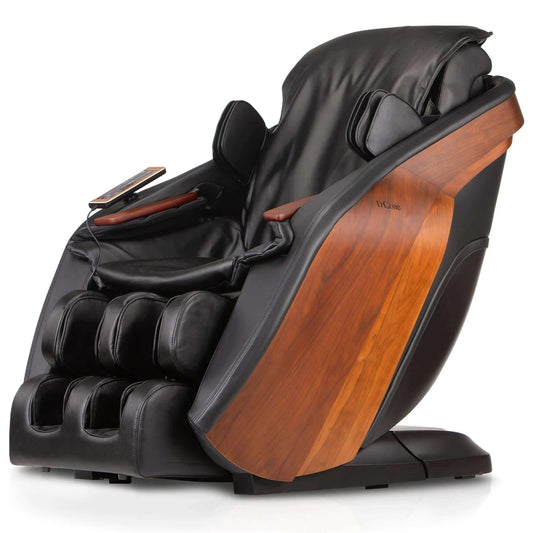
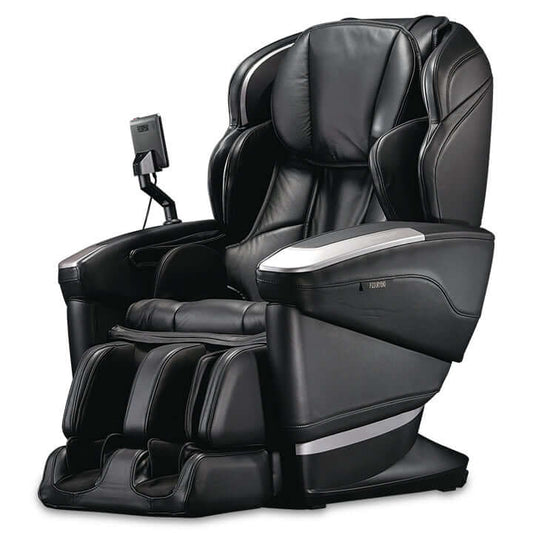
- Visuals: High-resolution hero image of a Fujiiryoki chair in neutral lighting; inset icons representing Swedish, Shiatsu and Deep‑Tissue techniques
- Speaker notes: Open with a concise value statement: why consistent, programmable therapy matters for everyday users and clinical settings.
- Timing: 45–60 seconds
Slide 2 — Brand & Technology Snapshot
- Key talking points: Fujiiryoki history, engineering focus, clinical partnerships and program customization options
- Technical highlights: body scanning, roller tracks, multi-zone airbags, heel cups, foot rollers and integrated heat
- Visuals: annotated diagram of chair zones (neck, shoulder, lumbar, glutes, calves, footwell)
- Speaker notes: Emphasize reliability, ergonomics and the benefit of repeatable programs compared to one-off manual sessions.
- Timing: 60–75 seconds
Slide 3 — How Chairs Simulate Human Techniques (Mechanics Explained)
- Rollers: emulate kneading, rolling and longitudinal strokes for Swedish and Deep‑Tissue effects
- Airbags: provide compression, acupressure and swelling management for limbs and torso
- Heat: increases tissue extensibility, enhances blood flow and potentiates deeper work
- Precision nodes &heel cups: reproduce Shiatsu fingertip pressure and reflexology points
- Visuals: short GIFs or sequences of rollers and airbags in action
- Speaker notes: Describe the difference between surface relaxation (Swedish) and depth-targeted therapy (Deep‑Tissue and Trigger Point) using engineering analogs.
Slide 4 — Swedish Massage Mapped to Chair Zones
Description: Swedish technique focuses on long, flowing strokes, effleurage and light kneading to improve circulation and relax superficial muscle layers.
- Targeted parts: neck, shoulders, upper and lower back, thighs and calves
- Chair features used: long L-track or S-track rollers, wave programs and mild airbag rhythms
- Primary benefits: blood flow control, stress relief, reduced stiffness and improved flexibility
- Speaker notes: Recommend Swedish-focused programs for habitual stress, morning stiffness and clients new to massage chairs.
- Visual cue: before/after subjective relaxation score chart or short user testimonial.
Slide 5 — Shiatsu: Pressure Point Therapy via Chair Nodes
Description: Shiatsu reproduces finger-like pressure along energy lines and acupoints to release tension and rebalance soft tissue.
- Targeted parts: cervical region, thoracic spine, lumbar paraspinals, feet (reflex points)
- Chair features used: focused nodes, targeted roller points, heel cups and programmed hold-and-release patterns
- Primary benefits: trigger point release, pain relief, tissue therapy and improved nervous system calm
- Speaker notes: Emphasize careful intensity adjustment for clients sensitive to deep pressure; pair with heat for improved tolerability.
- Visuals: map of common acupressure points with corresponding chair node locations.
Slide 6 — Deep‑Tissue Mapping: Reaching Deeper Muscle Layers
Description: Deep‑tissue style is simulated by slower, firmer rollers and repeated pressure paths intended to affect deeper fascia and muscle fiber.
- Targeted parts: lumbar region, scapular area, posterior thigh, calves and neck extensors
- Chair features used: concentrated roller pressure cycles, adjustable intensity, lumbar heat and repeat passes
- Primary benefits: muscle therapy, injury recovery support, chronic pain reduction and improved range of motion
- Speaker notes: Advise gradual progression into deeper settings; pair deep programs with post-session hydration and light mobility.
Slide 7 — Trigger Point & Kneading: Breaking Up Knots
Description: Trigger point algorithms mimic focused, repetitive pressure on tight nodules and adhesions; kneading recreates circular compressions to mobilize tissue.
- Targeted parts: upper trapezius, infraspinatus, gluteal trigger points, calf gastrocnemius
- Chair features used: pinpoint nodes, intermittent holds, multi-angle kneading
- Primary benefits: targeted pain relief, release of adhesions, improved muscle length and function
- Speaker notes: Provide simple self-assessment cues for clients to identify where trigger-point work may be beneficial.
Slide 8 — Acupressure & Reflexology: Hands, Feet, Heels, Ankles
Description: Acupressure sequences and reflexology mapping are recreated with heel cups, targeted foot rollers and palm pads to stimulate somatic and autonomic pathways.
- Targeted parts: soles, heels, ankles, palms and wrists
- Chair features used: multi-zone foot rollers, heel cup pressure, palm pads and air compression
- Primary benefits: peripheral circulation improvement, fatigue relief, relaxation and systemic stress reduction
- Speaker notes: Use reflexology programs for users with long standing hours, athletes and people with poor circulation in distal extremities.
Slide 9 — Whole‑Body Programs: Sequenced Therapy for Compound Benefits
Description: Integrated programs combine Swedish, Shiatsu and Deep‑Tissue styles in sequence to provide relaxation, therapeutic depth and recovery in one session.
- Program examples: Relax (Swedish-dominant), Recovery (Deep‑Tissue + heat), Align (spine-focused + decompression)
- Combined outcomes: spine alignment support, full-body tissue therapy, improved systemic blood flow and stress relief
- Speaker notes: Recommend full-body programs for general wellness, and shorter targeted programs for acute complaints or time-limited sessions.
Slide 10 — Lower Limb Focus: Ankles, Calves, Heels & Feet
- Mechanical mapping: calf airbags, foot rollers, heel cups and ankle compression sequences
- Techniques used: reflexology, acupressure, kneading and compression
- Benefits: reduced swelling, improved venous return, fatigue relief, faster post-exertion recovery, gait support
- Visuals: cross-section illustration showing improved microcirculation after a typical 15-minute foot program
- Speaker notes: Highlight evidence for compression and movement in reducing postural pooling and perceived leg fatigue.
Slide 11 — Knee, Thigh & Hip: Supporting Mobility and Recovery
- Targets: quadriceps, hamstrings, IT band vicinity and periarticular soft tissues
- Techniques: targeted kneading, gentle deep‑tissue passes, air compression to support periarticular circulation
- Benefits: improved flexibility, reduced tensile load on the knee, support for muscle balance and injury recovery complement
- Speaker notes: Clarify that chairs support soft tissue recovery; users with specific joint injuries should consult a healthcare professional before use.
Slide 12 — Hands, Wrists & Forearms: Repetitive Strain Relief
- Features: small rollers for palms, airbags compressing the wrist, forearm compression cycles
- Techniques: kneading, acupressure and targeted compression to relieve tension from repetitive tasks
- Benefits: decreased discomfort from RSI, improved microcirculation, better dexterity and reduced hand fatigue
- Speaker notes: Suggest short programs during work breaks and pairing chair use with ergonomic interventions.
Slide 13 — Neck, Shoulders & Head: Tension and Headache Management
- Targets: cervical paraspinals, upper trapezius, suboccipital area
- Techniques: gentle Swedish strokes, focused Shiatsu nodes, cervical decompression patterns and heat application
- Benefits: reduced tension headaches, improved cervical range of motion, stress relief and posture support
- Visuals: animation of neck roller engaging cervical curve and recommended intensity levels
- Speaker notes: Coach users on breathing and posture during neck sessions to optimize relaxation and safety.
Slide 14 — Back, Spine & Postural Alignment
- Mechanics: longitudinal roller tracks, spinal mapping, lumbar heat and alternating compression for decompression-like effects
- Techniques involved: a blend of Swedish for relaxation, Shiatsu for point release and Deep‑Tissue for chronic tension
- Benefits: support for spine alignment, lumbar pain relief, improved posture and functional mobility
- Speaker notes: Recommend program progression and frequency: shorter daily maintenance sessions and deeper therapy sessions 2–3x weekly for chronic complaints.
Slide 15 — Practical Guidance, Safety, Maintenance & CTA
- Safety notes: contraindications to review (recent surgeries, fractures, certain cardiovascular conditions, pregnancy unless cleared), intensity moderation and professional consultation as needed
- Maintenance tips: regular cleaning of upholstery, scheduled mechanical checks, proper usage durations and firmware updates
- Demo strategy: offer live demos focusing on neck/back/foot programs; collect before/after subjective pain and relaxation ratings
- Call to action templates: 'Book an in-store demo', 'Schedule a 15-minute test program', 'Download model comparison PDF' and 'Sign up for a guided setup and customization session'
- Speaker notes: Close with user stories, a clear next step and an invitation to try the chair using a low-commitment CTA.
Expanded Addendum — Deep Dive on Each Technique
Below are expanded, evidence-informed notes you can include as handout copy or an expanded slide deck to support claims and improve SEO relevance.
Swedish Massage — Mechanisms & Use Cases
- Primary actions: effleurage, petrissage, friction and tapotement recreated via rollers and rhythmic airbags
- Common use cases: general relaxation, pre-warm for exercise, daily recovery and sleep preparation
- How to present: compare user-reported relaxation scores and anecdotal recovery improvement metrics after 2–4 weeks of consistent use
Shiatsu — Targeted Pressure and Nervous System Effects
- Primary actions: focused pressure points, hold-and-release cycles and energetic mapping recreated by nodes and heel cups
- Common use cases: focal tension, low-to-moderate chronic pain, stress-related muscle guarding
- How to present: show mapping of chair node positions to common acupressure locations and user scenarios where Shiatsu is preferred
Deep‑Tissue & Trigger Point — Protocols for Therapeutic Depth
- Primary actions: slow, strong pressure, repeated passes and targeted trigger point holds
- Common use cases: persistent muscle knots, athletes, office workers with chronic postural tension
- How to present: outline progressive protocols (warm-up Swedish 5–7 min, targeted deep 8–10 min, cool-down Swedish 3–5 min)
Reflexology & Acupressure — Distal Stimulation for Systemic Effects
- Primary actions: stimulation of plantar, palmar and heel zones to influence systemic relaxation and autonomic balance
- Common use cases: people with heavy standing loads, circulatory complaints, or high sympathetic tone
- How to present: include foot program sequences and average session timing (10–15 minutes for meaningful peripheral response)
SEO & Content Strategy to Rank This Page
- Primary keyword phrases: Fujiiryoki massage chairs, Shiatsu massage chair, deep tissue massage chair, foot reflexology chair, neck pain massage chair
- Secondary keywords & long-tail: Fujiiryoki ankle massage program, chair therapy for spine alignment, calf compression benefits Fujiiryoki
- Heading structure: use H1 for page title (same as slide title), then H2 for each primary slide section to preserve semantic clarity
- Meta description suggestion: 'Explore how Fujiiryoki massage chairs map Swedish, Shiatsu and Deep‑Tissue techniques to specific body parts for pain relief, recovery and whole‑body benefits.' (100–160 characters)
- On-page SEO tips: include target keywords in the first 150 words, use structured data (FAQ schema and Product schema), add alt text for images with descriptive phrases (e.g., 'Fujiiryoki chair neck roller engaging cervical spine'), and internal links to model pages and clinical evidence pages.
Suggested Visual Assets & Slide Design Tips
- High-res zone images: separate shots of neck module, lumbar rollers, footwell and calf airbags
- Short demo clips: 10–20 second loop per technique displaying rollers and airbags in motion
- Diagrams: overlay body maps with technique callouts and clinical benefit bullets
- Before/after metrics: subjective pain scale, perceived stress score and circulation/swelling photographs for leg programs
- Accessibility: provide captions, transcripts for videos and alt text for every image
FAQ Section to Include Below the Presentation (Great for SEO and User Trust)
- Q: Are Fujiiryoki chairs safe for daily use? A: Generally yes for healthy adults; users with medical conditions should consult their healthcare provider.
- Q: Which program is best for neck pain? A: Start with a gentle Swedish/neck-focused program; use Shiatsu nodes for targeted release if tolerated.
- Q: Can the chair help swollen ankles and feet? A: Compression and foot rollers can improve venous return and reduce perceived swelling for many users.
- Q: How long should each session be? A: Typical sessions run 10–30 minutes; deeper programs may be used 2–3 times per week while maintenance sessions can be daily.
Schema & Technical SEO Recommendations
- Product schema: include model name, brand (Fujiiryoki), dimensions, features and price if applicable
- FAQ schema: mark up the FAQ section to appear as rich results and drive click-throughs
- HowTo schema: for setup and maintenance instructions to increase visibility in rich snippets
- Page speed: optimize media (compressed images, trimmed demo videos), lazy-load assets and serve via CDN
Content Distribution & Backlink Opportunities
- Guest posts on wellness, rehab and ergonomic blogs discussing chair benefits for specific body parts
- Partnerships with physiotherapy clinics for case studies or testimonial content
- Influencer demo videos focusing on neck/back/feet recovery and the science behind the techniques
Conversion & Demo Playbook
- Demo structure: 2-minute intro, 10-minute targeted program (choose neck+back or feet+calves), 3-minute feedback and CTA
- Measurement: quick pre/demo pain/stress score and post-demo score to show immediate perceived benefit
- Follow-up: email with recommended program for the user and a limited-time discount or trial offer
Closing Summary & Next Steps
This expanded 15-slide presentation frames Fujiiryoki massage chairs as engineered systems that translate Swedish, Shiatsu and Deep‑Tissue techniques into repeatable, programmable therapy across targeted body parts. Use the slide templates, speaker notes and visuals above to create a compelling deck for retail sales, clinical education or consumer marketing. Optimize the web page that hosts the presentation using the SEO guidance provided — thoughtfully chosen keywords, structured data and rich media — to help the content rank and convert.
Optional Resources & References
- Model comparison checklist for Fujiiryoki line: adjustable track length, footwell complexity, airbag density, heat zones
- Suggested downloads: program cheat sheet, 15-slide PDF version, customer testimonial packet
- Clinic partnership template: co-branded demo day invitation and liability checklist