
Fujiiryoki Massage Chairs Unpacked: A Presentation-Style Guide to Targeted Techniques for Head-to-Toe Wellness
Welcome to a comprehensive, presentation-style guide that unpacks Fujiiryoki massage chairs and translates their advanced technology into practical, head-to-toe wellness. This guide uses a slide-like format to help you understand how massage techniques map to your daily life, long-term health goals, and a smarter approach to choosing presets and customizing sessions. Whether you are recovering from workouts, managing daily stress, or aiming to improve posture and mobility, the Fujiiryoki platform offers a path to steady, measurable gains.
Overview: Fujiiryoki Massage Chairs for Head to Toe Wellness
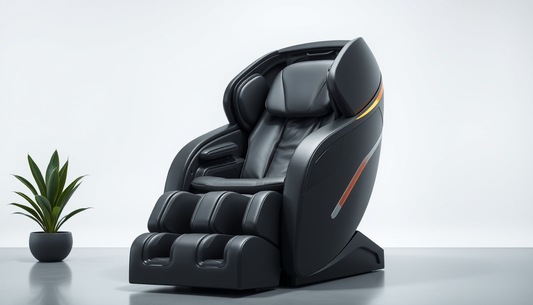
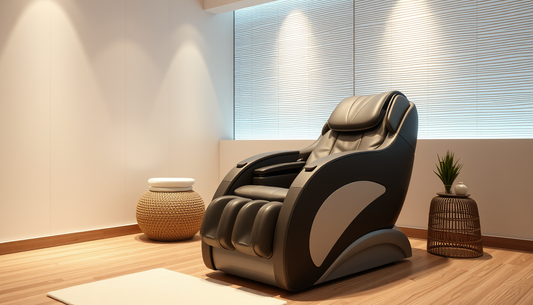
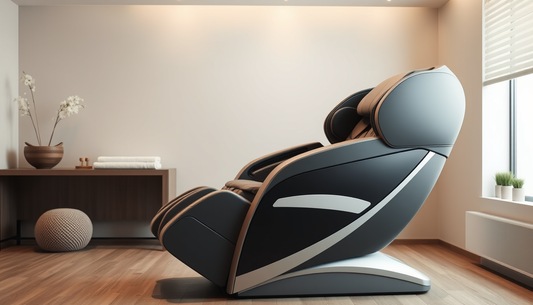
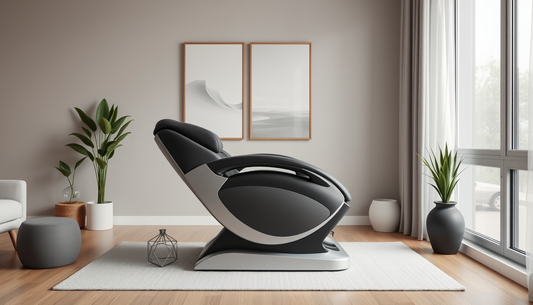
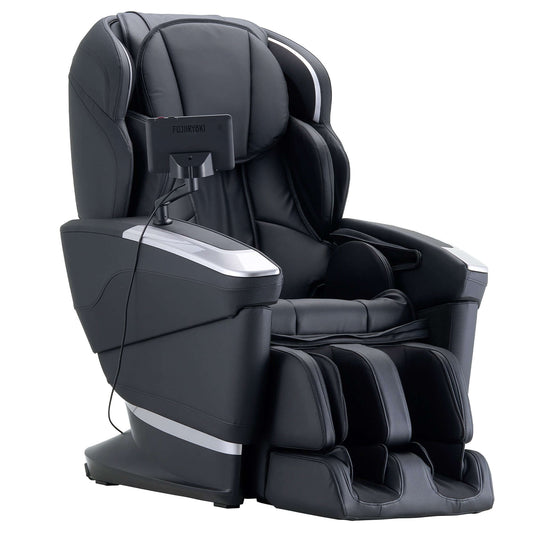
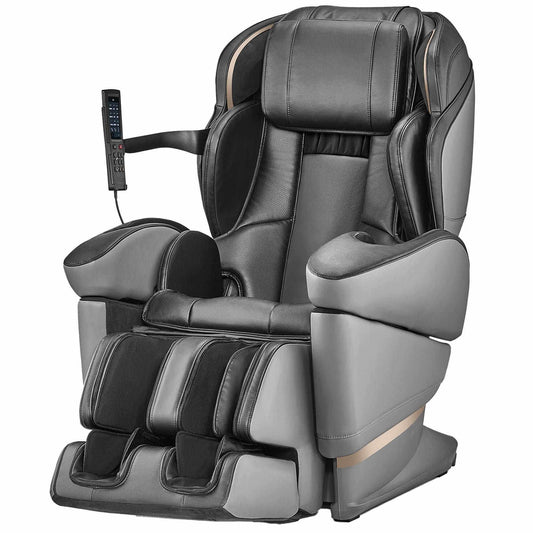
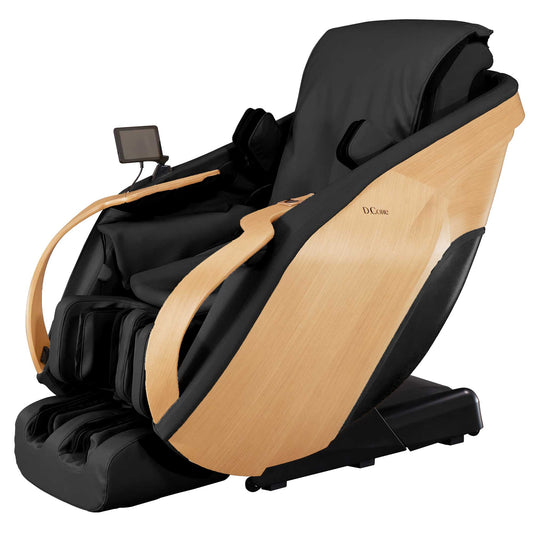
Fujiiryoki massage chairs are known for extensive coverage, precise kneading, and adaptive programs that tailor massage to your body. In this section we outline what makes these chairs effective for head-to-toe wellness and how to read their features like a clinician would read a chart. Expect integrated elements such as a full-body massage path, intelligent body scanning, adjustable intensity, heat therapy options, and seating dynamics that simulate therapeutic positions.
Key attributes to look for include multipoint massage heads, airbag systems for limbs, rollers that travel along the spine, heat zones for back and legs, zero gravity positioning, and memory presets that store your preferred combinations. The goal is a seamless experience that reduces fatigue, supports recovery, and promotes sustained flexibility and balance.
Massage Techniques and How They Apply to the Body
Fujiiryoki chairs typically employ seven core techniques that can be deployed across multiple body regions. Each technique has distinct benefits and is suitable for different goals, whether you want relaxation, deeper tissue work, or targeted relief for specific pain points. Here is a deeper look at how these techniques translate into practical sessions.
- Swedish Massage A gentle to moderate full-body technique designed to improve circulation, reduce tension, and promote relaxation. Ideal for warm-up sessions, daily stress relief, and promoting a calm mind while easing superficial muscle soreness.
- Deep Tissue Massage Focused pressure that penetrates deeper layers of muscle and connective tissue. Best for chronic stiffness, post-workout recovery, and areas where you feel persistent knots or tightness.
- Trigger Point Massage Targets localized knots to release referred pain and restore normal muscle function. Use when you notice sharp, radiating discomfort or tight bands that persist after activity.
- Acupressure Applies precise pressure to energy points along meridians to balance flow and reduce stagnation. Treats tension patterns that contribute to headaches, neck stiffness, and muscular fatigue throughout the torso and limbs.
- Shiatsu Massage Utilizes finger and palm pressure to simulate manual shiatsu techniques. Helpful for restoring alignment, relieving neck and shoulder stiffness, and encouraging vital energy flow along the spine.
- Reflexology Focuses on mapped zones in the feet and hands to influence overall wellness. Particularly effective for reducing systemic fatigue, improving circulation to distal tissues, and promoting a sense of renewal after long days spent on your feet or with hands engaged in repetitive tasks.
- Kneading Rhythmic compression to loosen muscle fibers and stimulate blood flow. A versatile approach that pairs well with other techniques to heighten mobility and prevent post-exercise soreness.
Targeted Techniques by Body Part
Mapping techniques to specific body regions helps you choose presets that align with daily needs and long-term goals. The following guide suggests practical pairings you can apply when you program sessions or select an auto mode.
- Ankle: Swedish Massage, Kneading, Reflexology, Acupressure
- Back: Deep Tissue Massage, Swedish Massage, Trigger Point Massage, Shiatsu
- Calf: Kneading, Deep Tissue Massage, Reflexology
- Feet: Reflexology, Acupressure, Swedish Massage
- Hands: Swedish Massage, Kneading, Trigger Point Massage
- Head: Shiatsu Massage, Acupressure, Swedish Massage
- Heel: Reflexology, Acupressure
- Knee: Deep Tissue Massage, Trigger Point Massage
- Legs: Swedish Massage, Deep Tissue Massage, Kneading
- Neck: Shiatsu Massage, Acupressure, Swedish Massage
- Shoulder: Shiatsu Massage, Deep Tissue Massage, Trigger Point Massage
- Thigh: Deep Tissue Massage, Kneading
- Whole Body: All Techniques Combined in a Full Body Session
- Wrist: Reflexology, Acupressure
Benefits of Targeted Techniques
Each technique and its body part focus contribute to broader health advantages. Regular use of Fujiiryoki massage chairs offers a spectrum of benefits that can transform daily comfort and long-term wellness:
- Blood Flow Control: Enhanced circulation promotes nutrient delivery and faster recovery after activity or aging-related stiffness.
- Fatigue Relief: Reduces post-exertion tiredness and restores energy for the next day’s activities.
- Flexibility Improvement: Gentle to moderate mobilization supports range of motion and prevents stiffness from sedentary routines.
- Injury Recovery: Supports tissue repair and rehabilitation through controlled, progressive loading and relaxation.
- Muscle Therapy: Releases tension, reduces soreness, and builds resilience in overworked muscle groups.
- Pain Relief: Targeted work on knots and tense regions can lessen chronic discomfort and improve function.
- Spine Alignment: Session patterns that emphasize posture-friendly pathways can reduce strain along the back and neck.
- Stress Relief: Lower cortisol levels and a calmer nervous system through mindful, rhythmic massage.
- Tissue Therapy: Promotes cellular health and tissue pliability, aiding long-term softness and recovery.
Maximizing Results with Fujiiryoki
To get the most from your Fujiiryoki chair, follow a few practical guidelines that help translate a chair session into measurable wellbeing gains:
- Begin with a gentle preset to prime your muscles and joints before deeper work.
- Gradually increase intensity as you warm up, listening to body signals and avoiding sudden spikes in pressure.
- Experiment with session length, balancing between shorter daily refreshes and longer weekly resets.
- Combine massage with mindful breathing, hydration, and light stretching to extend benefits beyond the chair.
- Use heat therapy strategically to support muscle pliability and soften fascia before deeper work.
- Incorporate posture-aware practice outside the chair, like ergonomic setup and regular mobility breaks, to sustain gains.
Real-World Use Scenarios and Routines
Tailoring sessions to your lifestyle can turn the Fujiiryoki experience into a reliable wellness habit. Here are practical templates to consider:
- Post-Workout Recovery: 20-30 minutes using Deep Tissue and Kneading with heat, focusing on the legs and back, followed by gentle stretching.
- Workday Reset: 10-15 minutes of Swedish Massage with light pressure on neck, shoulders, and lower back to release tension between meetings.
- Stress Management: 25 minutes that combine Shiatsu and Acupressure on the neck, head, and shoulders, paired with slow, diaphragmatic breathing.
- Morning Mobility: 15-20 minutes targeting the spine and hips with light to moderate Deep Tissue and Kneading to improve circulation and flexibility.
- Evening Relaxation: A full-body session of Swedish Massage and Reflexology, ending with a few minutes of quiet breathing for mental clarity and restful sleep.
Maintenance and Longevity of Your Fujiiryoki Chair
Proper care helps preserve performance, hygiene, and the longevity of your chair investment. Consider these maintenance practices:
- Wipe down the chair’s surfaces with a soft, damp cloth and mild, non-abrasive cleaner. Avoid harsh chemicals that could degrade leather or synthetic skins.
- Vacuum or wipe out dust from air passages and leg compartments to maintain airbag and roller efficiency.
- Inspect cushions and covers for wear, and rotate or adjust as needed to distribute wear evenly.
- Keep the user manual handy for calibration tips, preset updates, and safety reminders. Follow any model-specific guidance for service intervals.
- Schedule periodic professional checkups if available from the manufacturer or an authorized service partner, especially for electrical components and moving parts.
Choosing the Right Fujiiryoki Model for You
With multiple models in the lineup, choosing the right chair depends on your body type, space, and wellness goals. Consider these factors when comparing options:
- Coverage and Zones: Look for models with full-body coverage, including feet, calves, back, neck, shoulders, arms, and hands.
- Massage Mechanisms: The combination of rollers, airbags, and kneading nodes determines the depth and reach of the massage.
- Personalization: Body scanning, massage path customization, and memory presets help you save preferred routines.
- Comfort and Fit: Dimensions, seat depth, leg rest length, and recline range matter for long sessions and accessibility.
- Heath Features: Heat zones, air ionization options, and zero gravity seating can amplify relaxation and circulation benefits.
- Maintenance and Warranty: Review warranty coverage, service options, and recommended maintenance intervals.
Safety and Wellness Considerations
While Fujiiryoki chairs are designed for broad consumer use, safety and mindful wellness practices remain essential. Consider these guidelines:
- Consult a healthcare professional before using massage chairs if you have a recent injury, recent surgery, or a medical condition such as blood clots, herniated discs, or severe osteoporosis.
- Avoid sessions during acute pain episodes without professional advice, and stop immediately if you experience dizziness, numbness, or unusual discomfort.
- Use lower intensity and shorter durations when beginning, especially if you are new to massage therapy or have sensitive areas.
- Pregnant individuals should seek medical guidance before using deep tissue or equilibrium-changing modes, and may prefer gentler settings.
- Keep the chair clean and dry to protect electronic components and sensors from moisture and debris.
Frequently Asked Questions
- Can I use a Fujiiryoki chair every day? Yes, many users incorporate daily or near-daily sessions as part of a wellness routine, adjusting duration and intensity to comfort levels.
- Which techniques are best for neck and shoulder tension? Shiatsu, Deep Tissue, and Trigger Point combined with light Swedish Massage are commonly effective for upper body relief.
- How do I know which preset to start with? Begin with a gentle Swedish preset focusing on areas of chronic tension, then progressively incorporate deeper techniques as your comfort allows.
- Is heat therapy safe for everyone? Heat is generally beneficial for muscle pliability but should be avoided if you have sensory impairment, skin conditions, or certain medical concerns. Use heat as advised by the manual and your clinician.
- What maintenance is required? Regular cleaning, panel inspection, and periodic professional checks per manufacturer recommendations help maintain performance and safety.
Putting It All Together: A 4-Week Wellness Plan
To turn this knowledge into a sustainable routine, follow a simple four-week plan that progressively builds comfort, mobility, and resilience:
- Week 1: Focus on comfort and consistency. Use light Swedish massages for 15-20 minutes, 4 days a week, targeting the back, shoulders, and legs.
- Week 2: Introduce targeted work. Add Deep Tissue or Kneading sessions for 20-25 minutes on alternate days, focusing on problem areas like the lower back and calves.
- Week 3: Expand coverage. Combine Trigger Point and Reflexology in 20-30 minute sessions, with heat on cooler days for enhanced tissue pliability.
- Week 4: Solidify a routine. Create a balanced mix of Swedish, Shiatsu, and Acupressure with a longer 30-40 minute full-body session twice a week, maintaining integrity of posture and breathing.
Conclusion
Fujiiryoki massage chair technology offers a robust, presentation-style approach to head-to-toe wellness. By understanding the core techniques, how they map to each body region, and how to assemble personalized routines, you can design sessions that align with your unique needs and support ongoing well-being. With patience, consistency, and mindful practice, the chair becomes not just a device, but a partner in daily health, recovery, and long-term vitality.
Tags: