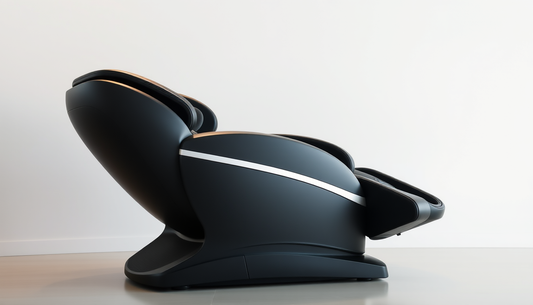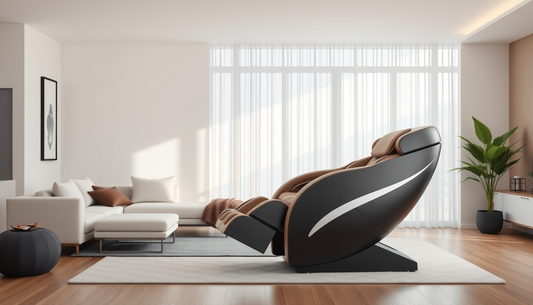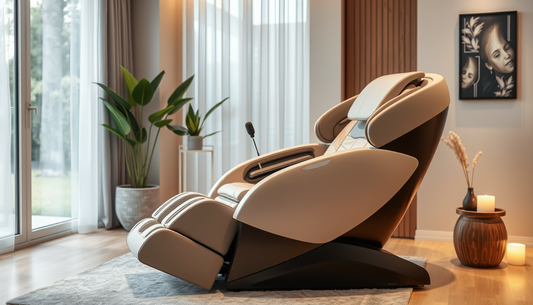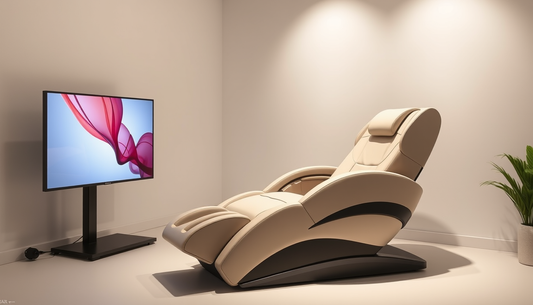
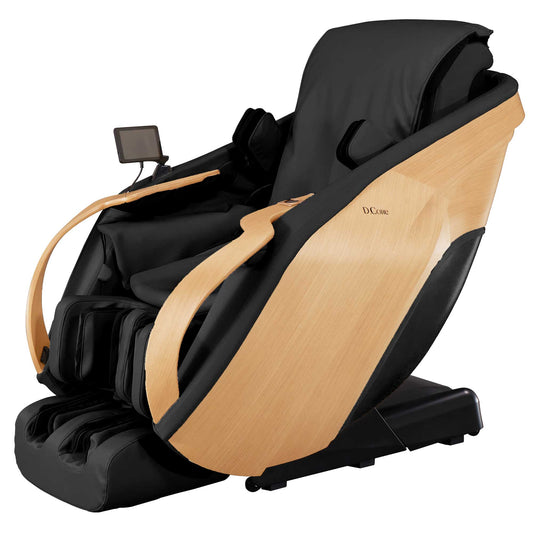
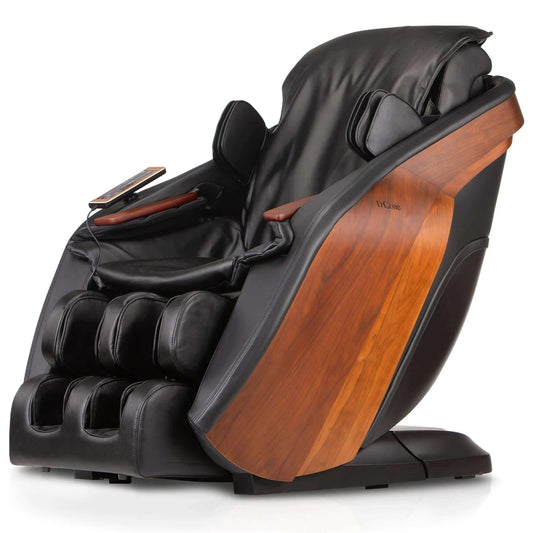
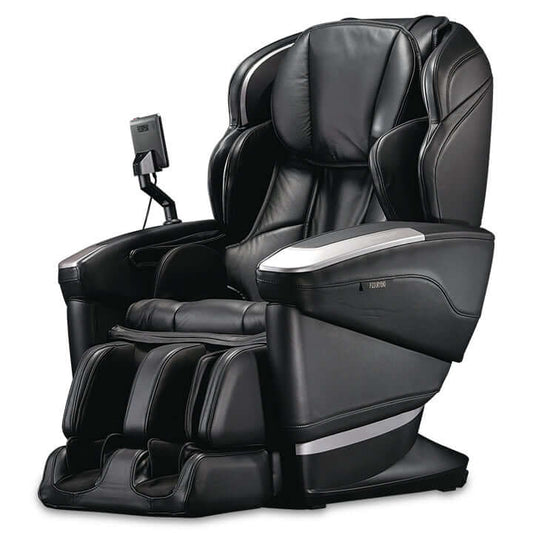

Fujiiryoki Ghế Massage: Hướng dẫn trực quan về các kỹ thuật nhắm mục tiêu và lợi ích từng bộ phận cơ thể (từ mắt cá chân đến cổ tay) để chăm sóc sức khỏe toàn thân
Tổng quan về Fujiiryoki Ghế Massage Chăm Sóc Sức Khỏe Toàn Thân
Chào mừng bạn đến với hướng dẫn trực quan toàn diện, ánh xạ các kỹ thuật massage có mục tiêu từ mắt cá chân đến cổ tay để giữ gìn sức khỏe toàn thân. Fujiiryoki Ghế massage được thiết kế để cung cấp liệu pháp tùy chỉnh, theo từng vùng cụ thể, phù hợp với cơ chế sinh học tự nhiên của cơ thể. Hướng dẫn này giải thích cách hoạt động của từng kỹ thuật xoa bóp trên các bộ phận chính của cơ thể, tại sao một số trình tự nhất định lại có lợi và cách bạn có thể kết hợp các chương trình để hỗ trợ hiệu suất hàng ngày, phục hồi và khả năng vận động lâu dài.
Bộ gì Fujiiryoki Dành cho sức khỏe toàn thân
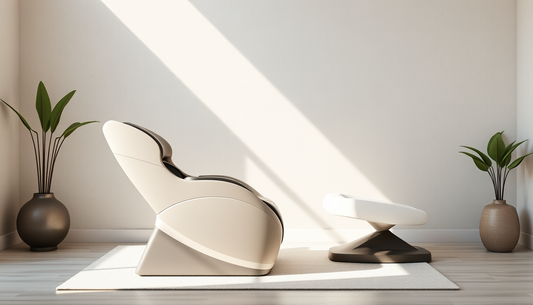
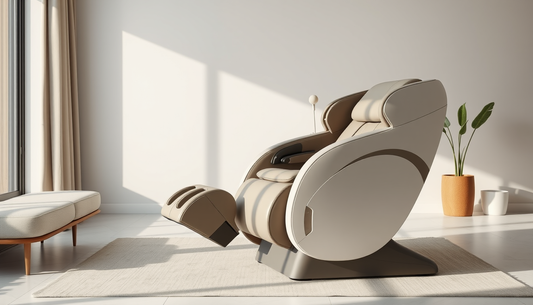
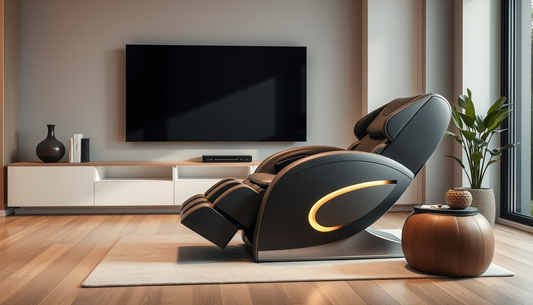
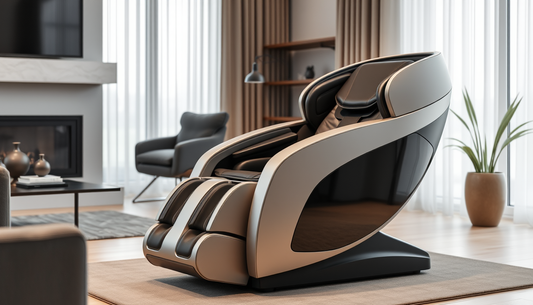
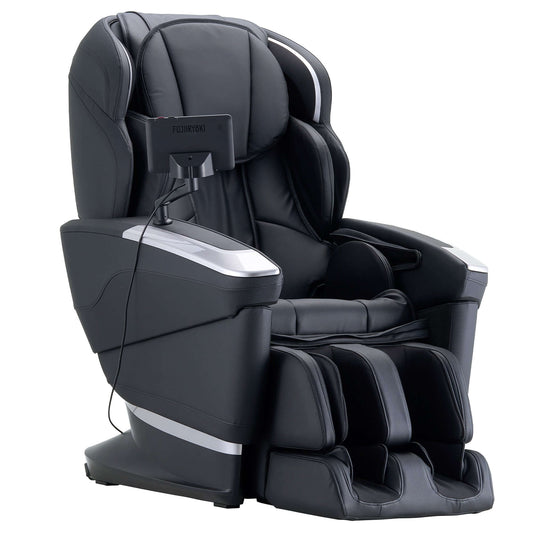
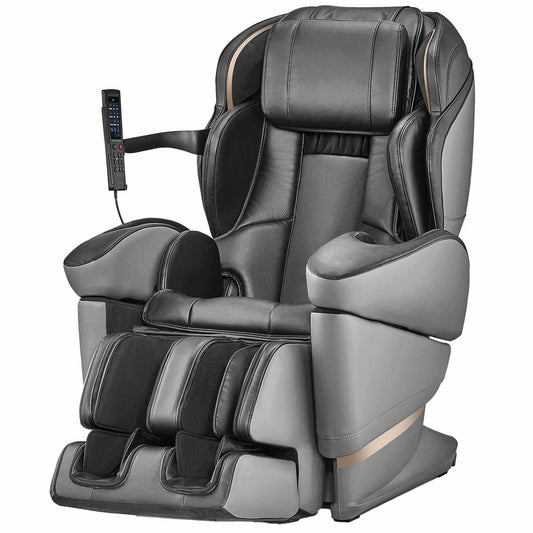
Fujiiryoki ghế kết hợp robot tiên tiến với thiết kế trị liệu lấy con người làm trung tâm. Các điểm khác biệt chính bao gồm các con lăn dành riêng cho từng vùng, các chương trình thích ứng điều chỉnh theo hình dạng và tư thế cơ thể của bạn cũng như các điều khiển trực quan cho phép bạn điều chỉnh các phiên tập. Kết quả là nhắm mục tiêu chính xác vào cơ, khớp và mô mềm, cùng với sự thư giãn và giảm căng thẳng, góp phần mang lại giấc ngủ ngon hơn và khả năng phục hồi hàng ngày.
Các điểm mạnh khác bao gồm hoạt động nhỏ gọn, yên tĩnh; cơ chế bền bỉ đã được thử nghiệm về tuổi thọ; và các tính năng hỗ trợ thông minh như cảm biến tư thế, quy trình lập trình và bảo trì dễ dàng. Cùng với nhau, những yếu tố này giúp bạn xây dựng một thói quen nhất quán nhằm hỗ trợ lưu lượng máu, khả năng vận động và sức khỏe tổng thể.
Kỹ thuật xoa bóp được sử dụng bởi Fujiiryoki Ghế
Xuyên suốt các chương trình của họ, Fujiiryoki ghế triển khai một loạt các kỹ thuật mát-xa được thiết kế để mô phỏng cảm giác trị liệu đồng thời tận dụng độ chính xác của robot. Các kỹ thuật dưới đây thường được áp dụng trong nhiều loại ghế và có thể áp dụng trên nhiều bộ phận cơ thể.
- Massage Thụy Điển - áp lực nhẹ đến trung bình thúc đẩy tuần hoàn, giảm căng thẳng bề mặt và thư giãn.
- Massage mô sâu - nhắm mục tiêu áp lực sâu hơn để giải quyết các vấn đề về cân cơ, các nút thắt cơ và tình trạng cứng khớp kéo dài.
- Massage điểm kích hoạt - tập trung nén vào các điểm dễ bị kích thích để giảm đau và bảo vệ cơ.
- Bấm huyệt - áp lực có chủ ý dọc theo các điểm kinh tuyến quen thuộc để cải thiện dòng năng lượng và sự thoải mái.
- Massage Shiatsu - nhào và ấn giống như ngón tay để cân bằng, giải phóng và phục hồi khả năng vận động của mô.
- Bấm huyệt - kích thích có mục tiêu các vùng phản xạ (đặc biệt là bàn chân) để tác động đến sự thư giãn và chức năng toàn thân.
- Nhào - một thao tác linh hoạt, nhịp nhàng giúp nâng và làm mềm các mô cơ để giải phóng triệt để.
Trong thực tế, các nhà trị liệu và kỹ sư thiết kế các trình tự kết hợp các kỹ thuật này để giải quyết cả sức căng bề mặt lẫn nhu cầu cấu trúc sâu sắc. Kết quả là một trải nghiệm toàn diện có thể nhẹ nhàng để duy trì hàng ngày hoặc mạnh mẽ hơn để phục hồi sau tập luyện.
Các bộ phận và lợi ích cơ thể được nhắm mục tiêu: Bản đồ theo từng khu vực
Phần này liên kết từng bộ phận cơ thể với các kỹ thuật hiệu quả nhất và những lợi ích mà bạn có thể mong đợi. Sử dụng thông tin này làm tài liệu tham khảo nhanh khi chọn cài đặt trước hoặc tùy chỉnh thói quen của riêng bạn.
mắt cá chân
Vùng mắt cá chân được hưởng lợi từ sự kết hợp của nhiều phương pháp nhằm cải thiện khả năng vận động và tuần hoàn, giải quyết tính linh hoạt của lòng bàn chân và chức năng khớp mắt cá chân. Fujiiryoki Ghế kết hợp hoạt động của Thụy Điển và Mô sâu với Điểm kích hoạt và Bấm huyệt để hỗ trợ vận động linh hoạt và giảm sưng tấy.
- Kỹ thuật: Massage Thụy Điển, Massage mô sâu, Massage điểm kích hoạt, Bấm huyệt
- Lợi ích: Kiểm soát lưu lượng máu, Giảm mệt mỏi, Cải thiện tính linh hoạt, Phục hồi chấn thương, Trị liệu cơ bắp, Giảm đau
Lời khuyên thiết thực: kết hợp các bài tập tập trung vào mắt cá chân với bài tập nhẹ nhàng cho bắp chân để có được một động tác hạ chân hoàn chỉnh. Nếu bạn ngồi trong thời gian dài, một bài tập ngắn về mắt cá chân hàng ngày có thể làm giảm độ cứng và cải thiện cơ chế dáng đi.
Quay lại
Phần lưng là trọng tâm chính cho tư thế và sự thoải mái cho cột sống. Nhào nặn và áp lực có mục tiêu dọc theo vùng ngực và thắt lưng có thể giải phóng chất kết dính, giảm bớt khả năng bảo vệ cơ và khôi phục phạm vi chuyển động.
- Kỹ thuật: Massage Thụy Điển, Massage mô sâu, Nhào, Massage Shiatsu, Bấm huyệt
- Lợi ích: Kiểm soát lưu lượng máu, Căn chỉnh cột sống, Giảm mệt mỏi, Giảm đau, Giảm căng thẳng, Trị liệu mô
Mẹo chuyên nghiệp: tạo thói quen tập trung vào lưng xen kẽ giữa tiếng Thụy Điển nhẹ hơn để thư giãn và nhào sâu hơn để tạo độ cứng. Sử dụng buổi tập dài hơn vào cuối tuần để hỗ trợ sức khỏe tư thế và phục hồi sau khi tập luyện.
bê
Cơ bắp chân luôn căng thẳng hàng ngày; sự kết hợp giữa Mô sâu và Nhào với bấm huyệt nhẹ có thể làm giảm căng thẳng, giảm đau nhức và tăng cường lưu thông đến khu phức hợp cẳng chân và mắt cá chân.
- Kỹ thuật: Massage mô sâu, Nhào, Bấm huyệt
- Lợi ích: Kiểm soát lưu lượng máu, Giảm mệt mỏi, Cải thiện tính linh hoạt, Phục hồi chấn thương, Trị liệu cơ bắp
Mẹo: bắp chân phản ứng tốt với áp lực vừa phải bằng cách nhào đều và nhịp nhàng. Bao gồm thư giãn mắt cá chân sau đó để duy trì sự hồi phục của mạch máu và giảm nguy cơ nẹp ống chân trong chu kỳ tập luyện.
bàn chân
Bàn chân nhận được sự chăm sóc tập trung thông qua Bấm huyệt và các bài tập nhẹ nhàng của Thụy Điển, tăng cường sức khỏe vi tuần hoàn và cân gan chân đồng thời thúc đẩy sức sống tổng thể.
- Kỹ thuật: Bấm huyệt, Massage Thụy Điển, Nhào
- Lợi ích: Kiểm soát lưu lượng máu, Giảm mệt mỏi, Giảm đau, Trị liệu mô
Quan sát: tình trạng mỏi bàn chân mãn tính do đứng hoặc chạy thường được cải thiện sau các buổi tập chân 10–15 phút hàng ngày kết hợp với các động tác giãn cơ hỗ trợ vòm sau các buổi tập.
bàn tay
Bàn tay được hưởng lợi từ công việc lưu thông nhẹ nhàng và giải phóng căng thẳng, điều này đặc biệt có giá trị đối với những người làm việc bàn giấy và vận động viên thường bị căng cổ tay và ngón tay.
- Kỹ thuật: Nhào, Bấm huyệt
- Lợi ích: Kiểm soát lưu lượng máu, Giảm mệt mỏi, Giảm căng thẳng, Trị liệu mô
Mẹo: trình tự tập trung nhanh vào tay có thể bổ sung cho thời gian nghỉ làm việc tiện lợi, giúp mang lại sự thoải mái cho ống cổ tay và độ bền khi cầm nắm.
cái đầu
Áp lực nhẹ nhàng quanh da đầu và thái dương có thể làm giảm chứng đau đầu do căng thẳng và thúc đẩy sự thư giãn, được hỗ trợ bởi phương pháp bấm huyệt và bấm huyệt.
- Kỹ thuật: Massage Shiatsu, Bấm huyệt
- Lợi ích: Giảm căng thẳng, Giảm mệt mỏi, Giảm đau
Thông tin chi tiết: kết hợp massage đầu nhẹ với thói quen thở chậm có thể giúp tăng cường sự thư giãn và tinh thần minh mẫn sau những buổi làm việc dài trước màn hình.
gót chân
Các buổi tập tập trung vào gót chân làm giảm sự khó chịu và cứng khớp bằng cách nhắm vào các vùng phản xạ và độ căng của mô để cải thiện cơ học tổng thể của bàn chân.
- Kỹ thuật: Massage mô sâu, Massage điểm kích hoạt, bấm huyệt
- Lợi ích: Kiểm soát lưu lượng máu, phục hồi chấn thương, giảm đau, trị liệu mô
Lưu ý: sức khỏe gót chân thường được cải thiện nhờ một lượng nhỏ chất bôi trơn và phần trên của bàn chân hoạt động để tránh bị bó quá chặt gần vùng Achilles trong các buổi tập.
Đầu gối
Hỗ trợ cho vùng đầu gối đến từ việc nhào, tác động sâu vào mô và kích thích điểm kích hoạt để giảm bớt độ căng và hỗ trợ sự ổn định của khớp.
- Kỹ thuật: Nhào, Massage mô sâu, Massage điểm kích hoạt
- Lợi ích: Giảm đau, Cải thiện tính linh hoạt, Phục hồi chấn thương, Giảm căng thẳng
Khuyến nghị: hạn chế cường độ xung quanh xương bánh chè nếu bạn mới bị chấn thương; dần dần tiến bộ từ công việc nhẹ hơn đến công việc sâu hơn nếu có thể chịu đựng được.
chân
Bài tập chân toàn diện kết hợp liệu pháp Thụy Điển, nhào lộn và điểm kích hoạt để cải thiện tuần hoàn và giải phóng căng cơ từ hông đến mắt cá chân.
- Kỹ thuật: Massage Thụy Điển, Nhào, Massage điểm kích hoạt
- Lợi ích: Kiểm soát lưu lượng máu, Giảm mệt mỏi, Cải thiện tính linh hoạt, Trị liệu mô
Chiến lược: sử dụng các chương trình tập trung vào chân sau khi tập luyện để thải các chất chuyển hóa, hỗ trợ phục hồi và thúc đẩy cải thiện phạm vi chuyển động.
cổ
Giảm đau cổ tập trung vào việc giải phóng mô mềm và điều chỉnh tư thế, sử dụng kết hợp các liệu pháp Shiatsu, Bấm huyệt và xoa bóp kiểu Thụy Điển để giảm cứng khớp.
- Kỹ thuật: Massage Shiatsu, Bấm huyệt, Massage Thụy Điển
- Lợi ích: Chỉnh cột sống, Giảm căng thẳng, Giảm đau, Giảm mệt mỏi
Lưu ý: nếu bạn bị thoái hóa đốt sống cổ hoặc chấn thương cấp tính, hãy bắt đầu với chế độ nhẹ nhàng hơn và tham khảo ý kiến bác sĩ lâm sàng để được hướng dẫn riêng.
Vai
Vai chịu nhiều áp lực hàng ngày và việc nhào nặn có chủ đích với hoạt động của mô sâu hơn giúp mở khóa phạm vi chuyển động và giảm các nút thắt ở vùng hình thang và vòng bít xoay.
- Kỹ thuật: Massage Thụy Điển, Massage mô sâu, Massage điểm kích hoạt
- Lợi ích: Giảm đau, Cải thiện tính linh hoạt, Giảm căng thẳng, Trị liệu mô
Cách thực hành tốt nhất: luân phiên giữa các buổi tập kiểu Thụy Điển nhẹ nhàng và các buổi tập tập trung vào mô sâu để ngăn chặn các điểm kích hoạt mới hình thành và duy trì sức khỏe của cơ vai.
Đùi
Đùi được hưởng lợi từ các chuỗi mô sâu và nhào mạnh mẽ để giảm bớt căng cơ gân kheo và cơ tứ đầu đồng thời hỗ trợ tuần hoàn và dẫn lưu bạch huyết.
- Kỹ thuật: Massage mô sâu, Nhào, Massage điểm kích hoạt
- Lợi ích: Kiểm soát lưu lượng máu, Phục hồi chấn thương, Trị liệu cơ bắp, Giảm mệt mỏi
Mẹo sử dụng: kết hợp các động tác giãn hông nhẹ nhàng sau khi tập đùi để tối ưu hóa độ linh hoạt tổng thể của chân và khả năng vận động của hông.
Toàn thân
Để có được sức khỏe toàn thân, toàn bộ các buổi học sẽ đồng bộ hóa tất cả các vùng chính để đưa ra một kế hoạch trị liệu mạch lạc nhằm cải thiện tư thế, tuần hoàn, thư giãn và khả năng phục hồi sau căng thẳng.
- Kỹ thuật: Massage Thụy Điển, Massage mô sâu, Nhào, Shiatsu, Bấm huyệt, Bấm huyệt
- Lợi ích: Kiểm soát lưu lượng máu, Giảm mệt mỏi, Cải thiện tính linh hoạt, Phục hồi chấn thương, Trị liệu cơ bắp, Giảm đau, Căn chỉnh cột sống, Giảm căng thẳng, Trị liệu mô
Hướng dẫn: phương pháp tiếp cận toàn cơ thể hoạt động tốt nhất khi bạn xây dựng thói quen xen kẽ các buổi bảo trì nhẹ hơn với những ngày tập luyện thường xuyên hơn để tránh tình trạng trì trệ và duy trì phạm vi chuyển động giữa các khớp.
cổ tay
Công việc tập trung vào cổ tay giúp giảm căng thẳng khi hoạt động quá mức và các triệu chứng ống cổ tay bằng cách áp dụng các phương pháp bấm huyệt và nhào nặn chính xác với lưu lượng máu hỗ trợ.
- Kỹ thuật: Bấm huyệt, Nhào, Bấm huyệt
- Lợi ích: Kiểm soát lưu lượng máu, Giảm mệt mỏi, Giảm đau, Trị liệu mô
Mẹo thực tế: kết hợp các buổi tập cổ tay với những khoảng nghỉ ngắn trong khi làm việc với máy tính và bao gồm cả động tác duỗi tay nhẹ nhàng để tăng cường sự thoải mái lâu dài.
Cách đọc và sử dụng biểu đồ các bộ phận cơ thể được nhắm mục tiêu
Biểu đồ trên là tài liệu tham khảo thiết thực cho việc chọn cài đặt trước và tùy chỉnh trình tự. Dưới đây là những hướng dẫn nhanh để tối đa hóa kết quả:
- Bắt đầu với cài đặt nhẹ hơn trong các buổi tập mới, sau đó tăng dần cường độ khi sự thoải mái cho phép.
- Luân phiên giữa các giai đoạn “làm việc” (mô sâu hơn, được nhắm mục tiêu) và các giai đoạn “giải phóng” (cú vuốt nhẹ nhàng, êm dịu hơn) để tối ưu hóa quá trình phục hồi.
- Ghép nối các bộ phận cơ thể liền kề trong một buổi duy nhất (ví dụ: mắt cá chân và bắp chân) để cải thiện khả năng hồi lưu tĩnh mạch và sức mạnh tổng hợp của cơ.
- Hydrat hóa trước và sau buổi tập để hỗ trợ loại bỏ chất chuyển hóa và phục hồi mô.
- Luôn tuân thủ sự an toàn: tránh các buổi tập tích cực đối với các chấn thương hoặc tình trạng viêm nhiễm gần đây trừ khi được bác sĩ lâm sàng cho phép.
Hướng dẫn thực hành khi sử dụng Fujiiryoki Ghế
Cho dù bạn là người dùng thông thường hay vận động viên, những cách thực hành tốt nhất này sẽ giúp bạn tận dụng tối đa chiếc ghế của mình:
- Thời lượng phiên: để bảo trì, thông thường là 15–25 phút; để phục hồi hoặc trước/sau tập luyện, 30–45 phút có thể có lợi tùy thuộc vào sự thoải mái.
- Tần suất: nhắm tới 3–5 buổi mỗi tuần, với các buổi dài hơn cách nhau 7–14 ngày để làm việc sâu hơn.
- Cường độ: bắt đầu ở mức thấp, đặc biệt đối với người dùng lần đầu; dần dần kết hợp các kỹ thuật mô sâu hơn khi tăng khả năng chịu đựng.
- Hít thở: thở chậm bằng cơ hoành để tăng cường oxy hóa mô và thư giãn trong các buổi tập.
- Tư thế: ngả lưng hoặc điều chỉnh để hỗ trợ điều chỉnh cột sống phù hợp; đặt chân cao hơn mức tim một chút để thúc đẩy tĩnh mạch hồi lưu nếu thấy thoải mái.
Các tính năng nâng cao và cá nhân hóa
Fujiiryoki ghế thường bao gồm các chương trình có thể lập trình, cài đặt bộ nhớ và tùy chỉnh vùng phủ sóng. Bạn có thể điều chỉnh trình tự theo phần cơ thể, kết hợp kỹ thuật và thời lượng buổi tập. Để có kết quả nhất quán, hãy lưu hồ sơ ưa thích cho các ngày trong tuần (các phiên ngắn, thư giãn) và cuối tuần (làm việc lâu hơn, sâu hơn). Cảm biến của ghế giúp điều chỉnh áp lực và chuyển động theo đường nét cơ thể của bạn, đảm bảo liệu pháp thoải mái nhưng hiệu quả mọi lúc.
An toàn, bảo trì và tuổi thọ
Sử dụng và bảo quản đúng cách sẽ duy trì hiệu suất và kéo dài tuổi thọ của ghế. Lau bề mặt bằng vải mềm, ẩm; tránh chất tẩy rửa hóa học. Kiểm tra định kỳ các bộ phận chuyển động và đệm xem có bị mòn không và tuân theo lịch bảo trì của nhà sản xuất. Nếu bạn cảm thấy đau dai dẳng, tê hoặc khó chịu bất thường trong hoặc sau buổi tập, hãy tham khảo ý kiến bác sĩ lâm sàng.
Câu hỏi thường gặp (FAQ)
Hỏi: Là Fujiiryoki ghế an toàn cho người cao tuổi?
Đáp: Có, với cài đặt phù hợp, trình tự chậm hơn và phiên ngắn hơn. Bắt đầu với cường độ thấp và tăng dần khi dung nạp được, đồng thời tham khảo ý kiến chuyên gia chăm sóc sức khỏe nếu có tình trạng bệnh lý từ trước.
Hỏi: Làm cách nào để chọn chương trình?
Đáp: Bắt đầu với một chương trình toàn thân, rộng rãi để làm quen, sau đó tùy chỉnh theo bộ phận cơ thể dựa trên nhu cầu—mắt cá chân, lưng hoặc vai có thể yêu cầu các kỹ thuật hoặc cường độ khác nhau.
Hỏi: Tôi có thể sử dụng những chiếc ghế này hàng ngày không?
Đáp: Nhiều người dùng được hưởng lợi từ các phiên tập luyện hàng ngày tập trung vào việc duy trì nhẹ nhàng hoặc phục hồi sau hoạt động. Điều chỉnh thời lượng và cường độ dựa trên sự thoải mái và mục tiêu.
Kết luận
Fujiiryoki ghế massage cung cấp một lộ trình trực quan, thực tế để hiểu cách các kỹ thuật nhắm mục tiêu phù hợp với lợi ích của bộ phận cơ thể từ mắt cá chân đến cổ tay. Bằng cách kết hợp tiếng Thụy Điển, mô sâu, điểm kích hoạt, bấm huyệt, bấm huyệt, bấm huyệt và nhào thành các chuỗi cụ thể theo vùng, bạn có thể xây dựng thói quen chăm sóc sức khỏe hỗ trợ lưu lượng máu, tính linh hoạt, giảm đau, điều chỉnh tư thế, giảm căng thẳng và sức sống tổng thể. Sử dụng hướng dẫn này để thiết kế các buổi tập phù hợp với cuộc sống và mục tiêu của bạn, đồng thời tham khảo ý kiến của các chuyên gia y tế nếu cần để điều chỉnh liệu pháp phù hợp với cơ thể riêng của bạn. Sẵn sàng để trải nghiệm sức khỏe toàn thân? Bắt đầu với một chương trình toàn thân nhẹ nhàng và dần dần sắp xếp nó đến các bộ phận quan trọng nhất đối với bạn.
Tags:
Trước
Fujiiryoki Ghế mát-xa: Đi sâu theo phong cách của người thuyết trình về tiếng Thụy Điển, Shiatsu, mô sâu, bấm huyệt, bấm huyệt và nhào - Lợi ích có mục tiêu từ mắt cá chân đến đầu để có sức khỏe toàn thân.
Kế tiếp
Fujiiryoki Ghế Massage: Lớp học nâng cao từ mắt cá chân đến đầu về các kỹ thuật nhắm mục tiêu (Shiatsu, Thụy Điển, Mô sâu, Bấm huyệt, Điểm kích hoạt, Bấm huyệt) để chăm sóc sức khỏe toàn thân