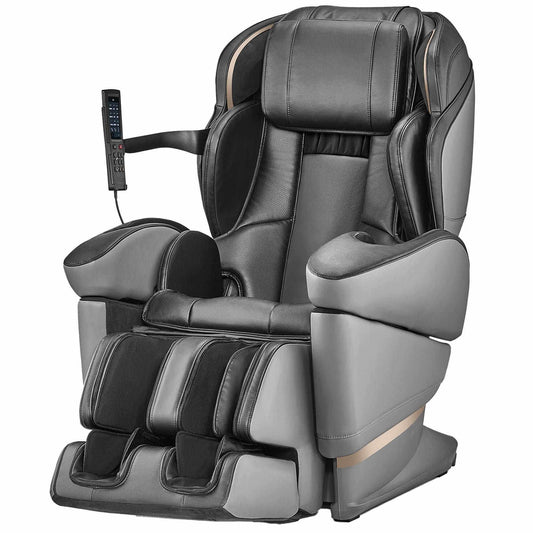
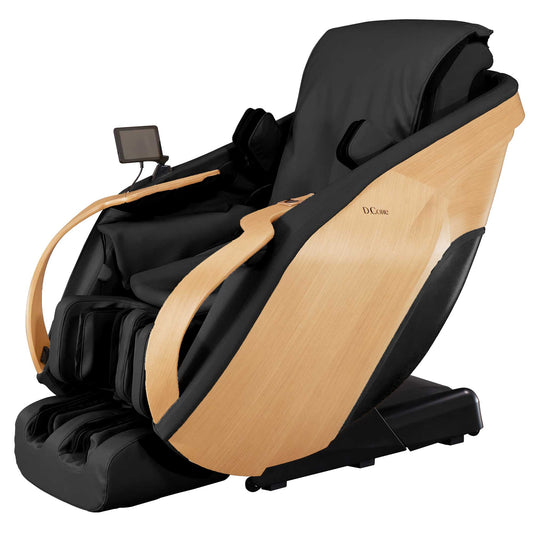
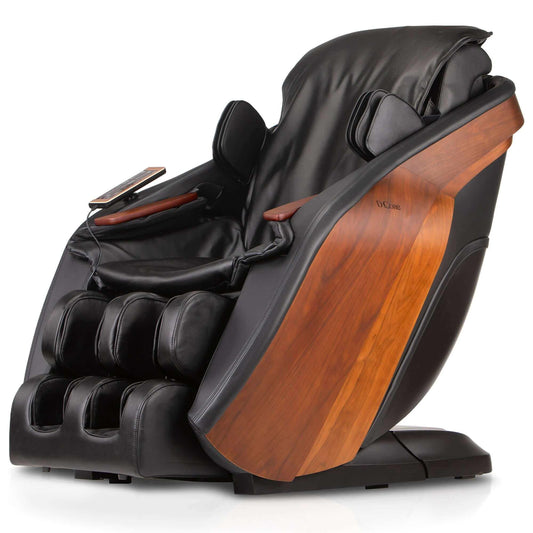

Fujiiryoki Massage Chairs: A Structured Body-Part Guide to Swedish, Shiatsu, Deep Tissue & Reflexology for Whole-Body Wellness
Overview
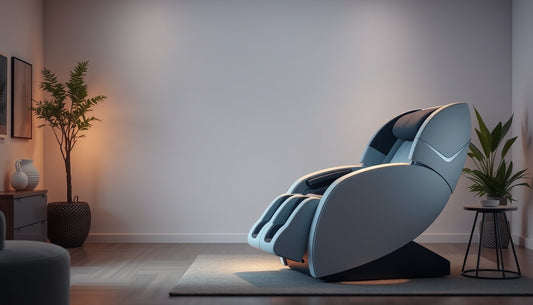
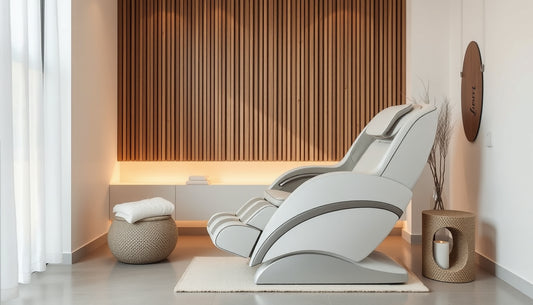
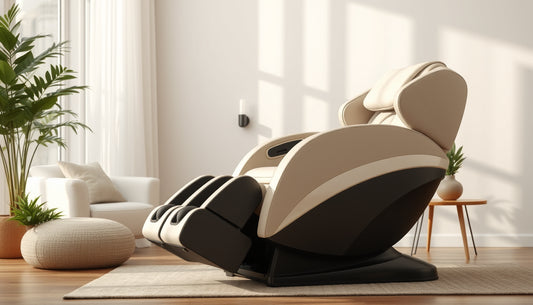
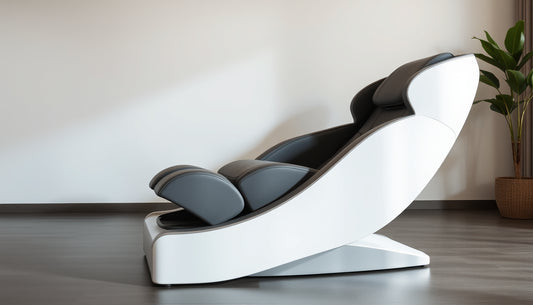
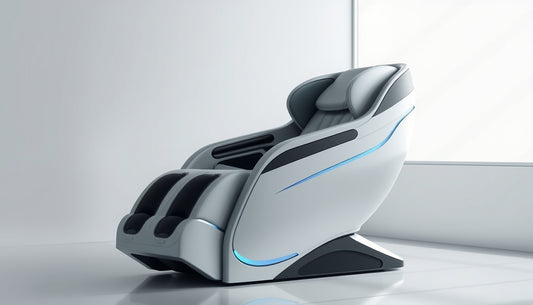
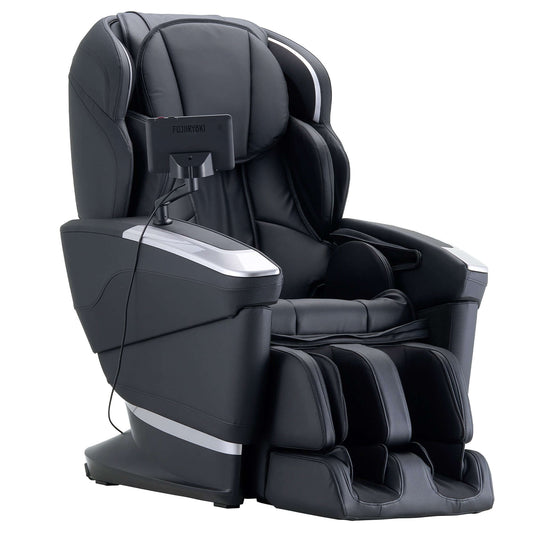
Fujiiryoki massage chairs bring studio-grade techniques into the home with a cinema-grade, pampering experience. This comprehensive guide uses a structured body-part approach to explain how Swedish, Shiatsu, Deep Tissue, Reflexology, and related methods are deployed by Fujiiryoki to promote whole-body wellness. Whether you are restoring after workouts, easing daily stress, or pursuing ongoing mobility, these chairs offer a scalable, customizable path to relief across every major region of the body.
Why Fujiiryoki Stands Out for Whole-Body Wellness
Fujiiryoki is a pioneer in robot-assisted massage, combining advanced robotics with established massage philosophies. Features such as multi-point tracking, adaptive pressure control, and targeted programs allow you to tailor sessions to individual needs—from ankle to head. This fusion of technology and tradition creates reliable, repeatable relief that can be adjusted level by level as your body and priorities change over time.
Massage Techniques at a Glance
- Swedish Massage: long, gliding strokes, kneading, and gentle compression to promote circulation and muscle relaxation across broad muscle groups.
- Deep Tissue Massage: focused, heavier pressure to reach deeper muscle layers and fascia, addressing chronic tension and adhesions.
- Trigger Point Massage: precise work on hyperirritable points to alleviate referred pain and improve mobility.
- Acupressure: fingertip pressure aligned with traditional acupuncture points to balance energy flow and relief.
- Shiatsu Massage: finger-press and kneading along meridians to rebalance the body and ease stress-related stiffness.
- Reflexology: stimulation of foot and hand maps to influence corresponding zones that affect overall wellness.
- Kneading: rhythmic compression that softens tissue and fascia, supporting long-term tissue health.
Anatomy of a Fujiiryoki Session: A Body-Parts Roadmap
Our body-part approach maps specific techniques to each region, ensuring that sessions are comprehensive and efficient. The path from ankles to head becomes a guided journey rather than a random sequence of motions. Below is an expanded guide that aligns body parts with primary targets and expected benefits.
Ankle
Targeted work on the ankle joint includes gentle kneading and acupressure points to improve mobility, promote circulation, and expedite recovery after runs or hikes. Expect improved range of motion and better ankle stability as a foundational element of gait efficiency.
Back
Back-focused programs combine Swedish glides, rhythmic kneading, and trigger-point work to relieve stiffness, decompress the spine, and support posture. A strong back foundation enhances overall comfort in daily activities and reduces the risk of neck and shoulder tension.
Calf
Calf muscles benefit from deeper tissue work and sustained kneading that address tightness and venous return. Calf relief can lessen leg fatigue after workouts and improve mobility for activities requiring leg endurance.
Feet
Feet receive reflexology-inspired stimulation that eases fatigue, supports arch health, and improves relaxation. Targeted heel and plantar fascia work can reduce morning stiffness and fatigue after standing for long periods.
Hands
Hands and forearms often bear repetitive strain. Fujiiryoki sequences provide gentle to moderate kneading and pressure to ease fatigue, support grip strength, and improve perceived flexibility after long computer sessions or manual tasks.
Head
Gentle scalp-focused strokes can relieve tension headaches and promote a sense of mental clarity. When paired with full-body relaxation, scalp work contributes to an overall sense of calm and improved sleep quality.
Heel
Heel-focused sequences address plantar fascia tension and arch support, aiding in stress distribution across the foot and reducing soreness after activity or long standing periods.
Knee
Light to moderate kneading and trigger-point work around the knee joint can reduce stiffness and improve perceived knee comfort, supporting a more fluid gait and easier movement.
Legs
Full-leg sweeps and targeted pressure improve circulation and reduce fatigue. By addressing both the calves and thighs in a harmonized sequence, labs and athletes can maintain leg readiness without overdoing any one area.
Neck
Neck-focused work uses precise shiatsu and acupressure on key muscles and trigger points to relieve strain, improve range of motion, and reduce headaches associated with posture and desk work.
Shoulder
Broad strokes, kneading, and point work ease upper-back tension that often radiates into the neck and arms. Shoulders receive a balanced mix of mobility and release work to prevent chronic tightness.
Thigh
Long gliding strokes combined with compression target the quadriceps and hamstrings, supporting muscle balance, flexibility, and recovery after exertion.
Wrist
Focused kneading and acupressure can reduce fatigue from repetitive tasks and improve wrist comfort during extended computer use or sports that demand wrist mobility.
Whole Body
Integrated programs weave Swedish, deep tissue, reflexology and Shiatsu to craft a cohesive full-body experience. This holistic approach supports symmetry, circulation, stress relief, and tissue health from head to toe.
Techniques in Depth: How Each Method Benefits the Body
Understanding how each technique aids specific tissues helps you design sessions that maximize benefits while minimizing risk. The following sections map technique to effect and to body region.
Swedish Massage
Key features: expansive strokes, kneading, and light to moderate pressure that enhances circulation and loosens superficial muscles. Benefits include improved venous return, reduced muscle tension, and a sense of relaxation that lowers stress hormones.
- Targets: back, legs, arms, neck
- Benefits: increased mobility, reduced muscle soreness, enhanced relaxation
Deep Tissue Massage
Key features: deeper pressure focused on fascia and deeper muscle layers. Useful for chronic tightness, postural imbalances, and stubborn knots.
- Targets: hips, lower back, shoulders, thighs
- Benefits: relief from deep-seated tension, improved tissue mobility, injury prevention
Trigger Point Massage
Focuses on hyperirritable points that refer pain to other areas. It requires precision but yields significant improvements in range of motion when pain patterns are well understood.
- Targets: neck, shoulders, back, hips
- Benefits: pain reduction, improved movement, faster recovery from strain
Acupressure
Meridian-aligned fingertip pressure supports energy balance and quick relief of localized tension. It complements other modalities by gently releasing stiff areas without heavy force.
- Targets: neck, back, feet, hands
- Benefits: quick relief of tension, improved energy flow, enhanced relaxation
Shiatsu Massage
Traditional Japanese technique using finger pressure and kneading along meridians. It aims to rebalance the body’s energy and ease systemic stiffness.
- Targets: spine, shoulders, hips, feet
- Benefits: improved posture, reduced stress, enhanced resilience against fatigue
Reflexology
Foot and hand maps guide targeted stimulation to influence distant organs and systems. This technique supports overall wellness, better sleep, and mood regulation through localized work.
- Targets: feet, hands
- Benefits: relaxation, improved sleep, better systemic balance
Kneading
A versatile method that applies rhythmic compression to restore softness in muscle tissue and fascia, supporting tissue health across the body.
- Targets: all major muscle groups
- Benefits: tissue hydration, improved elasticity, reduced stiffness
Benefits in Focus: What You Can Expect
- Blood Flow and Circulation: enhanced microcirculation supports nutrient delivery and faster recovery across muscle groups.
- Fatigue Relief: progressive relaxation and improved venous return help combat daily tiredness and evening stiffness.
- Flexibility Improvement: consistent practice can restore range of motion in joints and soft tissues.
- Injury Recovery: targeted, controlled work can complement rehabilitation by maintaining tissue mobility while reducing downtime.
- Muscle Therapy and Tissue Quality: balanced care helps prevent overuse injuries and supports tissue resilience.
- Pain Relief: precise technique combinations address both local and referred pain patterns.
- Spine Alignment and Posture: back-focused work supports spinal alignment and more balanced posture over time.
- Stress Relief and Mental Clarity: relaxation responses reduce cortisol and improve sleep quality and mood.
- Overall Well-Being: the integration of multiple techniques fosters a sense of vitality and sustained wellness.
Designing Your Session: Programs, Frequency, and Progression
To maximize results, design sessions that progress over time and align with your goals. Consider the following guidelines:
: warm-up with light Swedish strokes to wake muscles and prepare fascia for deeper work. - Mix techniques: alternate between Swedish, kneading, and reflexology or Shiatsu to cover both superficial and deep layers.
- Target specific areas: use presets focused on back, legs, or neck after workouts or long days of work.
- Hydration and movement: drink water and perform light mobility after sessions to aid flush and mobility gains.
- Consistency: aim for regular sessions (e.g., 2–4 times per week) to build tolerance, improve tissue quality, and sustain benefits.
Safety, Comfort, and Maintenance
While Fujiiryoki chairs are designed with safety in mind, these guidelines help you stay comfortable and maximize longevity of the device and your results:
: if you have injuries, chronic pain, or recent surgery, check with a healthcare provider before starting a massage chair routine. - Start with lower intensity: especially for beginners or sensitive areas, gradually increase pressure as tolerance builds.
- Observe your response: stop if you experience sharp pain, dizziness, or numbness.
- Device care: keep cushions clean, follow manufacturer maintenance schedules, and store programs appropriately to maintain performance.
Choosing the Right Fujiiryoki Model for Your Goals
With multiple models and feature sets, selecting a Fujiiryoki chair depends on your goals, space, and budget. Consider the following when choosing:
: ensure the chair provides comprehensive coverage from head to toe with adjustable recline and leg rest features. - Technique emphasis: some models emphasize kneading and deep tissue work, others focus on Shiatsu or reflexology sequences.
- Program variety: look for a broad library of presets, customizable zones, and adjustable pressure curves.
- Comfort and fit: consider seat width, leg-length accommodation, and cushion density for long sessions.
- Maintenance and warranty: verify service availability in your region and understand warranty terms for motors and components.
Frequently Asked Questions
Here are common questions people have when exploring Fujiiryoki massage chairs for a structured body-part approach:
- Can these chairs replace regular massage therapy? They can complement professional massage but may not fully substitute ongoing clinical care for certain conditions.
- Are there safety concerns for pregnant users? Always consult a healthcare provider; many chairs offer pregnancy-safe presets but some positions or pressures should be avoided.
- How long should a session last? Beginners may start at 15–20 minutes, progressing to 30–60 minutes as tolerance and goals align.
- How often should I use the chair? Most users benefit from 2–4 sessions weekly, with rest days in between to prevent tissue overload.
- What should I do after a session? Hydrate, perform light mobility, and consider a brief cooldown to maximize benefits.
Case Scenarios: Real-World Applications
Illustrative scenarios show how the body-part guided approach works in practice:
: legs and calves receive deeper tissue work after runs, while the back and shoulders release tension from posture during training sessions. : wrists, neck, and shoulders are targeted with Shiatsu and acupressure to combat repetitive strain and stiffness from long hours at the computer. : trigger-point work along the upper back and neck reduces tension patterns and improves sleep quality over time.
Conclusion: A Pathway to Lasting Comfort and Mobility
Using a Fujiiryoki massage chair as a structured body-part guide across Swedish, Shiatsu, Deep Tissue, and Reflexology provides a scalable, personalized approach to whole-body wellness. By mapping techniques to specific body regions—and by following a thoughtful progression in pressure, duration, and technique mix—you can support blood flow, reduce fatigue, improve flexibility, aid injury recovery, and promote stress relief. With consistent practice and mindful choice of programs, a Fujiiryoki chair can become a central ally in your journey toward lasting comfort, mobility, and well-being.
Tags:
Trước
Fujiiryoki Cyber Relax: A Slide-Deck Style Overview of Targeted Massage Techniques (Swedish, Shiatsu, Deep Tissue, Reflexology) and Body-Part Benefits for Total Wellness
Kế tiếp
From Feet to Head: A Fujiiryoki Slide-Deck Guide to Targeted Techniques Across Ankle to Head for Whole-Body Wellness