
Fujiiryoki Massage Chair Techniques Unlocked: Swedish, Shiatsu, Deep Tissue & Reflexology for Ankle-to-Head Total-Body Wellness.
For wellness enthusiasts who want a spa-like experience at home, Fujiiryoki massage chairs offer a powerful toolkit. By combining time-tested massage modalities with cutting-edge chair engineering, these models can simulate Swedish, Shiatsu, Deep Tissue, Reflexology, and more across the body from ankle to head. This guide dives deep into how Fujiiryoki chairs work, the techniques they deliver, the body areas they influence, and how you can design a long, effective ankle-to-head routine for total-body wellness.
Overview of Fujiiryoki Massage Chair Technology for Total-Body Wellness
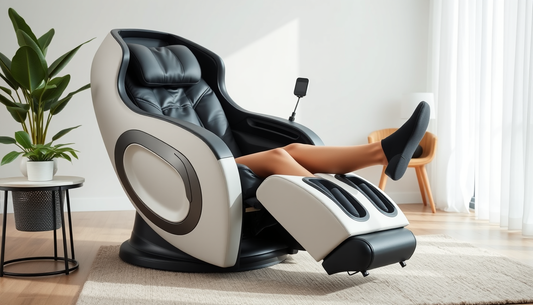
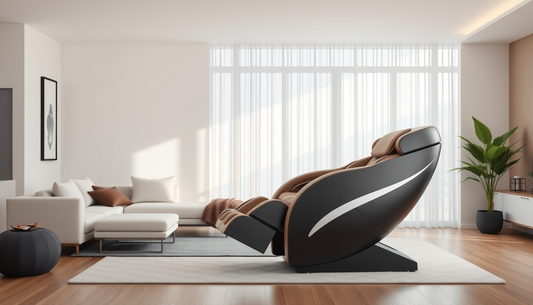
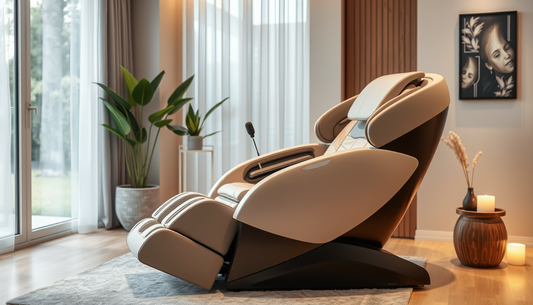
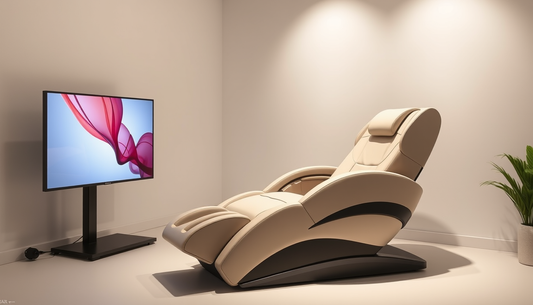
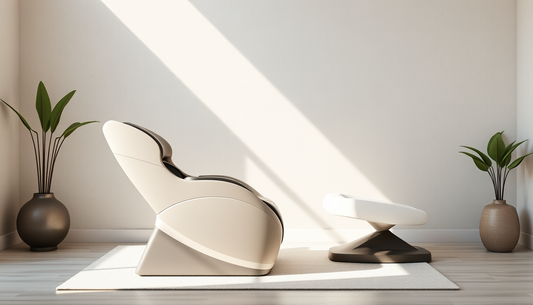
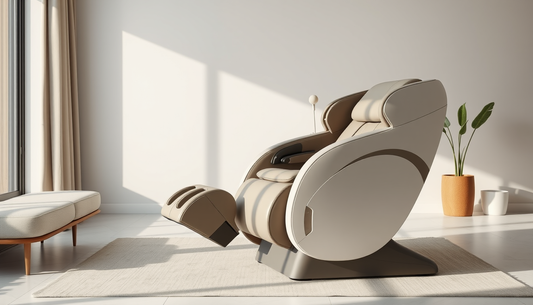
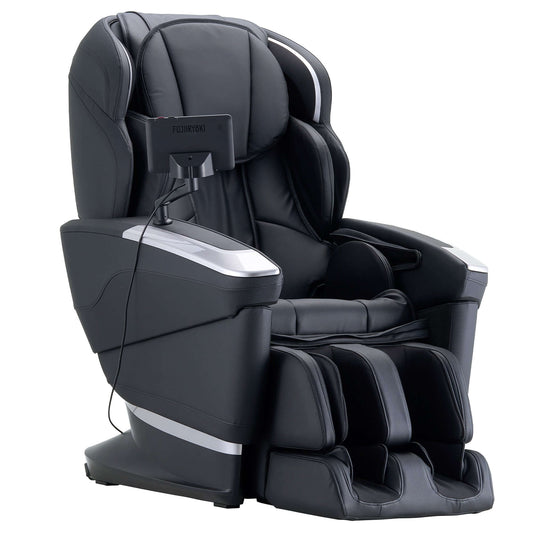
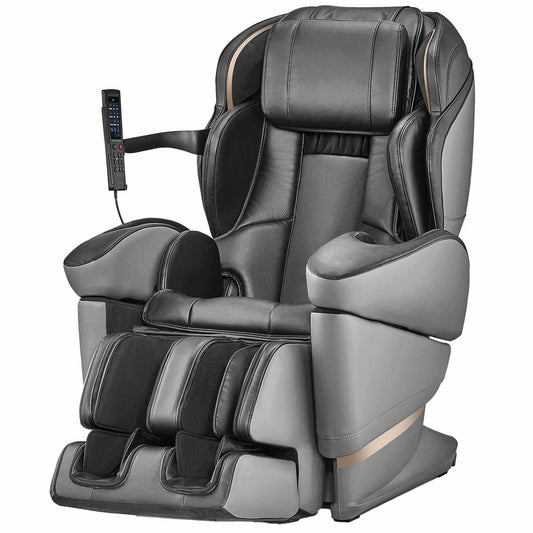
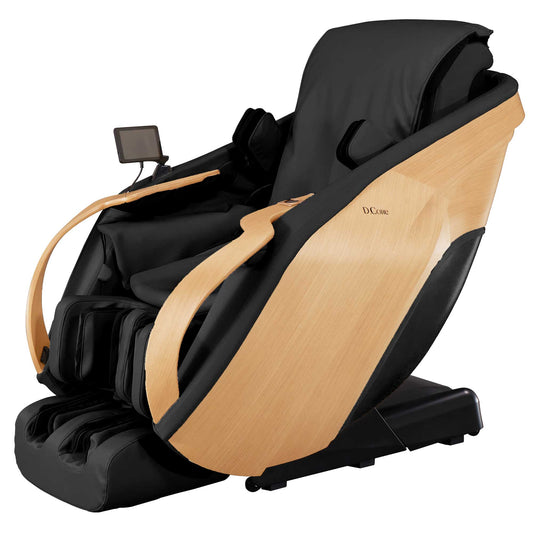
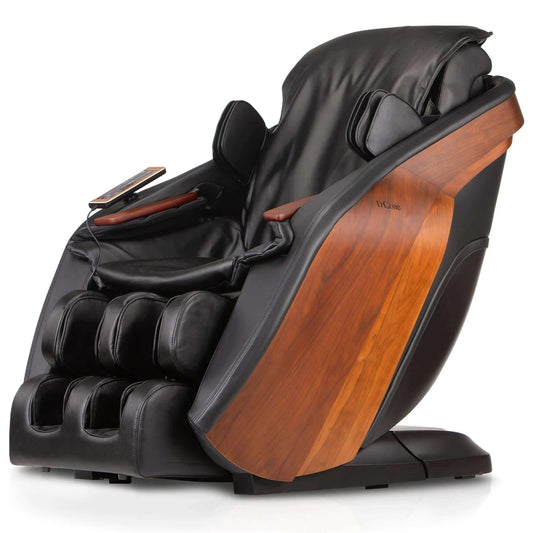
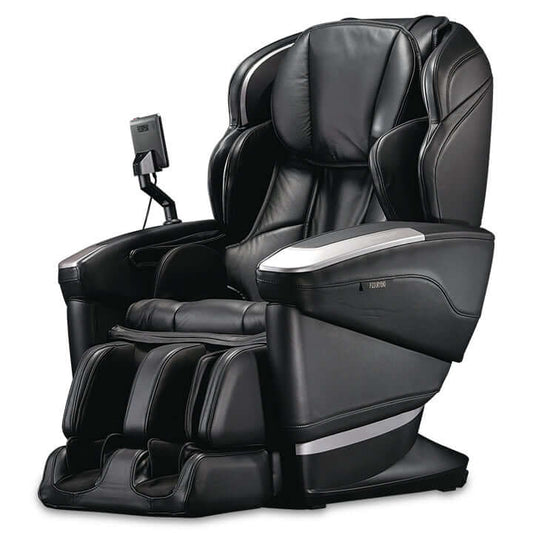
Fujiiryoki chairs bring together a holistic set of technologies designed to reproduce the hands of a skilled therapist in a compact home device. Key components include directional rollers for the back, foot rollers with reflex zones, calf air bags for compression, neck cushions that support precise head and cervical work, and a smart control system that maps your body. Modern models feature body scanning, 3D or 4D massage engines that adjust pressure and depth on the fly, heat therapy to loosen tight muscles, and zero gravity seating to optimize circulation and reduce stress on joints. The result is a customizable, scalable approach to whole-body relief that can target everything from the ankles to the scalp in a single session.
The Core Techniques: Swedish, Shiatsu, Deep Tissue, Reflexology, Trigger Point, Acupressure, Kneading
- Swedish Massage: Long, slow gliding strokes warm up superficial muscle layers, improve circulation, and create a sense of overall relaxation that prepares the body for deeper work when needed.
- Shiatsu Massage: Finger and palm pressure applied along traditional meridian lines to release tension, improve energy flow, and address knots in the neck, shoulders, back, and feet.
- Deep Tissue Massage: Firm, targeted pressure aimed at deeper muscle layers to break up adhesions, reduce stiffness in the lower back, hips, and legs, and support post-injury recovery.
- Reflexology: Focused work on the feet (and sometimes hands) to influence systemic relaxation, organ health, and general well-being through pressure points mapped to the whole body.
- Trigger Point Massage: Precise stimulation of hyperirritable points to release localized pain, improve range of motion, and reduce referred pain in the neck, shoulders, and back.
- Acupressure: Pressure-based therapy to stimulate circulation and relieve muscle tension in the spine, wrists, knees, and legs, often used as a complementary approach to other modalities.
- Kneading: Repetitive circular and kneading motions to loosen muscle fibers, reduce stiffness, and promote tissue flexibility in large muscle groups like the calves, thighs, and back.
Targeted Body Areas and How They Are Addressed
The Fujiiryoki approach maps a full range of body parts so the chair can deliver a cohesive ankle-to-head session. Learn how your body benefits, part by part:
- Ankle: Gentle to moderate kneading and targeted pressure to support ankle mobility and comfort, especially after long days of standing.
- Back: A blend of kneading, rolling, and Shiatsu-like pressure to loosen fascia, reduce postural strain, and ease muscle knots along the spinal column.
- Calf: Calf air compression paired with longitudinal rollers to stimulate venous return and reduce shin and calf fatigue.
- Feet: Reflexology-focused work, toe and sole stimulation, and arch support to improve comfort and circulating flow.
- Hands: Hand massage programs that alleviate grip fatigue and improve circulation, useful for desk workers and athletes alike.
- Head: Calming scalp massage and gentle neck support to reduce tension headaches and promote relaxation.
- Heel: Targeted pressure and soft kneading to ease plantar strain and improve foot stability.
- Knee: Gentle kneading around the knee area to support soft tissue and promote healthy range of motion.
- Legs: A full lower-leg routine that combines compression, kneading, and rolling to relieve stiffness and improve flexibility.
- Neck: Focused Shiatsu-like pressure and light kneading to release tension and support posture-related discomfort.
- Shoulder: Deep tissue-like pressure and kneading to address trapezius tightness and shoulder blade stiffness.
- Thigh: Mega-kneading and rolling to loosen posterior chain muscles and ease strain from running or cycling.
- Whole Body: Coordinated sequences that flow from feet to scalp, providing a holistic relaxation and recovery experience.
- Wrist: Light, careful massage to relieve carpal tunnel symptoms and hand fatigue.
Fujiiryoki chairs are designed to flow from lower to upper body, orchestrating foot rollers, calf compression, back rollers, neck cushions, and shoulder airbags into a cohesive ankle-to-head session. The result is a balanced experience that minimizes abrupt transitions while maximizing relaxation and relief.
Benefits of Fujiiryoki Massage Techniques
Each technique contributes to a practical set of wellness outcomes. When used regularly, you can expect improvements across several dimensions of health and daily life:
- Blood Flow Control: Enhanced circulation supports nutrient delivery, waste removal, and tissue oxygenation across the body.
- Fatigue Relief: Reduces perceived exertion after workouts or long workdays by soothing fatigued muscles and calming the nervous system.
- Flexibility Improvement: Deeper tissue work helps restore range of motion and reduce stiffness in joints and muscles.
- Injury Recovery: Gentle to moderate deep work and guided movement can support rehabilitation and prevent compensatory patterns.
- Muscle Therapy: Targeted release of adhesions and knots improves muscle function and endurance.
- Pain Relief: Regular sessions can reduce chronic discomfort in the back, neck, and lower limbs.
- Spine Alignment: Balanced massage sequences promote postural awareness and may ease spinal loading during daily tasks.
- Stress Relief: Heat, rhythm, and the massage experience reduce cortisol and promote better sleep quality.
- Tissue Therapy: Improved hydration of connective tissues and better fascia mobility support overall tissue health.
An Ankle-to-Head Total-Body Wellness Routine
Use this extended routine as a template for a comprehensive session that starts at the feet and ends with the scalp. Adjust duration and intensity to your comfort level and the recommendations of your chair model:
- Warm-Up and Foot Foundation (8-12 minutes): Start with Swedish or kneading in the feet and calves to awaken circulation. Use a gentle setting to prepare tissues for deeper work later.
- Lower Leg Activation (8-10 minutes): Transition to calves and shins with a combination of compression and light rolling to address the posterior chain and reduce calf tightness.
- Ankle and Foot Reflexology (6-8 minutes): Focus reflex zones on the plantar surface and midfoot to support systemic relaxation and energy flow.
- Thigh and Knee Preparation (6-10 minutes): Move to the thigh and knee region with moderate kneading to loosen the quadriceps and hamstrings while protecting knee joints.
- Back and Spinal Support (12-15 minutes): Address the entire back with rolling, kneading, and Shiatsu pressure for muscle balance and postural comfort.
- Shoulder and Neck Release (6-10 minutes): Apply targeted pressure along the neck and shoulders to release trapezius tension and support mobility.
- Arm, Wrist, and Hand Renewal (5-8 minutes): Massage the forearms and wrists, transitioning to hands to relieve grip fatigue and improve circulation.
- Head and Scalp Calm (5-7 minutes): Gentle scalp massage and neck support to finish with deep relaxation and mental clarity.
- Cool-Down and Hydration (3-5 minutes): A light, all-body flow to bring heart rate down, followed by quiet breathing and hydration.
Tip: Break longer sessions into two shorter blocks if you are new to chair massage or are sensitive to deep pressure. Regular, moderate sessions are usually more beneficial than infrequent, intense ones.
Safety, Customization, and Best Practices
To maximize safety and outcomes, follow these guidelines:
- Start at a comfortable intensity and gradually increase pressure as your body adapts.
- Avoid applying excessive pressure on sensitive joints, recent surgical sites, or areas with inflammation.
- Leverage zone customization to tailor programs to your goals and body map. Most Fujiiryoki models let you select massage zones, speed, heat, and air pressure per region.
- Consult a healthcare professional if you have chronic conditions, implants, or pain that persists beyond a typical session.
Choosing the Right Fujiiryoki Model for Your Goals
Different Fujiiryoki models emphasize different capabilities. Consider these factors when selecting a chair for ankle-to-head wellness:
- Massage Depth and Speed: Look for 3D or 4D massage engines if you want deeper, more adaptive pressure and more nuanced control across zones.
- Heat Therapy: Integrated heating can enhance tissue relaxation and blood flow, particularly beneficial in cold climates or post-workout recovery.
- Air Foot and Calf Systems: Varied air cell configurations provide leg compression, improving venous return and reducing swelling after long days.
- Body Scanning and Zone Mapping: Accurate scans personalize the massage, ensuring zones align with your anatomy for better results.
- Zero Gravity Seating: Elevates legs above heart level to optimize circulation and reduce pressure on the spine.
- Noise and Comfort: Quieter operation supports a more relaxing environment, especially for evening sessions.
Maintenance and Longevity
To keep your Fujiiryoki chair performing at its best, follow these upkeep tips:
- Clean surfaces with a soft damp cloth; avoid harsh chemicals that can affect upholstery and electronics.
- Regularly inspect foot rollers, back rollers, and airbags for wear. Replace or service components as needed per the manufacturer’s guidelines.
- Keep the control system and sensors free of dust and debris to ensure accurate body mapping.
- Use manufacturer-approved cleaning and conditioning products when available, especially on leather or synthetic surfaces.
Frequently Asked Questions
- Are Fujiiryoki chairs safe for everyone? They are generally safe for most adults, but people with specific medical conditions should consult a professional before using advanced massage chairs.
- How often should I use the chair for best results? Consistency matters. A 20-40 minute session several times a week can support ongoing wellness, with longer sessions on days dedicated to recovery or stress relief.
- Can I customize the programs for different days of the week? Yes. Most models allow saving personalized profiles for different goals and users.
Conclusion
Fujiiryoki massage chairs offer a versatile and powerful way to unlock a suite of massage techniques from Swedish and Shiatsu to Deep Tissue and Reflexology. By leveraging sensory mapping, zone-based control, and a thoughtful sequence from ankle to head, these chairs support total-body wellness, improved mobility, and better daily function. With careful selection, mindful use, and consistent practice, you can build an at-home wellness routine that rivals traditional spa visits while fitting into a busy life.
Tags: