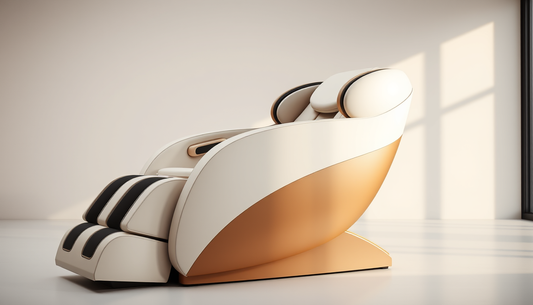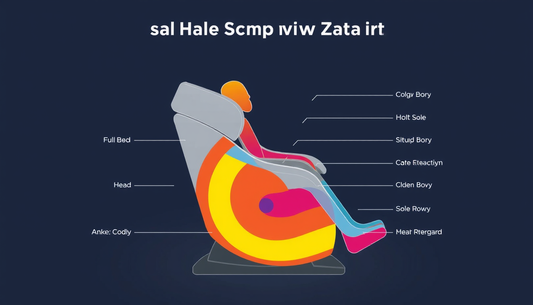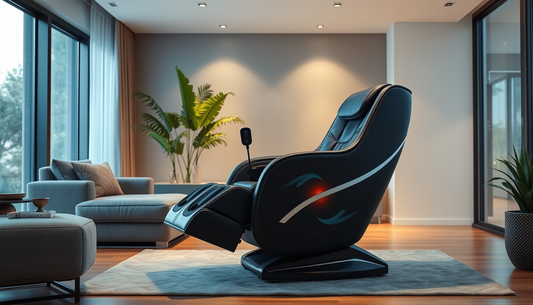
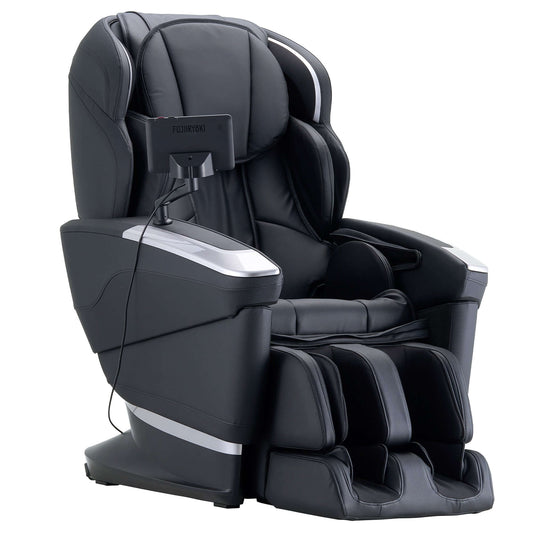
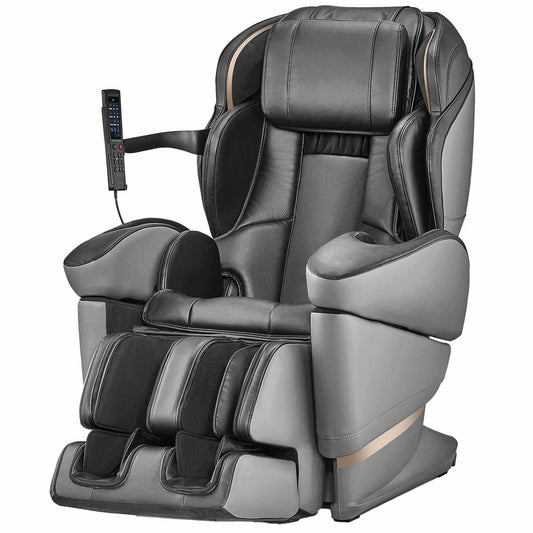
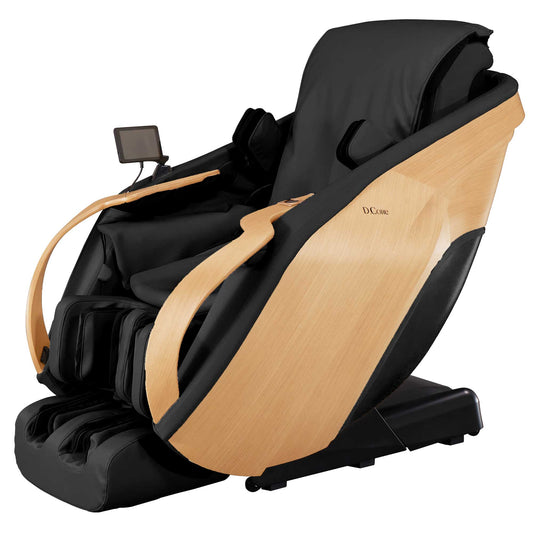
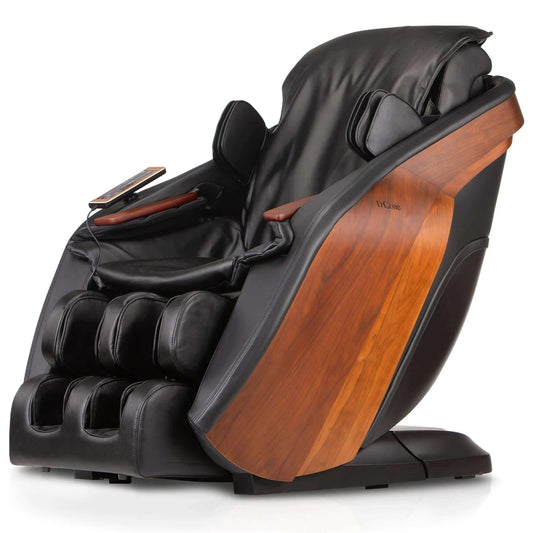
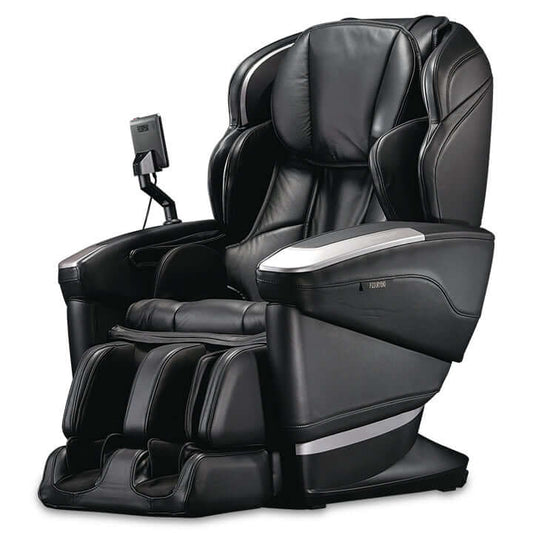

Fujiiryoki Ghế Massage: Trình bày slide Lập bản đồ 7 kỹ thuật (từ Thụy Điển đến bấm huyệt) tới 14 vùng mục tiêu để tuần hoàn, giảm đau và phục hồi
Trang trình bày 1: Trang trình bày tiêu đề — Fujiiryoki Bản đồ ghế massage
- Tiêu đề: Fujiiryoki Ghế Massage: Trình bày slide Lập bản đồ 7 kỹ thuật (từ Thụy Điển đến bấm huyệt) tới 14 vùng mục tiêu để tuần hoàn, giảm đau và phục hồi
- Phụ đề: Hướng dẫn thực tế, có sẵn trên slide về các kỹ thuật massage phù hợp và Fujiiryoki cài đặt cho các vùng cơ thể được nhắm mục tiêu để lưu thông tốt hơn, giảm đau và hỗ trợ phục hồi.
- Đề xuất độ dài bài thuyết trình: 20–30 slide; dành thời gian cho bản demo, hỏi đáp và thử nghiệm thực hành.
Slide 2: Tóm tắt nội dung
- Mục tiêu: Trang bị cho bác sĩ lâm sàng, cố vấn sức khỏe, nhân viên bán lẻ, vận động viên và người tiêu dùng bản đồ có cấu trúc gồm bảy kỹ thuật massage cho 14 bộ phận cơ thể bằng cách sử dụng Fujiiryoki các tính năng của ghế để tối ưu hóa lưu thông, giảm đau và phục hồi.
- Kỹ thuật: Massage Thụy Điển, Mô sâu, Điểm kích hoạt, Bấm huyệt, Shiatsu, Bấm huyệt, Nhào.
- Các khu vực mục tiêu: Mắt cá chân, lưng, bắp chân, bàn chân, bàn tay, đầu, gót chân, đầu gối, chân, cổ, vai, đùi, toàn bộ cơ thể, cổ tay.
- Kết quả chính: cải thiện tuần hoàn ngoại vi và cục bộ, giảm đau nhức và căng cơ, cải thiện tính linh hoạt và khả năng vận động, hỗ trợ phục hồi sau khi gắng sức hoặc chấn thương nhẹ và giảm căng thẳng.
Trang trình bày 3: Cách sử dụng bài thuyết trình này
- Cấu trúc: Mỗi slide kỹ thuật bao gồm phần mồi kỹ thuật ngắn, các khu vực mục tiêu được ánh xạ, lợi ích, đề xuất Fujiiryoki cài đặt và thời gian phiên được đề xuất.
- Lời khuyên của khán giả: Ngôn ngữ phù hợp với người nghe - khán giả lâm sàng muốn tài liệu tham khảo bằng chứng và ghi chú an toàn; khán giả bán lẻ muốn có kịch bản demo và các điểm nổi bật của tính năng.
- Mẹo demo: Hiển thị bản demo trực tiếp trên Fujiiryoki mô hình nếu có thể, làm nổi bật lựa chọn chế độ, điều chỉnh cường độ, chức năng nhiệt và con lăn chân.
Trang trình bày 4: Fujiiryoki Các đặc điểm nổi bật của ghế (Ghi chú thuyết trình)
- Đặc điểm chung trên Fujiiryoki kiểu máy: con lăn đa chiều (3D/4D trên một số kiểu máy), chương trình điểm/vùng nhắm mục tiêu, con lăn chân, nén khí quanh vai/cánh tay/hông/chân, nhiệt vùng thắt lưng, cường độ có thể điều chỉnh, ngả lưng và các vị trí giống như không trọng lực trên một số kiểu máy và các chương trình trị liệu cài sẵn.
- Tại sao các tính năng lại quan trọng: Con lăn bắt chước các kỹ thuật thực hành; túi khí cung cấp lực nén để lưu thông và dòng bạch huyết; nhiệt làm giảm độ cứng cơ và tăng độ dẻo của mô để làm việc sâu hơn.
- Gợi ý của người phát biểu: Nhấn mạnh rằng các tính năng khác nhau tùy theo kiểu máy - giới thiệu người nghe đến bảng thông số kỹ thuật của kiểu máy cụ thể trong các buổi giới thiệu sản phẩm.
Slide 5: Massage Thụy Điển — Tổng quan & Fujiiryoki Cài đặt
- Tóm tắt kỹ thuật: Các động tác lướt dài, áp lực nhịp nhàng và chuyển động theo kiểu dồn dập nhằm mục đích thư giãn và cải thiện tuần hoàn rộng.
- Các khu vực mục tiêu được ánh xạ: Toàn bộ cơ thể, lưng, cổ, vai, chân, đùi, bắp chân, bàn chân, bàn tay, cổ tay.
- Lợi ích: Tăng cường tuần hoàn rộng, thư giãn, giảm căng thẳng, giảm căng cơ tổng quát và cải thiện tính linh hoạt khi kết hợp với chuyển động.
- Fujiiryoki cài đặt & mẹo: Chọn chương trình toàn thân hoặc chương trình tập luyện với cường độ từ thấp đến trung bình. Thời lượng phiên: 15–30 phút cho một phiên phục hồi. Sử dụng nhiệt cho vùng thắt lưng và đùi để tăng sự thoải mái và độ đàn hồi của mô.
Trang trình bày 6: Massage mô sâu — Tổng quan & Fujiiryoki Cài đặt
- Tóm tắt kỹ thuật: Các cú vuốt chậm hơn, chắc hơn và áp lực tập trung để tiếp cận các lớp cơ sâu hơn và phá vỡ các chất kết dính hoặc độ căng dai dẳng.
- Các vùng mục tiêu được ánh xạ: Lưng, Vai, Cổ, Đùi, Bắp chân, Đầu gối (khi thích hợp).
- Lợi ích: Liệu pháp tập trung vào cơ, giảm đau có mục tiêu cho các vùng bị căng cơ mãn tính, hỗ trợ phục hồi chấn thương khi sử dụng thận trọng.
- Fujiiryoki cài đặt và mẹo: Sử dụng cài đặt con lăn cường độ cao hơn hoặc chế độ điểm tập trung. Giữ các phiên ngắn hơn cho mỗi khu vực (8–15 phút). Thực hiện công việc sâu với chế độ Thụy Điển hoặc Nhào để lưu thông và phục hồi.
Trang trình bày 7: Massage điểm kích hoạt — Tổng quan & Fujiiryoki Cài đặt
- Tóm tắt kỹ thuật: Áp lực ngắn, chính xác tác động lên các nút thắt dễ bị kích thích (điểm kích hoạt) để đạt được giải phóng cục bộ.
- Các vùng mục tiêu được ánh xạ: Lưng (đặc biệt là trên và giữa lưng), Cổ, Vai, Đùi (các điểm liên quan đến dải IT), Bắp chân, Gót chân (đối với các nút thắt liên quan đến lòng bàn chân).
- Lợi ích: Giảm đau cục bộ, giảm các kiểu đau lan truyền, cải thiện phạm vi chuyển động xung quanh các nút thắt cứng đầu.
- Fujiiryoki cài đặt và mẹo: Sử dụng chế độ Điểm/Mục tiêu, cường độ từ trung bình đến chắc chắn, chu kỳ 3–10 phút cho mỗi vùng điểm kích hoạt. Luôn tuân theo các chế độ tuần hoàn cường độ thấp hơn và giãn cơ nhẹ nhàng.
Slide 8: Bấm huyệt — Tổng quan & Fujiiryoki Cài đặt
- Tóm tắt kỹ thuật: Áp lực duy trì tại các điểm cụ thể thường được sử dụng để tác động đến tuần hoàn cục bộ, giảm đau đầu do căng thẳng và tạo ra phản ứng thư giãn.
- Các vùng mục tiêu được ánh xạ: Đầu (vùng thái dương/chẩm), Cổ, Vai, Lưng, Tay, Bàn chân, Cổ tay, Mắt cá chân.
- Lợi ích: Làm dịu hệ thần kinh, tăng cường tuần hoàn tại các điểm cục bộ, hỗ trợ giảm đau đầu do căng thẳng và căng thẳng do căng thẳng.
- Fujiiryoki cài đặt và mẹo: Chọn các chương trình có nhãn bấm huyệt, bấm huyệt hoặc bấm huyệt. Sử dụng cường độ trung bình cho tay/chân và cường độ thấp hơn cho cổ/đầu. 10–20 phút mỗi phiên là điển hình.
Slide 9: Shiatsu — Tổng quan & Fujiiryoki Cài đặt
- Tóm tắt kỹ thuật: Áp lực nhịp nhàng như ngón tay dọc theo các kinh mạch năng lượng và các đường cơ để cân bằng độ căng và kích thích tuần hoàn.
- Các vùng mục tiêu được ánh xạ: Toàn bộ cơ thể, lưng, cổ, vai, chân, bàn chân, đầu, tay.
- Lợi ích: Thư giãn cân bằng, giảm tư thế, cải thiện tuần hoàn và giảm căng thẳng trên nhiều vùng cùng một lúc.
- Fujiiryoki cài đặt và mẹo: Sử dụng các chương trình dành riêng cho shiatsu hoặc kết hợp con lăn và không khí với cường độ trung bình. Các buổi tập kéo dài 15–25 phút mang lại hiệu quả cân bằng.
Slide 10: Bấm huyệt - Tổng quan & Fujiiryoki Cài đặt
- Tóm tắt kỹ thuật: Kích thích các vùng phản xạ (thường ở bàn chân và bàn tay) được cho là tương ứng với các hệ thống cơ thể khác; trên ghế, con lăn ở chân và lực nén có mục tiêu mô phỏng các động tác bấm huyệt.
- Các khu vực mục tiêu được ánh xạ: Bàn chân, Bàn tay, Gót chân, Mắt cá chân, Cổ tay (và các tác động thứ cấp lên đầu thông qua thư giãn).
- Lợi ích: Tăng cường tuần hoàn ngoại vi, giảm mệt mỏi và cảm giác thư giãn toàn thân khi được tích hợp vào một kế hoạch phiên rộng hơn.
- Fujiiryoki cài đặt & mẹo: Sử dụng chế độ lăn bằng chân và nén bằng tay với cường độ từ thấp đến trung bình trong 10–20 phút. Nhấn mạnh sự thoải mái - tránh cường độ rất cao trên đế nhạy cảm.
Slide 11: Nhào — Tổng quan & Fujiiryoki Cài đặt
- Tóm tắt kỹ thuật: Chuyển động tròn, nâng và ép dọc theo các sợi cơ để nới lỏng mô và cải thiện lưu lượng máu cục bộ.
- Các vùng mục tiêu được ánh xạ: Lưng, Vai, Cổ, Bắp chân, Đùi, Chân, Tay, Bàn chân.
- Lợi ích: Liệu pháp mô, cải thiện tính linh hoạt và độ đàn hồi, thư giãn cơ và chuẩn bị mô mềm cho các phương pháp sâu hơn.
- Fujiiryoki cài đặt và mẹo: Chu kỳ nhào ở cường độ trung bình trong 10–20 phút; kết hợp với dòng chảy Thụy Điển để cân bằng các giai đoạn khởi động và hạ nhiệt.
Slide 12: Lập bản đồ đầy đủ: Kỹ thuật cho từng lĩnh vực mục tiêu (Tham khảo nhanh)
- Mắt cá chân: Bấm huyệt, bấm huyệt (nén, lăn nhẹ); lợi ích - cải thiện lưu thông cục bộ, giảm độ cứng.
- Trở lại: Thụy Điển, Mô sâu, Điểm kích hoạt, Shiatsu, Nhào; lợi ích - thư giãn hỗ trợ cột sống, giảm đau, cải thiện tư thế.
- Bắp chân: Thụy Điển, Mô sâu, Nhào; lợi ích - phục hồi cơ bắp, giảm chuột rút và cải thiện sự hồi lưu tĩnh mạch.
- Bàn chân: Thụy Điển, Shiatsu, Bấm huyệt, Nhào; lợi ích - tuần hoàn ngoại vi, giảm sức căng ở gan chân, giảm mệt mỏi.
- Tay: Bấm huyệt, Bấm huyệt, Shiatsu, Nhào; lợi ích - giảm mỏi tay, cải thiện tuần hoàn và thoải mái cho sự khéo léo.
- Đầu: Bấm huyệt, Shiatsu; lợi ích - giảm căng thẳng, đau đầu, làm dịu hệ thần kinh.
- Gót chân: Điểm kích hoạt, bấm huyệt; lợi ích - giải phóng mục tiêu độ căng liên quan đến lòng bàn chân và giảm đau khu trú.
- Đầu gối: Mô sâu, Điểm kích hoạt (cẩn thận); lợi ích - giảm độ kín quanh xương bánh chè, cải thiện khả năng vận động khi không có chống chỉ định.
- Chân (nói chung): Thụy Điển, Nhào, Mô sâu; lợi ích - lưu thông toàn cầu, phục hồi cơ bắp, giảm DOMS.
- Cổ: Thụy Điển, Mô sâu, Shiatsu, Điểm kích hoạt; lợi ích - giảm căng thẳng, cải thiện khả năng vận động của cổ tử cung, giảm tác nhân gây đau đầu.
- Vai: Thụy Điển, Mô sâu, Điểm kích hoạt, Shiatsu; lợi ích - giảm độ căng của cơ thang, khả năng vận động của đai vai.
- Đùi: Mô sâu, Nhào, Thụy Điển; lợi ích - phục hồi cơ tứ đầu và gân kheo, giảm đau nhức cơ sau khi gắng sức.
- Toàn thân: Thụy Điển, Shiatsu; lợi ích - cải thiện tuần hoàn hệ thống, thư giãn và giảm căng thẳng.
- Cổ tay: Bấm huyệt, bấm huyệt; lợi ích - giảm căng thẳng khi sử dụng lặp đi lặp lại, cải thiện sự thoải mái khi đánh máy hoặc làm việc thủ công.
Trang trình bày 13: Lập bản đồ lợi ích - Nhóm kỹ thuật theo kết quả chính
- Hỗ trợ tuần hoàn & bạch huyết: Thụy Điển, Shiatsu, Nhào, Bấm huyệt (con lăn và nén chân).
- Giảm đau & giải phóng khu trú: Mô sâu, Điểm kích hoạt, Bấm huyệt (khi áp dụng với cường độ thích hợp và thận trọng).
- Giảm mệt mỏi & thư giãn: Thụy Điển, Shiatsu, bấm huyệt.
- Hỗ trợ tính linh hoạt và vận động: Luân phiên nhào và mô sâu với các chu trình khởi động kiểu Thụy Điển và giãn cơ sau buổi tập.
- Phục hồi sau khi tập thể dục: Mô sâu (nhắm mục tiêu), sau đó là Thụy Điển/Nhào để lưu thông và loại bỏ các sản phẩm phụ trao đổi chất.
- Điều chỉnh cột sống & Hỗ trợ tư thế: Shiatsu và các kiểu lăn liên tục kết hợp với tư thế ngả lưng thích hợp trên ghế.
Slide 14: Slide mẫu — Kịch bản trình diễn kỹ thuật (tiếng Thụy Điển)
- Hình ảnh trang chiếu: Đường lăn hoạt hình hiển thị các chuyển động lướt dài từ lưng dưới đến vai rồi xuống chân.
- Diễn giả lưu ý: "Chúng tôi sử dụng cường độ thấp đến trung bình với cài đặt lướt dài để bắt chước hiện tượng sủi bọt. Chương trình này làm tăng sự hồi lưu của tĩnh mạch và khuyến khích hoạt động của hệ thần kinh phó giao cảm để thư giãn."
- Gợi ý demo: Bắt đầu chườm nóng ở vùng thắt lưng, chọn dòng chảy Thụy Điển toàn cơ thể, hiển thị các mức điều chỉnh cường độ và yêu cầu tình nguyện viên báo cáo áp lực cảm nhận được trong khoảng thời gian 30 giây.
Trang trình bày 15: Kế hoạch phiên mẫu - Chi tiết & có thể tùy chỉnh
- Duy trì hàng ngày (20 phút): 7–10 phút Khởi động toàn thân kiểu Thụy Điển (cường độ thấp) → 7 phút Nhào ở lưng dưới và bắp chân → 3 phút bấm huyệt bàn chân. Mục tiêu: tuần hoàn và kiểm soát căng thẳng.
- Đặt lại văn phòng (15 phút): 4 phút Shiatsu cổ/vai → 6 phút Nhào lưng dưới → 5 phút nén chân/con lăn. Mục tiêu: giảm căng thẳng của hội chứng chéo trên và tăng cường sự tỉnh táo.
- Phục hồi vận động viên (40 phút): 10 phút khởi động kiểu Thụy Điển → 12 phút Mô sâu trên cơ tứ đầu/gân kheo/bắp chân (chia) → 10 phút Nhào trên chân và lưng → 8 phút bấm huyệt bàn chân/hạ nhiệt cường độ thấp. Mục tiêu: giảm DOMS, hỗ trợ sửa chữa mô và phục hồi phạm vi chuyển động.
- Phiên điều trị bảo tồn sau chấn thương (có giấy chứng nhận y tế) (20 phút): 5–8 phút tiếng Thụy Điển cường độ thấp để lưu thông → 8–10 phút tập trung vào mô sâu cường độ thấp hoặc Điểm kích hoạt trên các vùng đã được làm sạch → 3–5 phút chườm nóng và nhào nhẹ. Mục tiêu: kiểm soát cơn đau và vận động nhẹ nhàng (chỉ khi có sự chấp thuận của bác sĩ lâm sàng).
Trang trình bày 16: Khuyến nghị chi tiết cho từng bộ phận cơ thể
- Cổ chân: Sử dụng lực nén khí và con lăn nhẹ nhàng; Các chương trình bấm huyệt giúp giảm độ cứng. Cường độ: thấp; Thời gian: 5–10 phút.
- Mặt sau: Kết hợp tiếng Thụy Điển để tạo dòng chảy và Deep Tissue để tạo độ căng tiêu điểm; sử dụng nhiệt vùng thắt lưng để giảm cứng khớp. Cường độ: từ thấp đến cao tùy theo khả năng chịu đựng; Thời gian: 10–20 phút (chia thành các vùng).
- Bắp chân: Nhào và dòng chảy Thụy Điển để cải thiện sự hồi lưu của tĩnh mạch; vận động viên có thể được hưởng lợi từ các đợt bùng phát mô sâu ngắn. Cường độ: trung bình; Thời gian: 6–10 phút.
- Bàn chân & Gót chân: Con lăn bàn chân và Bấm huyệt là chính; tránh cường độ cao đối với bệnh viêm cân gan chân nhạy cảm. Cường độ: thấp đến trung bình; Thời gian: 8–15 phút.
- Tay & Cổ tay: Các chương trình bấm huyệt và nén tay làm giảm các triệu chứng căng thẳng lặp đi lặp lại. Cường độ: thấp; Thời gian: 5–10 phút.
- Đầu: Sử dụng các kiểu bấm huyệt/shiatsu gần nền sọ và thái dương; giữ cường độ thấp. Thời gian: 3–7 phút; tránh áp lực hung hăng trực tiếp.
- Đầu gối: Hãy thận trọng - hỗ trợ các cơ xung quanh (cơ tứ đầu/gân kheo) bằng Mô sâu và Nhào; tránh lực ép trực tiếp lên xương bánh chè. Thời gian: 6–10 phút cho mỗi khu vực xung quanh.
- Chân & Đùi: Trình tự Mô sâu cho vùng săn chắc, Nhào để mô mềm mại, sau đó là Thụy Điển để tuần hoàn. Thời gian: 15–25 phút để phục hồi toàn bộ chân.
- Cổ & Vai: Điểm kích hoạt và mô sâu có thể giải quyết tình trạng căng cơ hình thang và cơ nâng xương bả vai; bắt đầu với khởi động kiểu Thụy Điển/shiatsu. Cường độ: bắt đầu thấp và tăng dần; Thời gian: 8–12 phút.
- Toàn thân: Sử dụng các chương trình toàn thân của Thụy Điển hoặc Shiatsu với thời lượng vừa phải từ 15–30 phút để đạt được hiệu quả toàn thân.
Slide 17: Chống chỉ định & Lưu ý an toàn (Cần thiết khi thuyết trình)
- Thận trọng chung: Ghế mát-xa hỗ trợ sức khỏe nhưng không thể thay thế cho việc đánh giá y tế. Tránh các chế độ chuyên sâu nếu người dùng mới bị gãy xương, vết thương hở, loãng xương nghiêm trọng, huyết khối tĩnh mạch sâu cấp tính, tình trạng tim mạch không ổn định hoặc cấy ghép chống chỉ định áp lực cơ học. Khi nghi ngờ, hãy tư vấn cho bác sĩ.
- Mang thai: Một số tính năng (ví dụ: nén mạnh vùng bụng hoặc lưng dưới) có thể không phù hợp - hãy tham khảo hướng dẫn y tế và chỉ sử dụng ghế/chương trình an toàn cho bà bầu.
- Các vấn đề về da và cảm giác: Giảm cảm giác có thể làm tăng nguy cơ tổn thương mô do tai nạn; sử dụng cường độ thấp và theo dõi phản hồi chặt chẽ.
- Chăm sóc trẻ em và người già: Điều chỉnh cường độ và thời gian cho cơ thể gầy yếu hoặc nhỏ bé; giám sát việc sử dụng và ưu tiên sự thoải mái.
Trang trình bày 18: Khắc phục sự cố & Tối ưu hóa tiện nghi
- Khiếu nại phổ biến: "Quá căng thẳng" - giải pháp: giảm cường độ, rút ngắn thời lượng phiên và thêm thời gian hồi chiêu kiểu Thụy Điển ở cường độ thấp.
- Khiếu nại phổ biến: "Con lăn chạm vào điểm khó xử" — giải pháp: điều chỉnh độ ngả lưng/chân, thay đổi vùng mục tiêu hoặc chuyển sang các chương trình chỉ nén khí.
- Mẹo: Sử dụng nhiệt trong 3–5 phút trước các chế độ sâu hơn để cải thiện độ đàn hồi của mô và sự thoải mái.
- Lưu ý bảo trì: Giữ sạch các con lăn có chân và tuân theo hướng dẫn của nhà sản xuất về bộ lọc, vải bọc và kiểm tra cơ khí để đảm bảo hiệu suất lâu dài.
Slide 19: Ý tưởng trình bày trực quan & demo
- Sử dụng hoạt ảnh lớp phủ hiển thị đường lăn cho từng kỹ thuật để khán giả có thể ánh xạ trực quan các con lăn tới các nhóm cơ.
- Bao gồm các số liệu chủ quan trước/sau: mức độ đau nhức được cảm nhận, chất lượng giấc ngủ, kiểm tra phạm vi chuyển động.
- Chiếu một đoạn video ngắn về chiếc ghế chuyển đổi qua tiếng Thụy Điển → Mô sâu → Bấm huyệt để minh họa dòng chương trình.
- Cung cấp tài liệu phát tay: kế hoạch buổi học được đề xuất, biểu đồ kỹ thuật theo khu vực tham khảo nhanh và danh sách kiểm tra an toàn.
Trang trình bày 20: Câu hỏi thường gặp cần đưa vào bài thuyết trình
- Hỏi: "Tôi nên sử dụng ghế thường xuyên như thế nào?" Đáp: Để chăm sóc sức khỏe tổng quát, các buổi tập ngắn hàng ngày (10–20 phút) là phổ biến. Để phục hồi sâu hơn, hãy xen kẽ các buổi tập có mục tiêu với những ngày nghỉ ngơi; luôn theo dõi phản ứng.
- Hỏi: “Ghế có thể thay thế vật lý trị liệu được không?” Trả lời: Ghế có thể hỗ trợ phục hồi và giảm triệu chứng nhưng không thể thay thế cho liệu pháp vật lý trị liệu phù hợp khi được bác sĩ lâm sàng chỉ định.
- Hỏi: "Sử dụng sau khi tập luyện có an toàn không?" Trả lời: Có - sử dụng tiếng Thụy Điển hoặc Nhào ở cường độ thấp hơn ngay sau khi tập luyện và Deep Tissue sau (nếu cần), dựa trên mục tiêu thoải mái và phục hồi.
- Hỏi: "Cài đặt nào là tốt nhất cho chứng đau thắt lưng mãn tính?" A: Bắt đầu với bài tập Thụy Điển hoặc Shiatsu và chườm nóng vùng thắt lưng; sử dụng Mô sâu hoặc Điểm kích hoạt được nhắm mục tiêu một cách thận trọng và chỉ sau khi tham khảo ý kiến nhà cung cấp nếu cơn đau mãn tính hoặc nghiêm trọng.
Slide 21: Chiến lược SEO & Nội dung cho Trang Sản phẩm
- Từ khóa chính: "Fujiiryoki ghế massage", "ghế massage lưu thông máu", "ghế massage giảm đau", "ghế massage phục hồi", "ghế bấm huyệt bàn chân".
- Từ khóa đuôi dài: "tốt nhất Fujiiryoki cài đặt cho chứng đau lưng", "cách sử dụng Fujiiryoki để lưu hành", "Fujiiryoki mô sâu vs shiatsu".
- Các thành phần trên trang bao gồm: phân cấp H1/H2 (trang kỹ thuật, trang nội dung), lược đồ Câu hỏi thường gặp cho các câu hỏi phổ biến, mô tả meta đề cập đến lợi ích và tính năng của mô hình cũng như văn bản thay thế mô tả cho ảnh sản phẩm và video demo.
- Đề xuất nội dung: Tạo các trang hoặc phần dành riêng cho từng kỹ thuật, từng bộ phận chính của cơ thể, kế hoạch buổi học và hướng dẫn an toàn. Bao gồm lời chứng thực của người dùng tập trung vào sự lưu thông, phục hồi và sự thoải mái (có tuyên bố từ chối trách nhiệm về các kết quả riêng lẻ).
Trang trình bày 22: Thẻ tiêu đề và mô tả meta được đề xuất
- Ví dụ về tiêu đề meta: "Fujiiryoki Ghế Massage - 7 kỹ thuật được ánh xạ tới 14 vùng mục tiêu để lưu thông máu và giảm đau"
- Ví dụ về mô tả meta: "Khám phá thực tế Fujiiryoki Các chương trình ghế massage: ánh xạ Thụy Điển, Shiatsu, Mô sâu và Bấm huyệt tới 14 vùng cơ thể để cải thiện tuần hoàn, giảm đau và phục hồi nhanh hơn. Bao gồm kế hoạch phiên, cài đặt và mẹo an toàn."
Trang trình bày 23: Thông điệp tuân thủ và có trách nhiệm
- Tránh đưa ra những tuyên bố về y tế chữa bệnh. Sử dụng những ngôn ngữ như "hỗ trợ", "có thể giúp đỡ", "thúc đẩy" và "có thể hỗ trợ" thay vì "chữa khỏi" hoặc "điều trị" các bệnh cụ thể.
- Bao gồm tuyên bố từ chối trách nhiệm rõ ràng trên các trang tiếp thị và bản trình bày rằng nội dung này dành cho mục đích giáo dục/sức khỏe chứ không phải tư vấn y tế.
- Khuyến khích người dùng mắc các bệnh mãn tính hoặc cấp tính tham khảo ý kiến của chuyên gia chăm sóc sức khỏe trước khi sử dụng các chương trình ghế chuyên sâu.
Slide 24: Tùy chỉnh nâng cao & Sử dụng chuyên nghiệp
- Đối với các phòng khám hoặc trung tâm phục hồi thể thao: tích hợp các buổi ngồi ghế với các bài tập trị liệu bằng tay, vận động và phục hồi chức năng để có kế hoạch chăm sóc toàn diện.
- Lưu giữ hồ sơ: theo dõi các loại phiên và phản hồi của người dùng (mức độ đau, giấc ngủ, khả năng vận động) để tinh chỉnh Fujiiryoki các chương trình hoạt động tốt nhất cho các cá nhân theo thời gian.
- Nhân viên đào tạo: cung cấp chứng nhận ngắn gọn hoặc danh sách kiểm tra để nhân viên tìm hiểu về việc điều chỉnh cường độ, chống chỉ định và kịch bản demo.
Trang trình bày 25: Nghiên cứu điển hình & Ví dụ giai thoại (Sẵn sàng cho trang trình bày)
- Trường hợp A - Nhân viên văn phòng: Sau hai tuần thực hiện các buổi đặt lại bàn làm việc kéo dài 20 phút hàng ngày (bấm huyệt cổ / vai + bàn chân Shiatsu), tự báo cáo rằng cổ đã giảm cứng và cải thiện năng lượng buổi trưa. Lưu ý: kết hợp đánh giá công thái học và cách sử dụng ghế.
- Trường hợp B - Người chạy giải trí: Một kế hoạch kéo dài 4 tuần sử dụng các bài khởi động kiểu Thụy Điển trước khi chạy và các buổi Nhào & mô sâu sau khi chạy cho thấy cảm giác đau nhức giảm đi và khả năng sẵn sàng nỗ lực hết mình nhanh hơn giữa các lần chạy. Lưu ý: các buổi học cách nhau theo chu kỳ đào tạo.
- Trường hợp C - Cơ sở chăm sóc: Người cao tuổi đã cải thiện được sự thoải mái và giảm sưng tấy ở bắp chân khi sử dụng các chương trình nén và lăn chân cường độ thấp hàng ngày (dưới sự giám sát). Lưu ý: điều chỉnh cường độ theo độ yếu và theo dõi tính toàn vẹn của da.
Trang trình bày 26: Danh sách kiểm tra bán hàng & demo (Bán lẻ hoặc phòng khám)
- Hỏi về mục tiêu chính của khách hàng: tuần hoàn máu, thư giãn, giảm đau hoặc phục hồi thể thao.
- Trình diễn 2–3 chương trình tương phản: Tiếng Thụy Điển (thư giãn), Mô sâu (nhắm mục tiêu), Bấm huyệt bàn chân (tác động ngoại vi).
- Cung cấp một thử nghiệm ngắn với cường độ có thể điều chỉnh và giải thích các tính năng an toàn cũng như lịch trình bảo trì.
- Cung cấp tài liệu mang về nhà: bản đồ kỹ thuật tham khảo nhanh, kế hoạch buổi học và bảng tuyên bố từ chối trách nhiệm/an toàn.
Trang trình bày 27: Mẹo bảo trì và tuổi thọ
- Hàng ngày: Lau sạch vải bọc bằng chất tẩy rửa được nhà sản xuất phê duyệt sau khi sử dụng, giữ cho con lăn chân không có mảnh vụn.
- Hàng tháng: Kiểm tra trực quan các bộ phận chuyển động và đường nối túi khí; đảm bảo con lăn di chuyển trơn tru trong toàn bộ phạm vi.
- Hàng năm: Khuyến nghị kiểm tra chuyên nghiệp đối với môi trường sử dụng nhiều (phòng khám, phòng tập thể dục). Luôn cập nhật phần mềm/chương trình cơ sở nếu có.
Trang trình bày 28: Tài nguyên bổ sung & Các bước tiếp theo
- Nguồn lực của nhà sản xuất: Fujiiryoki hướng dẫn sử dụng, biểu đồ so sánh mô hình và trung tâm dịch vụ được ủy quyền.
- Bằng chứng và hướng dẫn: liên kết đến các bản tóm tắt nghiên cứu xoa bóp nói chung và hướng dẫn lâm sàng về xoa bóp như một liệu pháp hỗ trợ (sử dụng các nguồn đáng tin cậy trong các slide nếu có thể).
- Tài liệu phát tay có thể in được: Biểu đồ lập bản đồ nhanh, thẻ phiên mẫu và danh sách kiểm tra an toàn đơn giản cho người dùng mới.
Slide 29: Tóm tắt các câu hỏi thường gặp & Kết luận
- Tóm tắt những điểm cần thiết: kết hợp kỹ thuật với vùng mục tiêu, bắt đầu ở cường độ thấp và tăng cường, kết hợp chế độ nhắm mục tiêu và phục hồi, đồng thời luôn ưu tiên an toàn.
- Kết thúc lời kêu gọi hành động: mời người tham gia xem bản demo có hướng dẫn, khuyến khích các buổi dùng thử và cung cấp chi tiết liên hệ cho các câu hỏi hoặc đào tạo tiếp theo.
Trang trình bày 30: Tuyên bố từ chối trách nhiệm & Tín dụng
- Tuyên bố từ chối trách nhiệm: Phần trình bày và hướng dẫn này nhằm mục đích giáo dục và chăm sóc sức khỏe. Thông tin được cung cấp không thay thế lời khuyên, chẩn đoán hoặc điều trị y tế chuyên nghiệp. Hãy tham khảo ý kiến của nhà cung cấp dịch vụ chăm sóc sức khỏe được cấp phép về bất kỳ tình trạng bệnh lý nào trước khi sử dụng các chế độ mát-xa chuyên sâu hoặc bắt đầu các quy trình phục hồi.
- Tín dụng: Được điều chỉnh để sử dụng trong trình bày. Đảm bảo mọi điều cụ thể Fujiiryoki thông tin mô hình được tham chiếu trong các trang trình bày của bạn khớp với bảng thông số kỹ thuật của mô hình và hướng dẫn sử dụng.
Phụ lục: Tham khảo nhanh có thể in được - Danh sách kiểm tra kỹ thuật đến khu vực
- Cung cấp danh sách kiểm tra dài một trang (để phát) với 14 lĩnh vực mục tiêu trong một cột và bảy kỹ thuật ở trên cùng; đánh dấu các hộp kiểm cho các kỹ thuật được đề xuất cho mỗi khu vực và một cột ngắn cho cường độ và thời gian được đề xuất (ví dụ: Thấp 5–10 phút, Trung bình 10–20 phút, Cao 5–10 phút tập tại chỗ).
- Bao gồm hộp kiểm an toàn: "Nhà cung cấp dịch vụ y tế được tư vấn? Có/Không" và một đoạn ghi chú ngắn về chống chỉ định.
Phần thưởng SEO: Khối nội dung bạn có thể thêm vào trang sản phẩm
- Phần anh hùng: dòng tiêu đề hướng đến lợi ích với từ khóa chính và một tiêu đề phụ ngắn về sự đa dạng của kỹ thuật và lập bản đồ vùng cơ thể.
- Các phần có thể mở rộng: "Cách thức hoạt động", "Kỹ thuật nào phù hợp với tôi?" và "Kế hoạch phiên mẫu" có các điểm cố định để dễ dàng điều hướng.
- Lược đồ câu hỏi thường gặp: bao gồm các mục Câu hỏi thường gặp từ Trang trình bày 20 để thu được kết quả phong phú trong công cụ tìm kiếm.
- Câu chuyện của khách hàng: những lời chứng thực ngắn gọn, tập trung đề cập đến các lợi ích cụ thể (ví dụ: tuần hoàn, hỗ trợ nhân viên bàn giấy) đồng thời tránh các khiếu nại y tế.
Bài học cuối cùng
- Fujiiryoki Ghế massage cung cấp một nền tảng linh hoạt để mô phỏng nhiều kỹ thuật thủ công — khi bạn ánh xạ các kỹ thuật đến các khu vực mục tiêu và sử dụng cài đặt thích hợp, bạn có thể hỗ trợ tuần hoàn, giảm đau và phục hồi như một phần của kế hoạch chăm sóc sức khỏe tổng thể.
- Sẵn sàng cho bản trình bày: Sử dụng bản đồ trang chiếu mở rộng này làm cơ sở cho các bản trình diễn trực tiếp, đào tạo nhân viên, bản trình bày bán lẻ hoặc các quy trình của phòng khám. Đảm bảo điều chỉnh cường độ, thời lượng và tên chương trình cho phù hợp Fujiiryoki mô hình bạn đang trình diễn.
- Luôn ưu tiên sự an toàn, tùy chỉnh các buổi tập theo sự thoải mái và nhu cầu của từng cá nhân, đồng thời đề xuất tư vấn y tế cho các tình trạng mãn tính hoặc cấp tính.
Kêu gọi hành động
- Đặt demo tại cơ quan được ủy quyền Fujiiryoki đại lý hoặc yêu cầu dùng thử có hướng dẫn để trực tiếp áp dụng các sơ đồ này.
- Sử dụng kế hoạch phiên mẫu và hướng dẫn từng bộ phận cơ thể tại đây để tạo các quy trình phù hợp và đo lường kết quả của người dùng trong vòng 1–4 tuần nhằm tinh chỉnh cài đặt tối ưu.
Tags:
Trước
Fujiiryoki Kế hoạch trình bày về ghế mát-xa: Lập bản đồ kỹ thuật trên cơ thể (Thụy Điển, Shiatsu, Mô sâu, Điểm kích hoạt & Bấm huyệt) để giảm đau có mục tiêu - Lợi ích từ mắt cá chân đến đầu và toàn cơ thể
Kế tiếp
Hướng dẫn trình bày: Fujiiryoki Kỹ thuật & lợi ích của ghế mát-xa - Từ mắt cá chân và gót chân đến cổ và vai (tiếng Thụy Điển, Shiatsu, bấm huyệt) để cải thiện tuần hoàn, giảm đau và phục hồi